Show Adult Titles
Show Adult Posters & Images


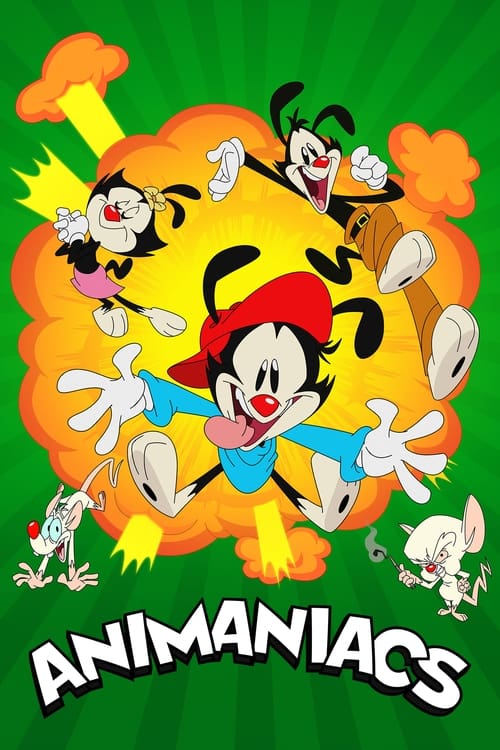
In the colorful world of Higglytown, four kids and their squirrelly friend learn about the heroes that inhabit their city, from mail carriers and bus drivers to police officers and firefighters.
 Disney Plus
 Disney+
 Amazon Video
 Apple TV Store




This section contains spoilers
The full plot reveals key story details including the ending.




 Ru00e9mi Chapotot
 Dorothu00e9e Poussu00e9o
 Emmanuel Garijo
 Fu00e9odor Atkine
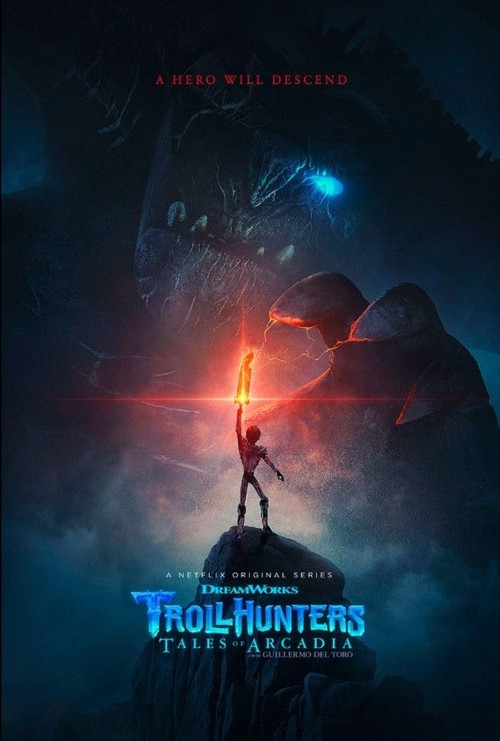
 Lexi Medrano
 Charlie Saxton
 Amy Landecker
 Kelsey Grammer

 Jang Ye-na
 Kim Eun-ah
 Kim Ga-ryung

 Johnny Depp
 Stefano Brusa

 Ran Zhao
 u8d75u6615
 u90edu5fb7u6b23

 Alex de Porrata
 Carme Calvell
 David Jenner
 Ariadna Jimu00e9nez
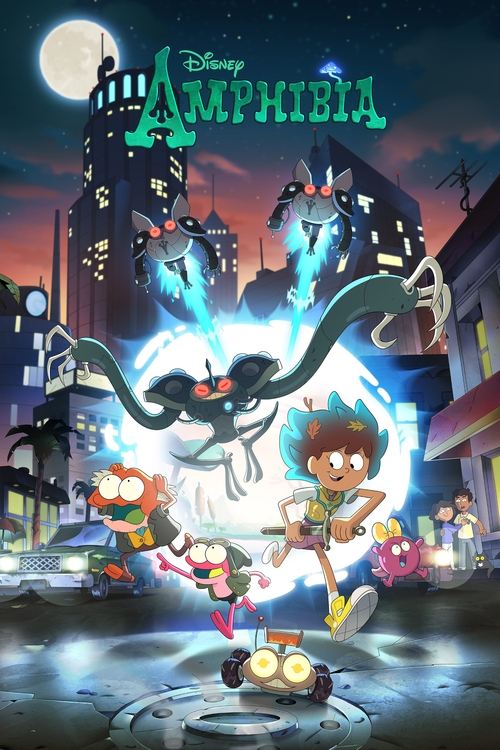
 Brenda Song
 Justin Felbinger
 Amanda Leighton
 Bill Farmer

 Dave McCormack
 Melanie Zanetti

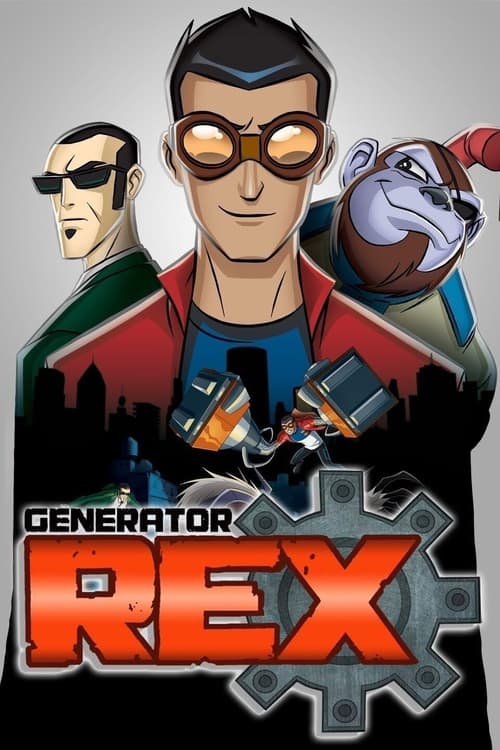

 Nicolas Cantu
 Kyla Kowalewski
 Donielle T. Hansley Jr.
 Christian J. Simon


 Richard Steven Horvitz
 Andy Berman
 Rosearik Rikki Simons
 Melissa Fahn
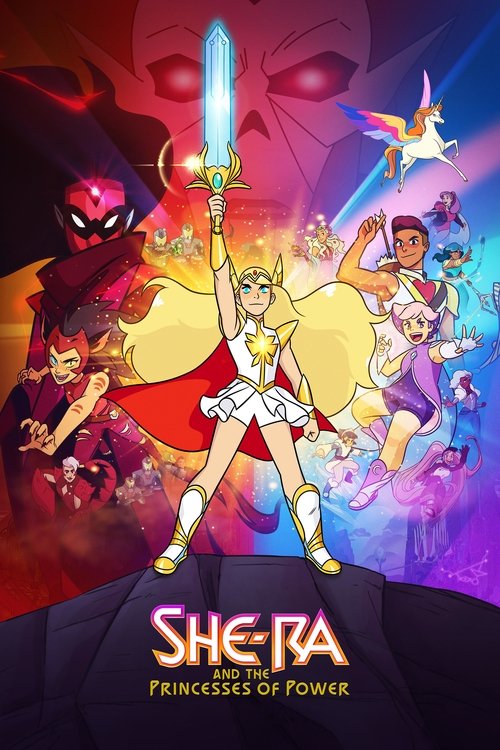
 Aimee Carrero
 AJ Michalka
 Marcus Scribner
 Reshma Shetty


 Addison Holley
 Kai Harris
 Rain Janjua

 Nana Mizuki
 Fumie Mizusawa
 Houko Kuwashima
 Aya Hisakawa
 Minori Suzuki
 Yuka Terasaki
 Yoshino Aoyama

 Sarah-Nicole Robles
 Issac Ryan Brown
 Wendie Malick
 Tati Gabrielle
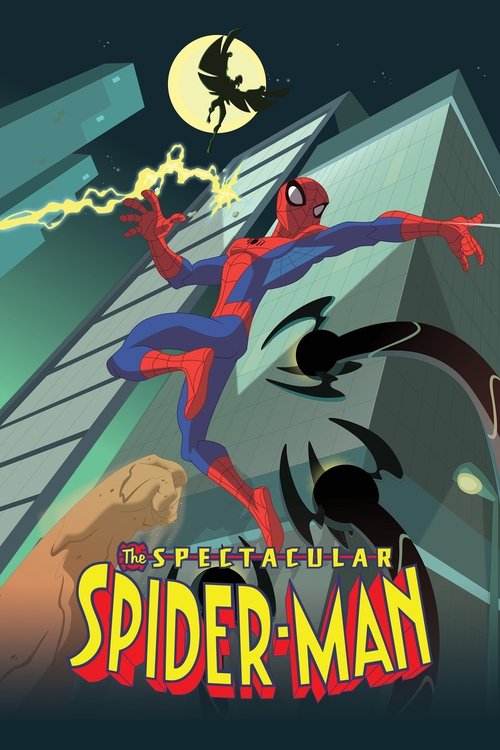
 Josh Keaton

 Sam Vincent
 Shannon Chan-Kent
 Cathy Weseluck
 Colin Murdock


 Chika Sakamoto
 Chiharu Tezuka
 Yuuko Sasamoto
 Rika Komatsu
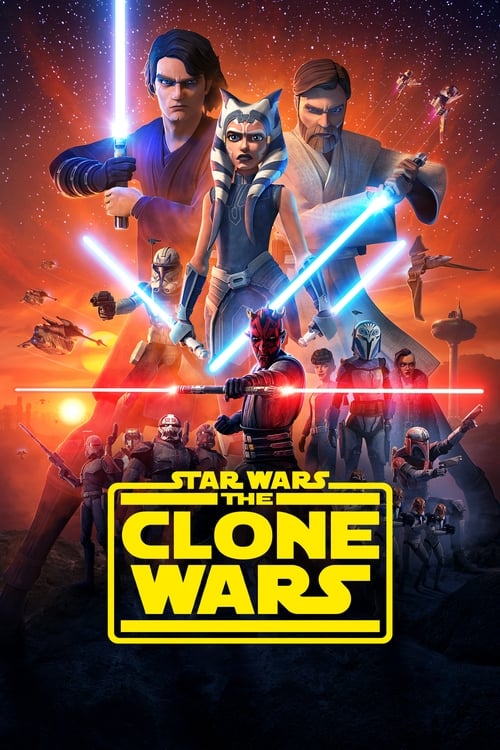

 Su Shangqing
 Qiege Qin

 Sanshi
 Duan Yixuan
 Liangwei Hu
 Ma Zhengyang
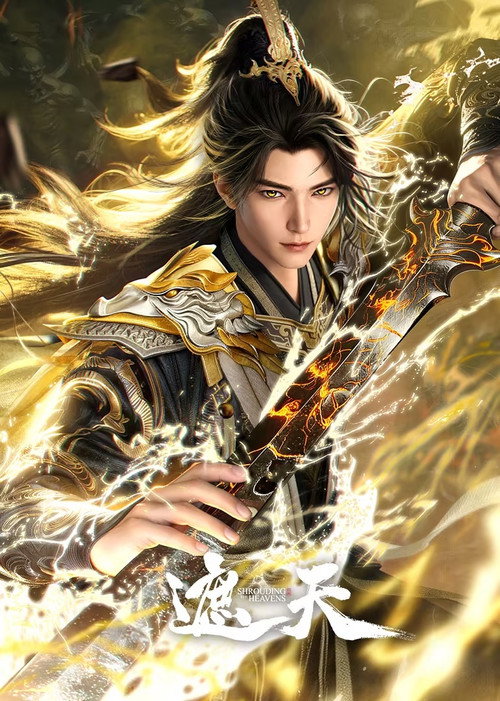
 Zhao Qianjing
 Li Chanfei
 Xiang Xu
 Lei Wu

 Haiting Cai
 Jiang Qiuzai
 Li Shimeng
 Nie Xiying

 Yang Chaoran
 Bingtian Wang
 Yujin Chen
 Yanyi Chen


 Daisuke Kishio
 Makiko Ohmoto
 Mitsuki Saiga
 Takuma Suzuki



 Kevin Conroy

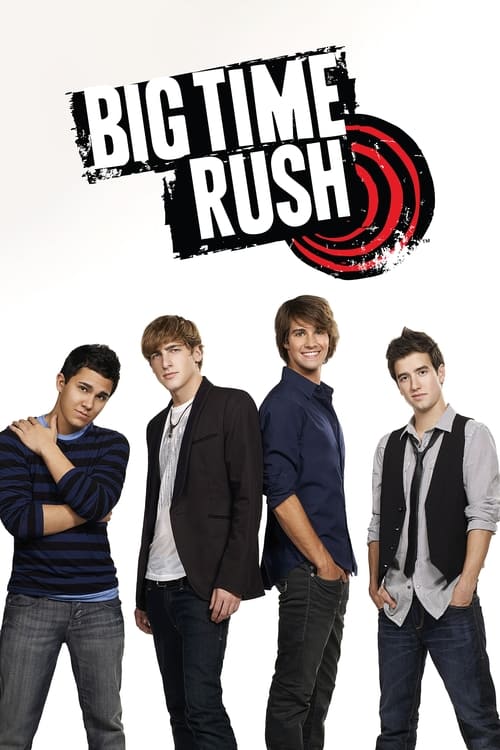
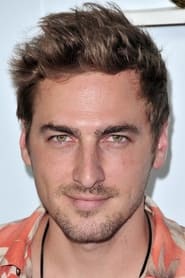 Kendall Schmidt
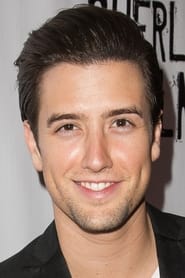 Logan Henderson
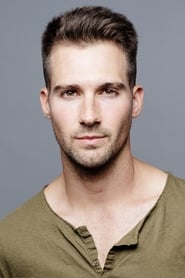 James Maslow
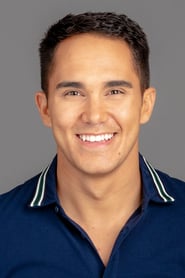 Carlos PenaVega

 Todd Asayer
 Melissa Gedeu00f3n
 Alan Ituriel
 Mark Fischbach





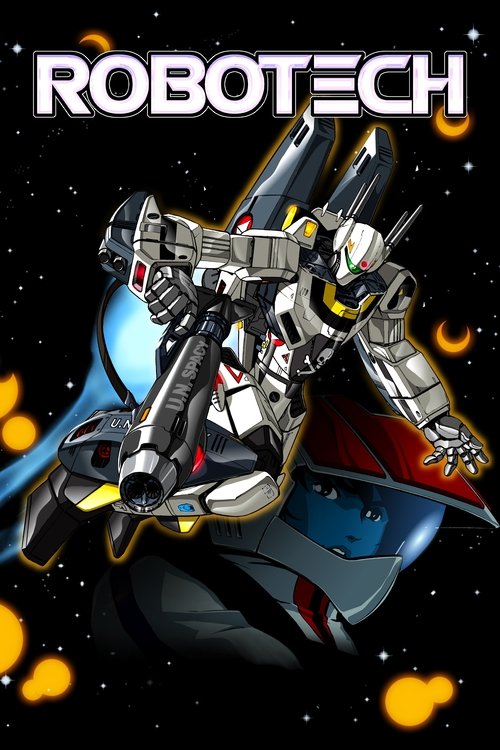
 Cam Clarke
 Gregory Snegoff
 Melanie MacQueen


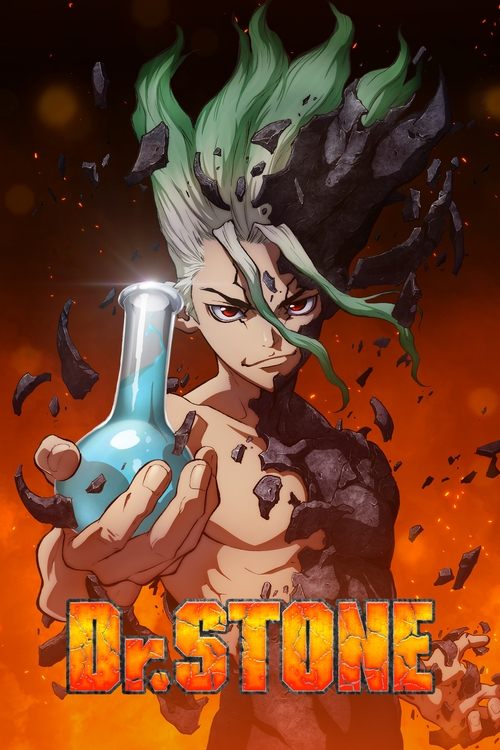
 Yusuke Kobayashi
 Makoto Furukawa
 Kana Ichinose
 Manami Numakura
 Makoto Furukawa
 Aoi Koga
 Konomi Kohara
 Ryota Suzuki



 Mayo Suzukaze
 Miki Fujitani
 Mina Tominaga
 Yuji Ueda

 Yuto Uemura
 Shunsuke Takeuchi


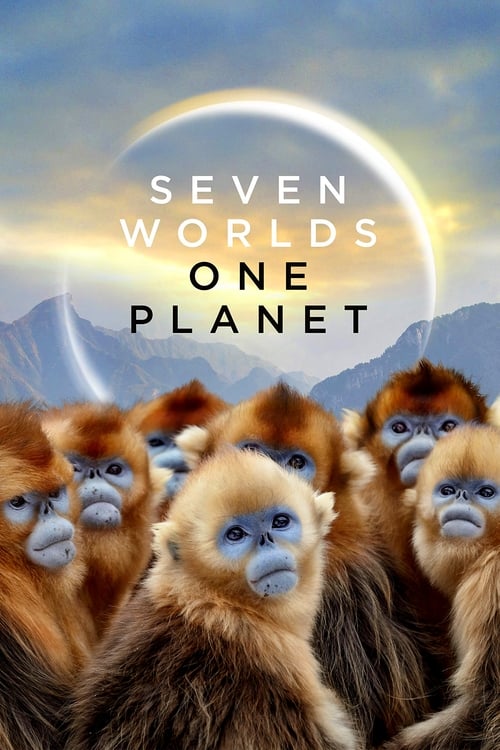
 David Attenborough
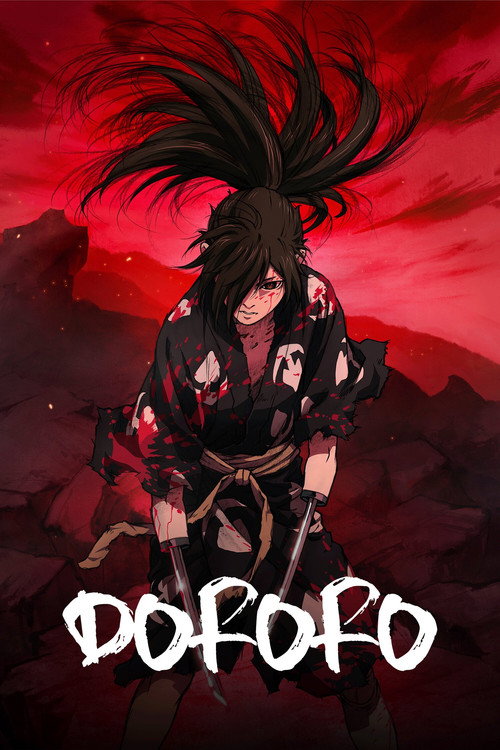
 Rio Suzuki
 Hiroki Suzuki
 Naoya Uchida
 Akio Otsuka


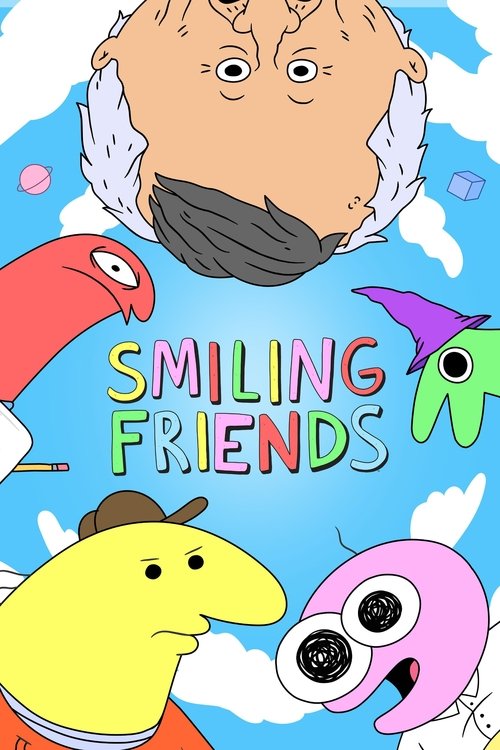
 Michael Cusack
 Zach Hadel
 Marc Moceri


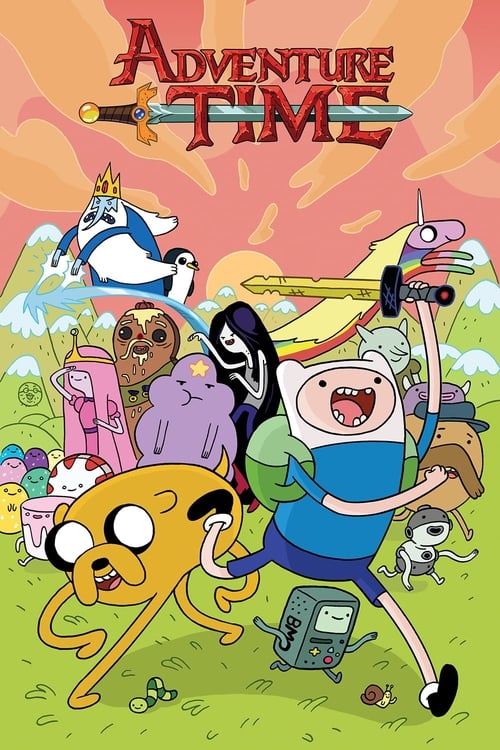





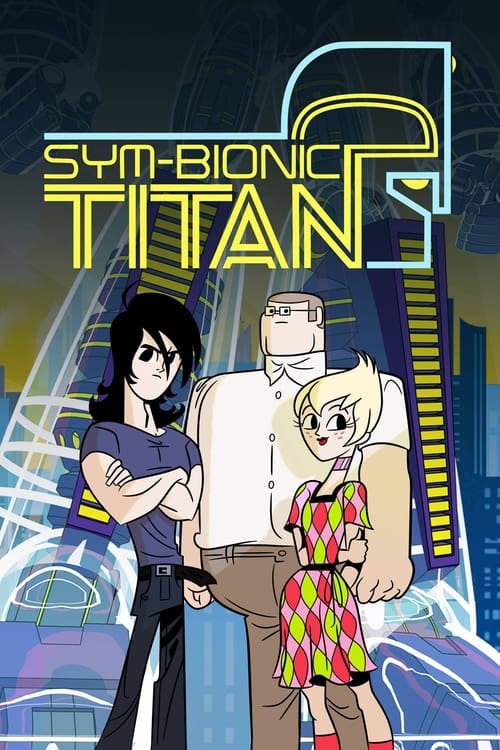
 Brian Posehn
 Tara Strong


 Kenichirou Matsuda
 Shion Wakayama
 Taito Ban
 Miku Ito

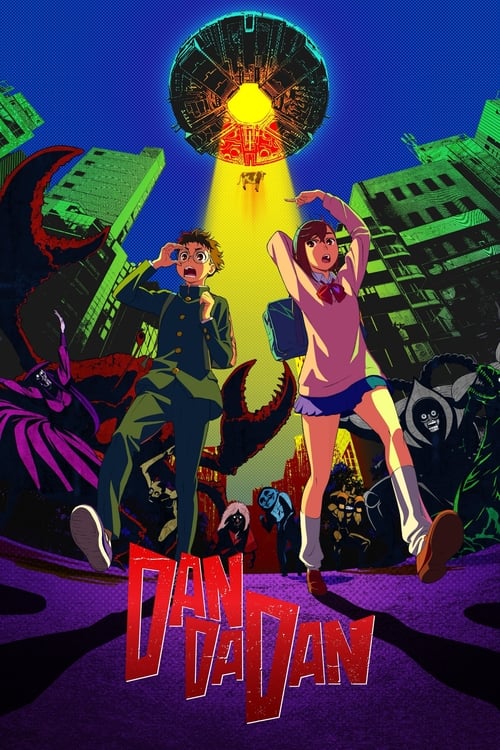

 Hiiro Ishibashi
 Junya Enoki
 Ayumu Murase
Shunsuke Takeuchi
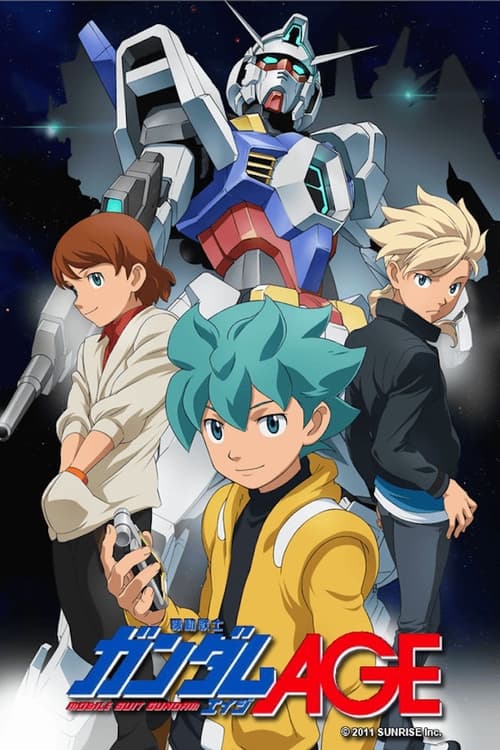


 Masaya Matsukaze
 Eri Tanaka

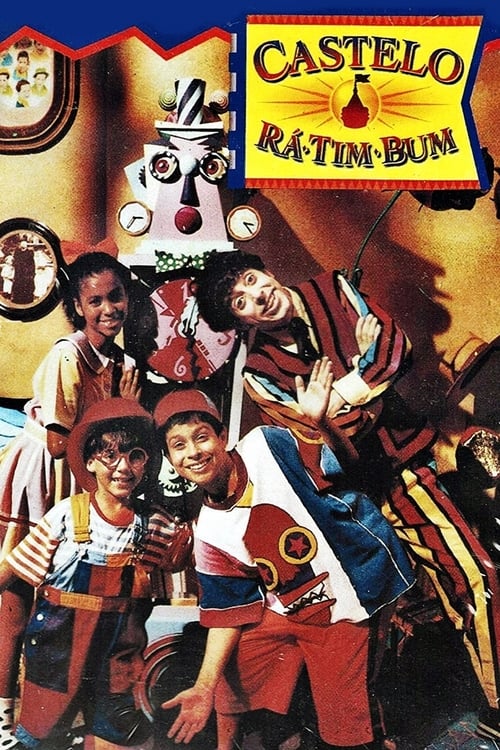
 Cu00e1ssio Scapin
 Cinthya Rachel
 Luciano Amaral
 Fredy Au0301llan

 Will Arnett
 Aaron Paul
 Alison Brie
 Amy Sedaris


 Erika Sawajiri
 Hiroko Yakushimaru
 Ryo Nishikido
 Riko Narumi




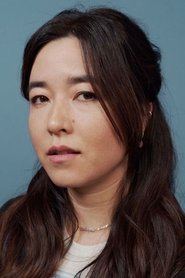 Maya Erskine
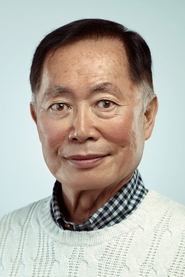 George Takei
 Masi Oka
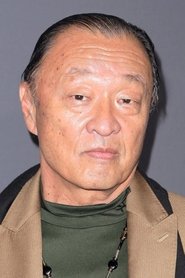 Cary-Hiroyuki Tagawa
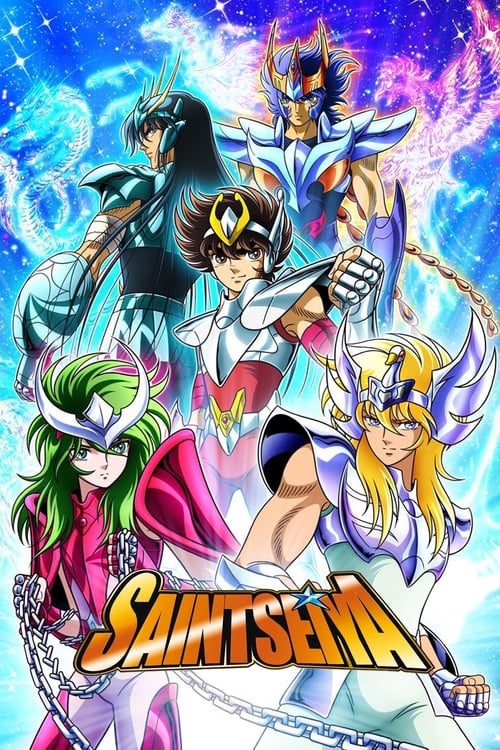
 Toru Furuya
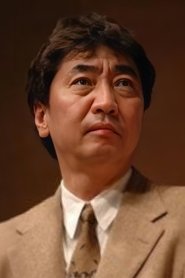 Hirotaka Suzuoki
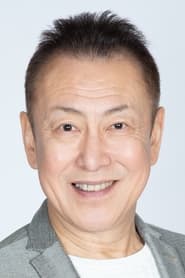 Ryo Horikawa
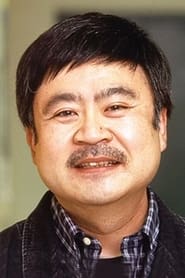 Koichi Hashimoto
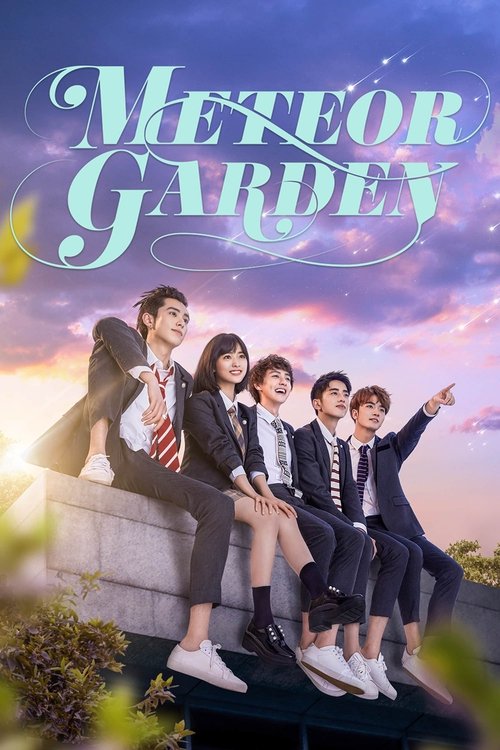
 Shen Yue
 Dylan Wang
 Darren Chen
 Liang Jingkang
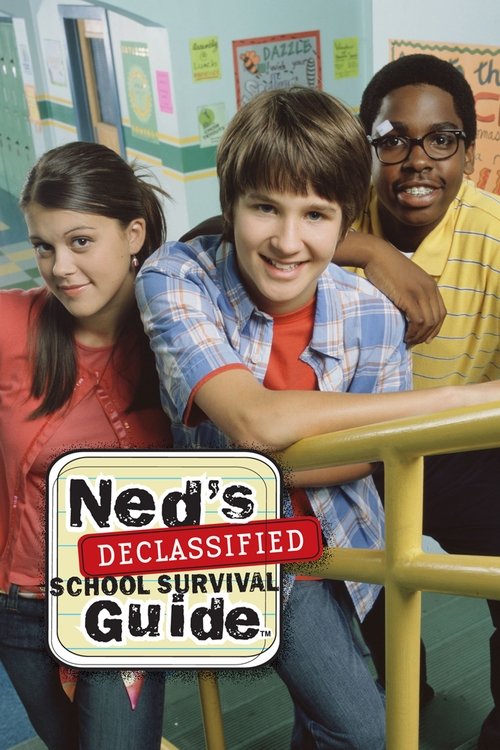
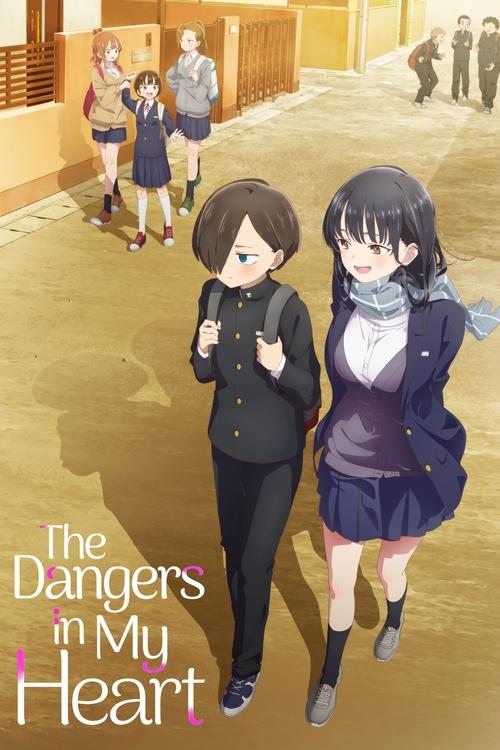
 Shun Horie
 Hina Youmiya

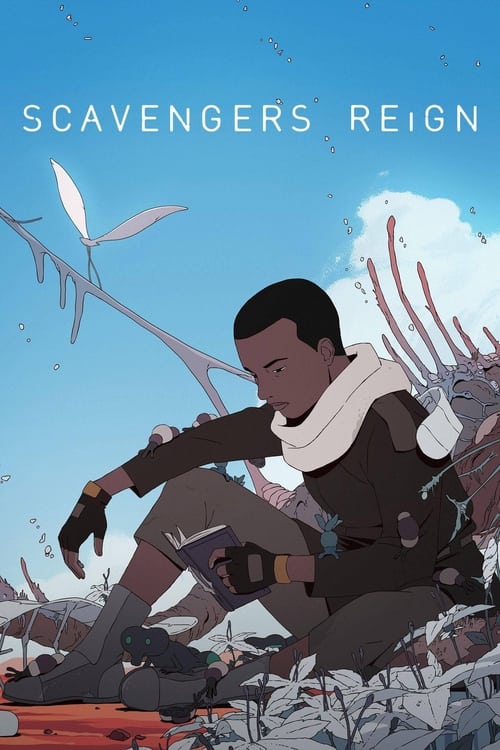
 Sunita Mani
 Wunmi Mosaku
 Alia Shawkat
 Bob Stephenson


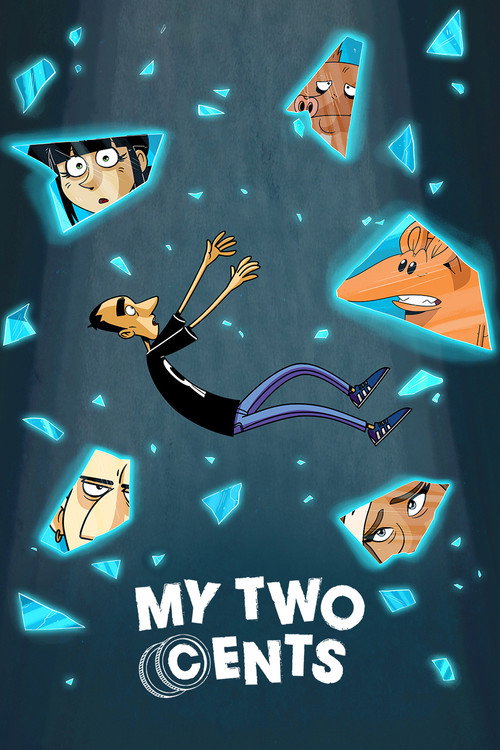
 Zerocalcare
 Valerio Mastandrea



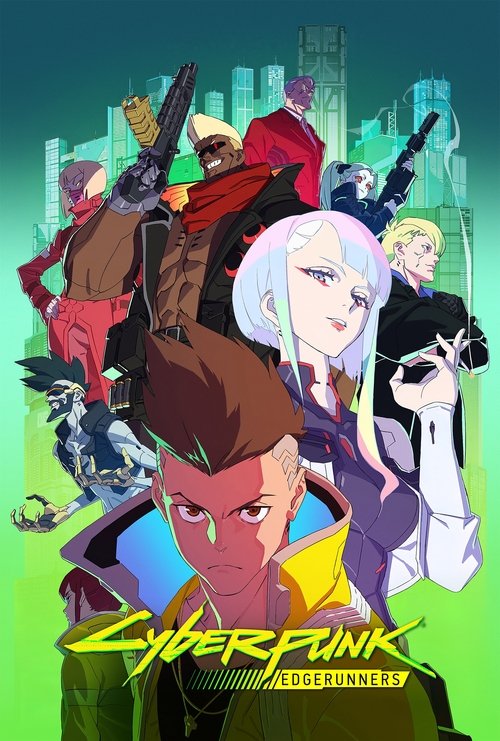
 KENN
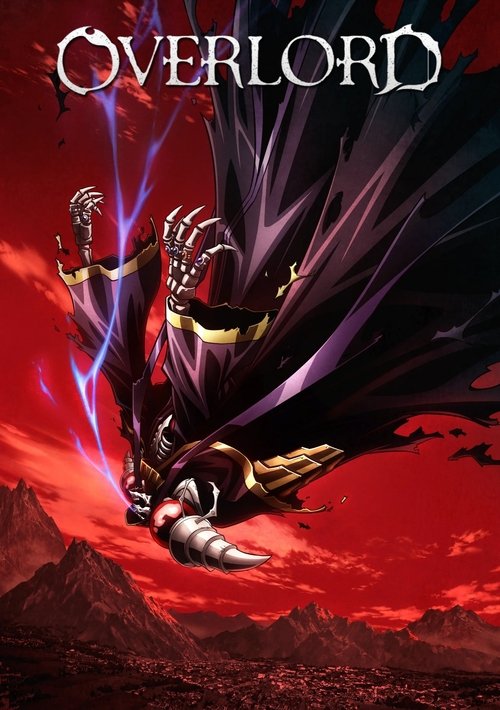

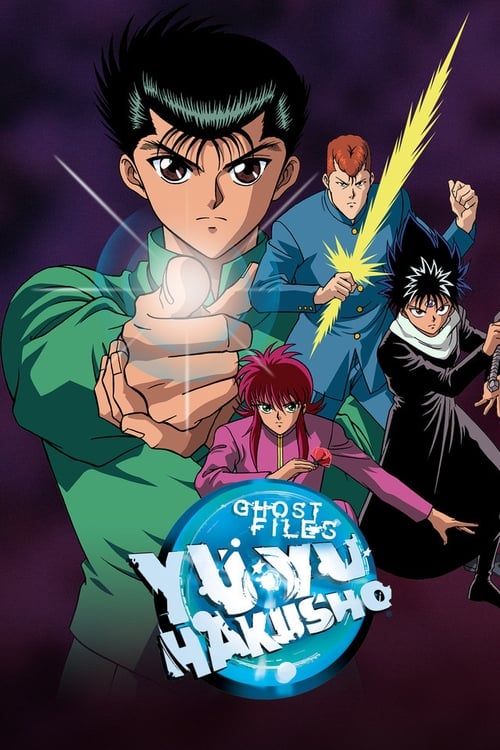
 Nozomu Sasaki
 Shigeru Chiba
 Megumi Ogata
 Nobuyuki Hiyama




 Rob Paulsen
 Jess Harnell
 Tress MacNeille
 Maurice LaMarche





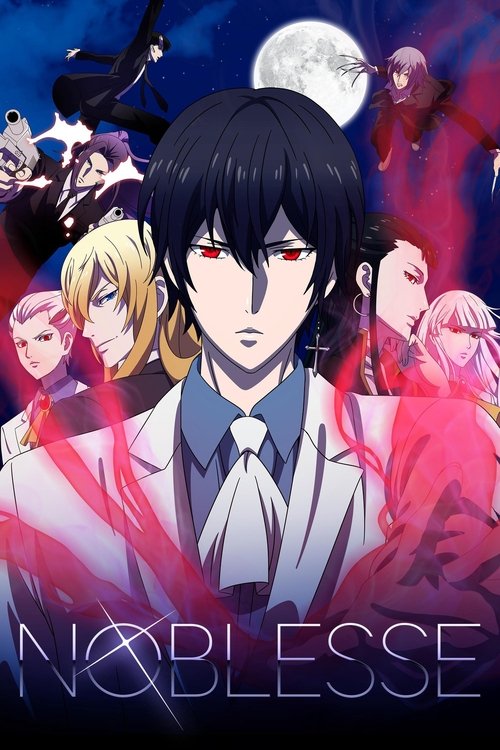
 Akihisa Wakayama
 Hiroki Yamada
 Daishi Kajita
 Youhei Hamada

 Hina Suguta
 Shoya Ishige







 Junko Takeuchi
 Kanako Mitsuhashi
 Yuki Kaida
 Hozumi Goda



 Mishu Sabbir
 Ziaul Hoque Polash
 Chashi Alam
 Sabila Nur


 Danish Taimoor
 Minal Khan
 Babar Ali


 Hana Hishikawa
 Nana Kawaishi
 Rica Fukami
Ayumu Murase
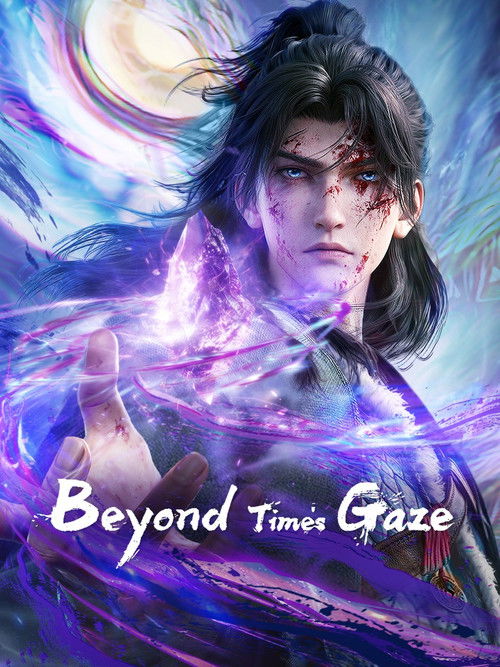
 Chen Zhangtaikang
 Ling Zhenhe
 Chang Wentao
 Shuxin Wan

 Hwang Chang-yung
 Lee Yu-ri
 Min Eung-sik
 Shim Kyu-hyuck

 Sebastiu00e1n Martu00ednez
 Juliette Pardau
 Hanny Vizcaino
 Carlos Camacho

 u015eebnem Su00f6nmez
 Engin Alkan
 Tuba Erdem
 Ayu00e7a Mutlugil

 Joe Odagiri
 Shingo Katsurayama
 Kazumi Murata
 Kitaro

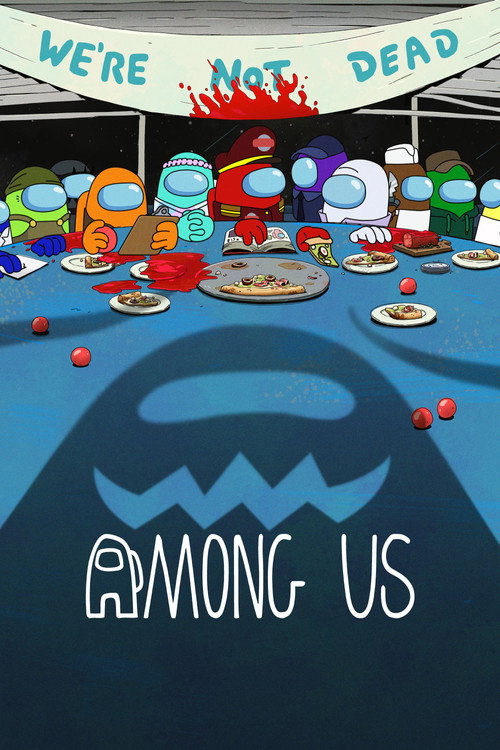
 Yvette Nicole Brown
 Kimiko Glenn
 Liv Hewson
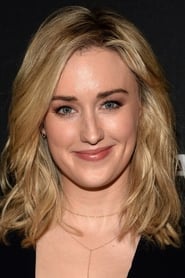 Ashley Johnson


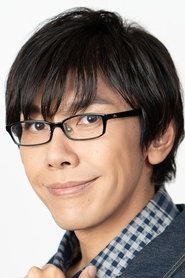 Takuya Sato
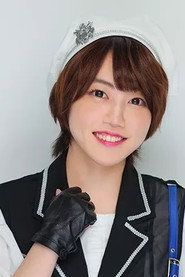 Seena Hoshiki
 Toa Yukinari
 Megumi Toyoguchi

 Arjit Taneja
 Samiksha Jaiswal
 Amrapali Gupta

 Krishna Bharadwaj
 Priyamvada Kant
 Nimisha Vakharia
 Aditya Redij


 Sumedh Mudgalkar
 Mallika Singh
 Basant Bhatt
 Tarun Khanna

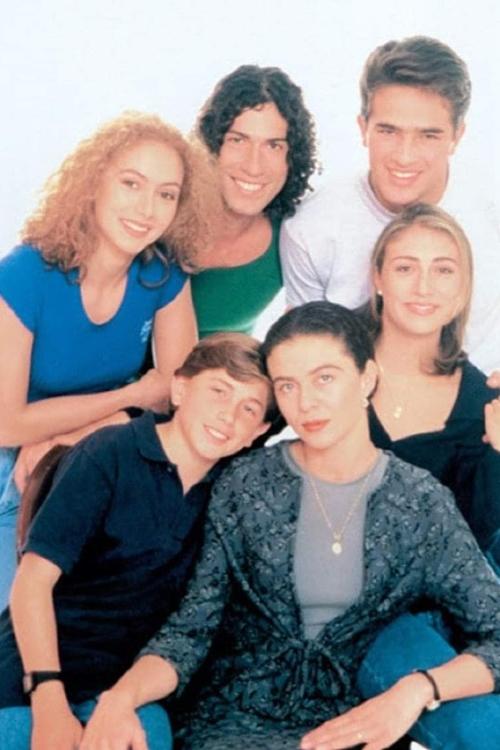
 Margarita Rosa de Francisco
 Alberto Pujol
 Teresa Gutiu00e9rrez

 Akira Sekine
 Ami Koshimizu
Houko Kuwashima
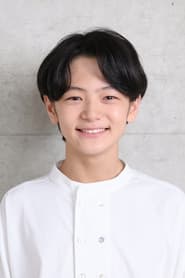 Jun Saito

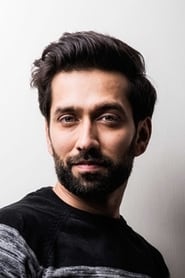 Nakuul Mehta
 Surbhi Chandna
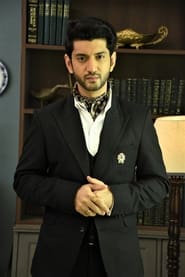 Kunal Jaisingh
 Shrenu Parikh

 Nittha Jirayungyurn
 Prin Suparat
 Rachwin Wongviriya

 Lim Ju-hwan
 Kang So-ra
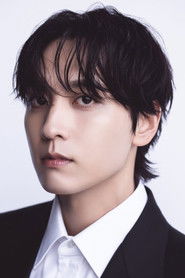 Choi Tae-joon
 Shin So-yul


 Su Shangqing
Li Shimeng
 Guo Haoran
 Qiao Shiyu
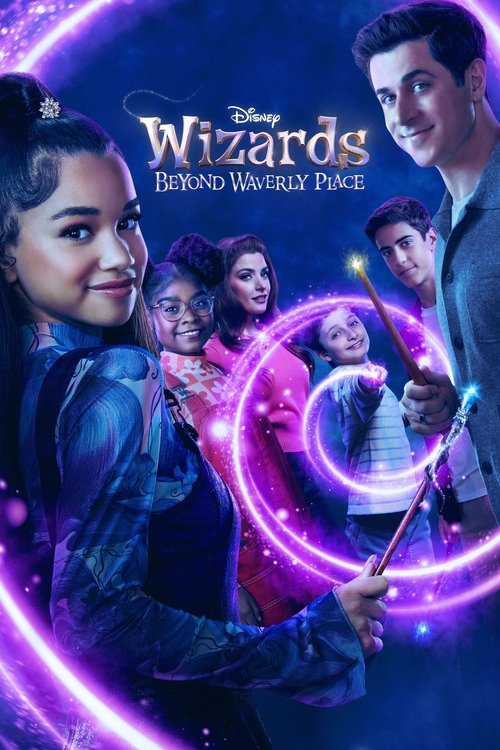
 Janice LeAnn Brown
 Alkaio Thiele
 Max Matenko
 Taylor Cora


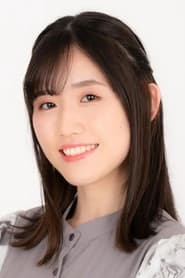 Ikumi Hasegawa
Kana Ichinose
 Sayaka Senbongi
 Shino Shimoji

 Chen Xiang Sheng
 Poon Kit
 Phoebe Zhang Ying
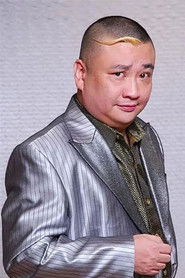 u9648u575au96c4



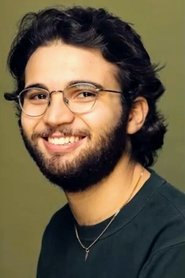 Zach Tyler Eisen
 Mae Whitman
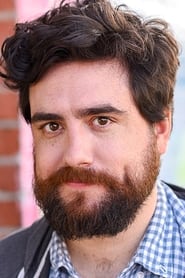 Jack De Sena
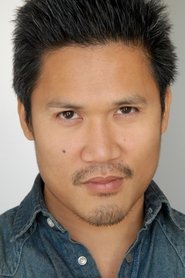 Dante Basco
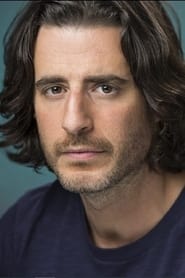 Jonathan Roumie
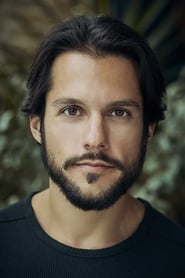 Shahar Isaac
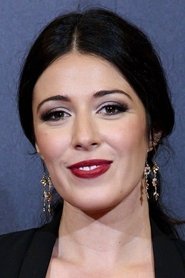 Elizabeth Tabish
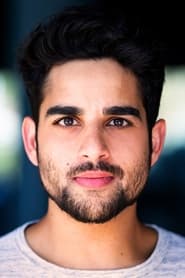 Paras Patel