Show Adult Titles
Show Adult Posters & Images

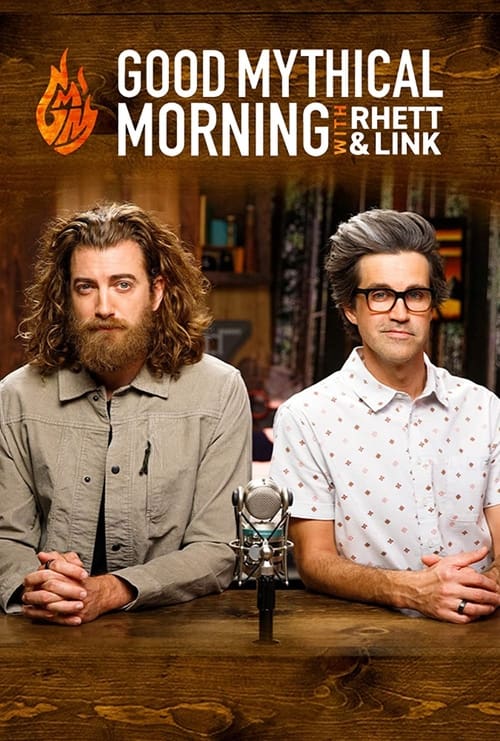
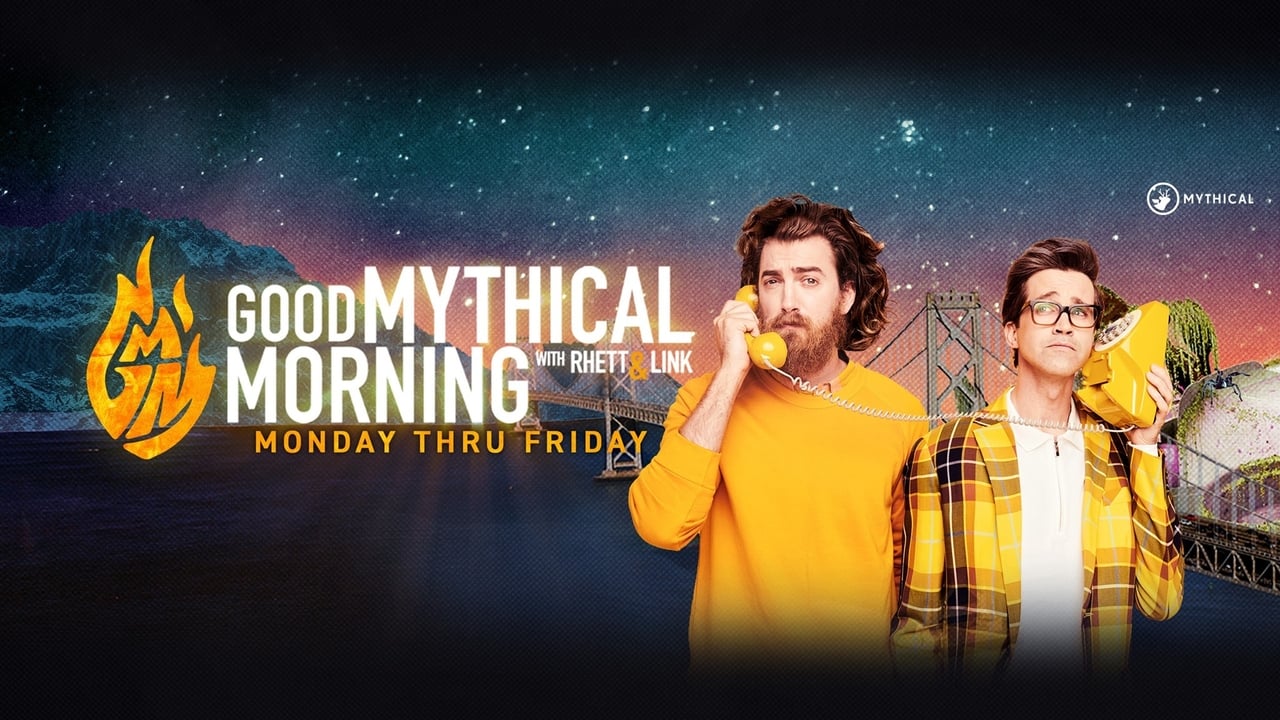
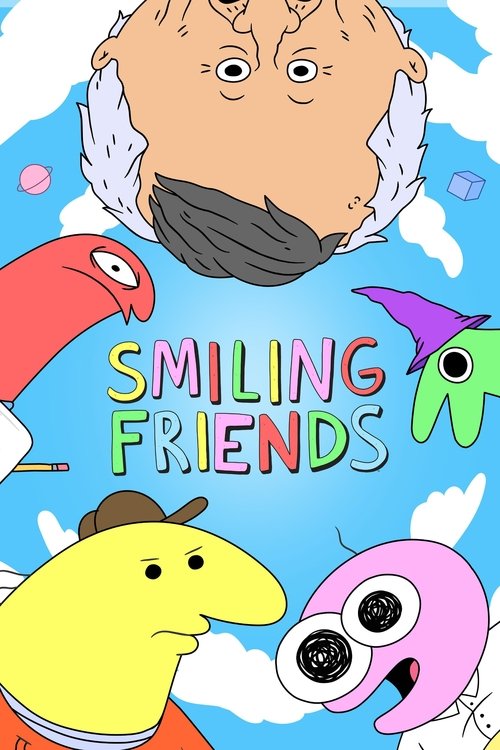
Two "Internetainers" (Rhett & Link) go far out and do the weirdest things, giving you a daily dose of casual comedy every Monday-Friday.
 Amazon Prime Video
 Amazon Prime Video with Ads
 YouTube Premium


This section contains spoilers
The full plot reveals key story details including the ending.


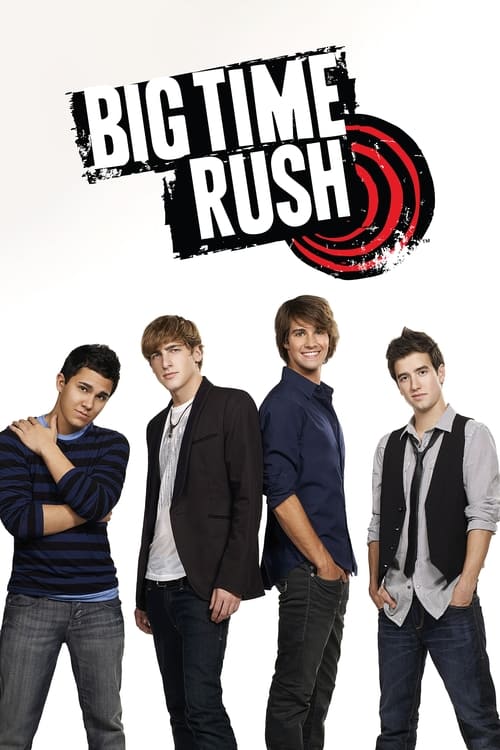
 Kendall Schmidt
 Logan Henderson
 James Maslow
 Carlos PenaVega

 Makoto Furukawa
 Aoi Koga
 Konomi Kohara
 Ryota Suzuki
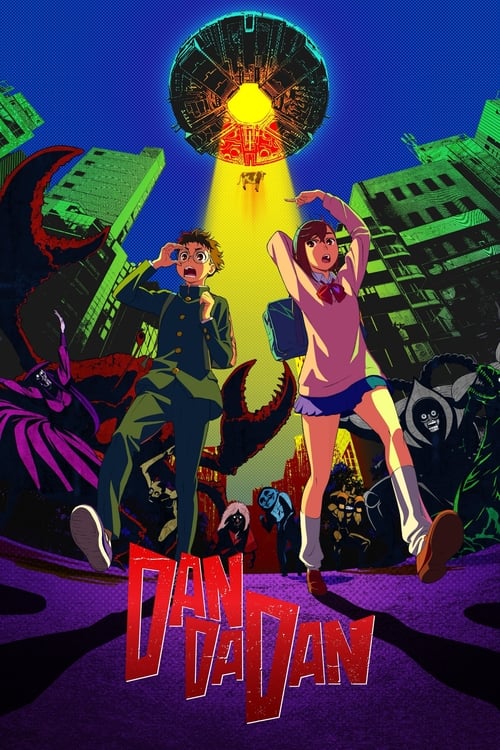

 Lee Jung-eun
 Jung Eun-ji
 Choi Jin-hyuk
 Yoon Byung-hee
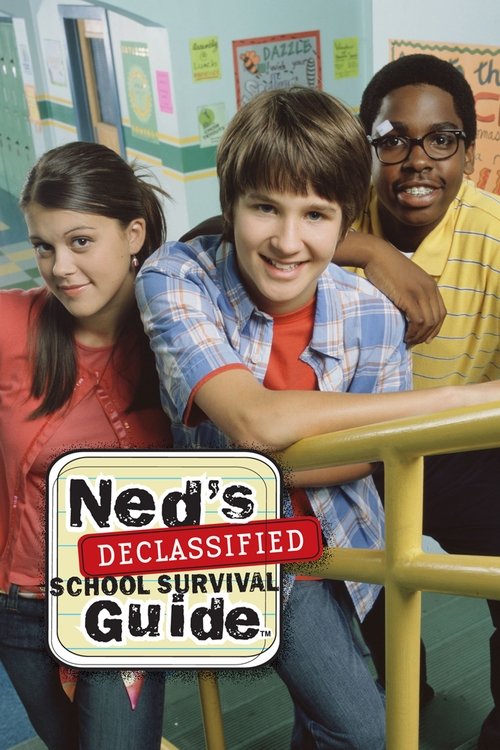

 Mariko Honda
 Mai Aizawa
 Misuzu Togashi
 Shizuka Furuya

 Yukimasa Kishino
 Yuka Imai
 Chinami Nishimura
 Jun'ichi Kanemaru

 Kim Seon-ho
 Go Youn-jung
 Sota Fukushi
 Lee E-dam

 Kim Soo-hyun
 Kim Ji-won
 Park Sung-hoon
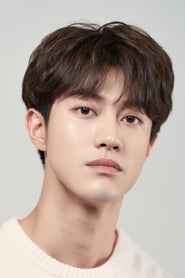 Kwak Dong-yeon
 Choi Jin-hyuk
 Park Ju-hyun
 Hwang Bo-ra
 Kwon Hwa-woon

 Lee Jae-wook
 Shin Ye-eun
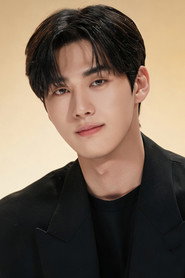 Hong Min-gi
 Lee Soo-kyung

 Rathavit Kijworalak
 Phiravich Attachitsataporn
 Tanapon Sukumpantanasan
 Napat Na Ranong
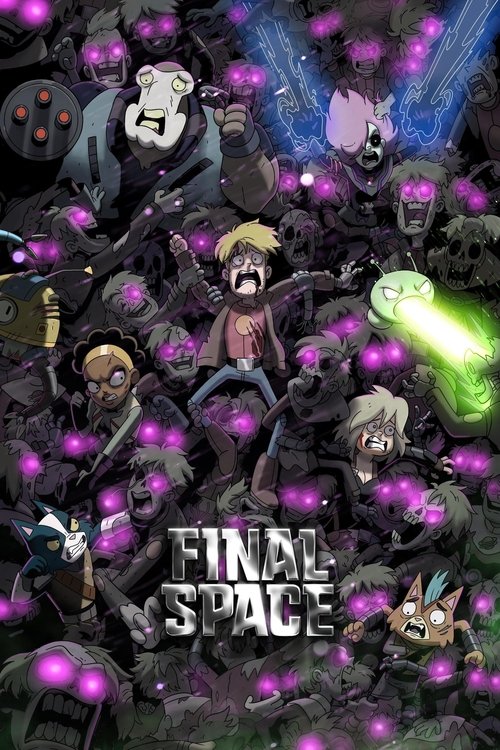
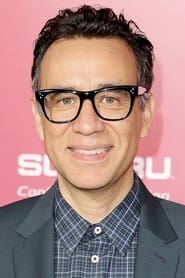 Fred Armisen
 Tom Kenny
 Olan Rogers
 Coty Galloway
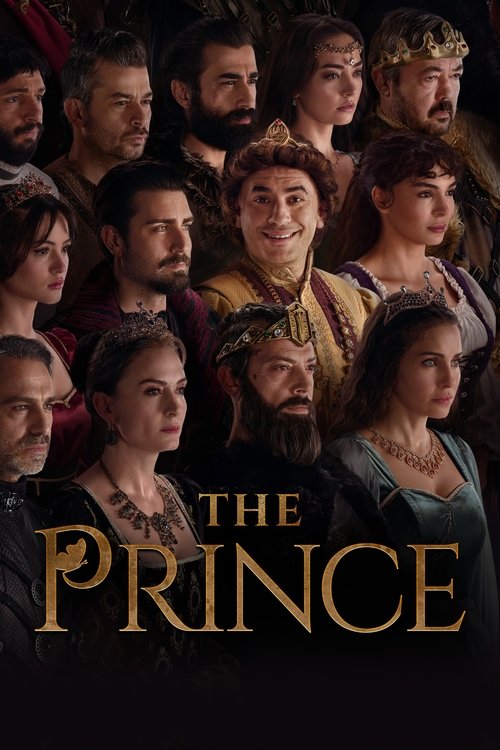
 Giray Altu0131nok
 Ceyda Du00fcvenci
 Serdar Oru00e7in
 u00c7au011fdau015f Onur u00d6ztu00fcrk

 Jang Ye-na
 Kim Eun-ah
 Kim Ga-ryung

 Johnny Depp
 Stefano Brusa


 Fangling Huang
 Tong Yue
 Wang Jingchun
 Yao Chen

 Tawan Vihokratana
 Thitipoom Techaapaikhun
 Tanutchai Wijitvongtong
 Phudtripart Bhudthonamochai

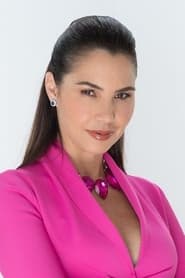 Paola Toyos
 Ivonne Montero
 Gaby Espino
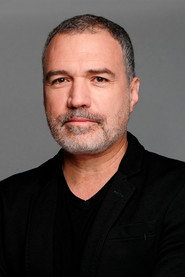 Salvador del Solar

 Mishu Sabbir
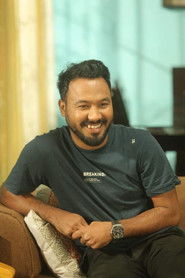 Ziaul Hoque Polash
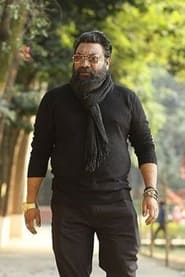 Chashi Alam
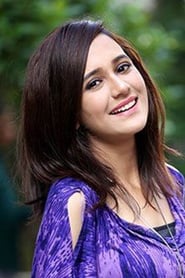 Sabila Nur


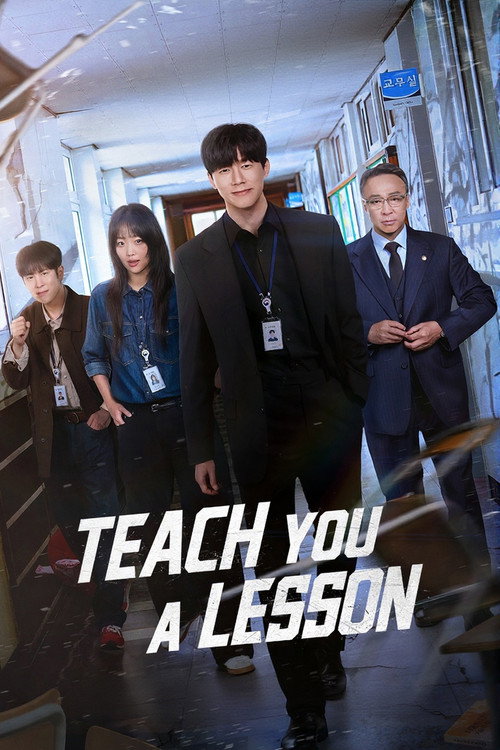
 Kim Moo-yul
 Lee Sung-min
 Jin Ki-joo
 Pyo Ji-hoon

 Sebastiu00e1n Martu00ednez
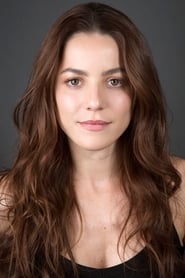 Juliette Pardau
 Hanny Vizcaino
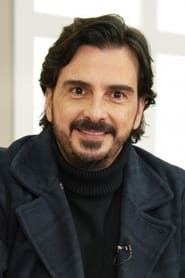 Carlos Camacho
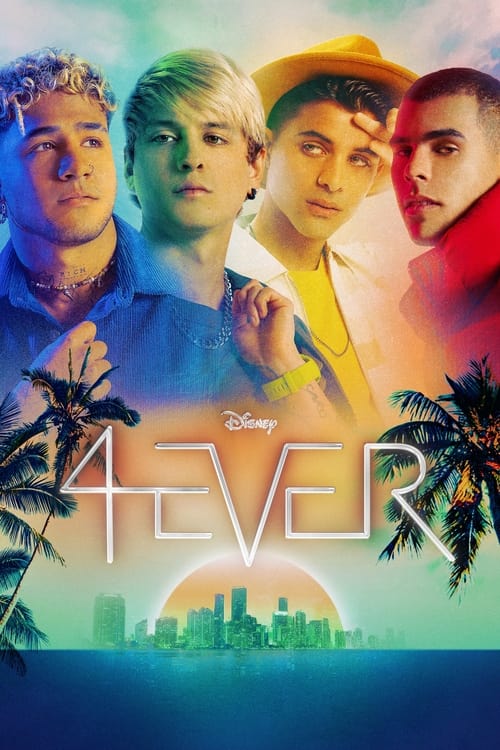
 Christopher Vu00e9lez
 Zabdiel De Jesu00fas
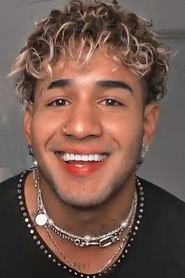 Richard Camacho
 Erick Brian Colu00f3n

 Kanyaphat Na Nakhon
 Yada Watcharamusik
 Orntara Poolsak
 Kunjiranut Intarasin

 u015eebnem Su00f6nmez
 Engin Alkan
 Tuba Erdem
 Ayu00e7a Mutlugil

 Jumpol Adulkittiporn
 Atthaphan Phunsawat
 Ochiris Suwanacheep
 Trai Nimtawat

 Wanpichit Nimitparkpoom
 Suppakarn Jirachotikul
 Chatchapon Pranotphong
 Thanaphat Tansakul
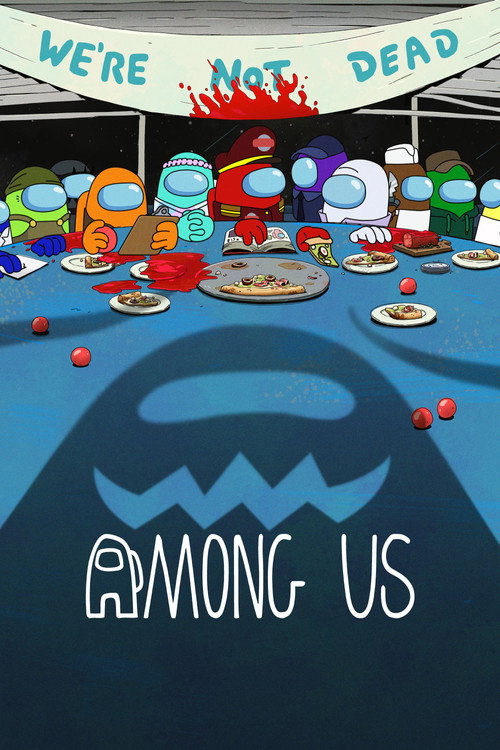
 Yvette Nicole Brown
 Kimiko Glenn
 Liv Hewson
 Ashley Johnson

 Becky Armstrong
 Sarocha Chankimha
 Asavarid Pinitkanjanapun
 Urassaya Malaiwong
 Matheus Nachtergaele
 Selton Mello
 Fernanda Montenegro
 Rogu00e9rio Cardoso

 Ployshompoo Supasap
 Prariyapit Yu
 Ploynira Hiruntaveesin
 Rutricha Phapakithi

 Seo In-guk
 Park Ji-hyun
 Kang Mi-na
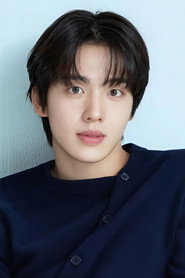 Won Gyu-bin

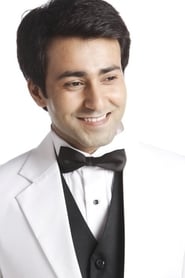 Krishna Bharadwaj
 Priyamvada Kant
 Nimisha Vakharia
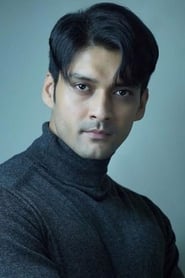 Aditya Redij

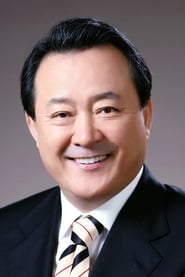 Noh Joo-hyun
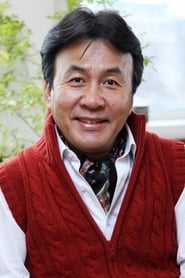 Park Young-kyu
 Hong Ri-na
 Lee Eung-kyung


 Sumedh Mudgalkar
 Mallika Singh
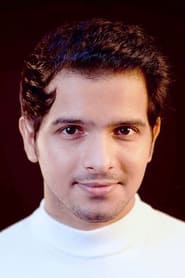 Basant Bhatt
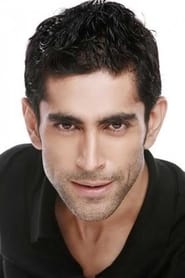 Tarun Khanna

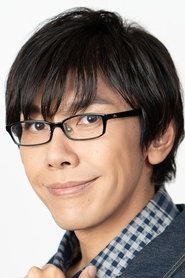 Takuya Sato
 Seena Hoshiki
 Toa Yukinari
 Megumi Toyoguchi

 Nittha Jirayungyurn
 Prin Suparat
 Rachwin Wongviriya

 IU
 Byeon Woo-seok
 Steve Sanghyun Noh
 Gong Seung-yeon

 Lim Ju-hwan
 Kang So-ra
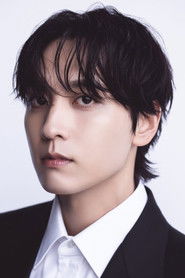 Choi Tae-joon
 Shin So-yul

 Naravit Lertratkosum
 Phuwin Tangsakyuen
 Supha Sangaworawong
 Pongsapak Udomphoch
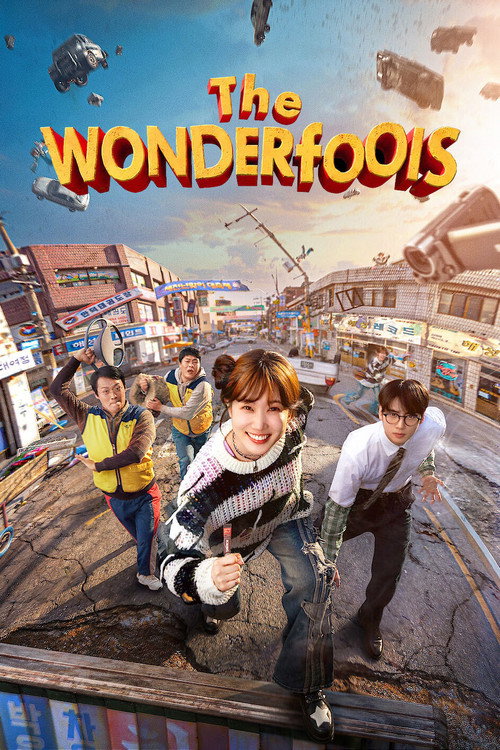
 Park Eun-bin
 Cha Eun-woo
 Choi Dae-hoon
 Im Sung-jae
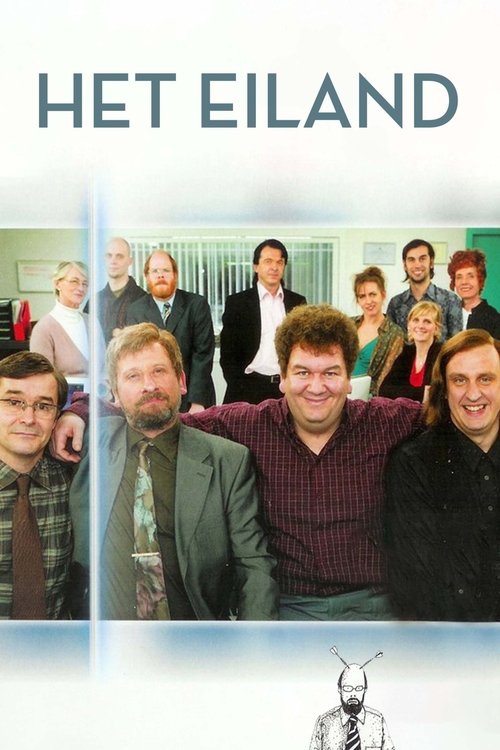
 Frank Focketyn
 Dirk van Dijck
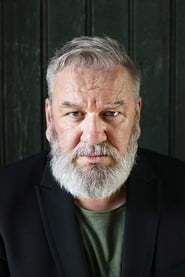 Wim Opbrouck
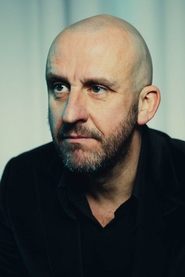 Tom van Dyck
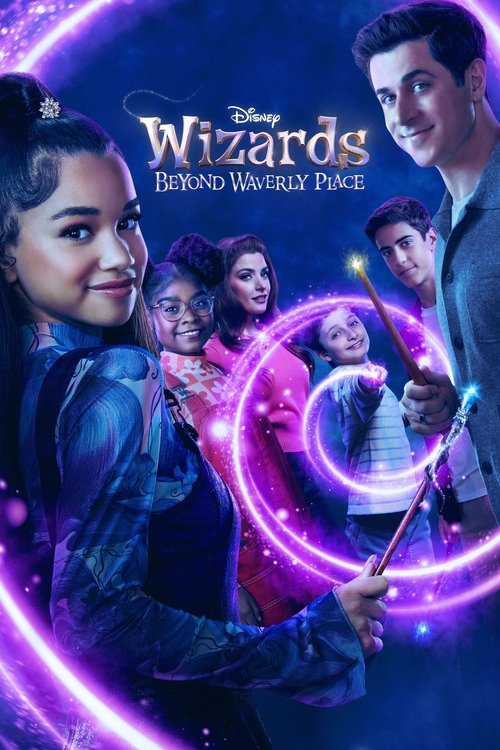
 Janice LeAnn Brown
 Alkaio Thiele
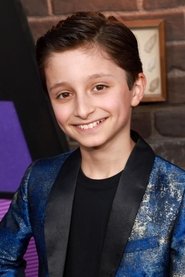 Max Matenko
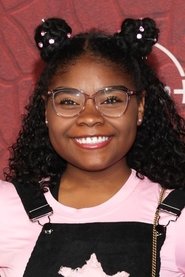 Taylor Cora

 Ra Mi-ran
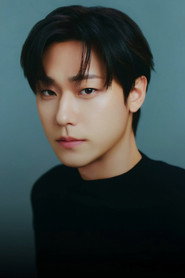 Lee Do-hyun
 Ahn Eun-jin
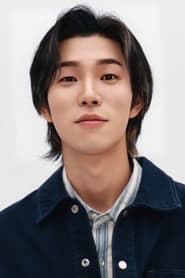 Yoo In-soo

 Kasidet Plookphol
 Jiratchapong Srisang
Tanapon Sukumpantanasan
Pongsapak Udomphoch

 Kim Hyang-gi
 Cha Hak-yeon
 Kim Jae-hyun
 Demian

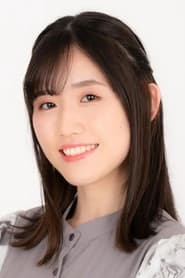 Ikumi Hasegawa
 Kana Ichinose
 Sayaka Senbongi
 Shino Shimoji


 Chen Xiang Sheng
 Poon Kit
 Phoebe Zhang Ying
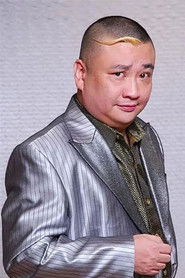 u9648u575au96c4

 Suvijak Piyanopharoj
 Dechchart Tasilp
 Napat Patcharachavalit
 Peerakan Teawsuwan

 Yang Chaoran
 Bingtian Wang
 Yujin Chen
 Yanyi Chen

 Lim Ji-yeon
 Heo Nam-jun
 Jang Seung-jo
 Kim Min-seok

 Burcu u00d6zberk
 u0130lhan u015een
 Mehmet Korhan Fu0131rat
 Gu00fcnay Karacaou011flu


 Nana Mizuki
 Fumie Mizusawa
 Houko Kuwashima
 Aya Hisakawa

 Sapol Assawamunkong
 Sarin Ronnakiat
 Thinnaphan Tantui
 Nattanon Tongsaeng

 Yuko Natsuyoshi
 Misato Matsuoka
 Yurie Funato
 Ayaka Shimizu

 Lee Hye-ri
 Ryu Jun-yeol
 Park Bo-gum
 Go Kyung-pyo

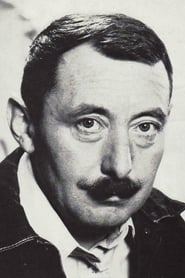 Heinz Schubert
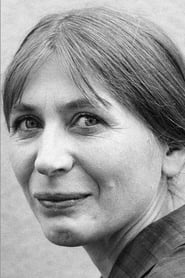 Helga Feddersen
 Hildegard Krekel
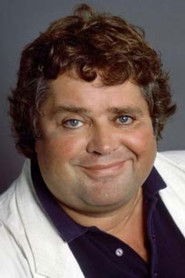 Klaus Dahlen
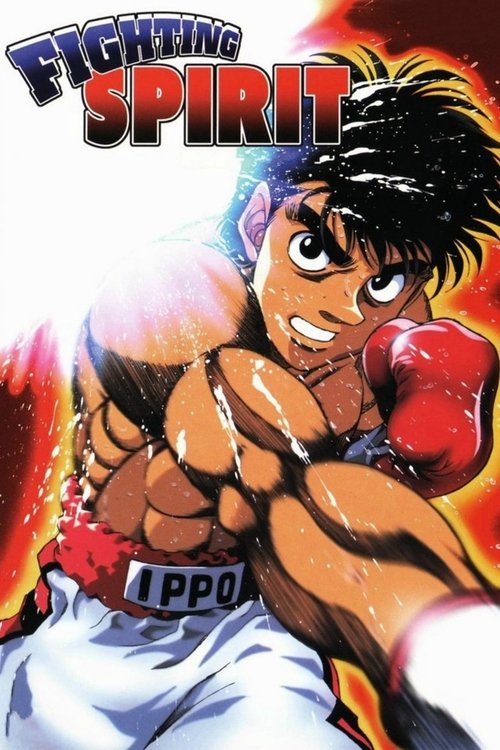

 Lizzie Freeman
 Alex Rochon
 Michael Kovach
 Amanda Hufford
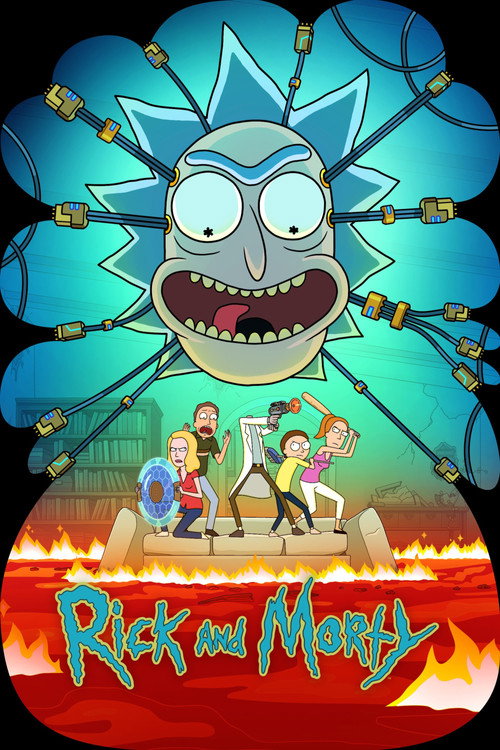
 Chris Parnell
 Spencer Grammer
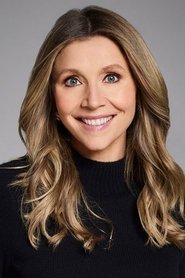 Sarah Chalke
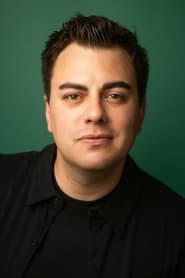 Ian Cardoni

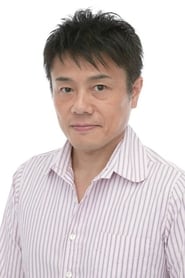 Takeshi Kusao
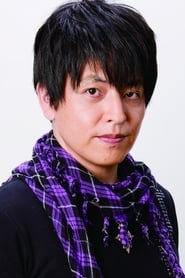 Hikaru Midorikawa
 Kiyoyuki Yanada
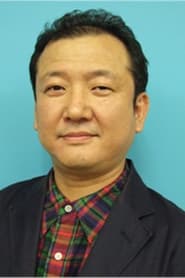 Yoku Shioya

 Sarah-Nicole Robles
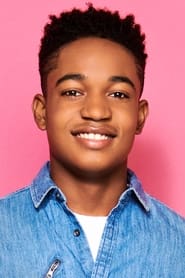 Issac Ryan Brown
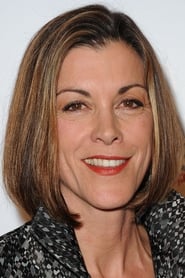 Wendie Malick
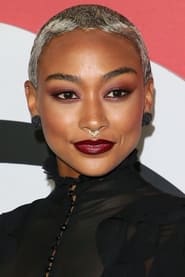 Tati Gabrielle

 Cho Yi-hyun
 Choo Young-woo
 Cha Kang-yoon
 Choo Ja-hyun

 Mariano Gonzu00e1lez
 Sebastiu00e1n Athiu00e9
 Juan David Penagos
 Luan Brum
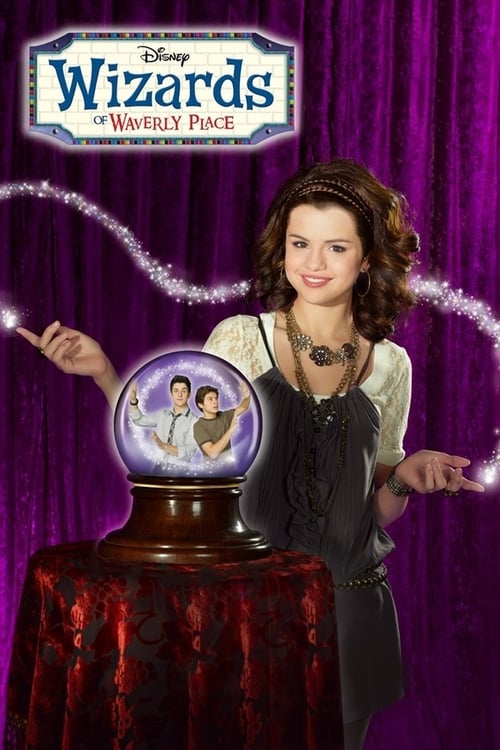
 Selena Gomez
 David Henrie
 Jake T. Austin
 Jennifer Stone
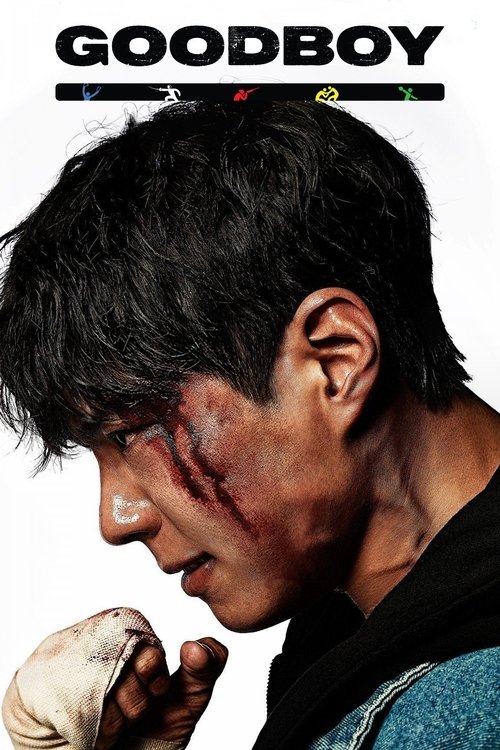

 Yui Horie
 Suzuko Mimori
 Daisuke Namikawa
 Daisuke Kishio

 Ayumu Murase
 Kaito Ishikawa
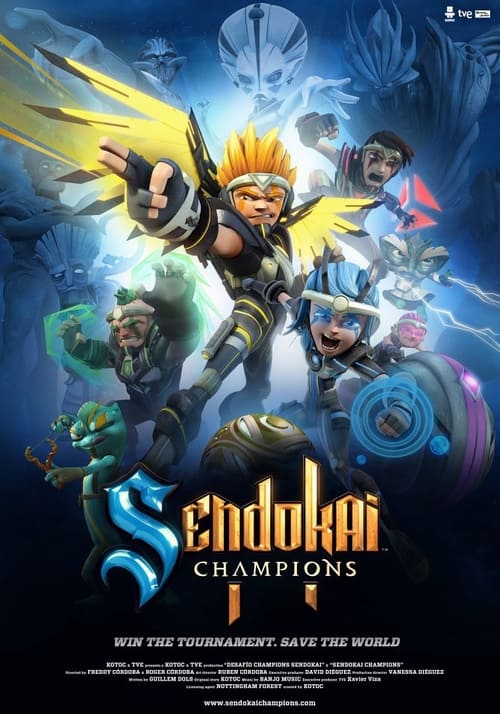
 Alex de Porrata
 Carme Calvell
 David Jenner
 Ariadna Jimu00e9nez

 Francesc Orella
 Carlos Cuevas
 David Solans
 Elisabet Casanovas
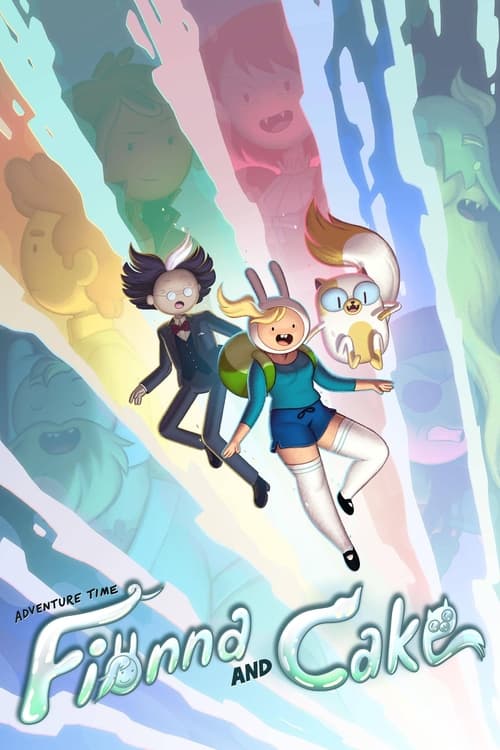
 Madeleine Martin
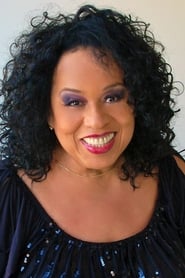 Roz Ryan
 Ashly Burch
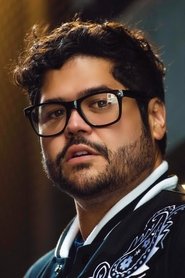 Harvey Guillu00e9n
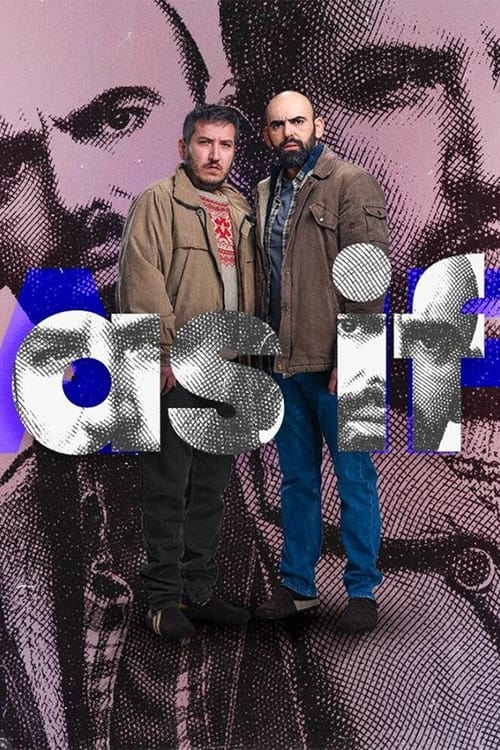
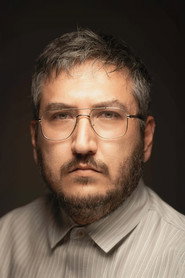 Feyyaz Yiu011fit
 Ku0131vanu00e7 Ku0131lu0131nu00e7
 Ahmet Ku00fcru015fat u00d6u00e7alan

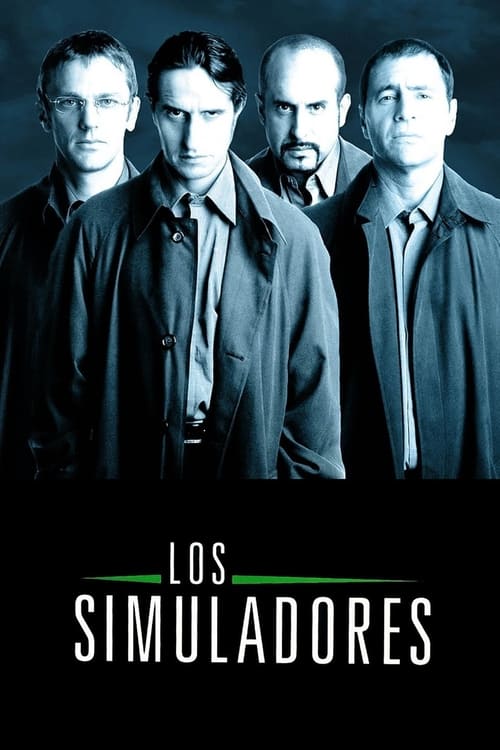
 Diego Peretti
 Sergio Dioguardi
 Jorge D'Elu00eda
 Federico D'Elu00eda
 Burcu u00d6zberk
 u015eu00fckru00fc u00d6zyu0131ldu0131z
 Tuu011frul Tu00fclek
 Aslu0131 Su00fcmen

 Ryutaro Imai
 Maho Horiguchi
 Kenta Mishima
 Rina Onuki


 Gong Yoo
 Kim Go-eun
 Lee Dong-wook
 Yoo In-na

 Rainn Wilson
 John Krasinski
 Jenna Fischer
 Ed Helms

 Ahn Hyo-seop
 Chae Won-bin
 Kim Bum
Yoon Byung-hee
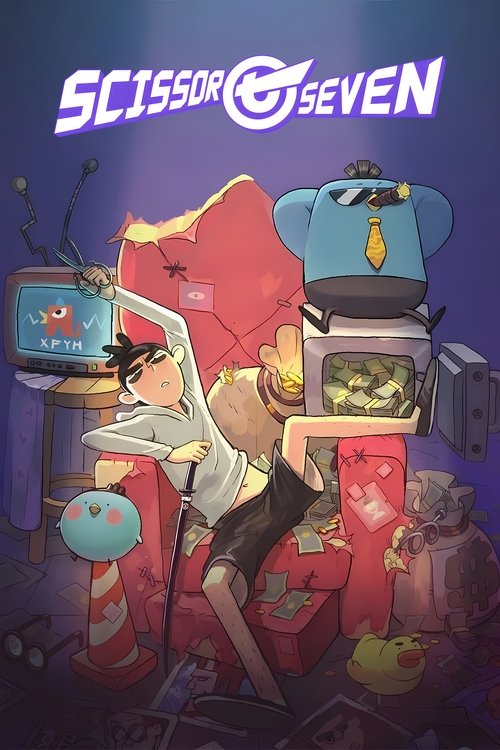
 Xiaofeng He
 Duan Yixuan
 Jiang Guangtao
 Zhao Han

 Chika Sakamoto
 Chiharu Tezuka
 Yuuko Sasamoto
 Rika Komatsu
 Daisuke Kishio
 Makiko Ohmoto
 Mitsuki Saiga
 Takuma Suzuki
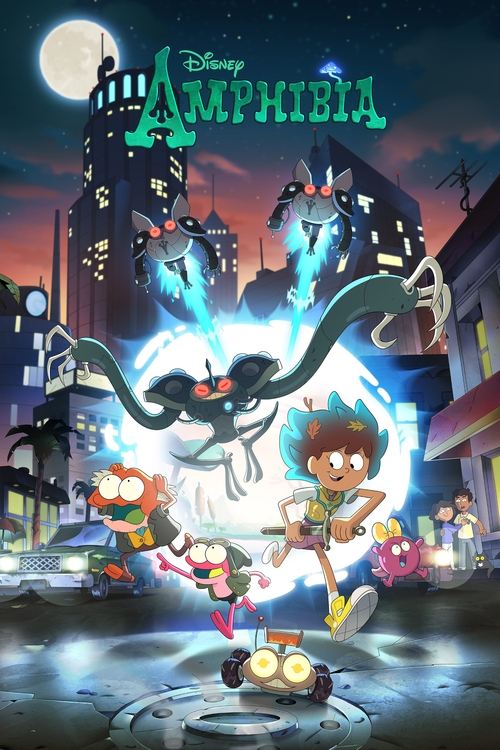
 Brenda Song
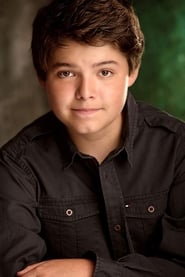 Justin Felbinger
 Amanda Leighton
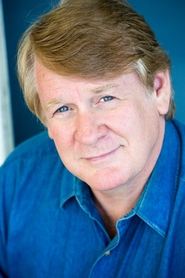 Bill Farmer

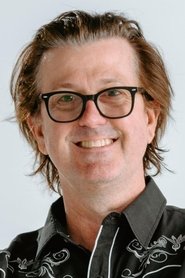 Dave McCormack
 Melanie Zanetti

 Minhyun
 Lee Jong-hyun
 Gong Do-yu
 Shin Su-hyun
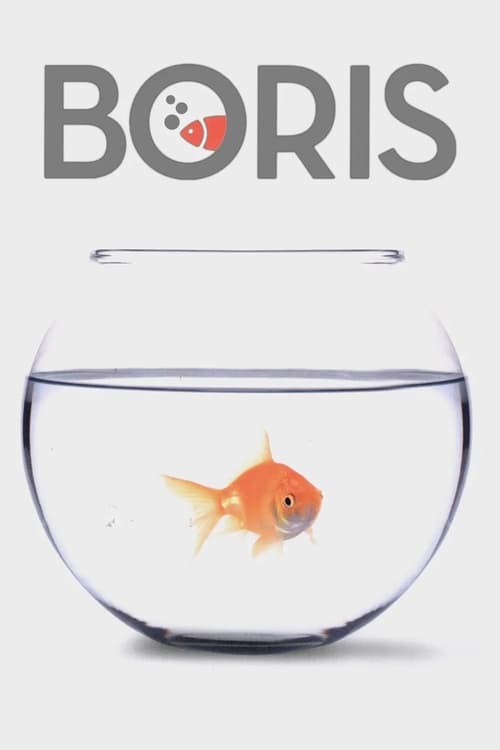
 Francesco Pannofino
 Alessandro Tiberi
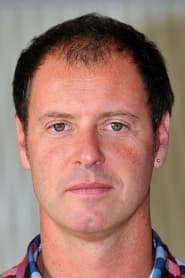 Pietro Sermonti
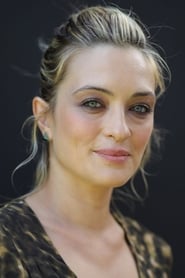 Carolina Crescentini

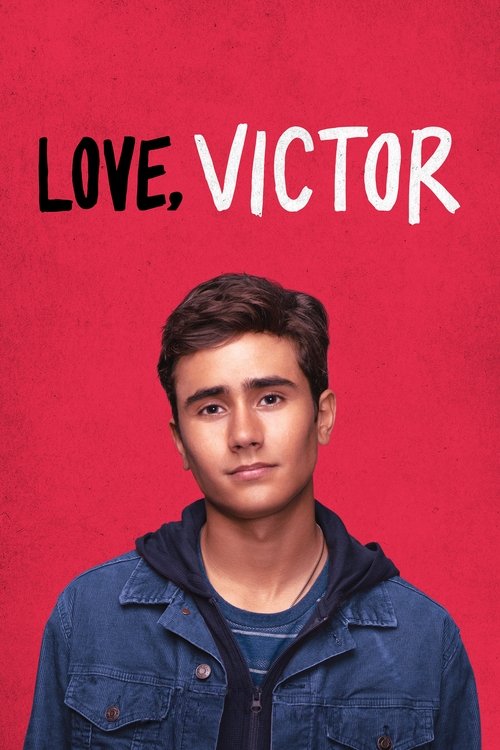
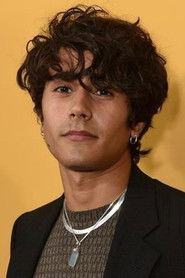 Michael Cimino
 George Sear
 Rachel Hilson
 Anthony Turpel


 Byeon Woo-seok
 Kim Hye-yoon
 Song Geon-hee
 Lee Seung-hyub
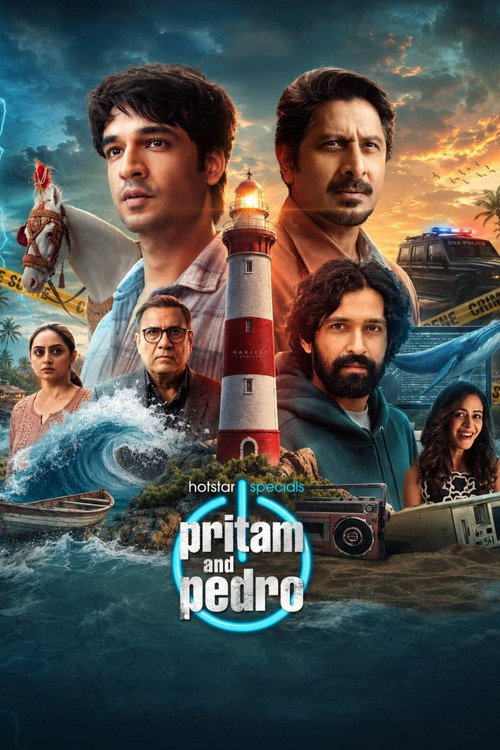
 Arshad Warsi
 Vir Hirani
 Vikrant Massey
 Shruti Marathe
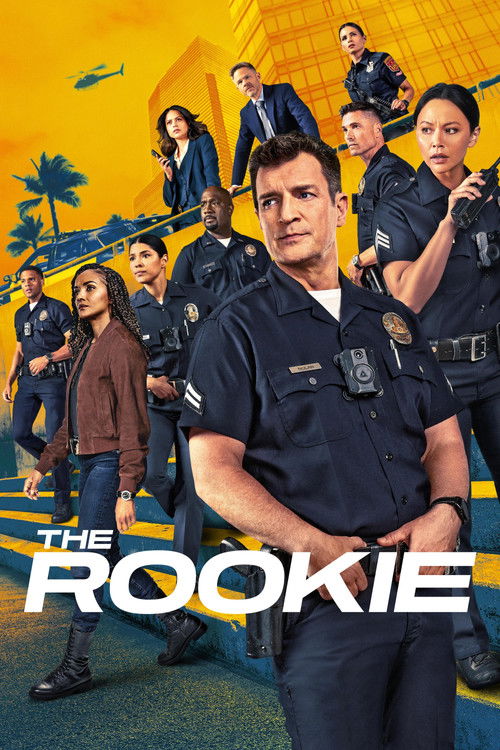
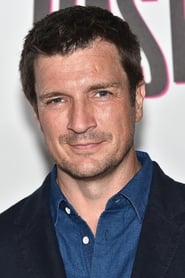 Nathan Fillion
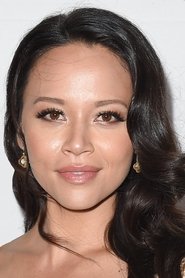 Melissa O'Neil
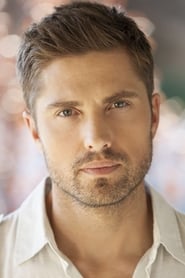 Eric Winter
 Alyssa Diaz


 Cho Jung-seok
 Yoo Yeon-seok
 Jung Kyung-ho
 Kim Dae-myung

 Nicolas Cantu
 Kyla Kowalewski
 Donielle T. Hansley Jr.
 Christian J. Simon
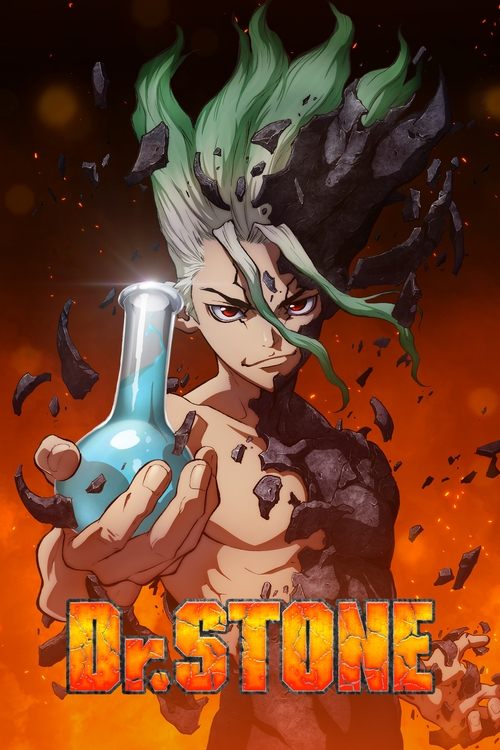
 Yusuke Kobayashi
Makoto Furukawa
Kana Ichinose
 Manami Numakura

 Mayo Suzukaze
 Miki Fujitani
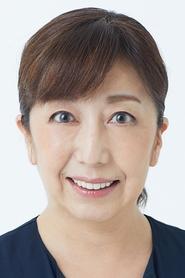 Mina Tominaga
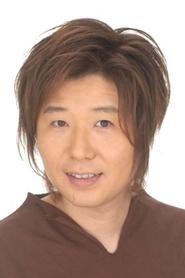 Yuji Ueda

 Hyun Bin
 Son Ye-jin
 Seo Ji-hye
 Kim Jung-hyun


 Park Ji-hoon
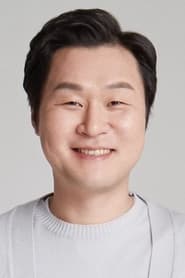 Yoon Kyung-ho
 Han Dong-hee
 Lee Hong-nae
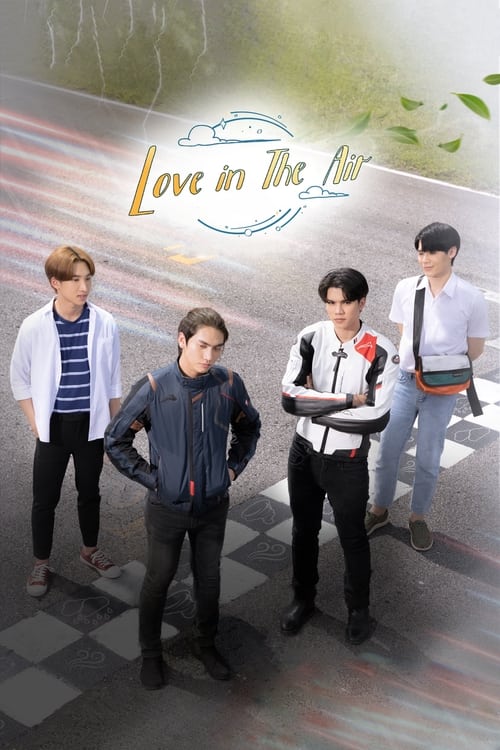
 Chaikamon Sermsongwittaya
 Nuttarat Tangwai
 Thitipong Sangngey
 Wasuthorn Chaijindar

 Michael Cusack
 Zach Hadel
 Marc Moceri
 IU
 Yeo Jin-goo
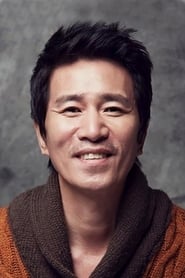 Shin Jung-keun
 Bae Hae-seon


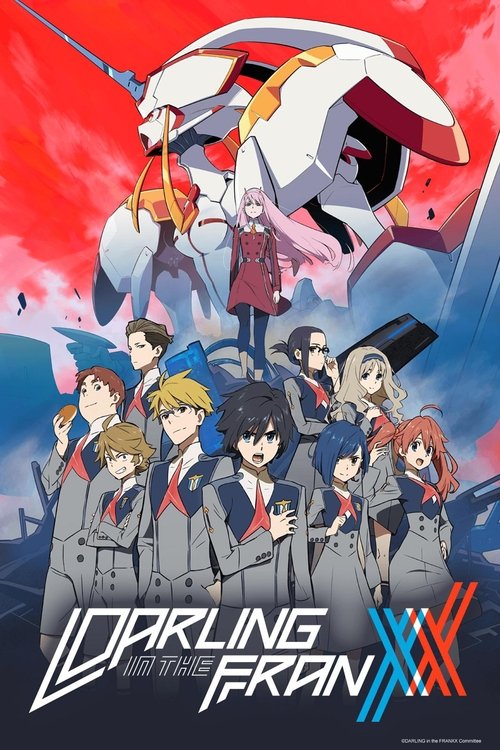
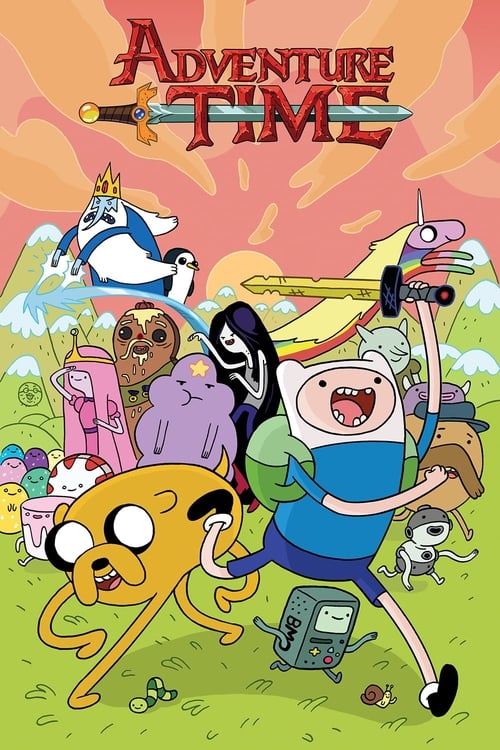



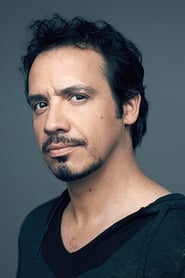 Alexandre Astier
 Anne Girouard
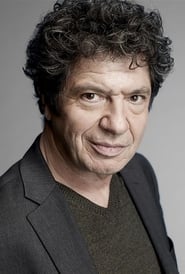 Lionnel Astier
 Jou00eblle Sevilla



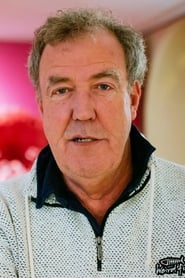 Jeremy Clarkson
 Kaleb Cooper
 Charlie Ireland
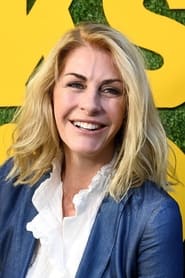 Lisa Hogan
 Kim Soo-hyun
 Seo Yea-ji
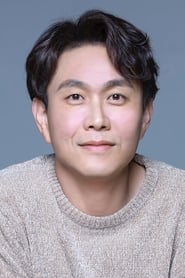 Oh Jung-se
 Park Gyu-young
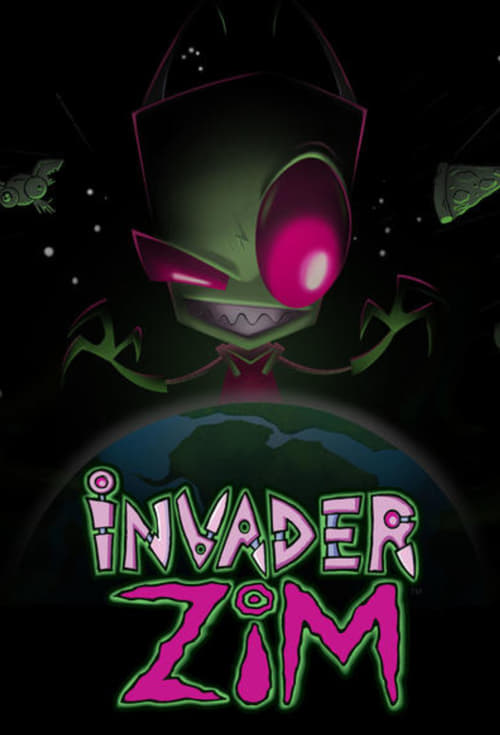
 Richard Steven Horvitz
 Andy Berman
 Rosearik Rikki Simons
 Melissa Fahn

 Ju Ji-hoon
Choo Young-woo
 Ahn Ha-young
Yoon Kyung-ho

 Kim Seon-a
Hyun Bin
 Jung Ryeo-won
 Daniel Henney


 Kenichirou Matsuda
 Shion Wakayama
 Taito Ban
 Miku Ito

 Casper Christensen
 Frank Hvam
 Mia Lyhne
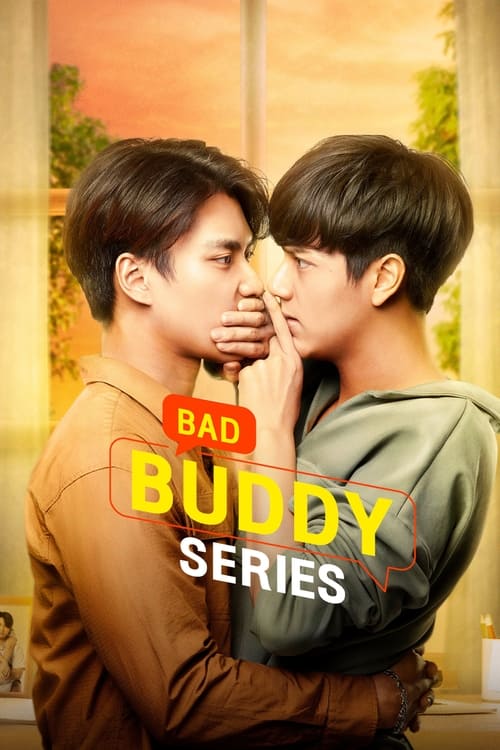
 Korapat Kirdpan
 Pawat Chittsawangdee
 Pattranite Limpatiyakorn
 Pansa Vosbein

 Will Arnett
 Aaron Paul
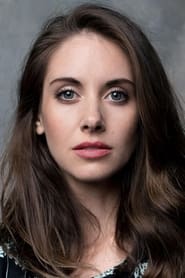 Alison Brie
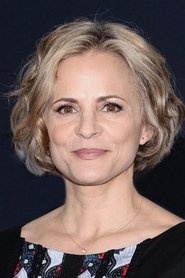 Amy Sedaris

 Ru00e9mi Chapotot
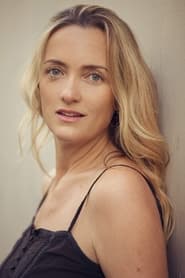 Dorothu00e9e Poussu00e9o
 Emmanuel Garijo
 Fu00e9odor Atkine


 Cu00e1ssio Scapin
 Cinthya Rachel
 Luciano Amaral
 Fredy Au0301llan

 Lee Sung-kyung
 Nam Joo-hyuk
 Lee Jae-yoon
 Kyung Soo-jin

 Shin Hae-sun
Kim Jung-hyun
 Bae Jong-ok
 Kim Tae-woo

 Shin Min-a
 Kim Young-dae
 Lee Sang-yi
 Han Ji-hyeon
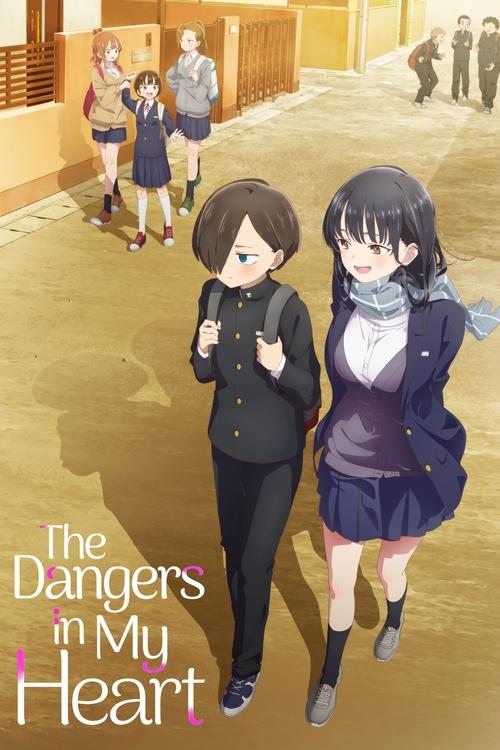
 Shun Horie
 Hina Youmiya


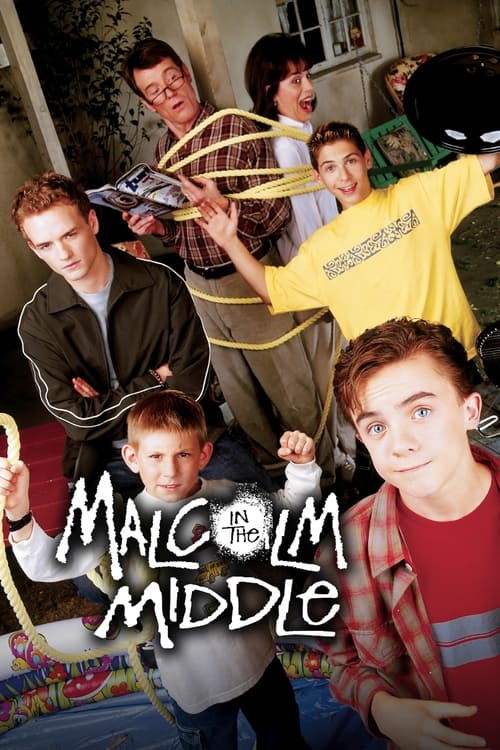
 Frankie Muniz
 Jane Kaczmarek
 Bryan Cranston
 Justin Berfield
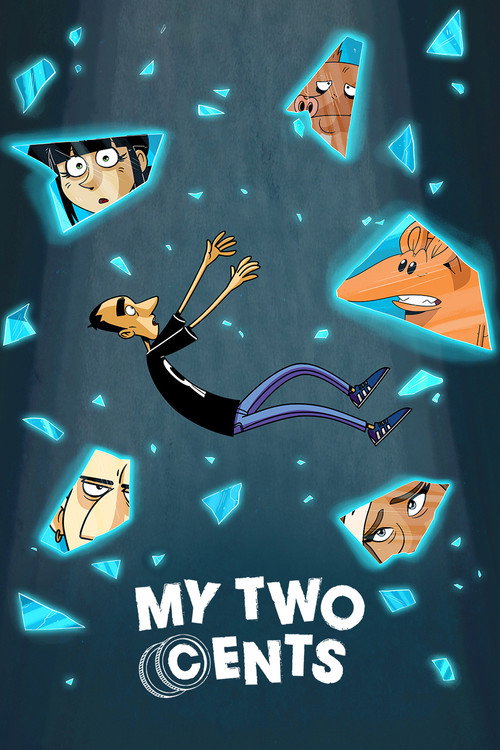
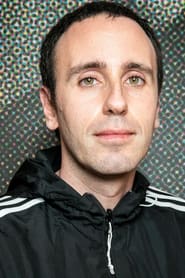 Zerocalcare
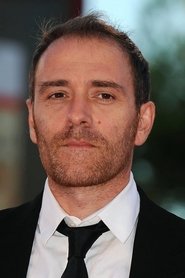 Valerio Mastandrea


 Park Min-young
 Na In-woo
 Lee Yi-kyung
 Song Ha-yoon


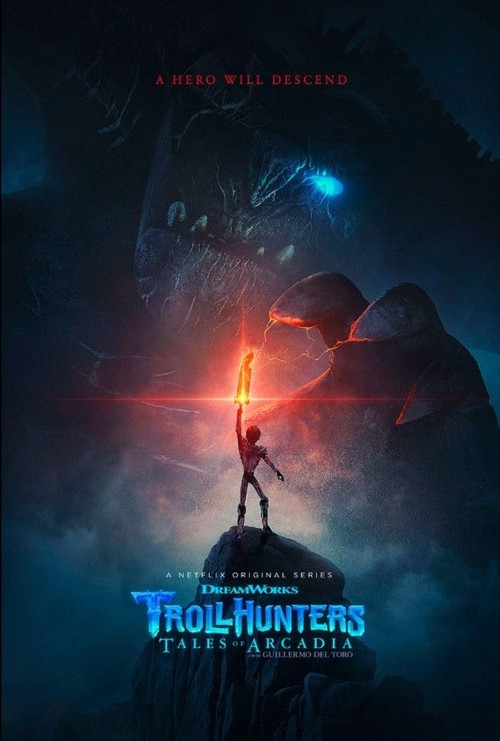
 Lexi Medrano
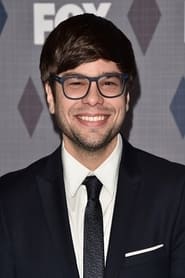 Charlie Saxton
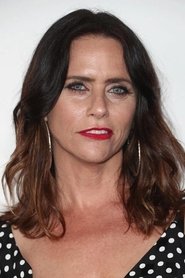 Amy Landecker
 Kelsey Grammer
 Ahn Hyo-seop
 Kim Se-jeong
 Kim Min-gue
 Seol In-a



 Kim You-jung
 Song Kang
Lee Sang-yi
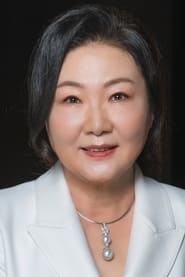 Kim Hae-sook

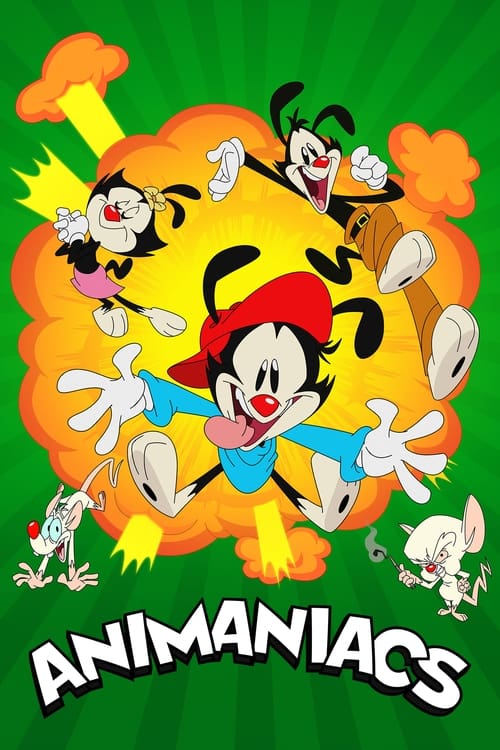
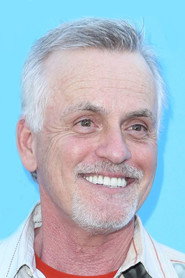 Rob Paulsen
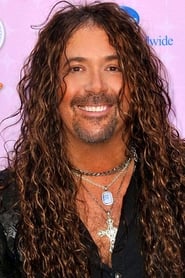 Jess Harnell
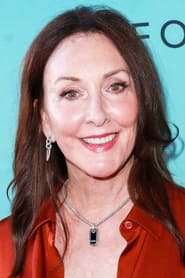 Tress MacNeille
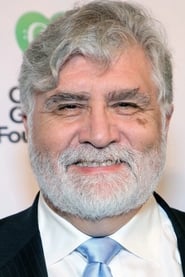 Maurice LaMarche

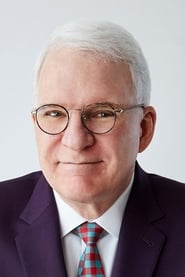 Steve Martin
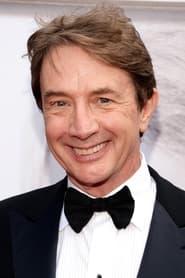 Martin Short
Selena Gomez
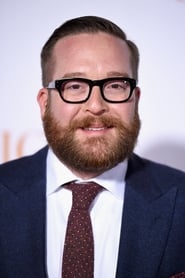 Michael Cyril Creighton