Show Adult Titles
Show Adult Posters & Images


The adventures of Miss Jane Marple, an elderly spinster living in the quiet little village of St Mary Mead. During her many visits to friends and relatives in other villages, Miss Marple often stumbles upon mysterious murders which she helps solve. Although the police are sometimes reluctant to accept Miss Marple's help, her reputation and unparalleled powers of observation eventually win them over.
 Acorn TV
 Acorn TV Apple TV
 AcornTV Amazon Channel
 Amazon Prime Video
 Amazon Prime Video with Ads
 Belas Artes u00e0 La Carte
 BritBox
 BritBox Amazon Channel
 Britbox Apple TV Channel
 Cinefil Wow Plus Amazon Channel
 FilmBox+
 Foxtel Now
 Hulu
 ITVX Premium
 Netflix
 Netflix Standard with Ads
 Oneplay
 PBS
 PBS Masterpiece Amazon Channel
 Sky Go
 Spectrum On Demand
 TV+
 TVING
 Tele2 Play
 Thirteen
 U-NEXT
 VI movies and tv
 Voyo
 WETA+
 iciTouTV
 wavve
 Amazon Video
 Apple TV Store
 Freenet meinVOD

This section contains spoilers
The full plot reveals key story details including the ending.


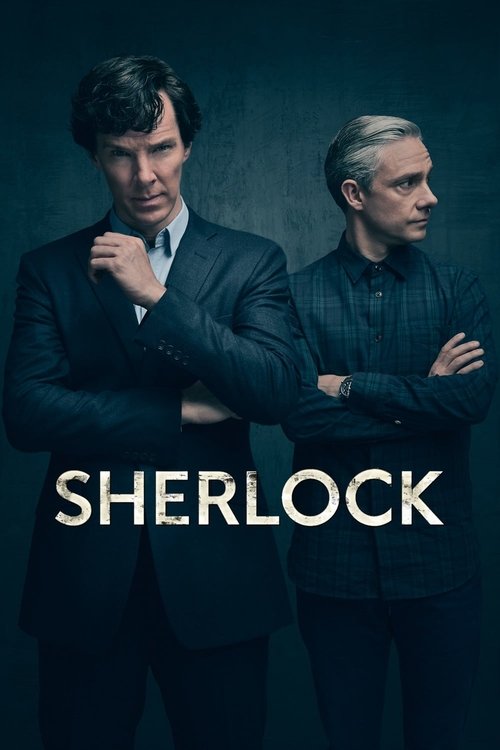
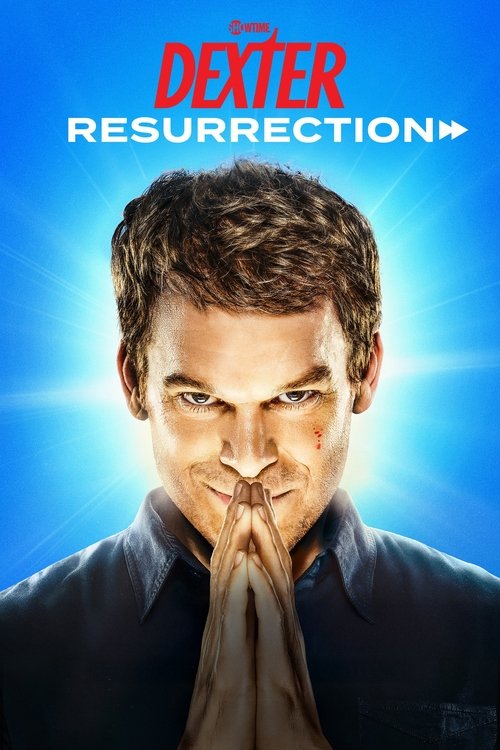
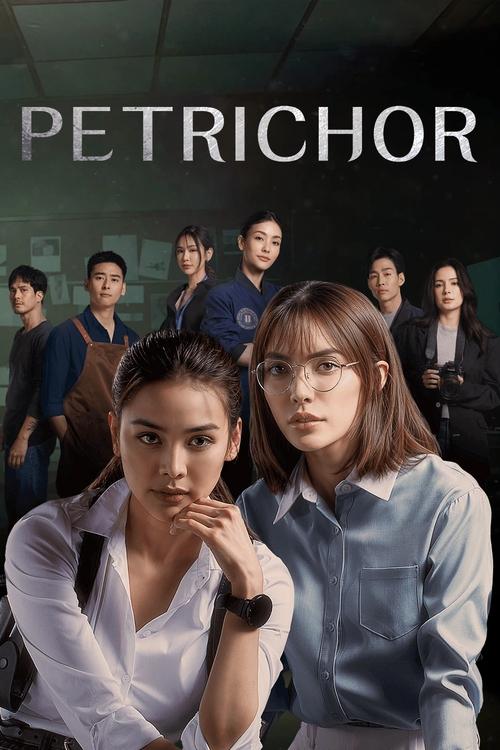
 Engfa Waraha
 Charlotte Austin
 Malin Sae-lim
 Rina Chatamonchai
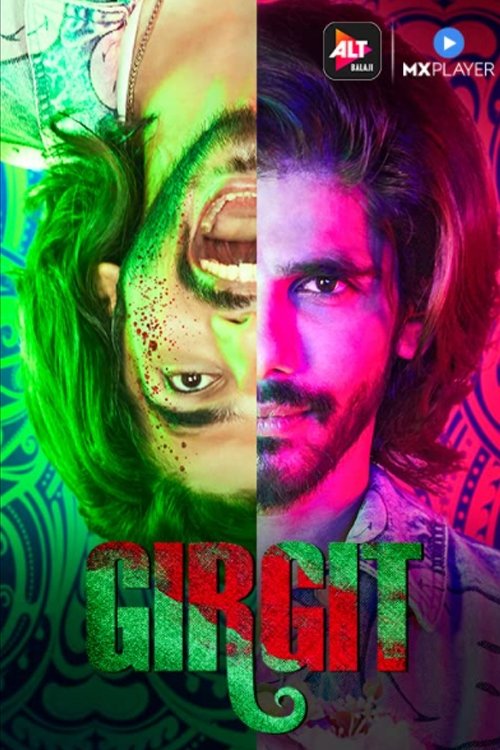


 Park Shin-hye
 Kim Jae-young
 Kim Ah-young
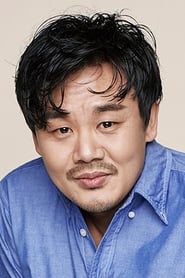 Kim In-kwon
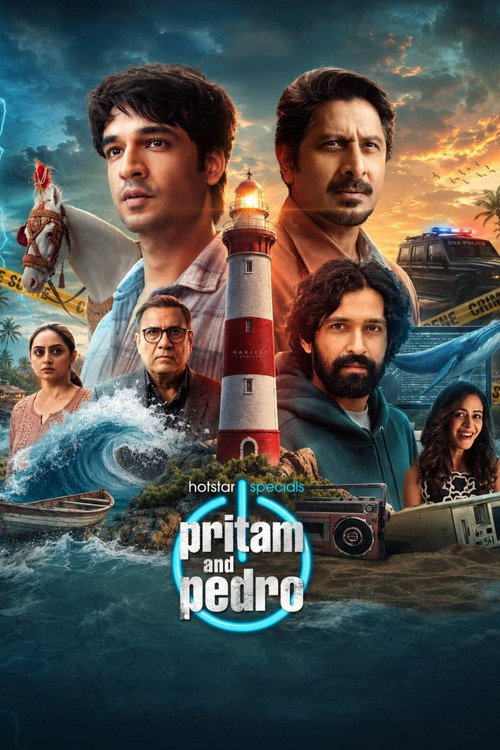
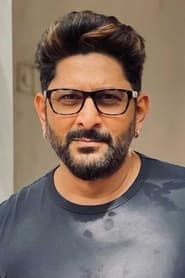 Arshad Warsi
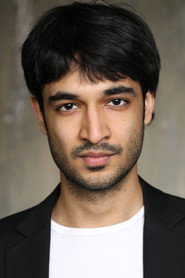 Vir Hirani
 Vikrant Massey
 Shruti Marathe

 Shin Ha-kyun
 Yeo Jin-goo
 Choi Dae-hoon
 Choi Sung-eun

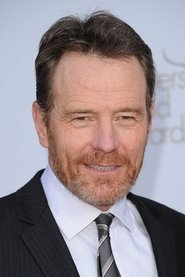 Bryan Cranston
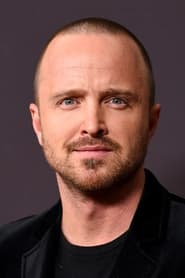 Aaron Paul
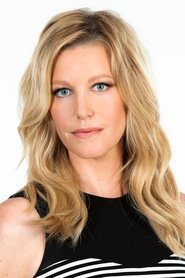 Anna Gunn
 RJ Mitte
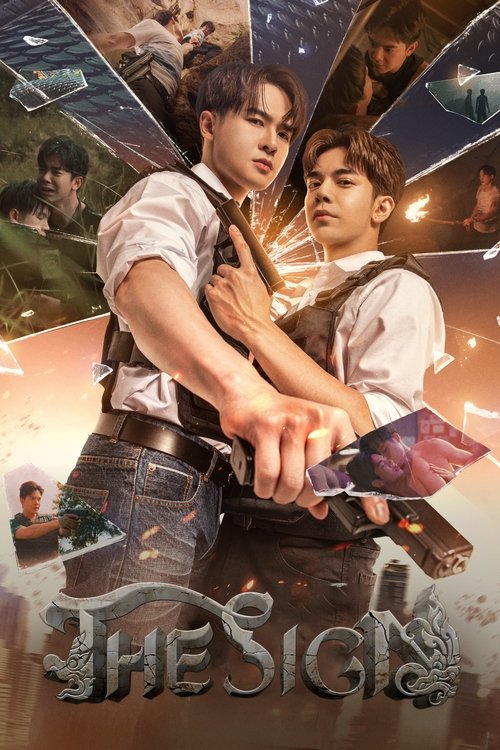
 Patchanon Ounsa-ard
 Tanatat Phanviriyakool
 Jakarin Puribhat
 Phongsakorn Sukiang

 Phakphum Romsaithong
 Nattawin Wattanagitiphat
 Wichapas Sumettikul
 Jakapan Puttha

 Xiao Zhan
 Wang Yibo
 Meng Ziyi
 Xuan Lu

 Byeon Woo-seok
 Kim Hye-yoon
 Song Geon-hee
 Lee Seung-hyub

 Joe Odagiri
 Shingo Katsurayama
 Kazumi Murata
 Kitaro

 Ali Fazal
 Sonali Bendre
 Akash Makhija
 Rakesh Bedi

 Krishna Bharadwaj
 Priyamvada Kant
 Nimisha Vakharia
 Aditya Redij

 Ko Chia-Yen
 Greg Hsu
 Patrick Shih
 Kenny Yen
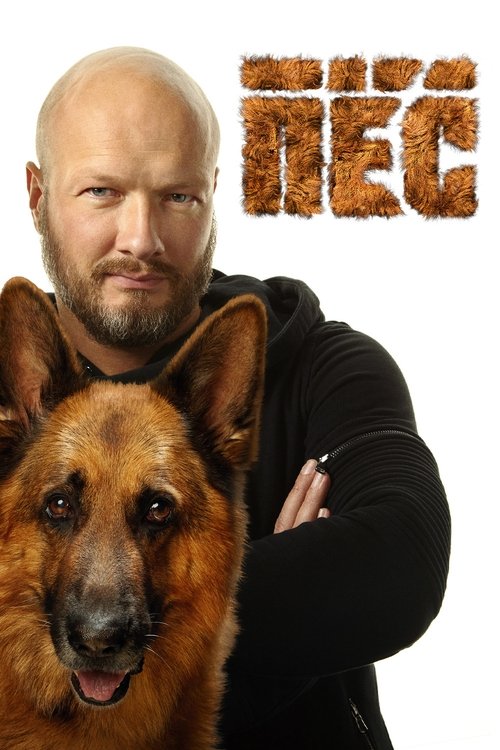
 Nikita Panfilov
 Andrii Saminin
 Mykhailo Zhonin
 Denys Rodnianskyi

 Lee Hye-ri
 Chung Su-bin
 Kang Hye-won
 Oh Woo-ri

 Kay Lertsittichai
 Hirunkit Changkham
 Chayapol Jutamas
 Chayakorn Jutamas
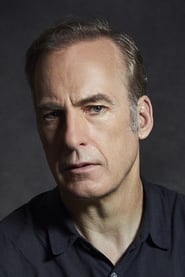 Bob Odenkirk
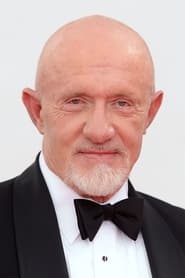 Jonathan Banks
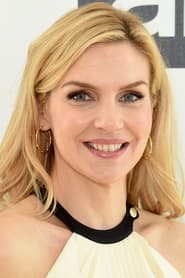 Rhea Seehorn
 Tony Dalton
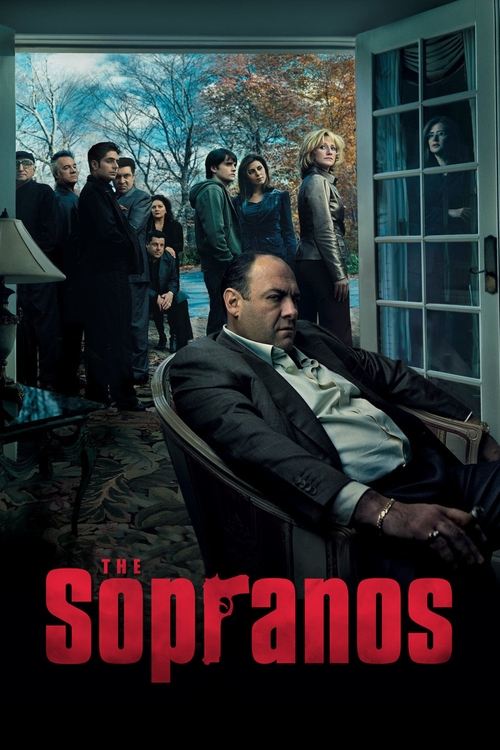
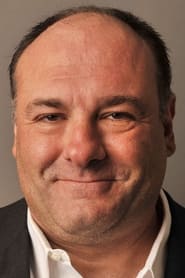 James Gandolfini
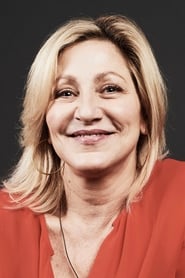 Edie Falco
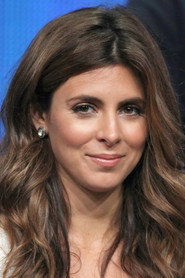 Jamie-Lynn Sigler
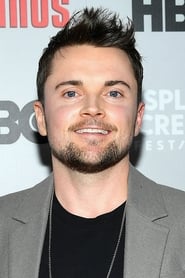 Robert Iler
 Tom Ellis
 Nick Gehlfuss
 Natalee Linez
 Necar Zadegan

 Dominic West
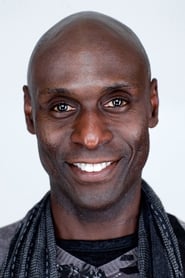 Lance Reddick
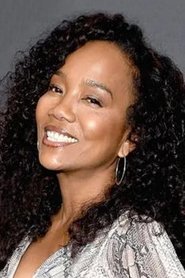 Sonja Sohn
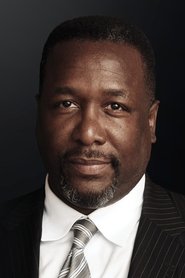 Wendell Pierce
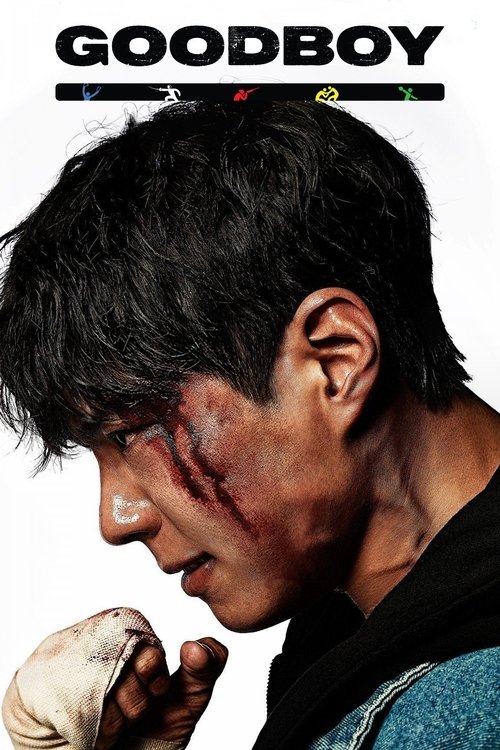

 Narilya Gulmongkolpech
 Teerapong Liaorakwong
 Chartayodom Hiranyatithi
 Nussaba Punnakan

 Kaan Urgancu0131ou011flu
 Pu0131nar Deniz
 Uu011fur Polat
 Zeyno Eracar

 Joseph Morgan
 Daniel Gillies
 Charles Michael Davis
 Riley Voelkel

 Kevin Conroy

 Lee Jae-wook
 Go Youn-jung
 Minhyun
 Moon Seong-hyun
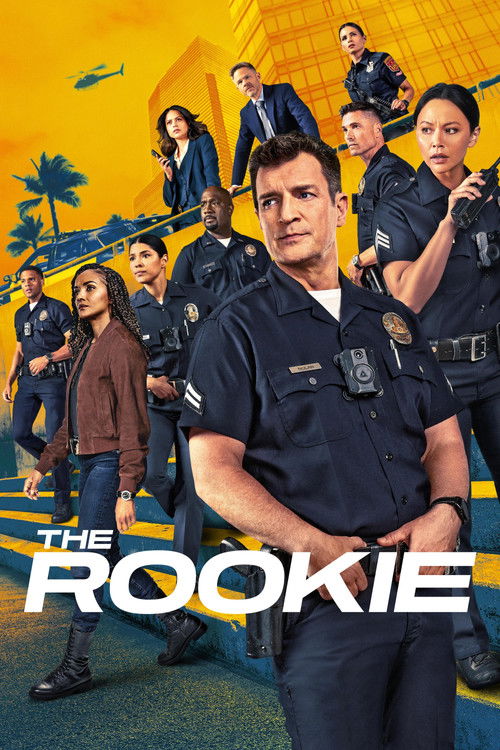
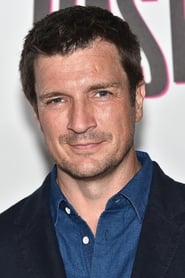 Nathan Fillion
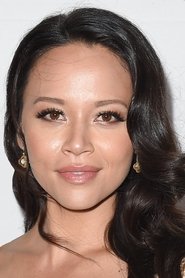 Melissa O'Neil
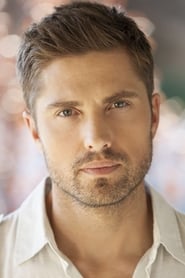 Eric Winter
 Alyssa Diaz


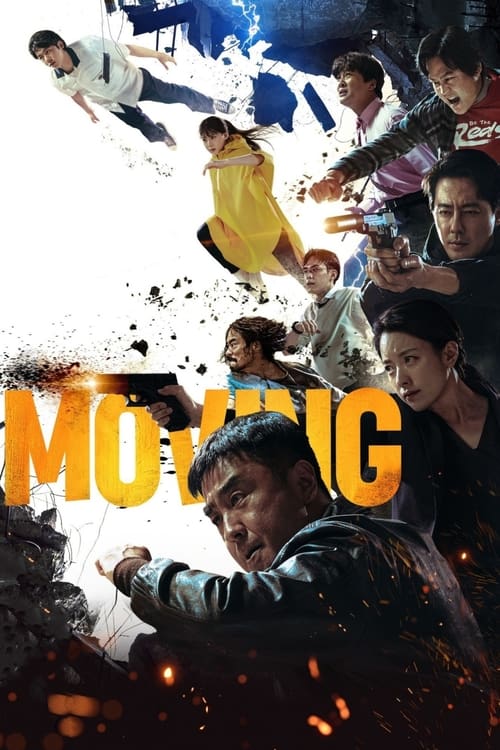
 Ryu Seung-ryong
 Han Hyo-joo
 Zo In-sung
 Cha Tae-hyun
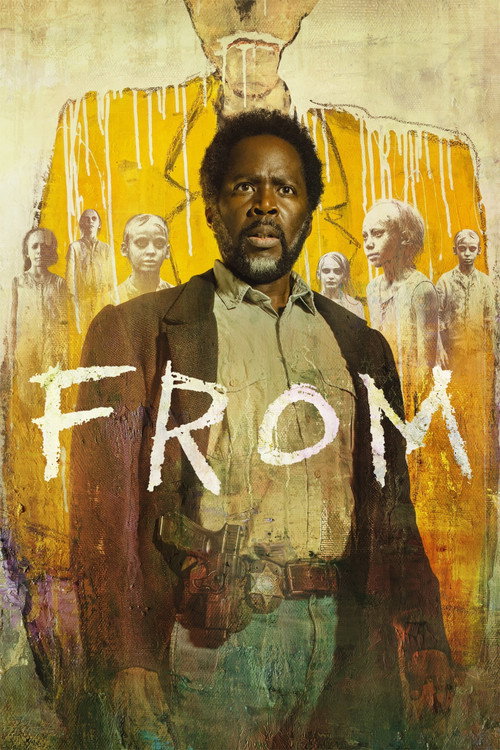
 Harold Perrineau
 Catalina Sandino Moreno
 Ricky He
 David Alpay

 Rod Serling
 Amar Upadhyay
 Sudha Chandran
 Toral Rasputra
 Priyanshi Yadav

 Jumpol Adulkittiporn
 Atthaphan Phunsawat
 Ochiris Suwanacheep
 Trai Nimtawat


 Wanpichit Nimitparkpoom
 Suppakarn Jirachotikul
 Chatchapon Pranotphong
 Thanaphat Tansakul

 Becky Armstrong
 Sarocha Chankimha
 Asavarid Pinitkanjanapun
 Urassaya Malaiwong

 Thanaphon U-sinsap
 Vachiravit Paisarnkulwong
 Naphat Vikairungroj
 Theerameth Pheerabawornsuk

 Naravit Lertratkosum
 Phuwin Tangsakyuen
 Supha Sangaworawong
 Pongsapak Udomphoch

 Huang Xiaoming
 Liu Haoran
 Tong Liya
 Zhang Huiwen

 Ella Bright
 Belmont Cameli
 Mika Abdalla
 Stephen Kalyn

 Song Zuer
 Liu Yuning
Xuan Lu
 Liu Duanduan

 Su Shangqing
 Li Shimeng
 Guo Haoran
 Qiao Shiyu

 Kasidet Plookphol
 Jiratchapong Srisang
 Tanapon Sukumpantanasan
Pongsapak Udomphoch

 Hou Minghao
 Lu Yuxiao
 Yu Chengen
 Quan Yilun

 S'Dumo Mtshali
 Kenneth Nkosi

 Hudson Williams
 Connor Storrie
 Franu00e7ois Arnaud

 Sahaphap Wongratch
 Pirapat Watthanasetsiri
 Sarunchana Apisamaimongkol
 Krittanai Arsalprakit

 Sapol Assawamunkong
 Sarin Ronnakiat
 Thinnaphan Tantui
 Nattanon Tongsaeng

 Amybeth McNulty
 Geraldine James
 R.H. Thomson
 Lucas Jade Zumann

 Yoona
 Lee Chae-min
 Kang Han-na
 Choi Gwi-hwa
 Phuwin Tangsakyuen
Naravit Lertratkosum
 Poon Mitpakdee
 Thanawin Pholcharoenrat


 Hu Ge
 Ma Yili
 Tang Yan
 Xin Zhilei
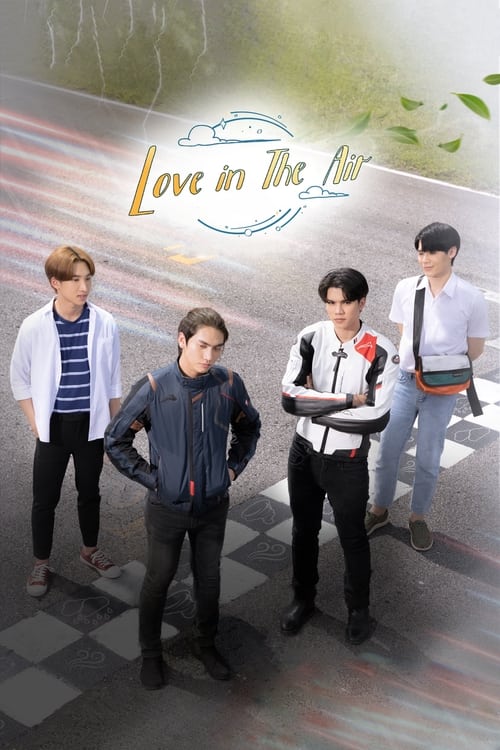
 Chaikamon Sermsongwittaya
 Nuttarat Tangwai
 Thitipong Sangngey
 Wasuthorn Chaijindar

 Chanidapa Sommitthanakul
 Natchaya Vongbut
 Apisara Lertwisettheerakul
 Onnalin Lilaburanathanakun


 Pittaya Saechua
 Kantapon Jindataweephol
 Yada Suwanpattana
 Ponlawit Ketprapakorn

 Juan Pablo Medina
 Gabriela de la Garza
 Stephanie Cayo
 Ivu00e1n Su00e1nchez

 Kelly Reilly
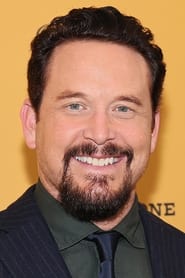 Cole Hauser
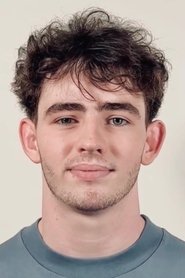 Finn Little
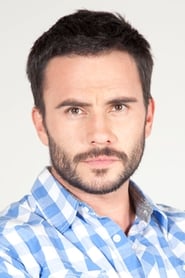 Juan Pablo Raba

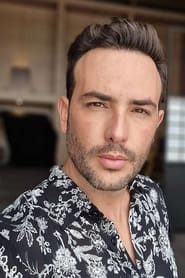 Sebastiu00e1n Martu00ednez
 Juliette Pardau
 Hanny Vizcaino
 Carlos Camacho
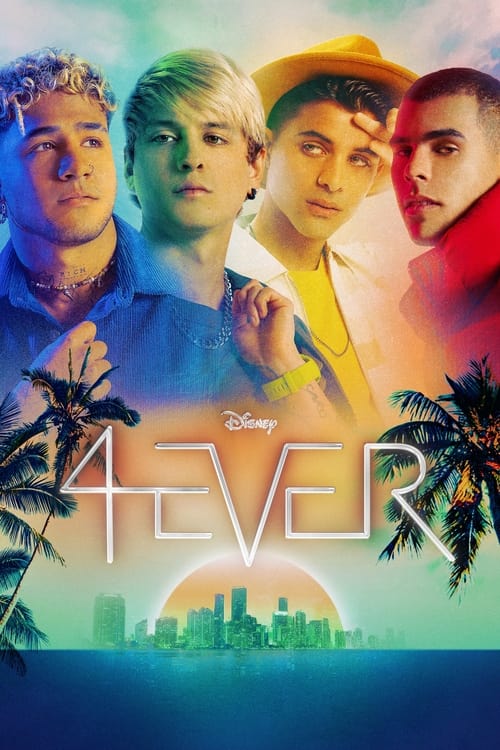
 Christopher Vu00e9lez
 Zabdiel De Jesu00fas
 Richard Camacho
 Erick Brian Colu00f3n

 Li Keyi
 Wang Peiyan
 Zeng Hui
 Qu Gang

 u015eebnem Su00f6nmez
 Engin Alkan
 Tuba Erdem
 Ayu00e7a Mutlugil

 Bao Shangen
 Daniel Zhou
 Zhao Yingbo
 Xu Yuanyina

 Ju00f8rgen Buckhu00f8j
 Ghita Nu00f8rby
 Holger Juul Hansen
 Malene Schwartz

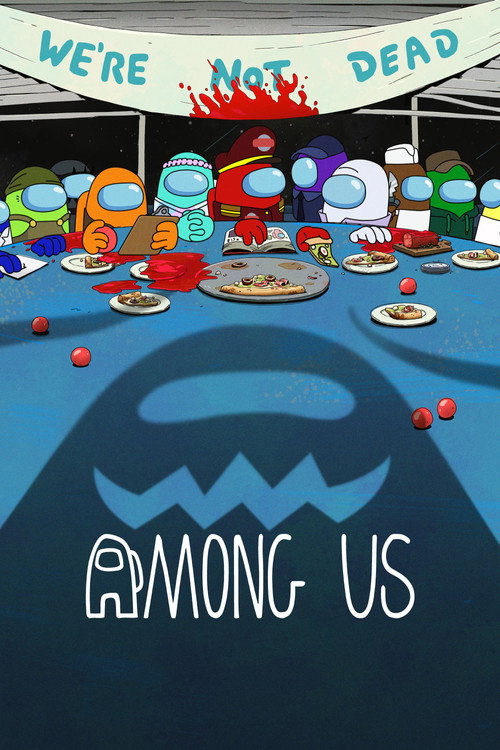
 Yvette Nicole Brown
 Kimiko Glenn
 Liv Hewson
 Ashley Johnson

 Jakrapatr Kaewpanpong
Supha Sangaworawong
 Rapeepong Supatineekitdecha
 Pichetpong Chiradatesakunvong
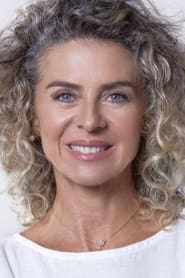 Margarita Rosa de Francisco
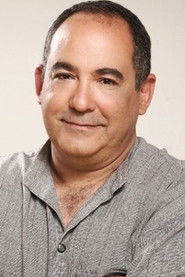 Alberto Pujol
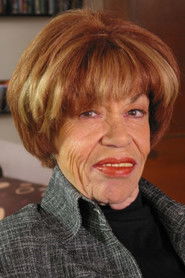 Teresa Gutiu00e9rrez

 Arjit Taneja
 Samiksha Jaiswal
 Amrapali Gupta

 Shamata Anchan
 Passawish Thamasungkeeti
 Poomsuwan suwansatit
 Kanthee Limpitikranon
 Tanan Lohawatanakul
 Payal Nair
 Shilpa Shinde
 Buddhaditya Mohanty

 Sumedh Mudgalkar
 Mallika Singh
 Basant Bhatt
 Tarun Khanna
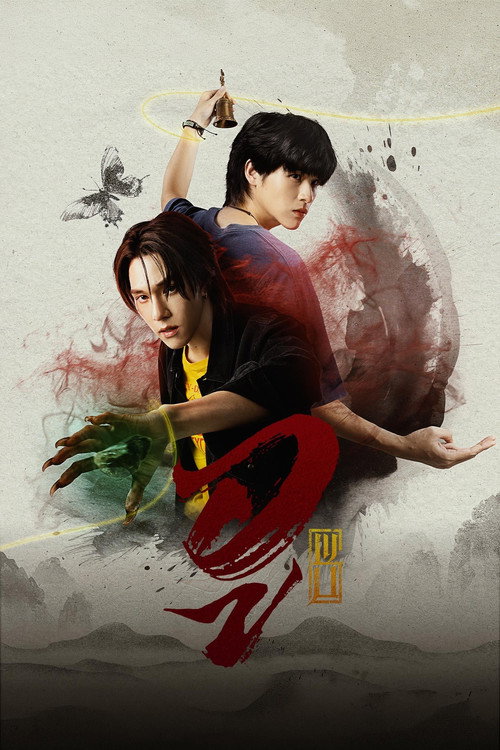
 Wongravee Nateetorn
Hirunkit Changkham
 Tachakorn Boonlupyanun
 Palang Rocksilp

 Seo In-guk
 Park Ji-hyun
 Kang Mi-na
 Won Gyu-bin

 IU
Byeon Woo-seok
 Steve Sanghyun Noh
 Gong Seung-yeon

 Ployshompoo Supasap
 Prariyapit Yu
 Ploynira Hiruntaveesin
 Rutricha Phapakithi

 Lim Ju-hwan
 Kang So-ra
 Choi Tae-joon
 Shin So-yul

 Akira Sekine
 Ami Koshimizu
 Houko Kuwashima
 Jun Saito

 Chisanupong Puangmanee
 Raweewit Jiraphongkanon
 Pongsakorn Mettarikanon
 Peeranat Veeranipitkul

 Matheus Nachtergaele
 Selton Mello
 Fernanda Montenegro
 Rogu00e9rio Cardoso
 Nakuul Mehta
 Surbhi Chandna
 Kunal Jaisingh
 Shrenu Parikh
 Park Eun-bin
 Cha Eun-woo
Choi Dae-hoon
 Im Sung-jae


 Zhao Qianjing
 Li Chanfei
 Xiang Xu
 Lei Wu

 Ra Mi-ran
 Lee Do-hyun
 Ahn Eun-jin
 Yoo In-soo
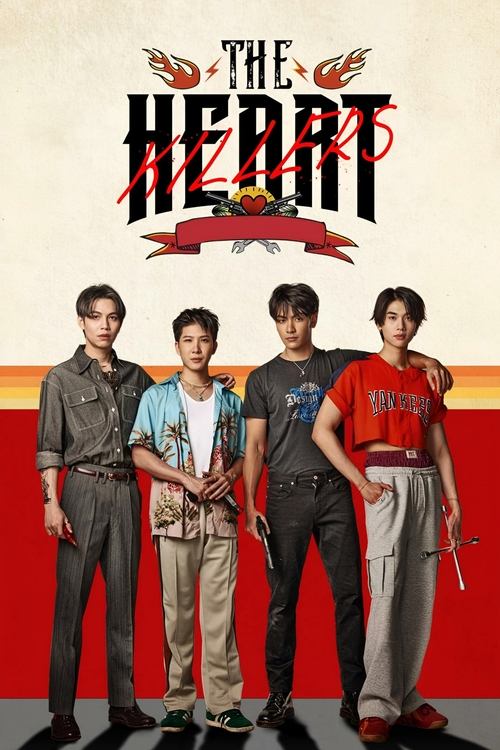
 Kanaphan Puitrakul
 Thanawat Ratanakitpaisan
 Archen Aydin
 Natachai Boonprasert

 Kim Hyang-gi
 Cha Hak-yeon
 Kim Jae-hyun
 Demian

 Natara Nopparatayapon
 Methika Jiranorraphat
Palang Rocksilp
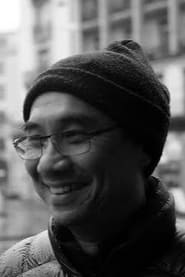 Thaneth Warakulnukroh


 Ryann Bailey
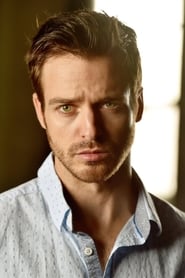 Jake Stormoen
 Will Kemp
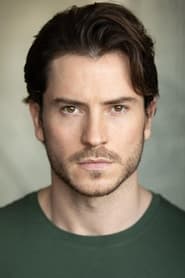 Toby-Alexander Smith

 Chen Xiang Sheng
 Poon Kit
 Phoebe Zhang Ying
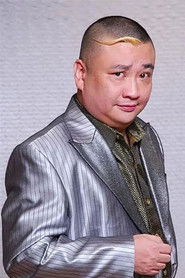 u9648u575au96c4

 Bai Yu
 Zhou Yutong
 Zhu Yawen
 Yu Haoming


 Radchapon Phornpinit
 Siraphop Manithikhun
 Thanutchon Chankaewarmon
 Pongsaton Sittipan


 Vic Chou
 Simon Hsueh
 Yang Kuei-mei
 Sara Yu

 Ikumi Hasegawa
 Kana Ichinose
 Sayaka Senbongi
 Shino Shimoji

 Ryeoun
 Choi Hyun-wook
 Seol In-a
 Shin Eun-soo

 Lim Ji-yeon
 Heo Nam-jun
 Jang Seung-jo
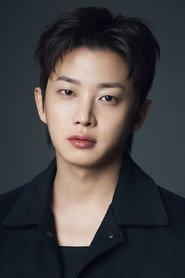 Kim Min-seok
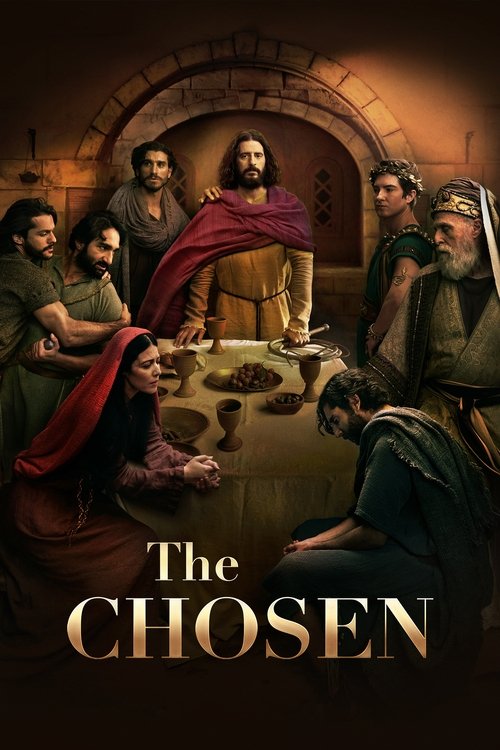
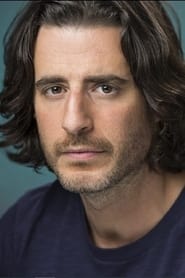 Jonathan Roumie
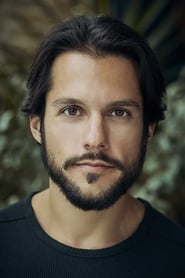 Shahar Isaac
 Elizabeth Tabish
 Paras Patel
 IU
 Park Bo-gum
 Moon So-ri
 Park Hae-joon
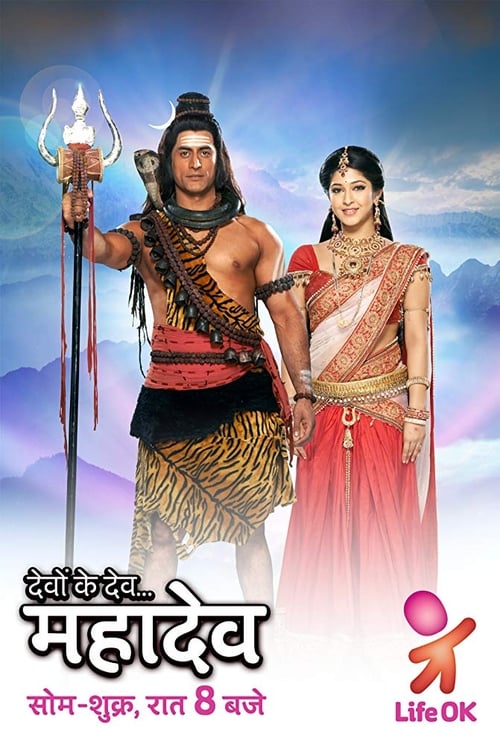
 Mohit Raina
 Mouni Roy
 Sonarika Bhadoria
 Saurabh Raj Jain
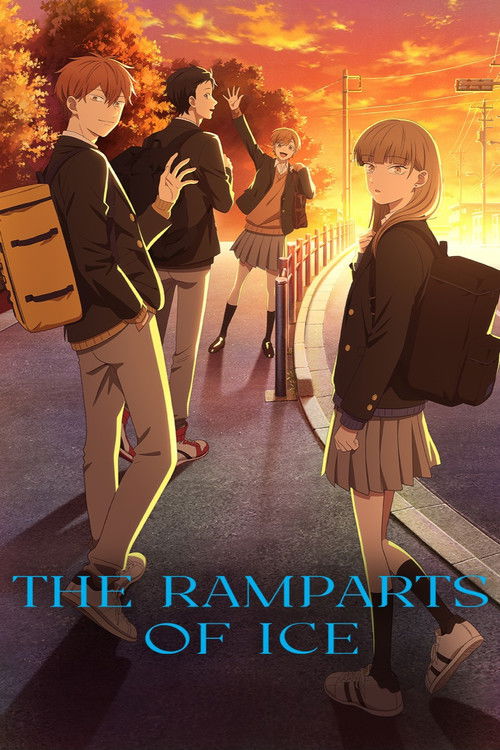
 Anna Nagase
 Fuka Izumi
 Shoya Chiba
 Satoshi Inomata
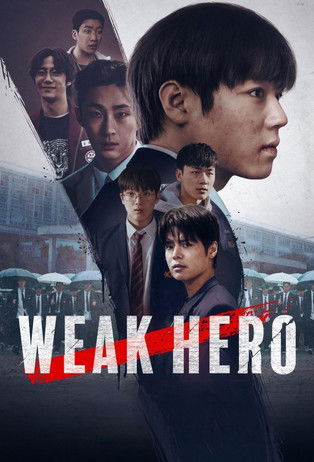
 Park Ji-hoon
Choi Hyun-wook
 Hong Kyung
Ryeoun

 Halit u00d6zgu00fcr Saru0131
 Yurdaer Okur
 Dolunay Soysert
 Bertan Asllani

 Li Youbin
 Zhang Guangbei
 He Zhengjun
 Tong Lei
 Noah Wyle
 Patrick Ball
 Katherine LaNasa
 Supriya Ganesh

 Yang Kaiqi
Lei Wu
 Titus Jin

 Lizzie Freeman
 Alex Rochon
 Michael Kovach
 Amanda Hufford
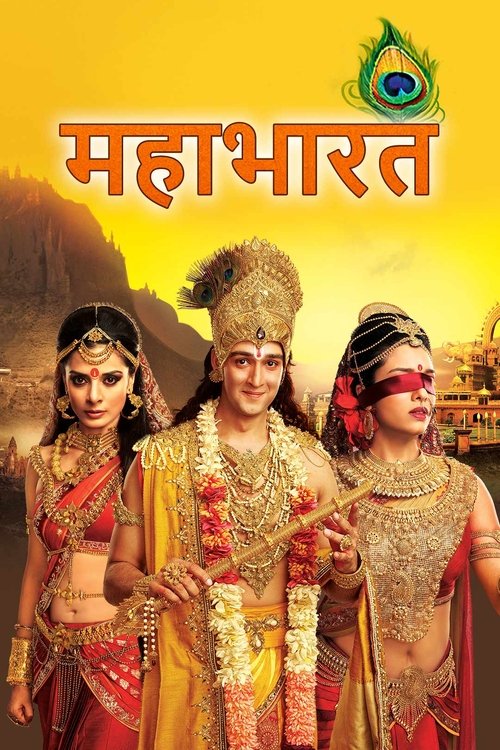 Saurabh Raj Jain
 Shaheer Sheikh
 Rohit Bharadwaj
 Pooja Sharma

 Yoshinori Nakayama
 Honoka Inoue
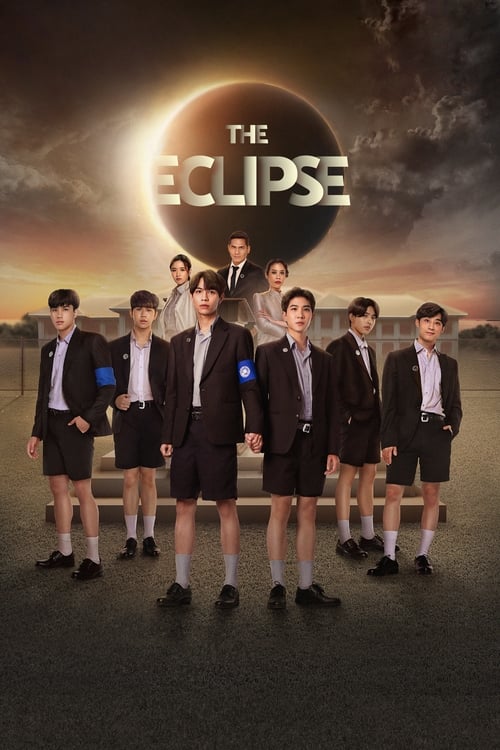 Kanaphan Puitrakul
Thanawat Ratanakitpaisan
Trai Nimtawat
 Thanawin Teeraphosukarn

 Cho Yi-hyun
 Choo Young-woo
 Cha Kang-yoon
 Choo Ja-hyun

 Mariano Gonzu00e1lez
 Sebastiu00e1n Athiu00e9
 Juan David Penagos
 Luan Brum


 Ayumu Murase
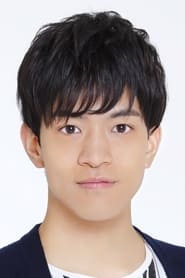 Kaito Ishikawa
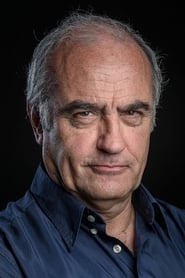 Francesc Orella
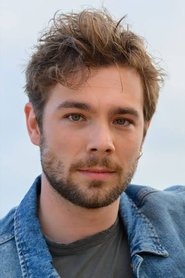 Carlos Cuevas
 David Solans
 Elisabet Casanovas

 Sun Li
 Ada Choi Siu-Fan
 Jiang Xin
 Lan Xi

 Gong Yoo
 Kim Go-eun
 Lee Dong-wook
 Yoo In-na

 Joe Locke
 Kit Connor
 William Gao
 Yasmin Finney

 Mark Chao
 Mao Xiaotong
 Jin Shijia
 Joan Chen

 Ryutaro Imai
 Maho Horiguchi
 Kenta Mishima
 Rina Onuki

 Ahn Hyo-seop
 Chae Won-bin
 Kim Bum
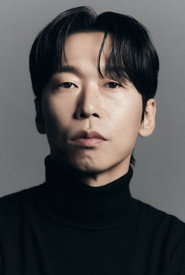 Yoon Byung-hee

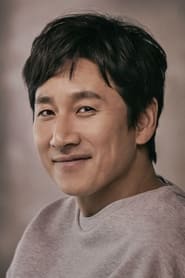 Lee Sun-kyun
IU
 Goh Doo-shim
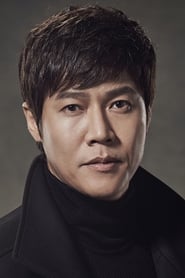 Park Ho-san


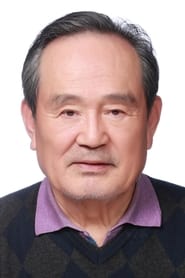 Park In-hwan
 Song Kang
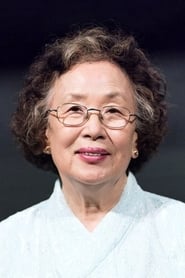 Na Moon-hee
 Hong Seung-hee
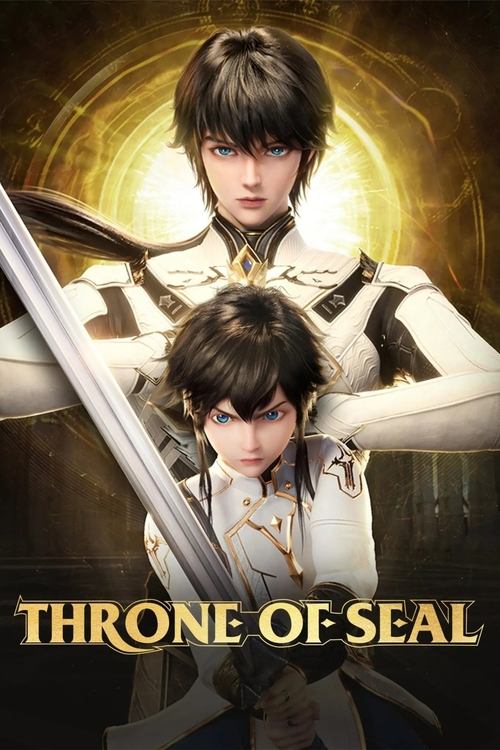
 Chang Rongshan
 Shen Nianru
 Liu Mingyue
 Ye Zhiqiu



 Minhyun
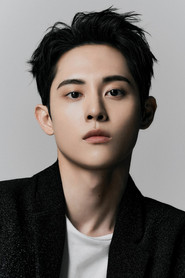 Lee Jong-hyun
 Gong Do-yu
 Shin Su-hyun


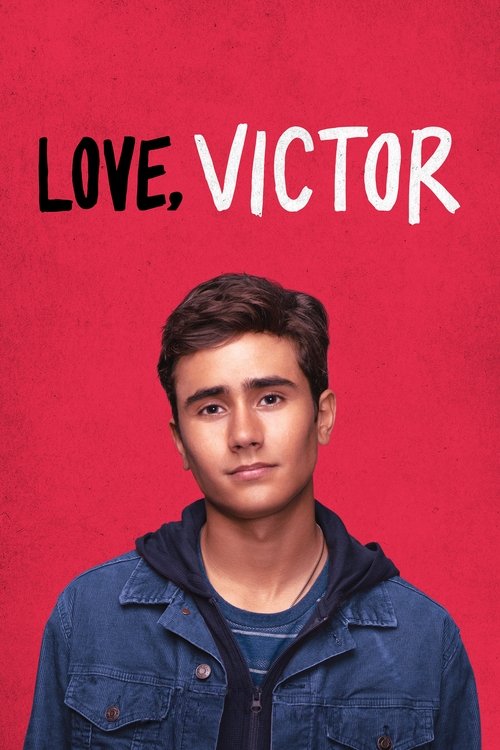
 Michael Cimino
 George Sear
 Rachel Hilson
 Anthony Turpel


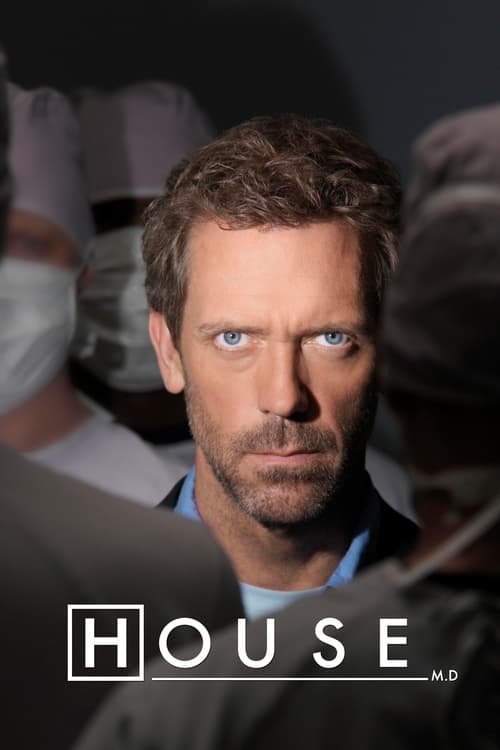
 Hugh Laurie
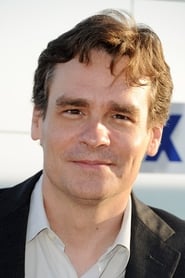 Robert Sean Leonard
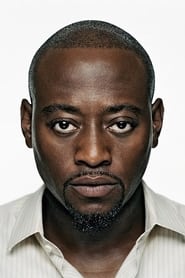 Omar Epps
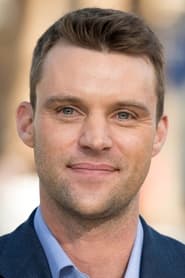 Jesse Spencer

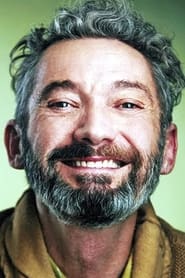 Cam Clarke
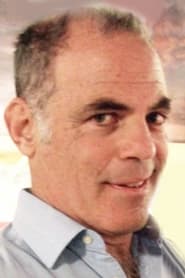 Gregory Snegoff
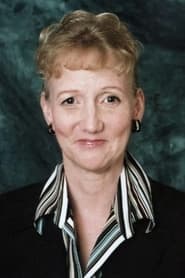 Melanie MacQueen

 Cho Jung-seok
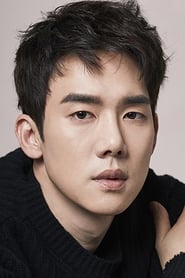 Yoo Yeon-seok
 Jung Kyung-ho
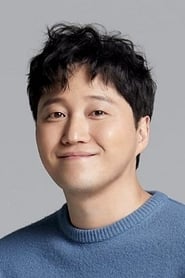 Kim Dae-myung



 Hyun Bin
 Son Ye-jin
 Seo Ji-hye
 Kim Jung-hyun