Show Adult Titles
Show Adult Posters & Images

Polizeiruf 110 is a long-running German language detective television series. The first episode was broadcast 27 June 1971 in the German Democratic Republic, and after the dissolution of Fernsehen der DDR the series was picked up by ARD. It was originally created as a counterpart to the West German series Tatort, and quickly became a public favorite.
 ARD Plus
 ARD Plus Amazon channel
 ARD Plus Apple TV channel
 MZ Choice Amazon Channel
 Magenta TV+
 Mhz Choice
 RTL+
 Strim
 blue TV
 Amazon Video
 Apple TV Store
 Google Play Movies
This section contains spoilers
The full plot reveals key story details including the ending.
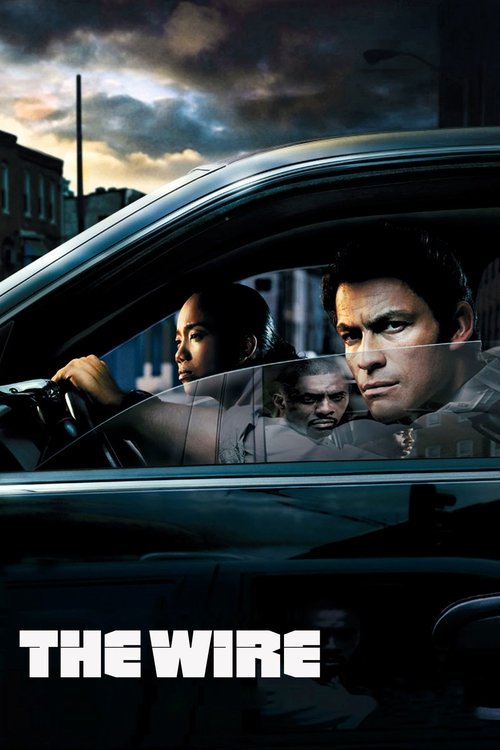
 Dominic West
 Lance Reddick
 Sonja Sohn
 Wendell Pierce
 Nathan Fillion
 Melissa O'Neil
 Eric Winter
 Alyssa Diaz
 Jason Beghe
 Marina Squerciati
 Patrick John Flueger
 LaRoyce Hawkins

 Atsuko Tanaka
 Akio Otsuka
 Osamu Saka
 Taimei Suzuki
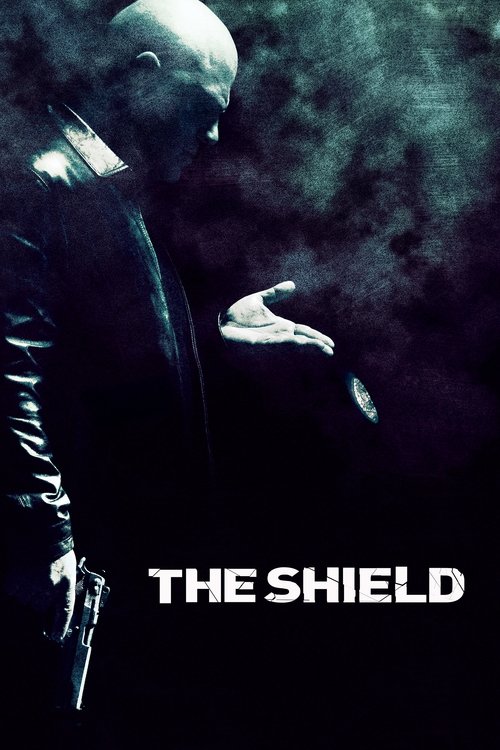
 Michael Chiklis
 Catherine Dent
 Paula Garcu00e9s
 Walton Goggins
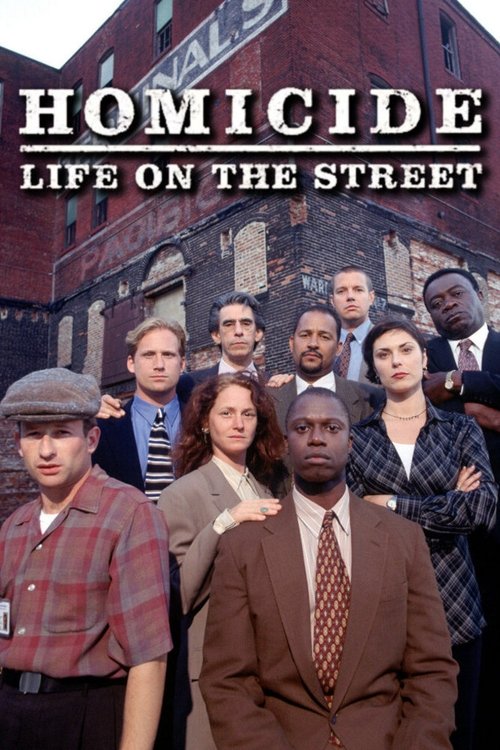
 Richard Belzer
 Peter Gerety
 Giancarlo Esposito
 Clark Johnson
 Peter Falk
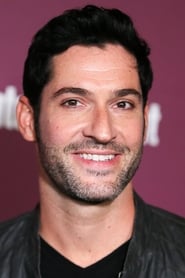 Tom Ellis
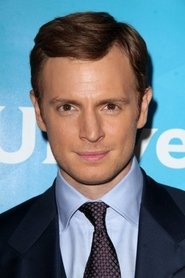 Nick Gehlfuss
 Natalee Linez
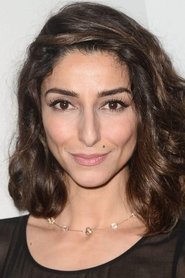 Necar Zadegan
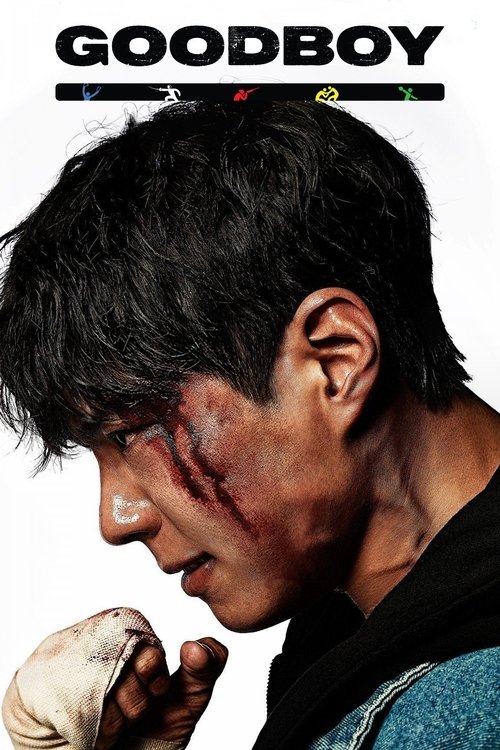

 Shin Ha-kyun
 Yeo Jin-goo
 Choi Dae-hoon
 Choi Sung-eun
 Nam Joo-hyuk
 Yoo Ji-tae
 Kim So-jin
 Lee Jun-hyuk
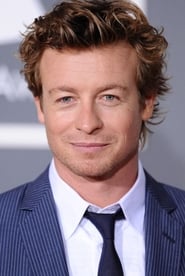 Simon Baker
 Robin Tunney
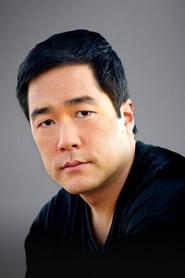 Tim Kang
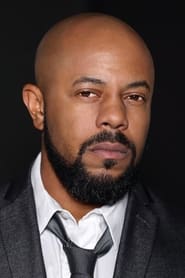 Rockmond Dunbar
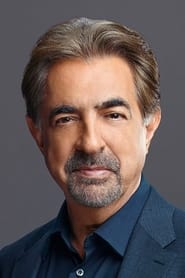 Joe Mantegna
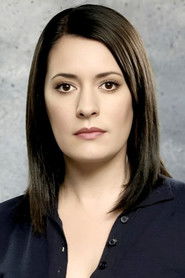 Paget Brewster
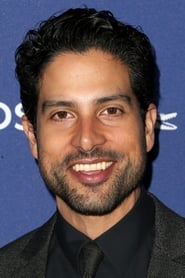 Adam Rodriguez
 Kirsten Vangsness


 Michael C. Hall
 Jennifer Carpenter
 Geoff Pierson
 David Zayas
 Martin Compston
 Vicky McClure
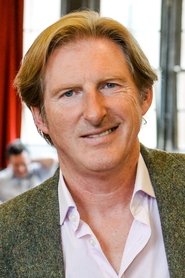 Adrian Dunbar
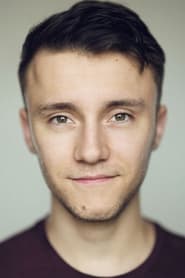 Gregory Piper
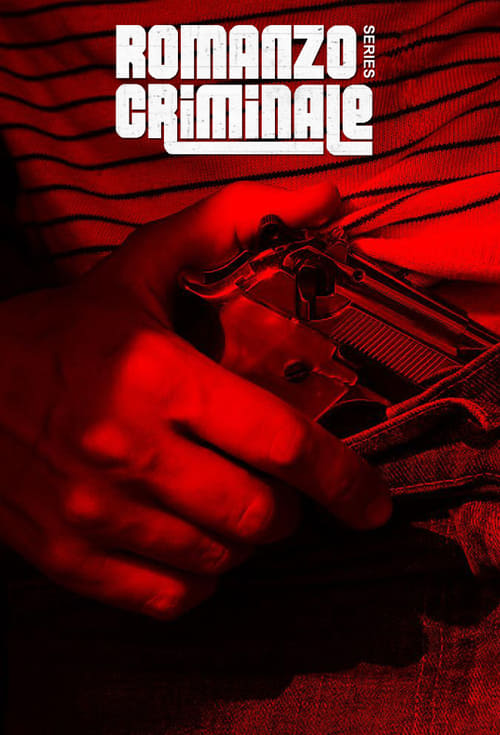

 Han So-hee
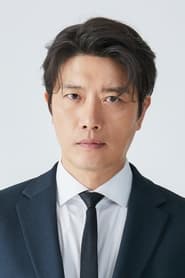 Park Hee-soon
 Ahn Bo-hyun
 Kim Sang-ho

 Andy Samberg
 Melissa Fumero
 Terry Crews
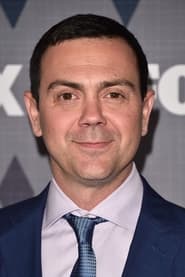 Joe Lo Truglio

 Poompat Iam-samang
 Phuripan Sapsangsawat
 Supakit Phuengpradach
 Talay Sanguandikul
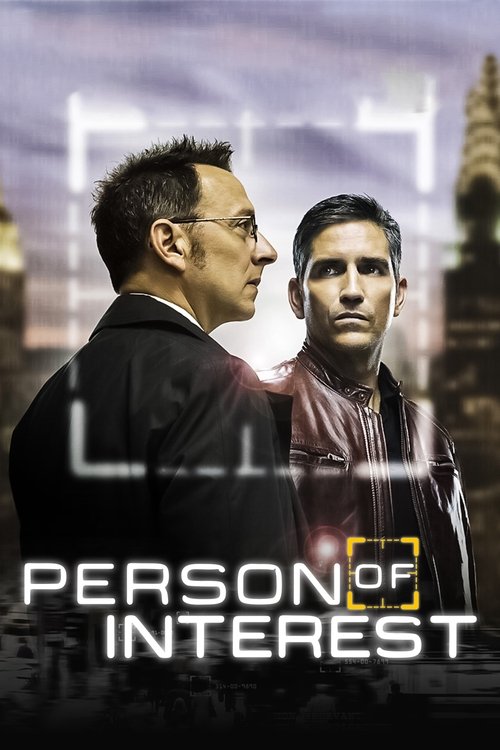
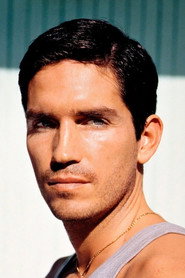 Jim Caviezel
 Michael Emerson
 Kevin Chapman
 Amy Acker
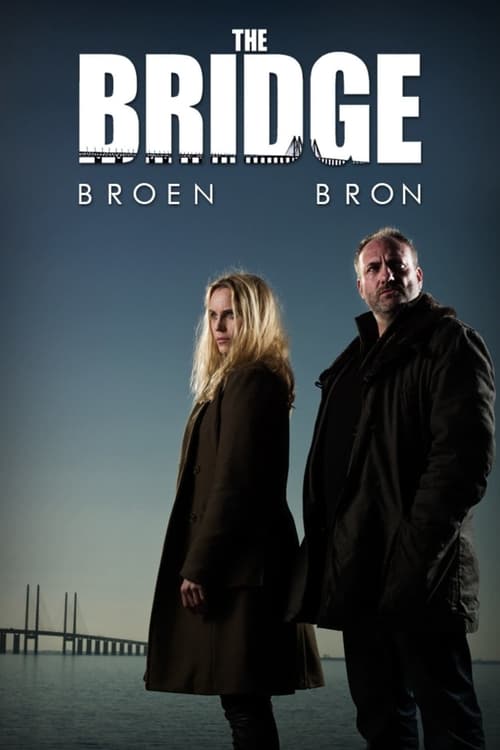
 Sofia Helin
 Thure Lindhardt
 Mikael Birkkju00e6r
 Sarah Boberg

 Alan Ritchson

 Kim Hye-soo
 Kim Moo-yul
 Lee Sung-min
 Lee Jung-eun

 Michael Keaton
 Peter Sarsgaard
 Michael Stuhlbarg
 Will Poulter

 Ali Fazal
 Sonali Bendre
 Akash Makhija
 Rakesh Bedi
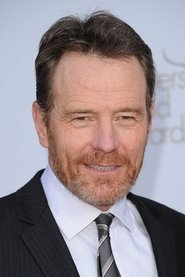 Bryan Cranston
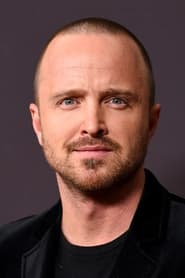 Aaron Paul
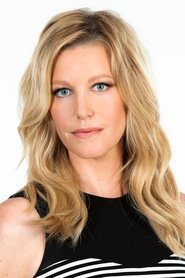 Anna Gunn
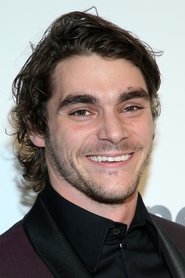 RJ Mitte
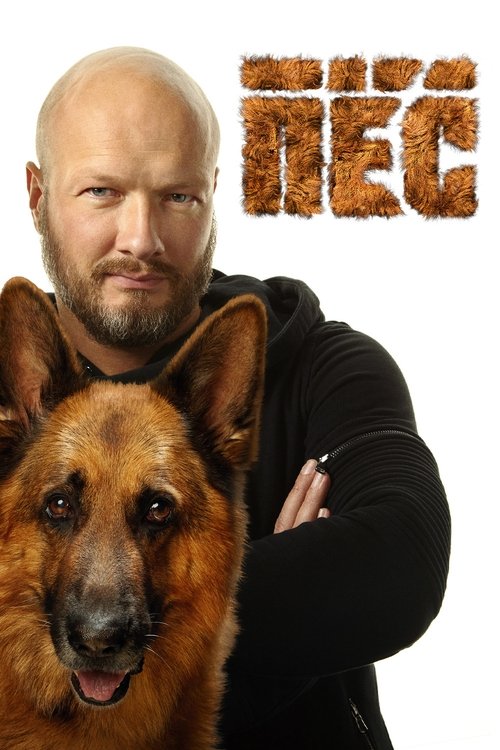
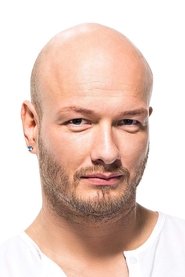 Nikita Panfilov
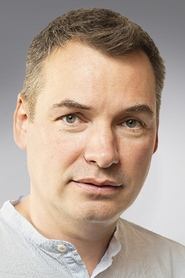 Andrii Saminin
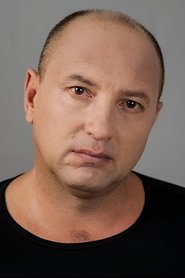 Mykhailo Zhonin
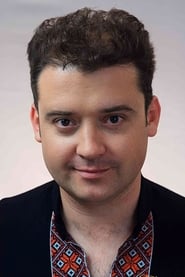 Denys Rodnianskyi
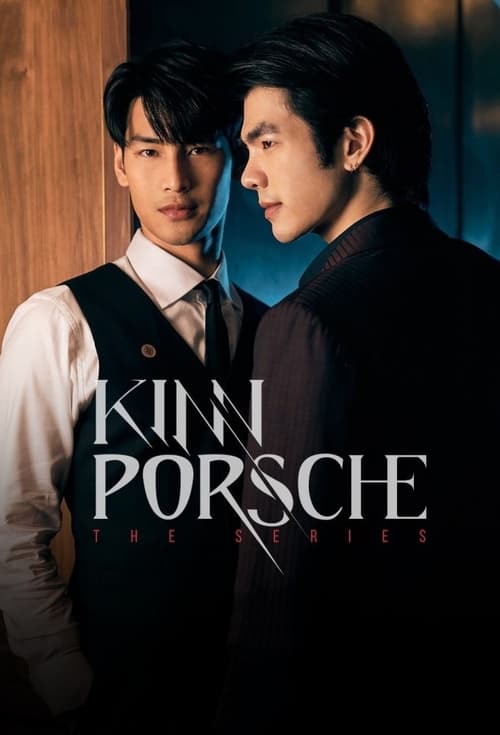
 Phakphum Romsaithong
 Nattawin Wattanagitiphat
 Wichapas Sumettikul
 Jakapan Puttha
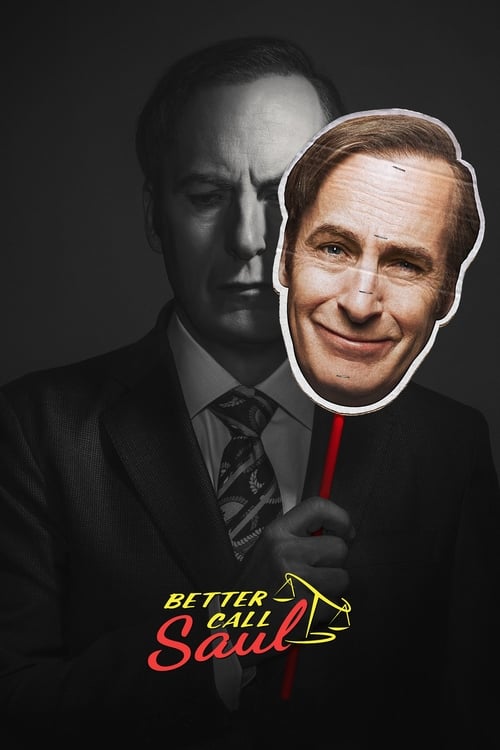
 Bob Odenkirk
 Jonathan Banks
 Rhea Seehorn
 Tony Dalton
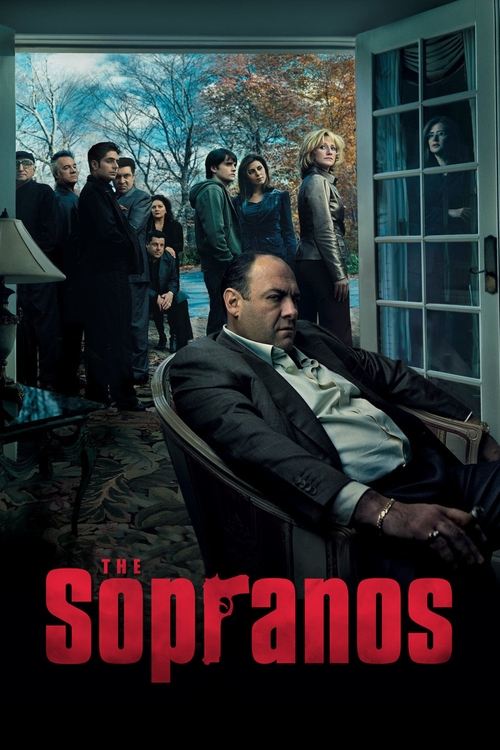
 James Gandolfini
 Edie Falco
 Jamie-Lynn Sigler
 Robert Iler

 Kaan Urgancu0131ou011flu
 Pu0131nar Deniz
 Uu011fur Polat
 Zeyno Eracar

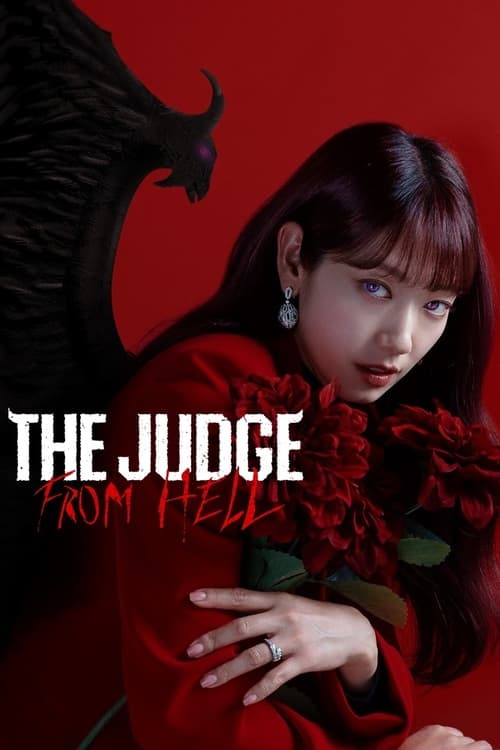
 Park Shin-hye
 Kim Jae-young
 Kim Ah-young
 Kim In-kwon
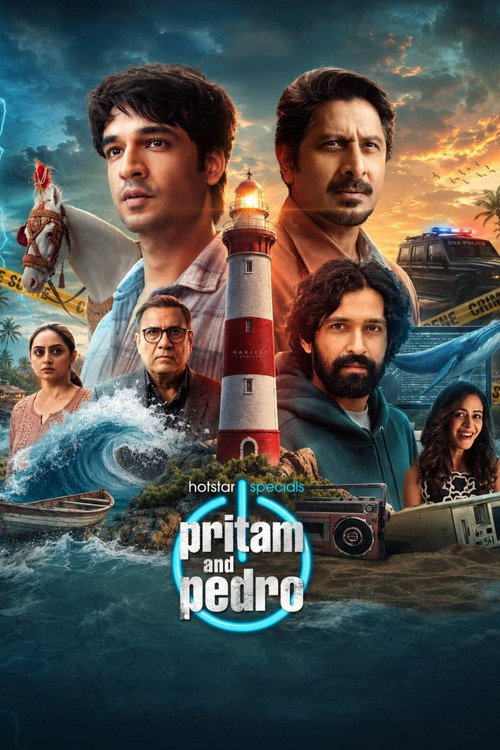
 Arshad Warsi
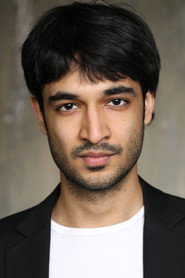 Vir Hirani
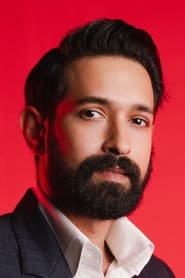 Vikrant Massey
 Shruti Marathe


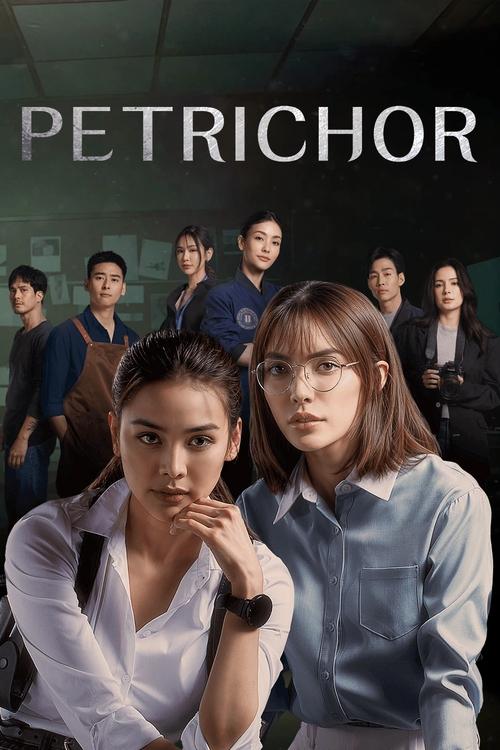
 Engfa Waraha
 Charlotte Austin
 Malin Sae-lim
 Rina Chatamonchai
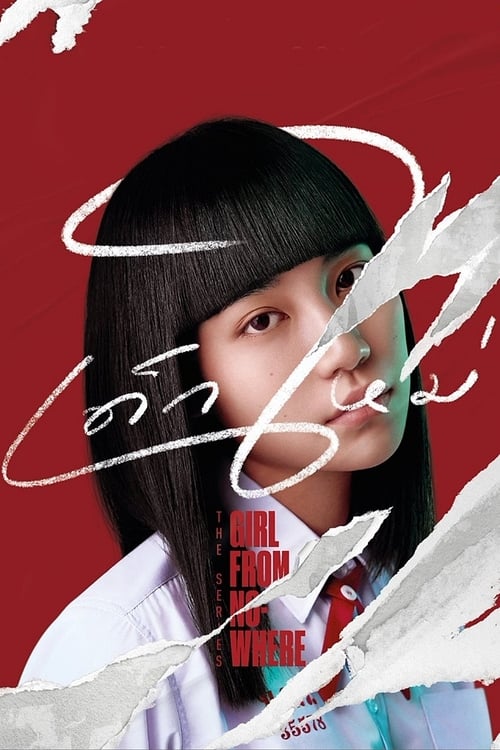

 Liao Fan
 Bai Yu
 Zhao Yang
 Lu00fc Xiaolin
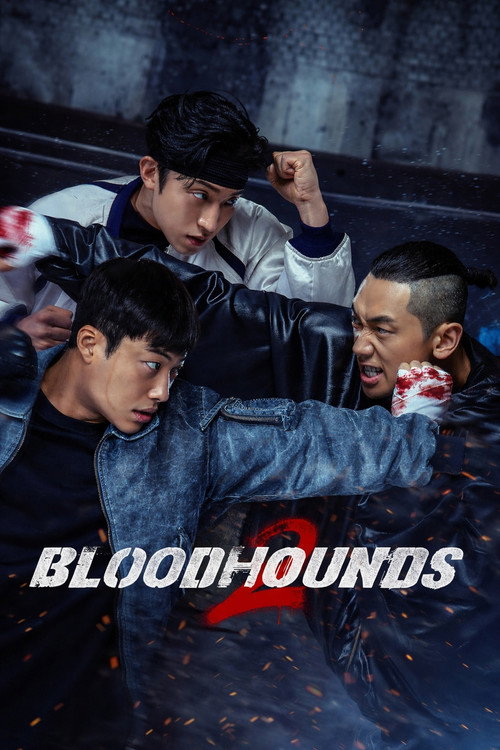
 Woo Do-hwan
 Lee Sang-yi
 Rain

 KENN


 Bill Kurtis
 Atthaphan Phunsawat
 Jumpol Adulkittiporn
 Kanaphan Puitrakul
 Tanutchai Wijitvongtong

 Steve Martin
 Martin Short
 Selena Gomez
 Michael Cyril Creighton
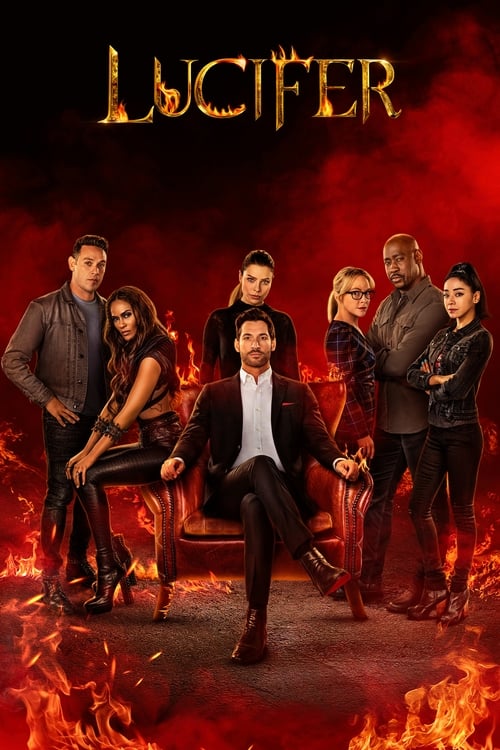
 Louis Hofmann
 Nicolas Cage
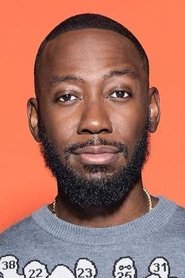 Lamorne Morris
 Li Jun Li
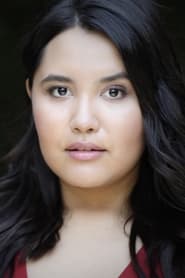 Karen Rodriguez

 Charlie Hunnam
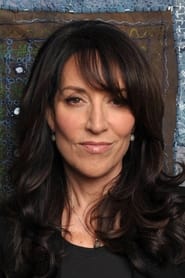 Katey Sagal
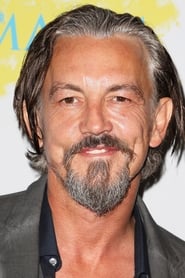 Tommy Flanagan
 Mark Boone Junior
 KJ Apa
 Lili Reinhart
 Camila Mendes
 Cole Sprouse
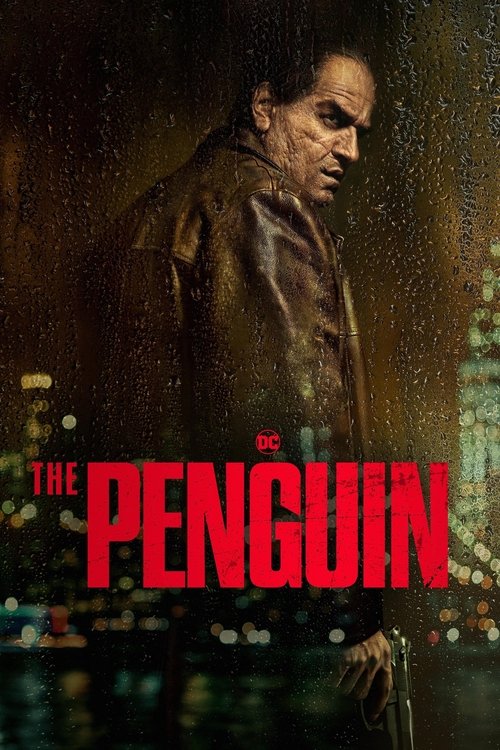
 Colin Farrell
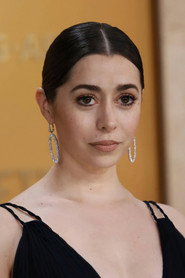 Cristin Milioti
 Rhenzy Feliz
 Deirdre O'Connell

 Satomi Ishihara
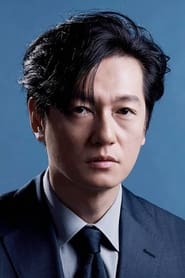 Arata Iura
 Masataka Kubota
 Mikako Ichikawa

 Kim You-jung
 Kim Young-dae
 Kim Do-hoon
 Lee Yul-eum


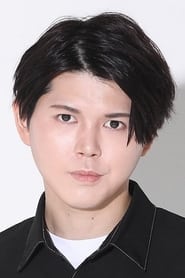 Yuuki Shin
 Azumi Waki
 Ryota Osaka
 Yuu Hayashi
 Kenan u0130mirzalu0131ou011flu
 Cansu Dere
 Yiu011fit u00d6zu015fener
 Baru0131u015f Falay

 Richard Mofe-Damijo
 Nse Ikpe-Etim
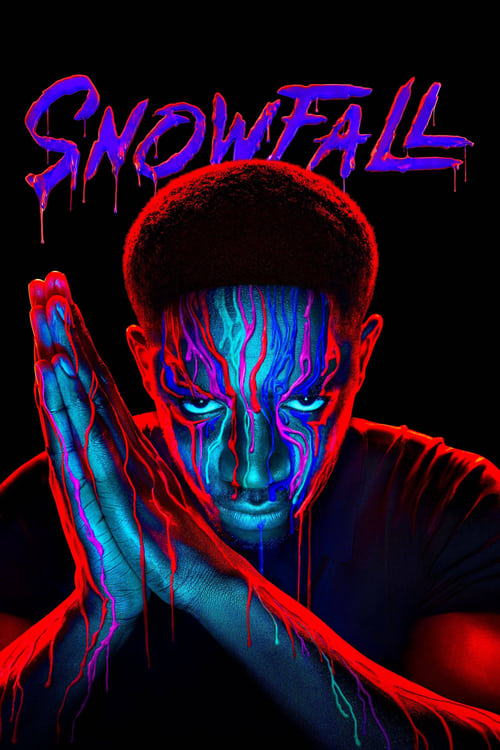
 Damson Idris
 Carter Hudson
 Sergio Peris-Mencheta
 Michael Hyatt
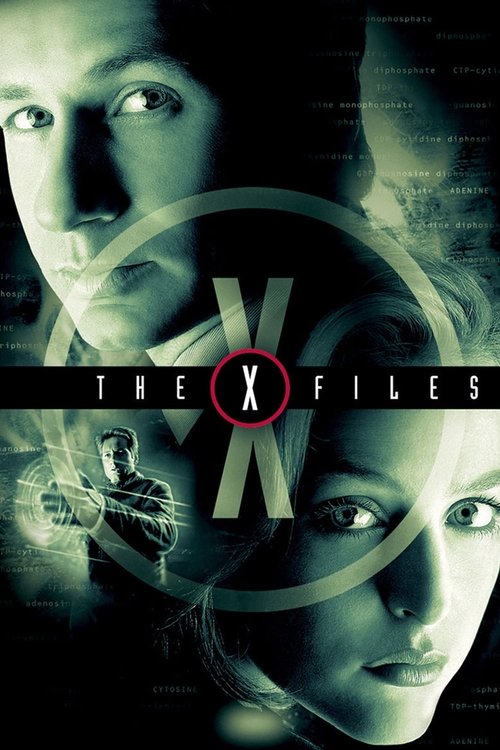
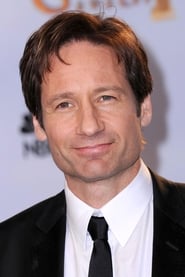 David Duchovny
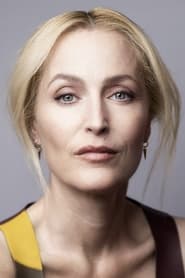 Gillian Anderson
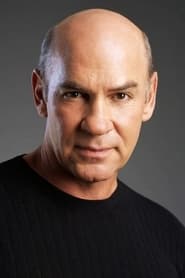 Mitch Pileggi
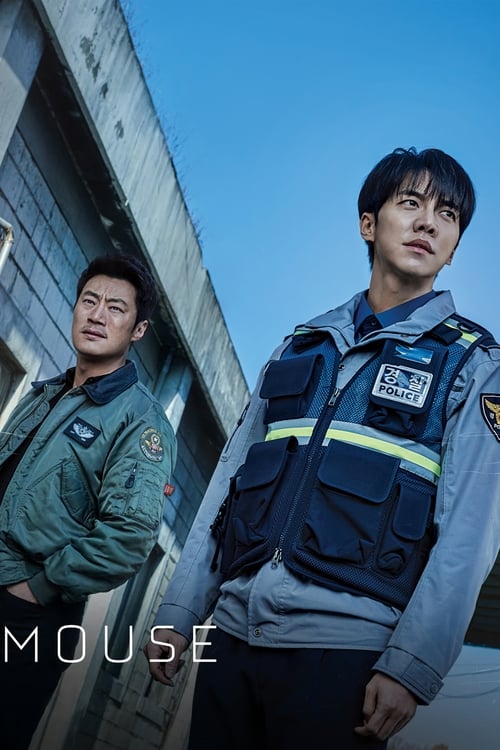
 Lee Seung-gi
 Lee Hee-jun
 Park Ju-hyun
 Kwon Hwa-woon
 Tom Hardy
 Pierce Brosnan
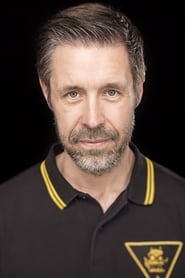 Paddy Considine
 Joanne Froggatt

 Lee Jong-suk
 Yoona
 Kim Ju-hun
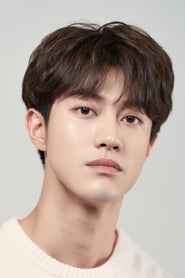 Kwak Dong-yeon

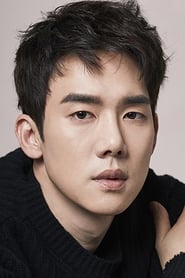 Yoo Yeon-seok
 Chae Soo-bin
 Heo Nam-jun
 Jang Gyu-ri

 Yuya Hozumi
 Ayano Shibuya
 Shizuka Ishigami
 Natsuki Aikawa
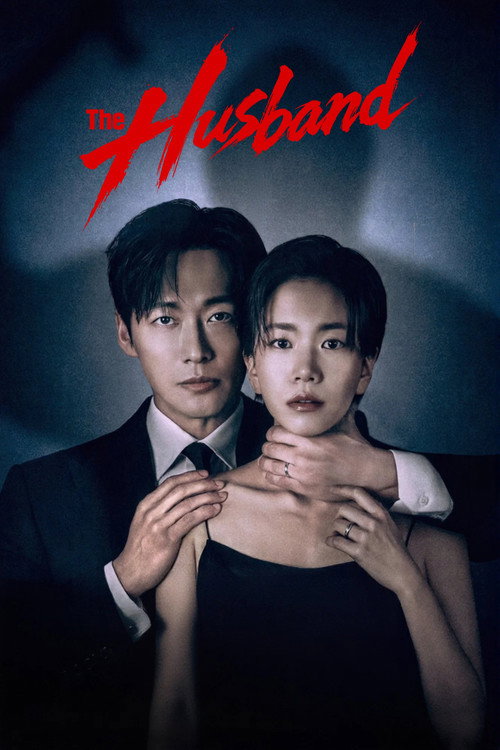
 Namkoong Min
 Lee Seol
 Kim Dae-myung
 Lee Sang-hee

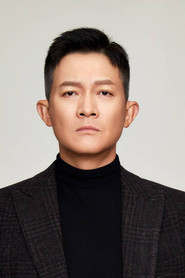 Yang Zhigang
 Yang Xuwen
 Gao Siwen
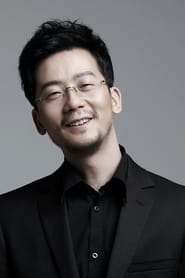 Chen Chuang

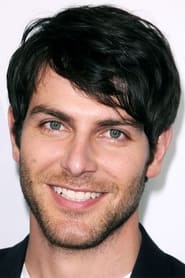 David Giuntoli
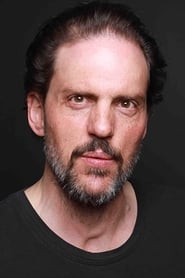 Silas Weir Mitchell
 Russell Hornsby
 Sasha Roiz
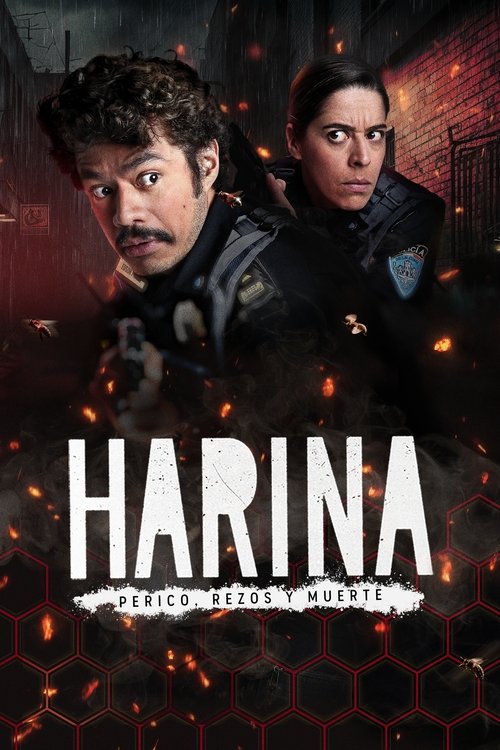
 Memo Villegas
 Veru00f3nica Bravo
 Luis Fernando Peu00f1a
 Dagoberto Gama
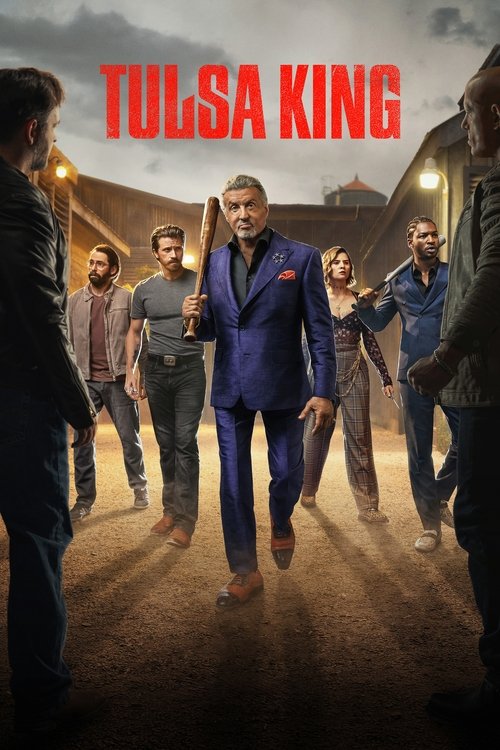
 Sylvester Stallone
 Martin Starr
 Jay Will
 Annabella Sciorra
 Scott Ryan
 Brooke Satchwell
 Jeremy Sims

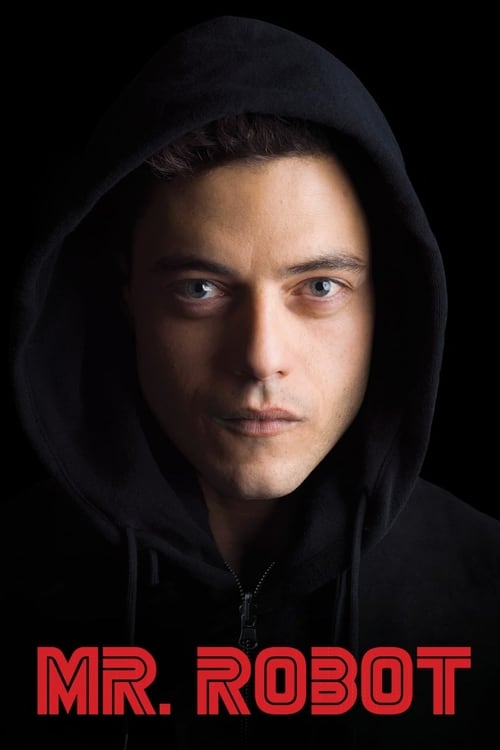
 Rami Malek
 Christian Slater
 Carly Chaikin

 Pan Yueming
 Wang Longzheng
 Liang Yuan
 Yin Shuyi
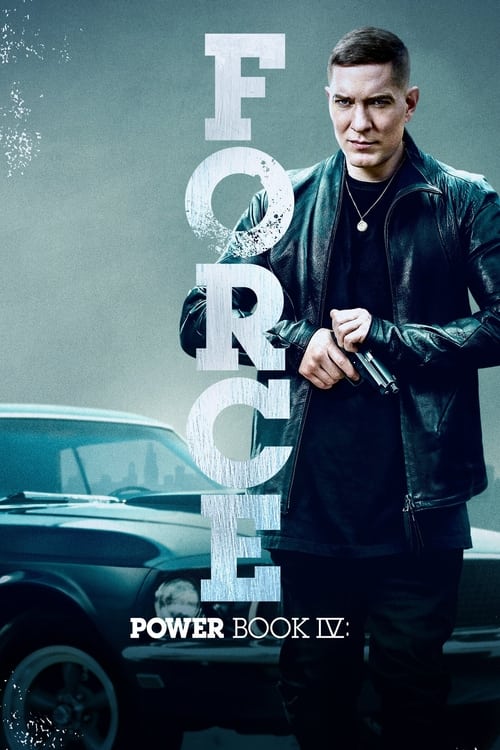
 Joseph Sikora
 Carmela Zumbado
 Manuel Eduardo Ramirez
 Chris Tardio

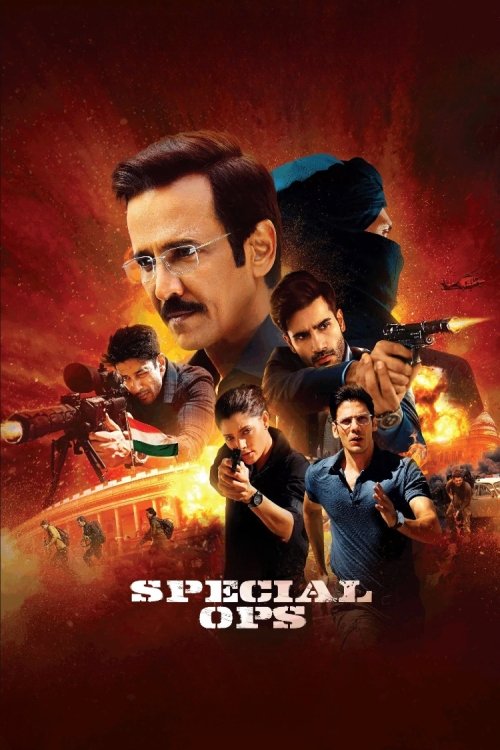
 Kay Kay Menon
 Gautami Kapoor
 Vinay Pathak
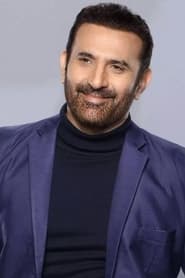 Parmeet Sethi
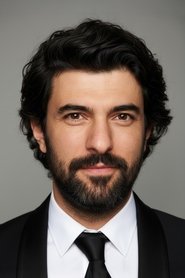 Engin Akyu00fcrek
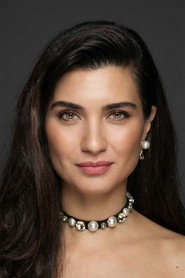 Tuba Bu00fcyu00fcku00fcstu00fcn
 Erkan Can
 Saygu0131n Soysal

 Lee Joon-gi
 Moon Chae-won
 Jang Hee-jin
 Seo Hyun-woo

 u00darsula Corberu00f3
 Itziar Ituu00f1o
 u00c1lvaro Morte
 Pedro Alonso

 Matt Bomer
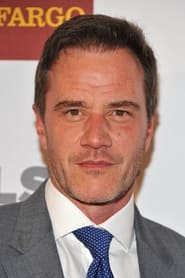 Tim DeKay
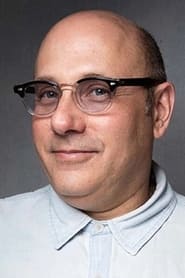 Willie Garson
 Tiffani-Amber Thiessen
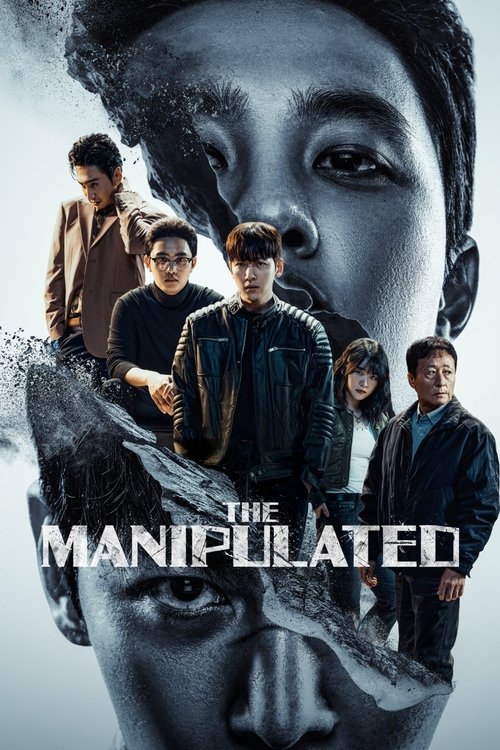
 Ji Chang-wook
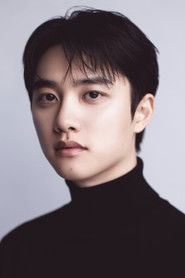 Doh Kyung-soo
 Lee Kwang-soo
 Jo Yoon-soo

 Robinson Du00edaz
 Diego Cadavid
 Flora Martu00ednez
 Frank Ramu00edrez
 Lee Je-hoon
Kim Hye-soo
 Cho Jin-woong
 Jang Hyun-sung
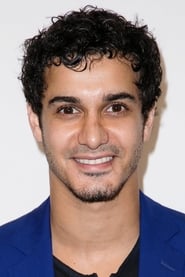 Elyes Gabel
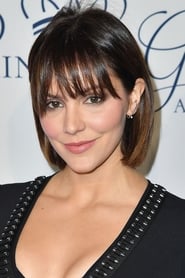 Katharine McPhee
 Jadyn Wong
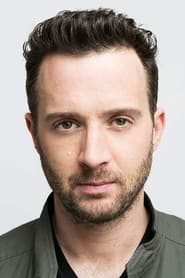 Eddie Kaye Thomas

 Lee Je-hoon
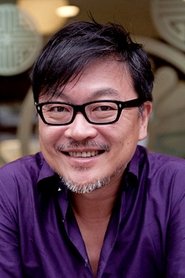 Kim Eui-sung
 Pyo Ye-jin
 Jang Hyuk-jin

 Jeremy Brett
 Edward Hardwicke
 Rosalie Williams
 Patrick Gibson
Christian Slater
 Molly Brown
 James Martinez
 Stephen Bogaert

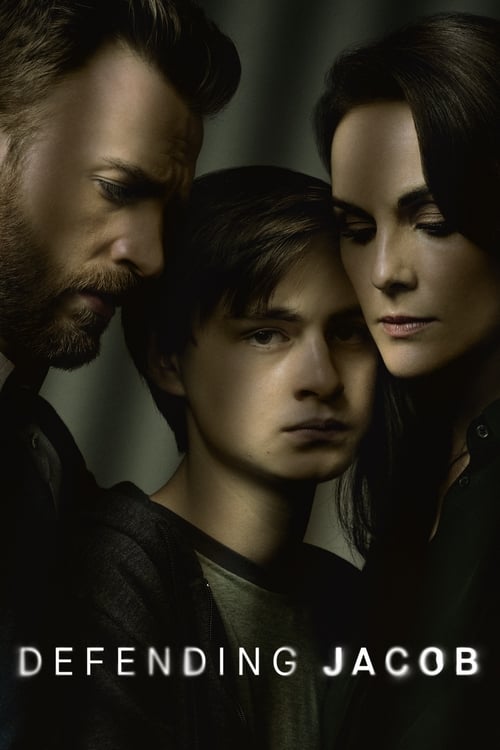
 Jason Bateman
 Laura Linney
 Sofia Hublitz
 Skylar Gaertner

 Zhang Yi
 Zhang Songwen
 Li Yitong
 Zhang Zhijian
 Pedro Alonso
 Michelle Jenner
 Tristu00e1n Ulloa
 Begou00f1a Vargas
 Michael Rainey Jr.
 Shane Johnson
 Mary J. Blige
 Woody McClain

 Nattapol Diloknawarit
 Pakorn Thanasrivanitchai
 Sapol Assawamunkong
 Patara Eksangkul
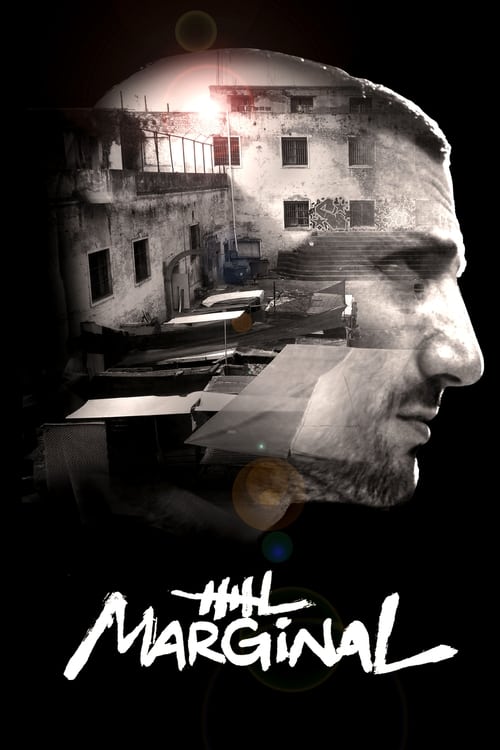
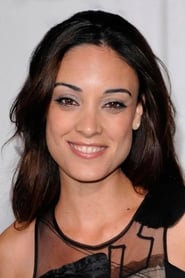 Martina Gusmu00e1n
 Claudio Rissi
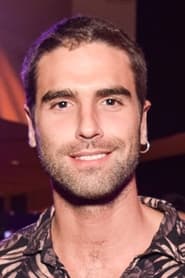 Nicolu00e1s Furtado
 Gerardo Romano

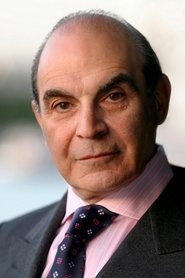 David Suchet
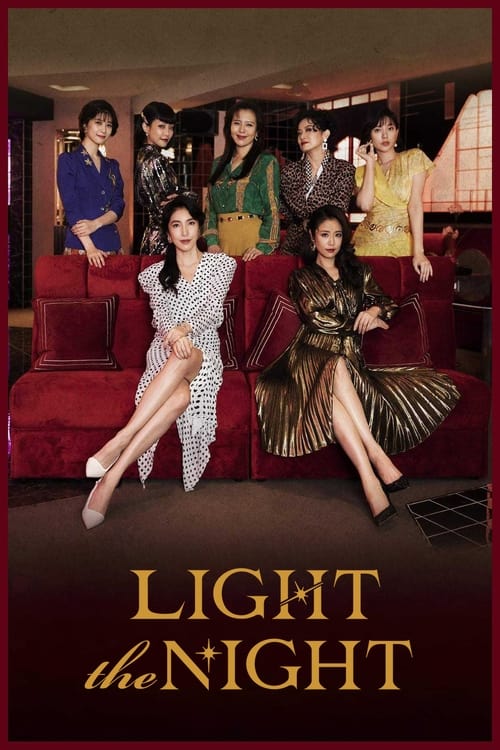
 Charlie Cox
 Vincent D'Onofrio
 Wilson Bethel
 Deborah Ann Woll
 Charlie Cox
Deborah Ann Woll
 Elden Henson
Vincent D'Onofrio
 Bjarne Mu00e4del


 Park Bo-young
 Kim Sung-cheol
 Lee Hyun-wook
Lee Kwang-soo
 Jottapu00ea
 Christian Malheiros
 Bruna Mascarenhas
 Leilah Moreno

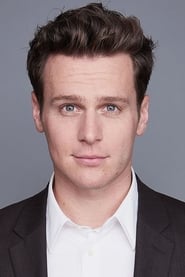 Jonathan Groff
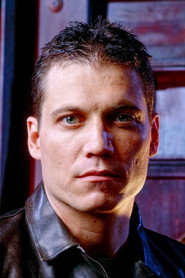 Holt McCallany
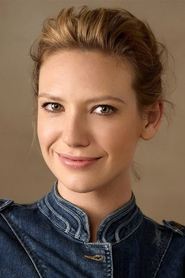 Anna Torv
 Stacey Roca

 Kim Dong-hee
Park Ju-hyun
 Jung Da-bin
 Nam Yoon-su




 Surya Sharma
 Ankur Rathee
 Ayn Zoya
 Vaarun Bhagat
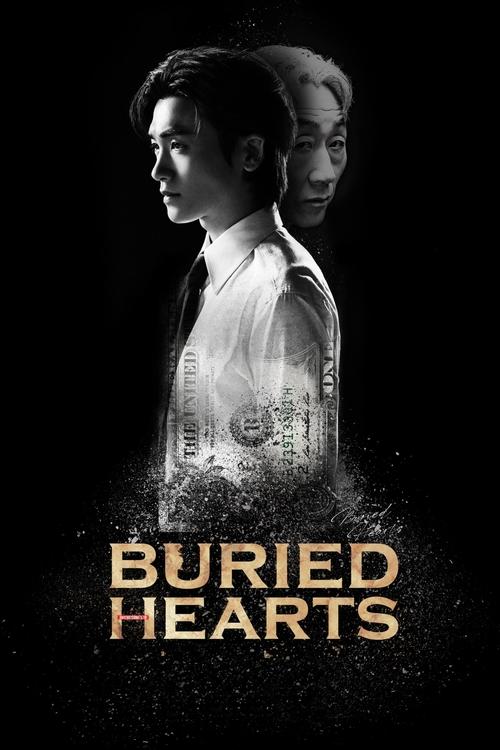

 Masato Hagiwara
 Fumihiko Tachiki
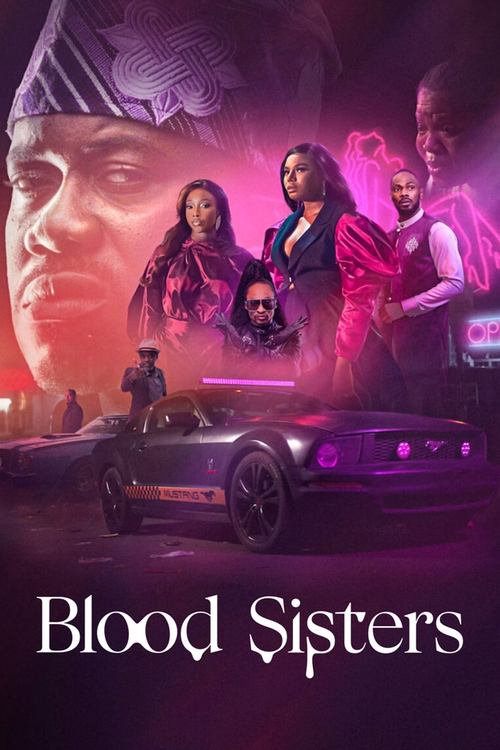


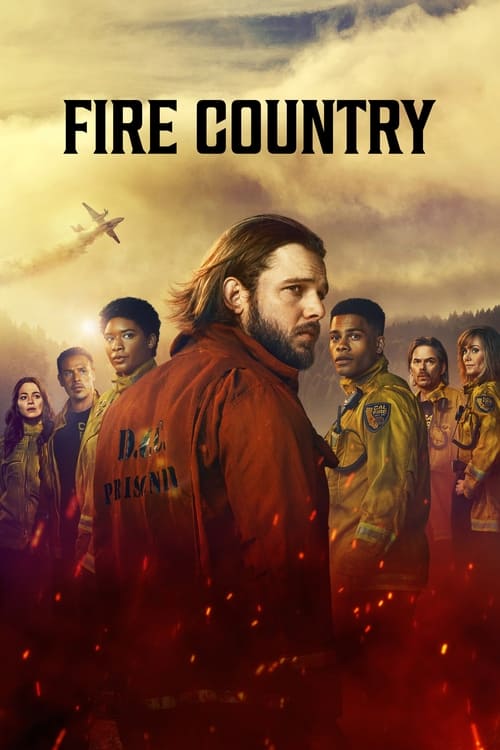
 Max Thieriot
 Kevin Alejandro
 Jordan Calloway
 Jules Latimer

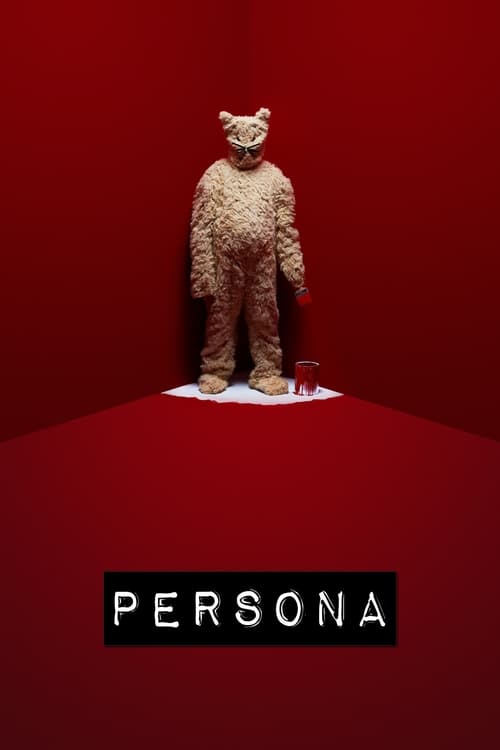
 Haluk Bilginer
 Erdal u00d6zyau011fcu0131lar
 u015eebnem Bozoklu
 u0130lker Aksum


 Lino Guanciale
 Antonio Milo
 Serena Iansiti
 Maria Vera Ratti
 Deniz Can Aktau015f
 Miray Daner
 Mehmet Korhan Fu0131rat
 Naz u00c7au011fla Irmak

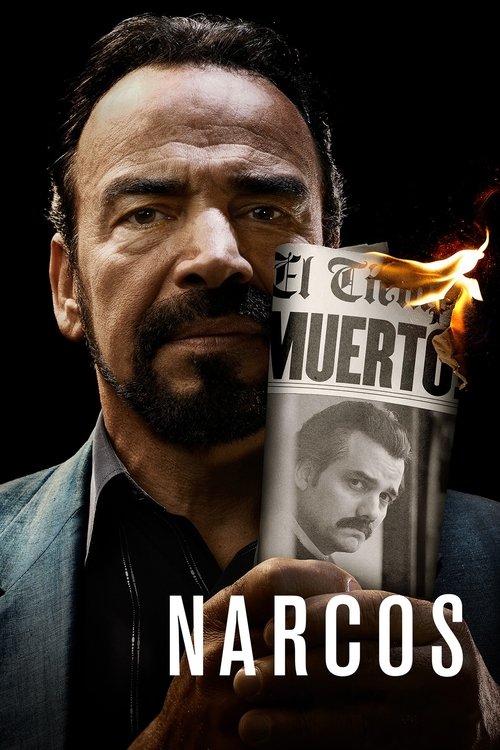
 Lee Jong-suk
 Park Hae-jin
 Jin Se-yeon
 Kang So-ra
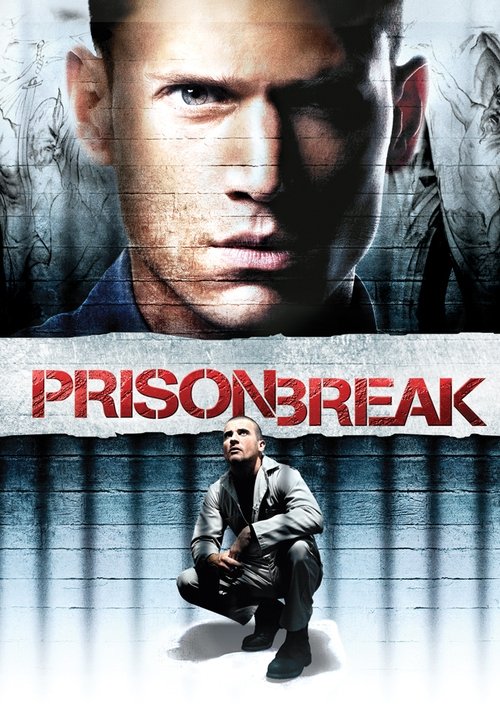
 Wentworth Miller
 Dominic Purcell
 Sarah Wayne Callies
 Paul Adelstein

 Reece Shearsmith
 Steve Pemberton
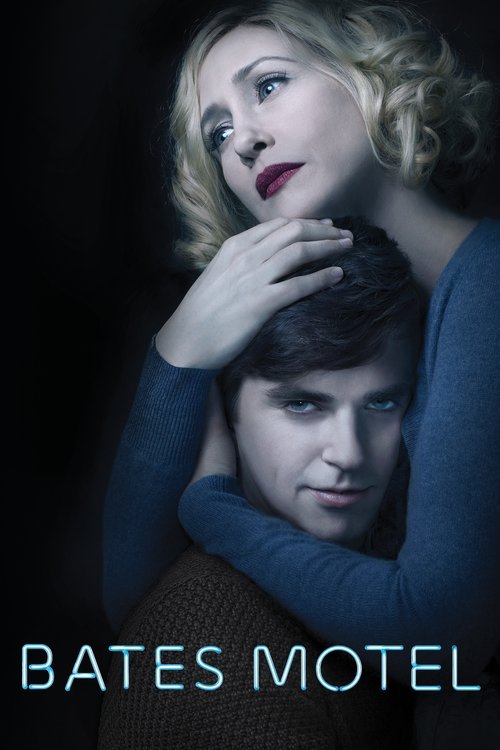
 Vera Farmiga
 Freddie Highmore
Max Thieriot
 Olivia Cooke
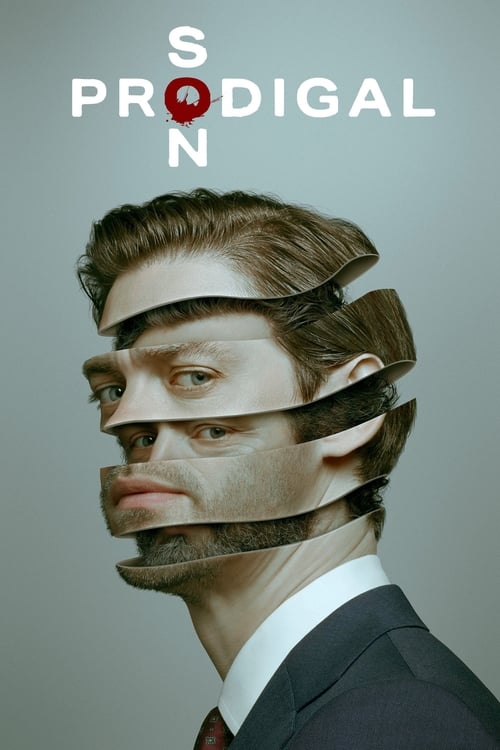
 Tom Payne
 Michael Sheen
 Bellamy Young
 Lou Diamond Phillips
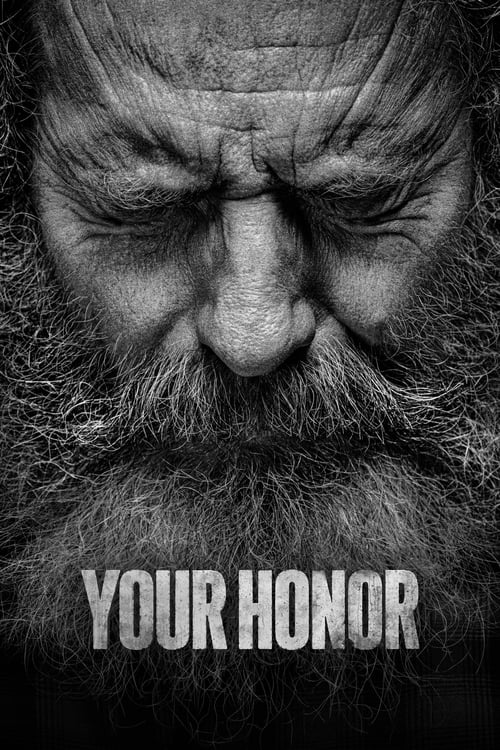 Bryan Cranston
 Hope Davis
 Isiah Whitlock Jr.
Michael Stuhlbarg
 Lee Tergesen
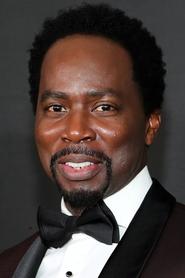 Harold Perrineau
 Dean Winters
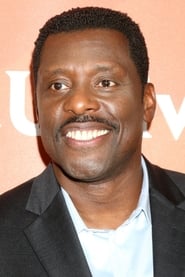 Eamonn Walker

 Sarah Snook
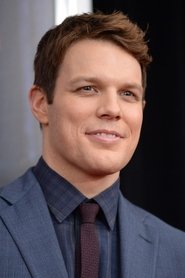 Jake Lacy
 Sophia Lillis
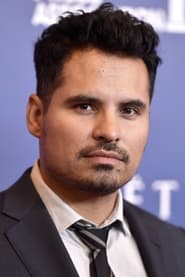 Michael Peu00f1a

 Seo In-guk
 Jung So-min
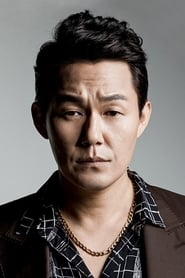 Park Sung-woong
 Seo Eun-soo
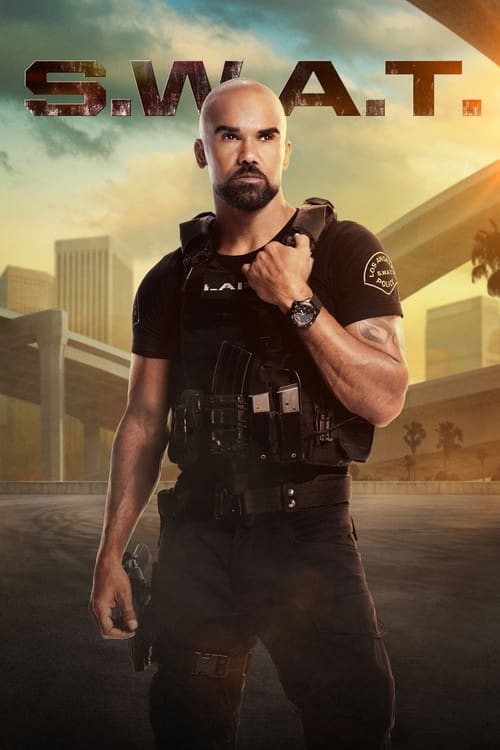
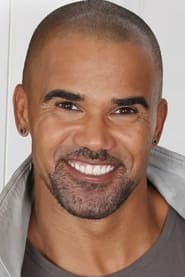 Shemar Moore
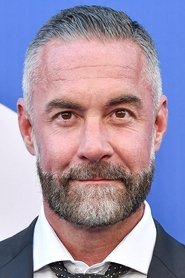 Jay Harrington
 David Lim
 Patrick St. Esprit
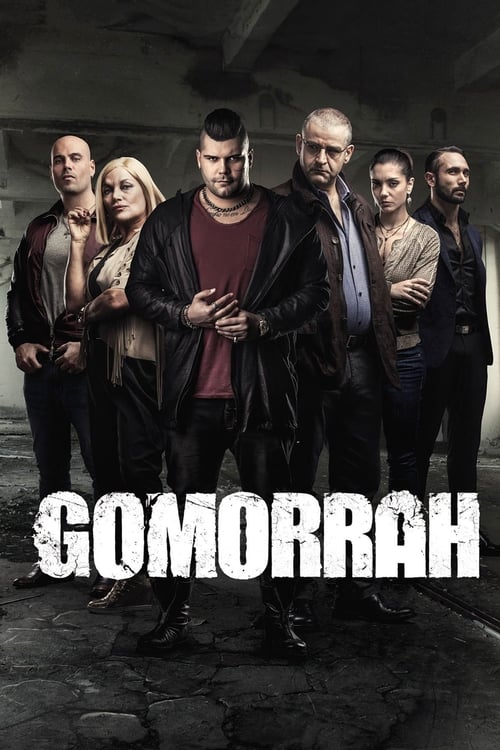
 Salvatore Esposito
 Marco D'Amore
 Ivana Lotito
 Arturo Muselli


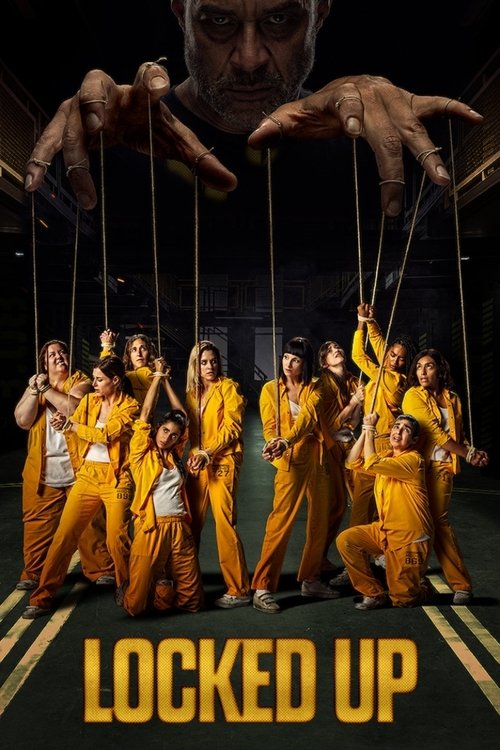
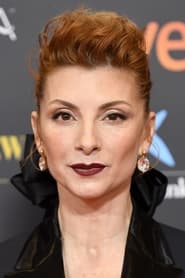 Najwa Nimri
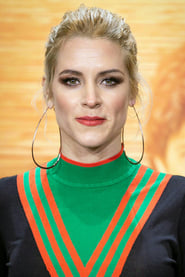 Maggie Civantos
 Berta Vu00e1zquez
 Alba Flores