
Show Adult Titles
Show Adult Posters & Images
3 titles with this tag
In a world overflowing with noise, the power of silence often goes unnoticed. Yet, some of the most compelling movies and TV shows harness silence to create deep emotional resonance, stunning visual storytelling, and unforgettable narratives. Whether it's through minimal dialogue, powerful imagery, or symbolic stillness, these productions prove that sometimes, what isn't said speaks the loudest. Explore our curated list of the best films and series where silence takes center stage, transforming the way we experience storytelling.
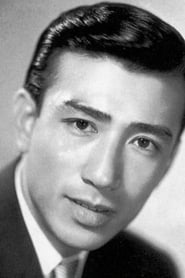 Keiji Sada
 Yoshiko Kuga
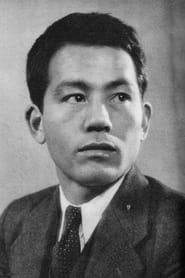 Chishu016b Ryu016b
 Kuniko Miyake
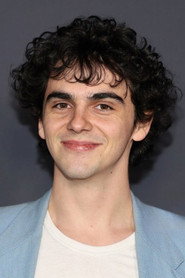 Jack Dylan Grazer
 Marco Barricelli
 Jacob Tremblay
 Gino La Monica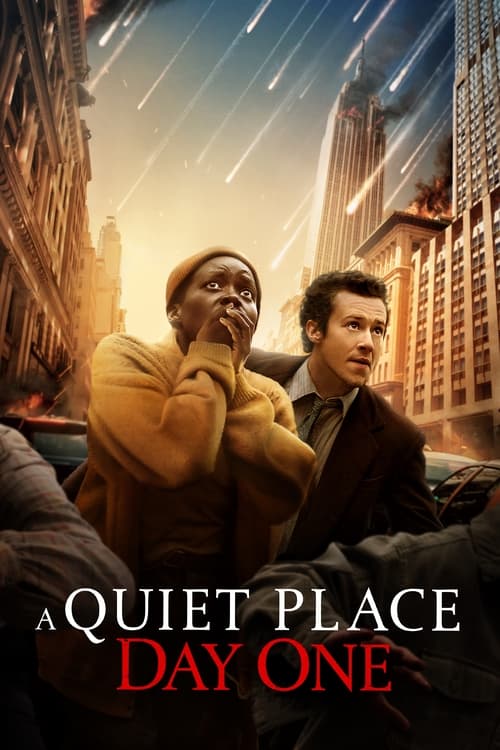
 Lupita Nyong'o
 Joseph Quinn
 Alex Wolff
 Djimon Hounsou
Silence isn’t just the absence of sound—it’s a deliberate storytelling tool that amplifies emotion, tension, and meaning. In an era dominated by explosive action and nonstop dialogue, films and shows that embrace silence stand out by offering a meditative, immersive experience. Silence can evoke mystery, highlight raw human emotions, or emphasize the beauty of a single moment. Directors like Andrei Tarkovsky and Ingmar Bergman mastered this technique, proving that a quiet scene can be more impactful than a thousand words.
Moreover, silence often allows audiences to connect more deeply with characters and themes. Without the distraction of constant chatter, viewers focus on subtle expressions, body language, and environmental sounds—elements that enrich the narrative. For instance, Stanley Kubrick’s "2001: A Space Odyssey" uses silence to underscore the vastness of space and the isolation of its characters, making the experience more haunting and thought-provoking.
Minimalist storytelling thrives on silence, stripping away excess to focus on core emotions and ideas. Films like "The Tree of Life" (2011) directed by Terrence Malick, use long, contemplative shots and sparse dialogue to explore life, memory, and existential questions. The absence of words in such works invites viewers to interpret and reflect, creating a personal connection to the story.
Similarly, "Arrival" (2016) blends science fiction with profound emotional depth, using silence to emphasize the characters' struggles with communication and understanding. The film’s climax, devoid of dialogue, speaks volumes about humanity’s capacity for empathy and connection.
Television has also embraced silence as a powerful narrative device. Shows like "Twin Peaks" (1990-1991) use eerie silences to build suspense and create an unsettling atmosphere. David Lynch’s surreal storytelling often relies on abrupt cuts to silence, leaving viewers questioning reality. More recently, "The Leftovers" (2014-2017) employs quiet, contemplative scenes to explore grief and existential dread, making silence a character in its own right.
Another standout is "Rectify" (2013-2016), which uses long silences to reflect the protagonist’s emotional turmoil and the slow pace of redemption. The show’s minimalist approach allows for deep character development without relying on exposition, proving that TV can be just as powerful as cinema when it comes to silent storytelling.
For those seeking a cinematic or televisual experience that lingers long after the credits roll, silence is the key. These films and shows prove that sometimes, the most profound stories are the ones left unspoken.