Show Adult Titles
Show Adult Posters & Images
2 titles with this tag
Explore films and series that confront the darkest corners of human cruelty, intolerance, and systemic injustice. These powerful narratives serve as both a mirror and a warning, illustrating the consequences of inhumanity across history and society. From wartime atrocities to psychological manipulation, this curated selection challenges viewers to reflect on empathy, resilience, and the fragile boundaries of morality. Dive into stories that demand attention, provoke thought, and inspire change.

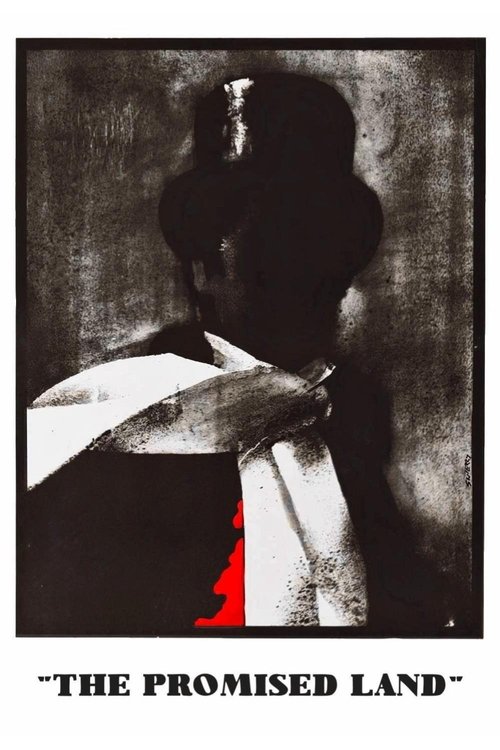
 Daniel Olbrychski
 Wojciech Pszoniak
 Andrzej Seweryn
 Kalina Ju0119drusik
Stories that depict inhumanity often linger in the cultural consciousness because they force us to confront uncomfortable truths about power, prejudice, and human nature. Unlike escapist entertainment, these narratives serve a critical purpose: they educate, evoke empathy, and sometimes even galvanize action. Films and series that explore themes of genocide, oppression, or emotional abuse don’t just entertain—they challenge viewers to examine their own roles in perpetuating or resisting such behaviors. The best of these works balance raw emotion with historical or psychological accuracy, making them indispensable tools for understanding both the past and present.
Historical dramas have a unique ability to bring distant atrocities to life, making the unimaginable feel immediate and visceral. When crafted with care, these productions transcend mere storytelling to become acts of remembrance. One of the most acclaimed examples is Schindler’s List (1993), Steven Spielberg’s harrowing account of Oskar Schindler’s efforts to save over a thousand Jews during the Holocaust. The film’s stark black-and-white cinematography and emotionally charged performances immerse viewers in a world where humanity’s worst impulses collide with moments of profound courage. Similarly, Son of Saul (2015), a Hungarian film set in Auschwitz, adopts a first-person perspective to depict the horrors of the Holocaust with brutal realism, forcing audiences to confront the dehumanization of victims in a way few films dare.
Another standout is 12 Years a Slave (2013), based on Solomon Northup’s memoir. Its unflinching portrayal of slavery’s brutality—highlighted by scenes of psychological and physical torment—earned it widespread acclaim and an Academy Award for Best Picture. These films don’t just recount history; they challenge us to bear witness, ensuring that the stories of those who suffered are never forgotten.
While historical dramas provide essential context, modern stories about inhumanity often reflect contemporary issues like systemic racism, digital exploitation, and psychological manipulation. One gripping example is the HBO series The White Lotus (2021–present), which critiques classism and colonialism through the lens of a luxury resort where guests’ privilege clashes with the exploitation of local workers. The show’s dark humor and sharp social commentary make it both entertaining and thought-provoking.
Another must-watch is Parasite (2019), the first non-English-language film to win the Oscar for Best Picture. Bong Joon-ho’s masterpiece dissects class inequality in South Korea, where a poor family infiltrates a wealthy household through deception and manipulation. The film’s climax—a violent and unexpected turn—serves as a stark reminder of how systemic injustice can erupt into chaos. For viewers seeking psychological depth, The Social Dilemma (2020), a documentary-drama hybrid, exposes the inhumanity embedded in social media algorithms, revealing how digital platforms exploit human vulnerabilities for profit.
While these films and series are invaluable for education and reflection, it’s important to approach them with sensitivity. Inhumanity is often traumatic, and consuming such content without context or self-care can be emotionally taxing. Experts recommend watching these works in moderation, discussing them with others, or pairing them with uplifting content to restore emotional balance. Additionally, pairing films like Schindler’s List with lighter fare can help process heavy themes without feeling overwhelmed.
For those looking to deepen their understanding, pairing these narratives with books, documentaries, or historical texts can provide additional context. For example, reading Night by Elie Wiesel alongside Schindler’s List offers a more comprehensive view of Holocaust survival. Similarly, watching The Act of Killing (2012), a documentary where perpetrators reenact their crimes, alongside 12 Years a Slave can broaden perspectives on systemic violence.
Ultimately, the goal of engaging with these stories isn’t just to feel shock or sadness—it’s to cultivate empathy, spur dialogue, and inspire action. Whether through film festivals, educational screenings, or personal reflection, these narratives have the power to transform audiences when approached thoughtfully.