
Show Adult Titles
Show Adult Posters & Images
1 titles with this tag
Dive into a curated collection of the best movies and TV shows that explore the art of composition—from the visual storytelling in cinema to the narrative structure in television. Whether you're a filmmaker, writer, or enthusiast, these titles offer unique insights into how composition shapes emotion, meaning, and audience engagement. Discover films that master the rule of thirds, TV shows with impeccable shot framing, and documentaries that dissect the language of visual composition. Perfect for creatives and cinephiles alike.
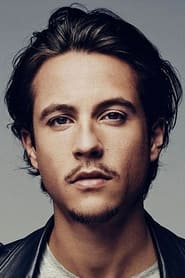 Nekfeu
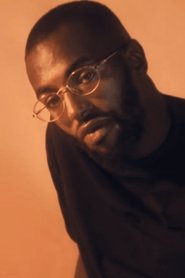 Alpha Oumar Wann
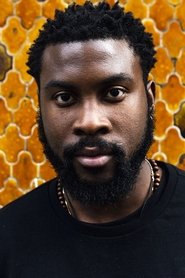 Damso
DamsoComposition is the backbone of visual storytelling, guiding the viewer’s eye and shaping their emotional response. In film and TV, every frame is a carefully crafted composition that influences how we perceive characters, themes, and narratives. A well-composed shot can evoke tension, intimacy, or grandeur without a single word being spoken. For aspiring filmmakers and writers, studying composition in great movies and shows provides invaluable lessons in visual language.
Classic cinema is a masterclass in composition, where directors like Alfred Hitchcock and Stanley Kubrick used framing, lighting, and camera movement to create iconic visuals. Hitchcock’s Psycho (1960) is a textbook example of how composition builds suspense—the infamous shower scene uses tight close-ups and dynamic angles to immerse the viewer in terror. Similarly, Kubrick’s 2001: A Space Odyssey (1968) employs symmetrical compositions to evoke themes of order and humanity’s place in the universe.
Another standout is The Grand Budapest Hotel (2014), directed by Wes Anderson. Anderson’s signature style—bold colors, symmetrical framing, and meticulous set design—creates a visually stunning world that feels both whimsical and deliberate. These films prove that composition isn’t just about aesthetics; it’s a storytelling tool that enhances narrative depth.
Television has evolved into a medium where composition plays a pivotal role in character development and world-building. Shows like Breaking Bad (2008–2013) use tight framing and strategic camera angles to emphasize power dynamics between characters. For example, low-angle shots make Walter White appear dominant, while high-angle shots diminish his adversaries, reinforcing the show’s themes of control and moral decay.
Another exemplary series is True Detective (2014–present). The show’s cinematography, particularly in Season 1, employs long takes and natural lighting to create a moody, immersive atmosphere. The composition in scenes like the iconic “car chase” sequence isn’t just visually striking—it serves the narrative, blurring the lines between beauty and decay.
For those looking to deepen their understanding, documentaries offer a behind-the-scenes look at how composition is crafted. Visions of Light: The Art of Cinematography (1992) explores how cinematographers use light, color, and framing to tell stories. It features interviews with legends like Vittorio Storaro and Haskell Wexler, providing insights into their creative processes.
Composition isn’t just a technical skill—it’s an art form that elevates storytelling. By studying these movies, TV shows, and documentaries, you’ll gain a deeper appreciation for how visual composition shapes the stories we love. Whether you’re analyzing a Kubrick frame or dissecting a Wes Anderson tableau, the principles of composition will transform how you see—and create—visual narratives.