
Show Adult Titles
Show Adult Posters & Images
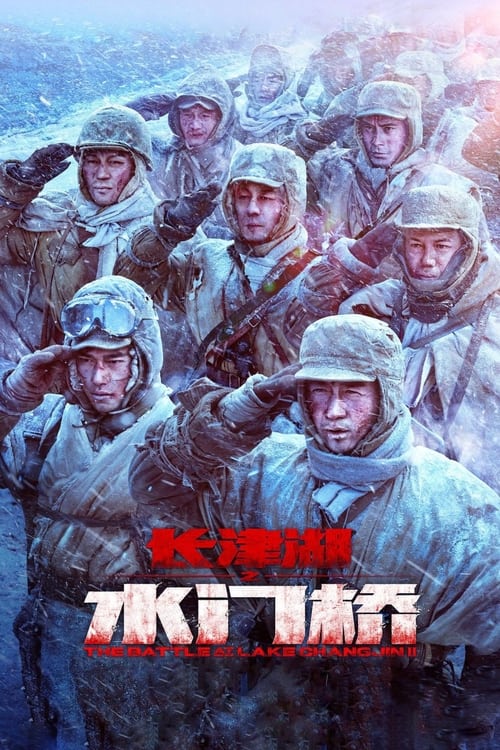
1 titles with this tag
Explore a curated selection of the best movies and TV shows that delve into the gripping world of communist propaganda. From classic Cold War-era films to modern interpretations, this collection offers a deep dive into the ideological narratives, historical contexts, and cinematic masterpieces that shaped—or critiqued—communist regimes. Whether you're a history buff, a film enthusiast, or simply curious about propaganda's powerful role in media, this archive uncovers thought-provoking titles that challenge and enlighten. Unlock the stories behind the silver screen’s most compelling portrayals of communist influence.
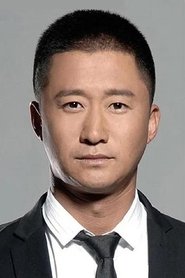 Wu Jing
 Jackson Yee
 Zhu Yawen
 Jerry Lee
Communist propaganda has left an indelible mark on global media, shaping public perception and influencing political discourse for decades. Films and TV shows have long served as tools for state-sponsored narratives, embedding ideological messages into entertainment. From the Soviet Union’s Battleship Potemkin to China’s The Founding of a Republic, these works reflect the intersection of art and politics, often blurring the line between propaganda and genuine storytelling. Understanding this influence requires examining both overtly propagandistic works and subtler critiques that expose the flaws of communist systems.
The mid-20th century marked the heyday of state-controlled cinema, particularly in the Soviet Union, Eastern Europe, and China. Directors under communist regimes were often tasked with creating works that glorified the state, demonized capitalism, or celebrated revolutionary heroes. Iconic films like October (1928) by Sergei Eisenstein and The Cranes Are Flying (1957) exemplify how propaganda was woven into cinematic storytelling. These films were not merely entertainment; they were instruments of ideological indoctrination, designed to mold public opinion and reinforce loyalty to the regime.
In Eastern Europe, directors like Jiří Menzel in Czechoslovakia and Andrzej Wajda in Poland navigated the constraints of censorship to produce films that subtly critiqued communist rule. Works like Closely Watched Trains (1966) and The Promised Land (1975) blend dark humor with poignant social commentary, offering a glimpse into life under authoritarian regimes. Meanwhile, Chinese cinema during the Cultural Revolution produced films like Taking Tiger Mountain by Strategy (1969), which glorified revolutionary struggle and Maoist ideology.
While overt communist propaganda has waned in the post-Cold War era, its themes and techniques continue to influence modern storytelling. Contemporary films and TV shows often revisit communist regimes to explore their legacy, corruption, and human cost. For instance, The Lives of Others (2006), a German drama set in East Germany, masterfully depicts the surveillance state and the psychological toll of living under communist rule. Similarly, Tinker Tailor Soldier Spy (2011) and its TV adaptations delve into the espionage wars that defined the Cold War, highlighting the propaganda battles between superpowers.
Streaming platforms like Netflix and HBO have also contributed to this conversation with series such as Years and Years (2019) and The Americans (2013–2018). These shows use retrofuturism and historical parallels to critique authoritarianism, often drawing on the tactics of communist propaganda to explore themes of control, propaganda, and resistance. Even animated series like South Park have tackled communist ideology, albeit in a satirical vein, mocking both leftist utopianism and capitalist hypocrisy.
Whether you're interested in raw propaganda, historical dramas, or modern critiques, this list highlights essential viewing for anyone exploring communist influence in media: