
Show Adult Titles
Show Adult Posters & Images
2 titles with this tag
Dive into the thrilling world of chambara—Japan's iconic sword-fighting cinema that blends action, drama, and historical intrigue. From classic samurai epics to modern reinterpretations, chambara films and TV shows offer a unique blend of choreographed combat and deep storytelling. Whether you're a longtime fan or a curious newcomer, this guide highlights the best chambara media to explore, ensuring unforgettable adventures with every stroke of the blade.
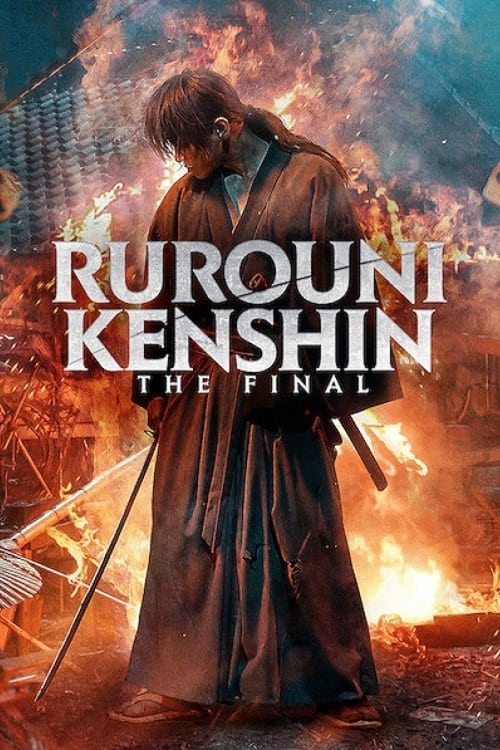
 Takeru Satoh
 Emi Takei
 Mackenyu
 Munetaka Aoki
 Tak Sakaguchi
 Hideo Sakaki
 Kenji Matsuda
 Minoru Matsumoto
Chambara, derived from the Japanese onomatopoeia for the sound of swords clashing ("chan-bara"), traces its roots to samurai films of the 1920s. The genre truly flourished in the post-war era, with Akira Kurosawa's masterpiece The Seven Samurai (1954) setting a global benchmark for action choreography and narrative depth. Kurosawa's innovative use of long takes and dynamic framing influenced generations of filmmakers, including Sergio Leone and George Lucas.
The golden age of chambara spanned the 1950s to the 1970s, producing legendary directors and stars. Toshiro Mifune, Kurosawa's frequent collaborator, became synonymous with the genre through roles like Yojimbo (1961) and Sanjuro (1962). These films blended social commentary with visceral swordplay, often critiquing feudal Japan's corruption. Meanwhile, Kazuo Koike and Goseki Kojima's manga Lone Wolf and Cub (1970) later inspired a wave of revenge-themed chambara, emphasizing emotional intensity alongside combat.
The 21st century has seen a resurgence of chambara, with filmmakers reimagining the genre for contemporary audiences. Takeshi Miike's 13 Assassins (2010) and Yojiro Takita's Confessions (2010) showcase intricate sword fights alongside modern cinematic techniques. Anime and live-action TV have also embraced the genre, blending traditional aesthetics with futuristic storytelling.
Television has given chambara new life through serialized storytelling. Samurai Champloo (2004), directed by Shinichirō Watanabe, fuses hip-hop culture with Edo-period swordplay, appealing to younger audiences. Meanwhile, Rurouni Kenshin (1996–1998) revitalized the shonen genre, featuring a wandering swordsman navigating post-Meiji Japan. Anime series often excel in visualizing choreographed battles, with studios like Ufotable and MAPPA delivering breathtaking duels.
For fans seeking deeper dives, chambara literature and behind-the-scenes analyses—such as The Films of Akira Kurosawa by Donald Richie—offer context on the genre's cultural impact. Whether you prefer historical accuracy or genre-bending creativity, the world of chambara promises endless discovery, where every battle tells a story.