
Show Adult Titles
Show Adult Posters & Images
3 titles with this tag
Workplace bullying isn’t just a corporate buzzword—it’s a pervasive issue that affects millions of professionals worldwide. From subtle microaggressions to overt emotional abuse, toxic cultures in the office can erode mental health and career growth. The best stories about workplace bullying don’t just dramatize these experiences—they reveal the raw truths behind power imbalances, gaslighting, and the courage it takes to stand up. Whether you're seeking validation, advocacy, or a mirror to your own experiences, these films and TV shows offer gripping narratives that expose and challenge workplace toxicity.

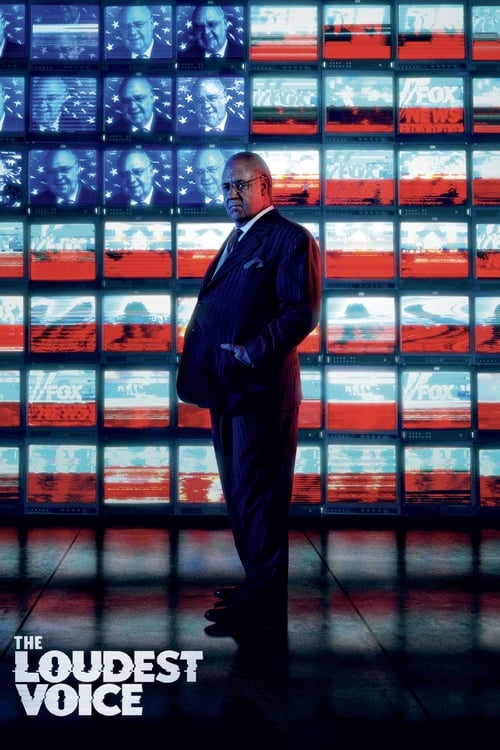
 Russell Crowe
 Sienna Miller
 Josh Stamberg
 Aleksa Palladino
 Rachel McAdams
 Dylan O'Brien
 Edyll Ismail
 Dennis Haysbert
In an era where "quiet quitting" and "toxic productivity" dominate workplace discourse, films and TV shows about bullying in the workplace serve as both cautionary tales and rallying cries. These narratives don’t just entertain—they educate viewers on recognizing signs of harassment, understanding the psychological toll of chronic mistreatment, and empowering individuals to reclaim their professional dignity. Whether set in high-powered law firms, creative agencies, or corporate giants, these stories reflect real-world systemic failures and the resilience of those who refuse to be silenced.
Some movies go beyond dramatization to capture the nuanced, often insidious nature of workplace bullying. They show how power imbalances—whether based on gender, seniority, or personality—can create environments where abuse thrives under the guise of "professionalism." Films like The Devil Wears Prada and 9 to 5 blend satire with social commentary, using humor and drama to highlight systemic oppression in corporate settings. Others, like Disclosure (2020), tackle intersectional issues, illustrating how sexual harassment intersects with power dynamics in surprising ways.
Television has also embraced the theme of workplace bullying with shows that delve deep into character psychology and institutional failure. Series like Succession and The Bear use sharp writing and intense performances to expose how toxic leadership and competitive environments fuel emotional abuse. In Mad Men, the pressure-cooker advertising world reflects mid-century gender dynamics, where bullying is both systemic and socially accepted. Meanwhile, The Bold Type offers a more hopeful perspective, showing how solidarity among female coworkers can counter workplace bullying.
Beyond entertainment, these films and shows play a crucial role in raising awareness about workplace bullying. They prompt conversations in HR departments, corporate training rooms, and even legislative chambers. By humanizing victims and exposing perpetrators, they challenge viewers to reflect on their own workplaces—whether as bystanders, targets, or perpetrators. Advocacy groups often use clips and themes from these narratives to educate employees on recognizing red flags and understanding their rights under laws like the EEOC guidelines.
For those currently experiencing workplace bullying, these stories can offer validation and hope. Watching characters navigate similar struggles—and ultimately triumph—can be a powerful motivator to seek support, document incidents, and take action. Whether through legal channels, internal reporting, or collective bargaining, these narratives remind us that workplace bullying is never acceptable—and that change is possible when people unite.