Show Adult Titles
Show Adult Posters & Images


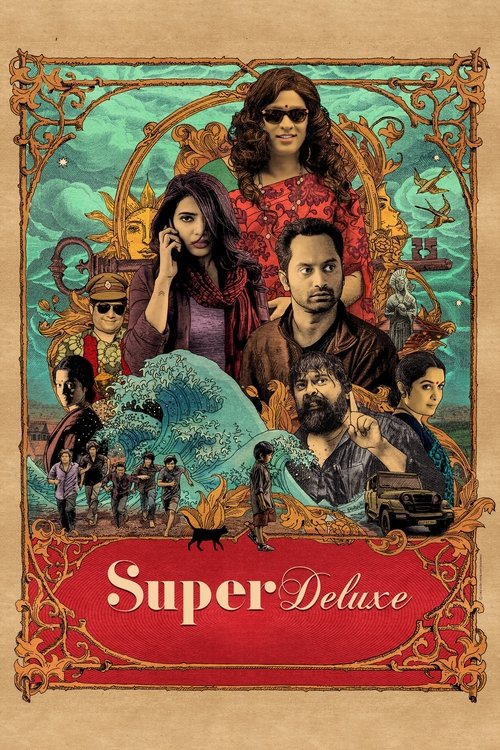
A man accepts a challenge to act as the Chief Minister for one day only, and makes such a success of it that soon he is embroiled in political intrigue.






This section contains spoilers
The full plot reveals key story details including the ending.


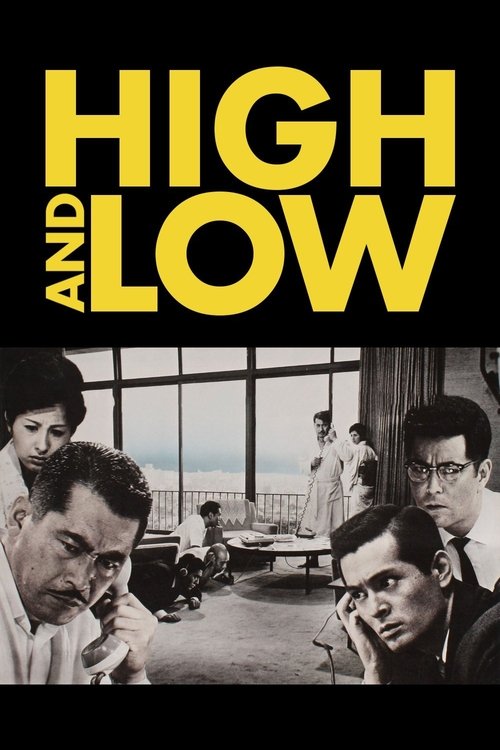
 Toshiru014d Mifune
 Tatsuya Nakadai
 Kyu014dko Kagawa
 Tatsuya Mihashi

 James Stewart
 Grace Kelly
 Wendell Corey
 Thelma Ritter

 Junko Iwao
 Rica Matsumoto
 Shiho Niiyama
 Masaaki Okura
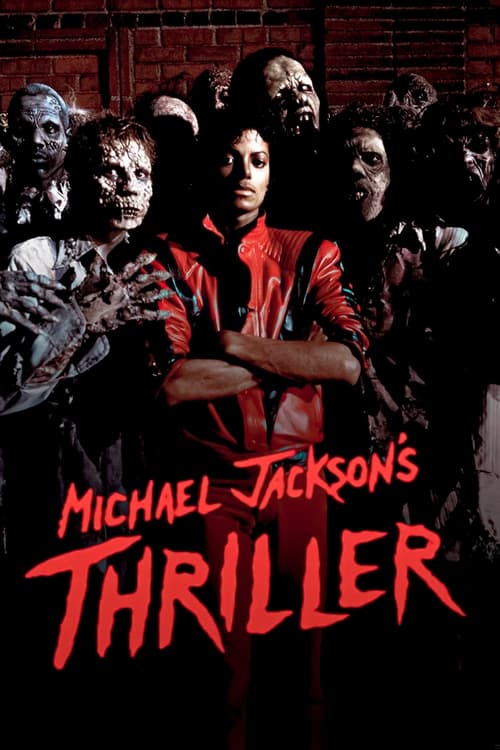
 Michael Jackson
 Ola Ray
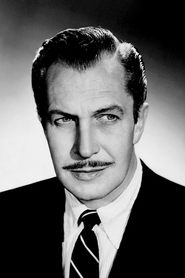 Vincent Price
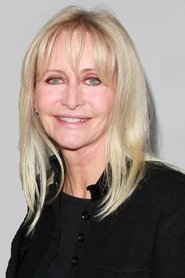 Cynthia Garris

 Jodie Foster
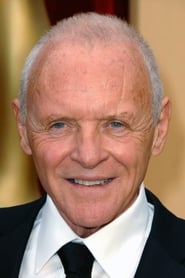 Anthony Hopkins
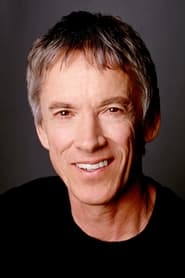 Scott Glenn
 Ted Levine

 Cantinflas
 Rosita Arenas
 u00c1ngel Garasa
 Rebeca Iturbide

 Michael Johnston
 Inde Navarrette
 Cooper Tomlinson
 Megan Lawless

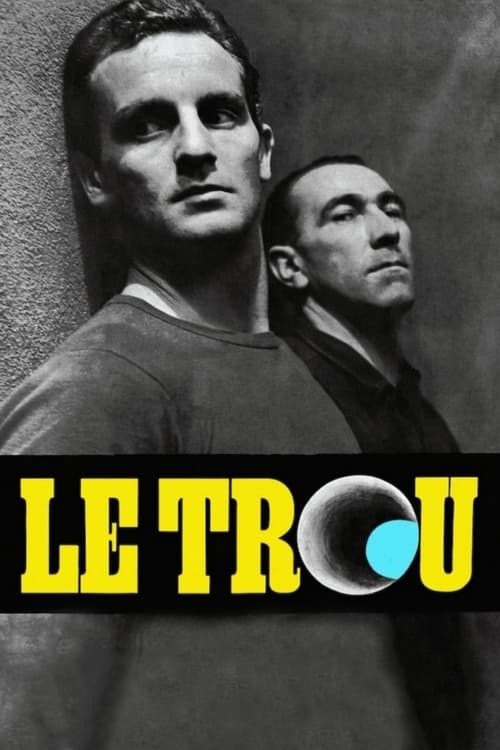
 Michel Constantin
 Jean Keraudy
 Philippe Leroy
 Raymond Meunier
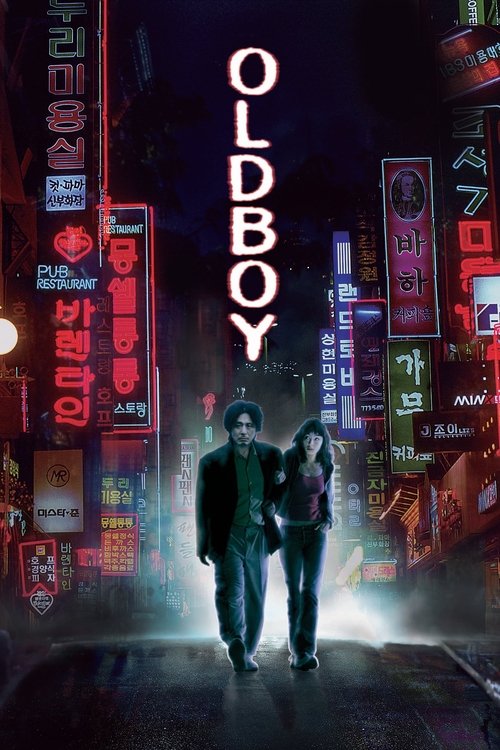
 Choi Min-sik
 Yoo Ji-tae
 Kang Hye-jung
 Kim Byeong-ok

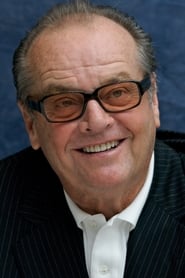 Jack Nicholson
 Shelley Duvall
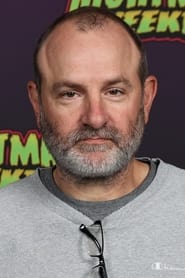 Danny Lloyd
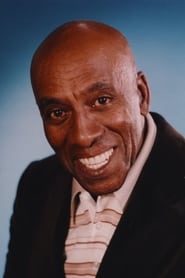 Scatman Crothers
 Charo Santos
 Jay Ilagan
 Vic Silayan
 Charito Solis

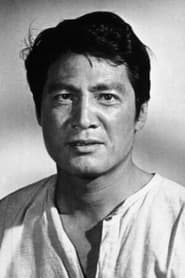 Eiji Okada
 Kyu00f4ko Kishida
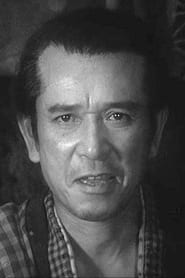 Ku014dji Mitsui

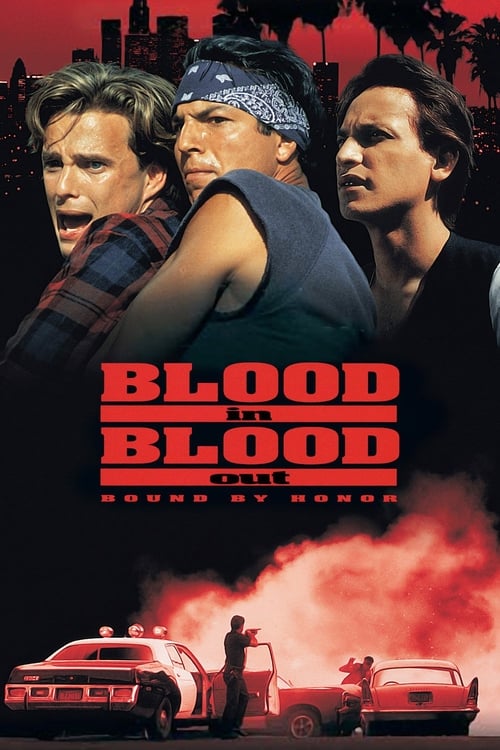
 Damian Chapa
 Jesse Borrego
 Benjamin Bratt
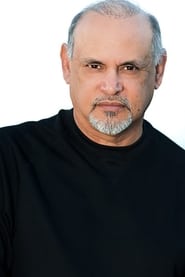 Enrique Castillo

 Kim Min-hee
 Kim Tae-ri
 Ha Jung-woo
 Cho Jin-woong

 Guy Pearce
 Carrie-Anne Moss
 Joe Pantoliano
 Mark Boone Junior
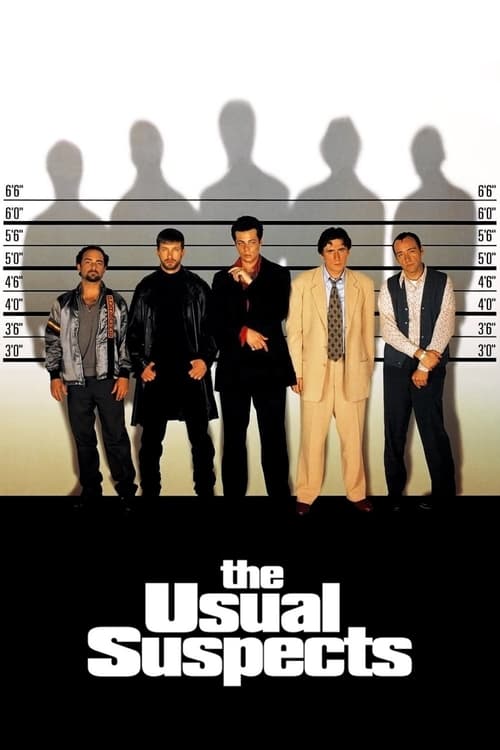
 Stephen Baldwin
 Gabriel Byrne
 Benicio del Toro
 Kevin Pollak

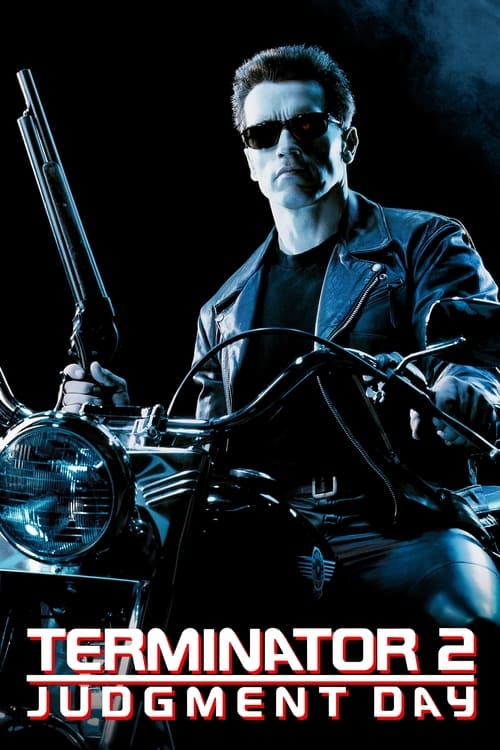
 Arnold Schwarzenegger
 Linda Hamilton
 Edward Furlong
 Robert Patrick
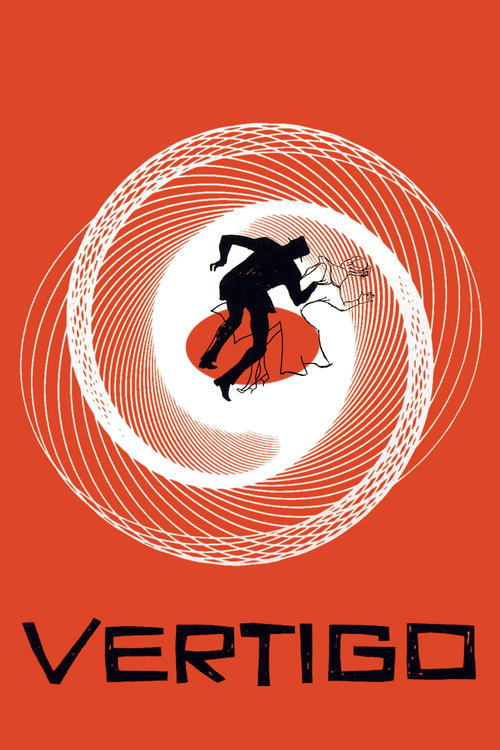 James Stewart
 Kim Novak
 Barbara Bel Geddes
 Tom Helmore
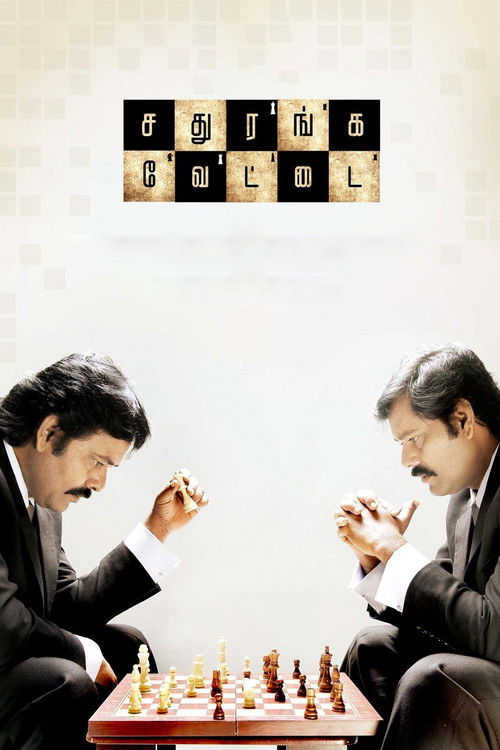
 Natarajan Subramaniam
 Ishara Nair
 Ponvannan
 Ilavarasu
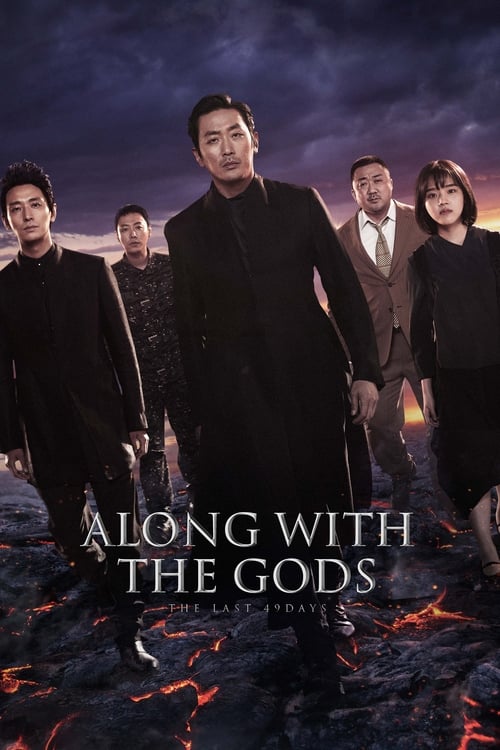 Ha Jung-woo
 Ju Ji-hoon
 Kim Hyang-gi
 Don Lee


 Fred MacMurray
 Barbara Stanwyck
 Edward G. Robinson
 Porter Hall
 Toshiru014d Mifune
Tatsuya Nakadai
 Yu014dko Tsukasa
 Isuzu Yamada
 Mario Casas
 Ana Wagener
 Jose Coronado
 Bu00e1rbara Lennie

 Song Kang-ho
 Kim Sang-kyung
 Kim Roi-ha
 Song Jae-ho
 Peter Lorre
 Ellen Widmann
 Inge Landgut
 Otto Wernicke

 Martina Gedeck
 Ulrich Mu00fche
 Sebastian Koch
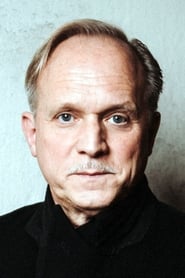 Ulrich Tukur

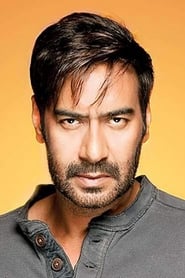 Ajay Devgn
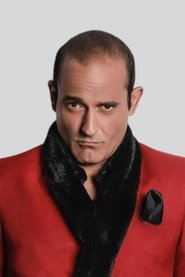 Akshaye Khanna
 Tabu
 Shriya Saran
 Ha Jung-woo
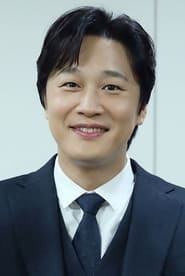 Cha Tae-hyun
Ju Ji-hoon
Kim Hyang-gi
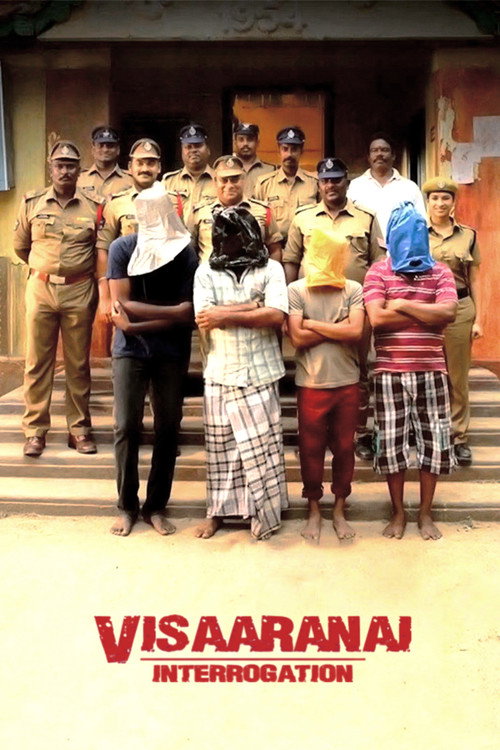
 V R Dinesh
 Samuthirakani
 Anandhi
 Aadukalam Murugadoss
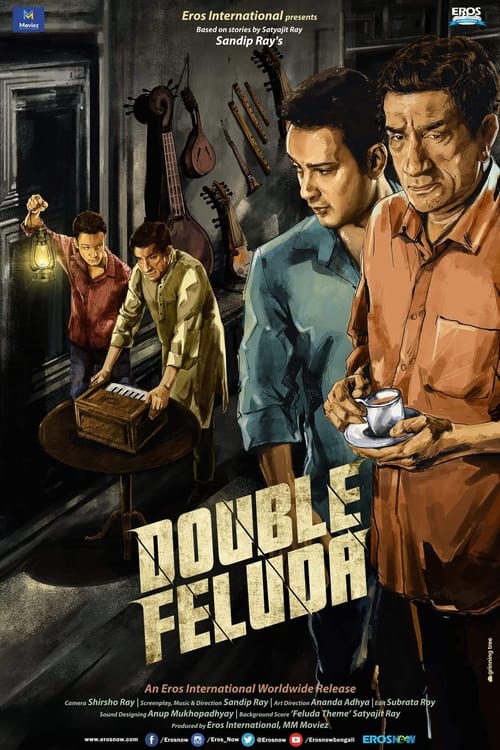
 Sabyasachi Chakraborty
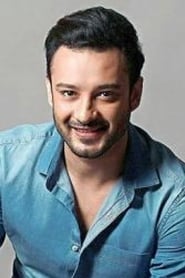 Shaheb Bhattacherjee
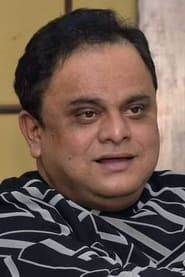 Bratya Basu
 Bhaskar Banerjee

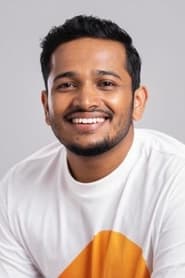 Basil Joseph
 Lijomol Jose
 Anand Manmadhan
 Sajin Gopu

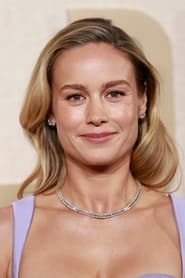 Brie Larson
 Jacob Tremblay
 Joan Allen
 Sean Bridgers
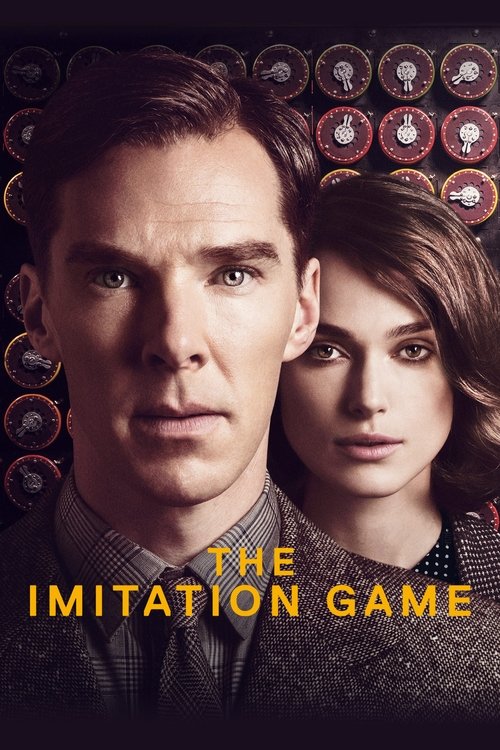

 Ricardo Daru00edn
 Soledad Villamil
 Pablo Rago
 Javier Godino
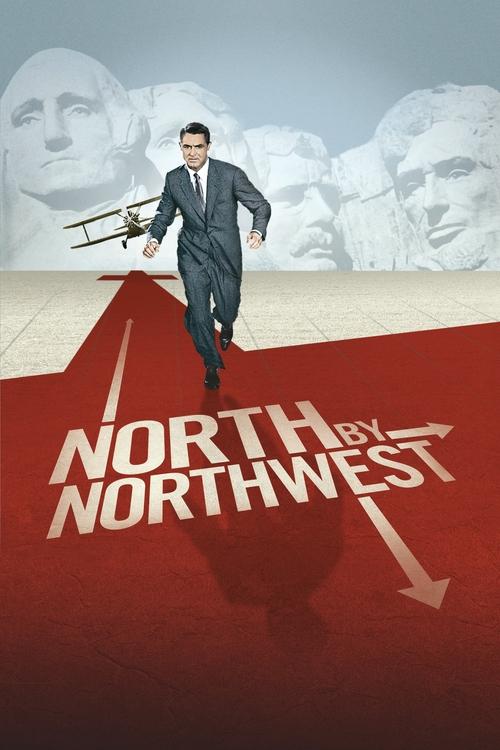
 Cary Grant
 Eva Marie Saint
 James Mason
 Jessie Royce Landis
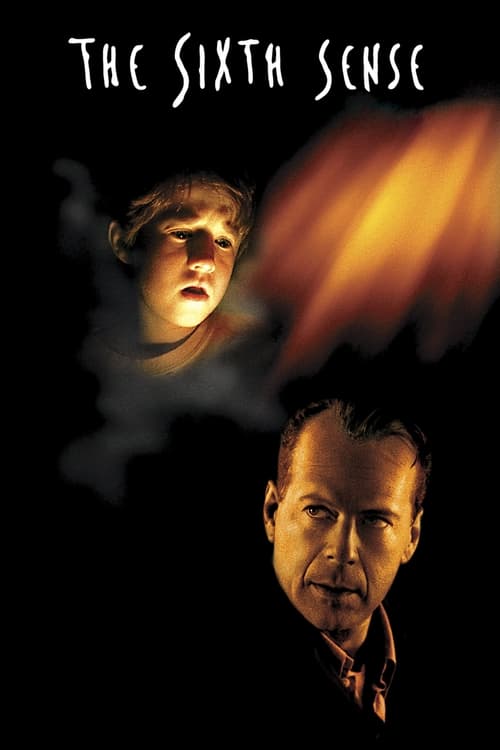
 Bruce Willis
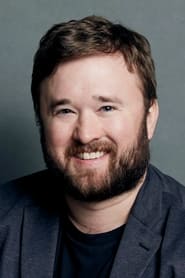 Haley Joel Osment
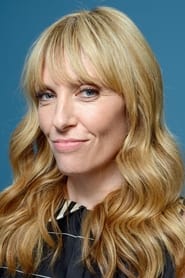 Toni Collette
 Olivia Williams

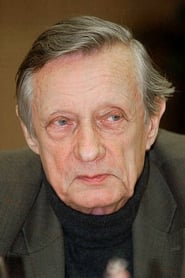 Franu00e7ois Leterrier
 Charles Le Clainche
 Maurice Beerblock
 Roland Monod


 Harrison Ford
 Rutger Hauer
 Sean Young
 Edward James Olmos
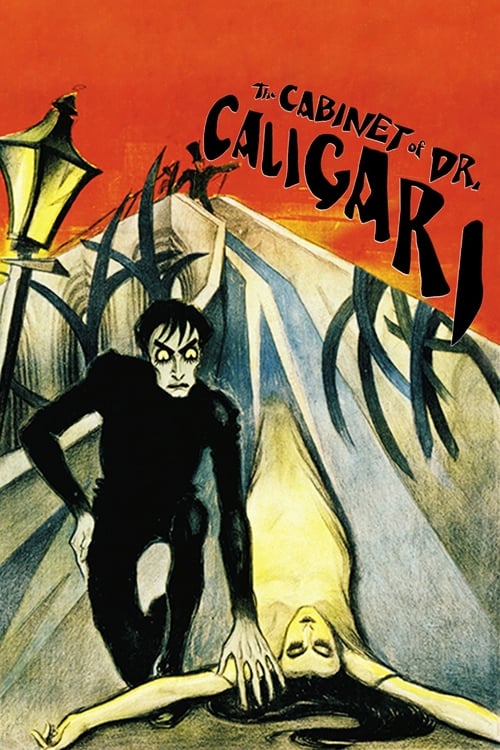
 Werner Krauss
 Conrad Veidt
 Friedrich Fehu00e9r
 Lil Dagover

 Ailsa Davidson
 Simon Gordon
 Maddison Firth
 Vivian Panka
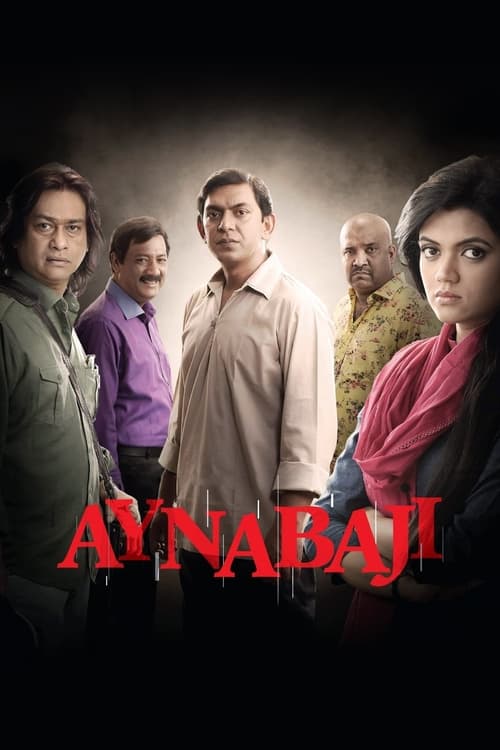
 Chanchal Chowdhury
 Masuma Rahman Nabila
 Partha Barua
 Lutfur Rahman George
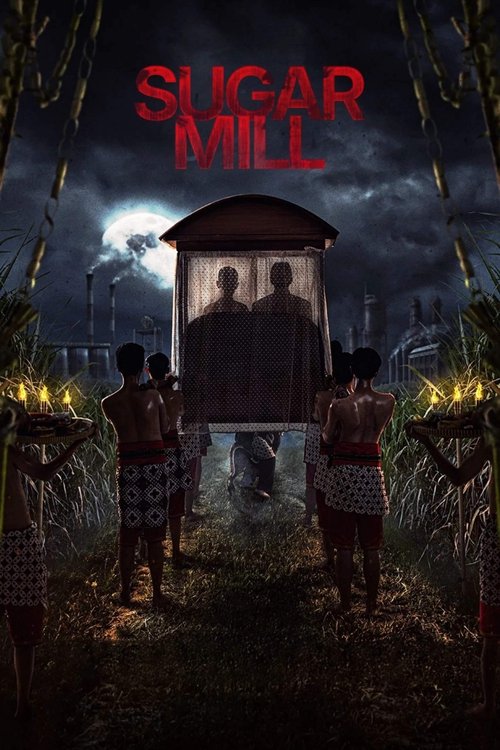
 Ersya Aurelia
 Arbani Yasiz
 Erika Carlina
 Bukie B. Mansyur

 Abimana Aryasatya
 Bront Palarae
 Dimas Danang
 Endy Arfian
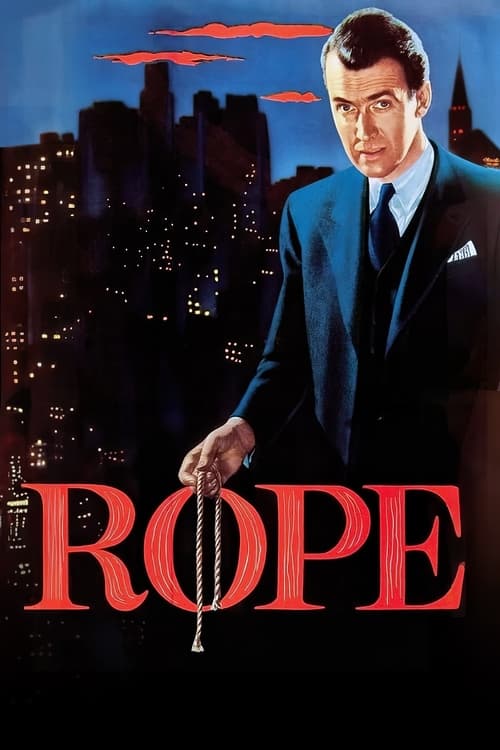 James Stewart
 John Dall
 Farley Granger
 Cedric Hardwicke
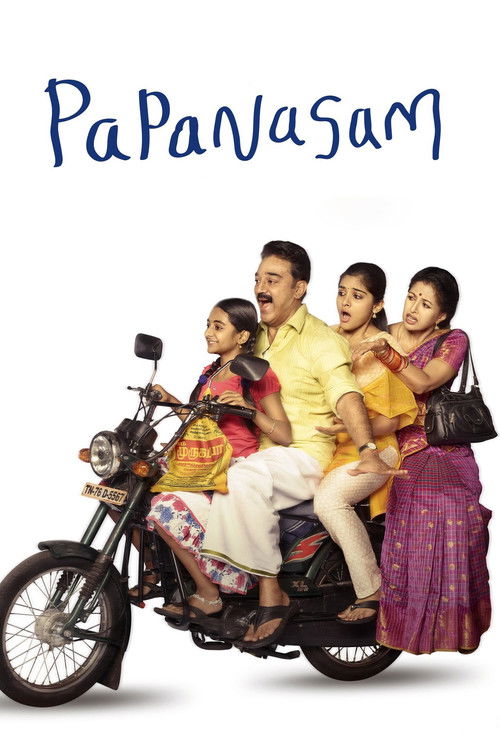
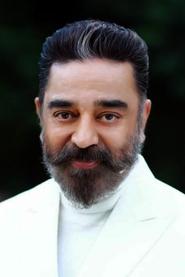 Kamal Haasan
 Gautami Tadimalla
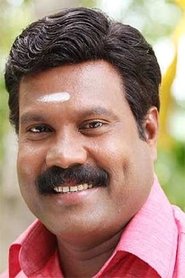 Kalabhavan Mani
 Asha Sarath

 Chutimon Chuengcharoensukying
 Chanon Santinatornkul
 Eisaya Hosuwan
 Teeradon Supapunpinyo
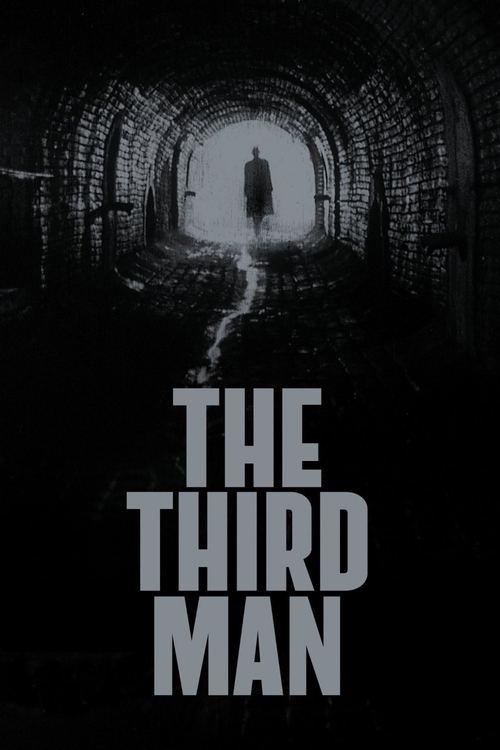
 Joseph Cotten
 Alida Valli
 Trevor Howard
 Orson Welles

 Lino Ventura
 Paul Meurisse
 Jean-Pierre Cassel
 Simone Signoret
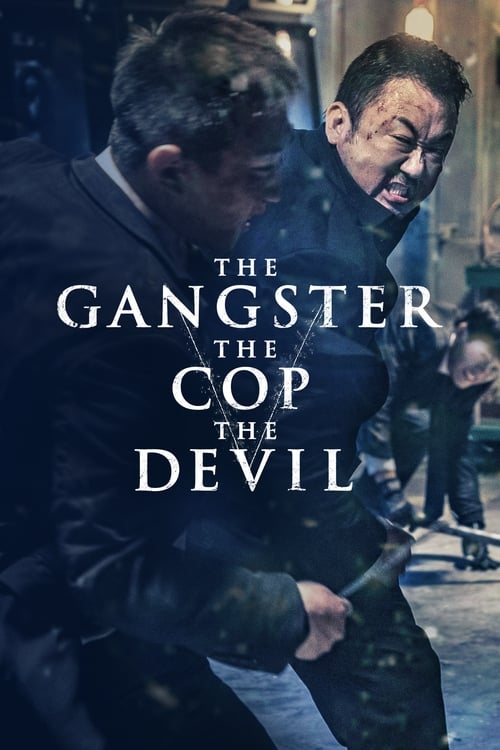 Don Lee
 Kim Moo-yul
 Kim Sung-kyu
 Heo Dong-won

 Sakura Ando
 Soya Kurokawa
 Hinata Hiiragi
 Eita Nagayama
 Jackie Chan
 Zhang Zifeng
 Tony Leung Ka-fai
 Ci Sha

 Ben Affleck
 Rosamund Pike
 Neil Patrick Harris
 Tyler Perry

 Kang Ha-neul
Kim Moo-yul
 Moon Sung-keun
 Na Young-hee

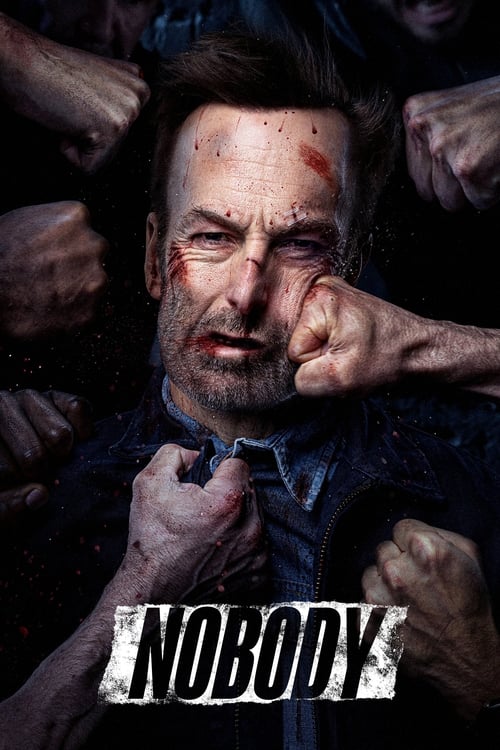
 Bob Odenkirk
 Aleksey Serebryakov
 Connie Nielsen
 Christopher Lloyd
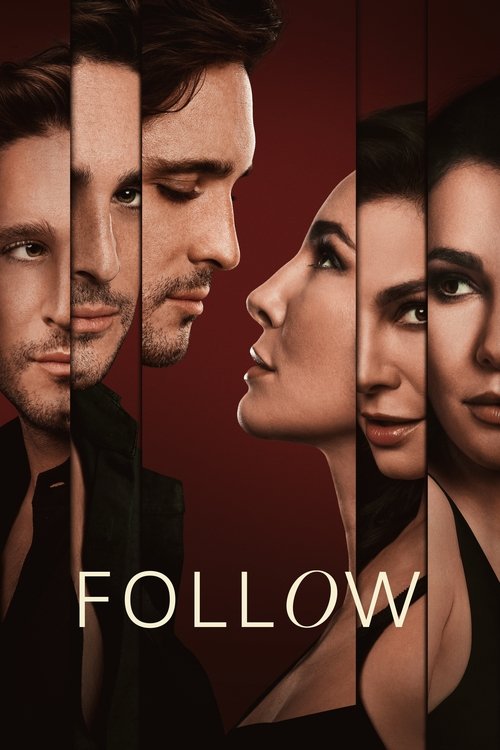
 Diego Boneta
 Martha Higareda
 Alberto Guerra
 Alejandro Speitzer


 Robert Mitchum
 Shelley Winters
 Lillian Gish
 Billy Chapin



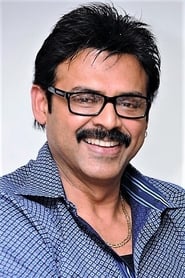 Venkatesh
 Meena
 Nadhiya
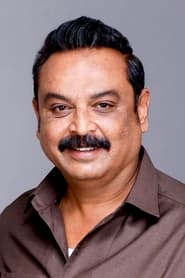 Naresh

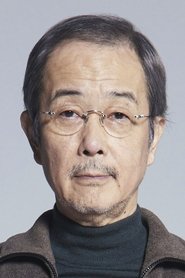 Lily Franky
Sakura Ando
 Mayu Matsuoka
 Kairi Jo


 Mia Farrow
 John Cassavetes
 Sidney Blackmer
 Maurice Evans

 Lee Byung-hun
Choi Min-sik
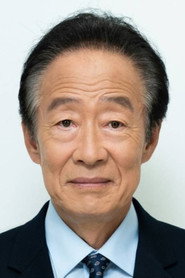 Jeon Kuk-hwan
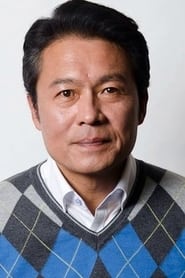 Cheon Ho-jin

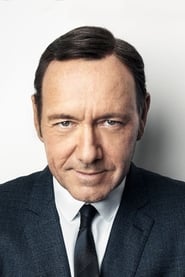 Kevin Spacey
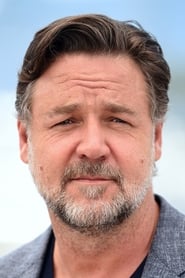 Russell Crowe
Guy Pearce
 James Cromwell
 Ricardo Daru00edn
 Gastu00f3n Pauls
 Leticia Bru00e9dice
 Gabo Correa

 Gong Yoo
 Kim Su-an
 Jung Yu-mi
Don Lee

 Rahman
 Ashwin Kumar

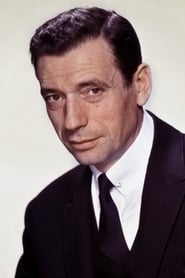 Yves Montand
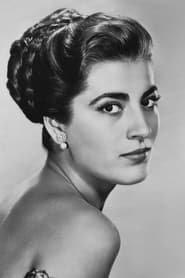 Irene Papas
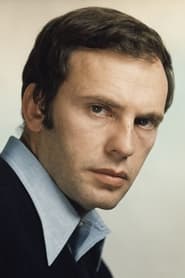 Jean-Louis Trintignant
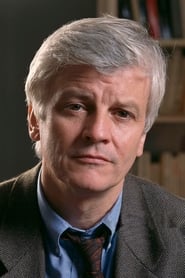 Jacques Perrin

 Lindsay LaVanchy
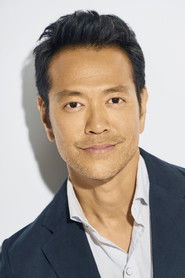 Louis Ozawa
 Rick Gonzalez
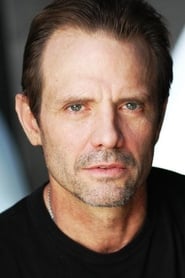 Michael Biehn

 Kim Yun-seok
Ha Jung-woo
 Seo Young-hee
 Kim You-jung

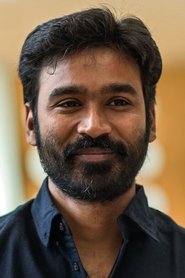 Dhanush
 Sonia Agarwal
 Nagesh

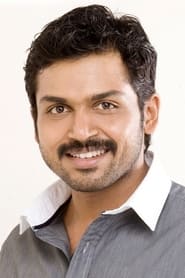 Karthi
 Rakul Preet Singh
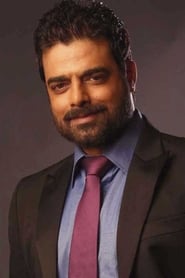 Abhimanyu Singh
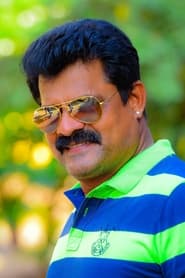 Bose Venkat

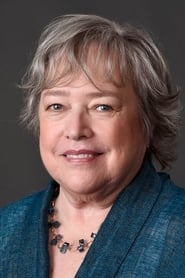 Kathy Bates
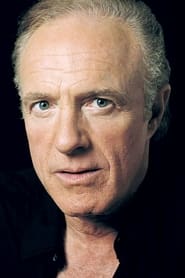 James Caan
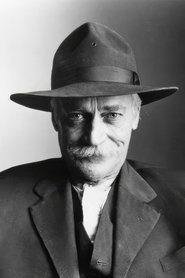 Richard Farnsworth
 Lauren Bacall
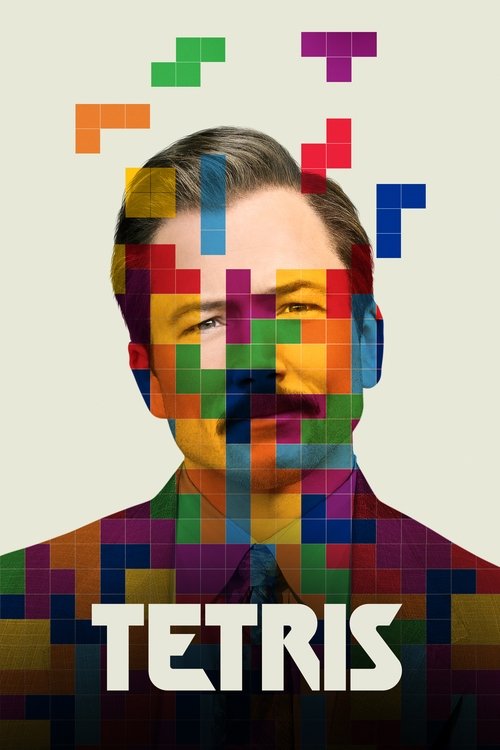
 Taron Egerton
 Nikita Efremov
 Sofia Lebedeva
 Anthony Boyle
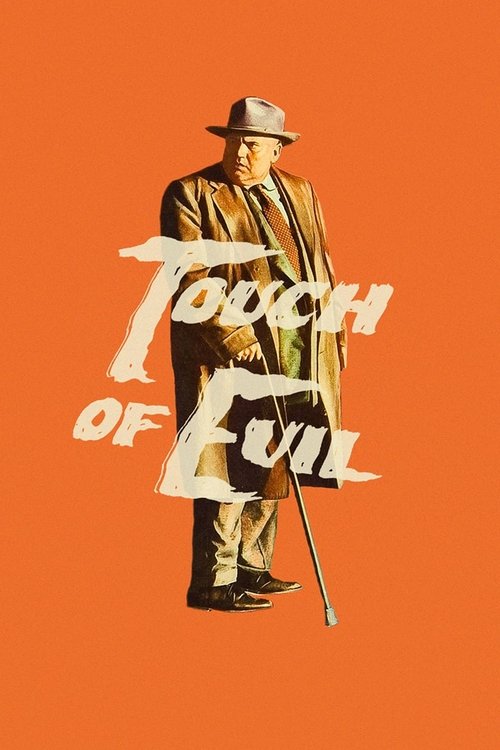
 Charlton Heston
 Janet Leigh
Orson Welles
 Joseph Calleia
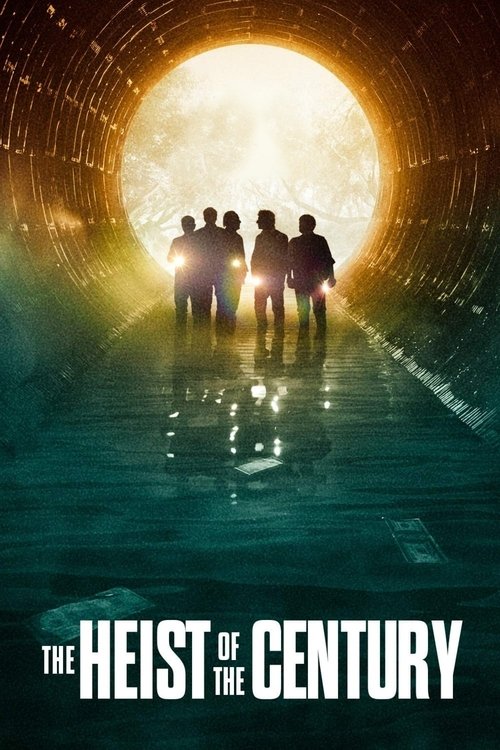

 Jason Statham
 Bodhi Rae Breathnach
 Naomi Ackie
 Daniel Mays

 Nicole Wallace
 Gabriel Guevara
 Marta Hazas
 Ivu00e1n Su00e1nchez
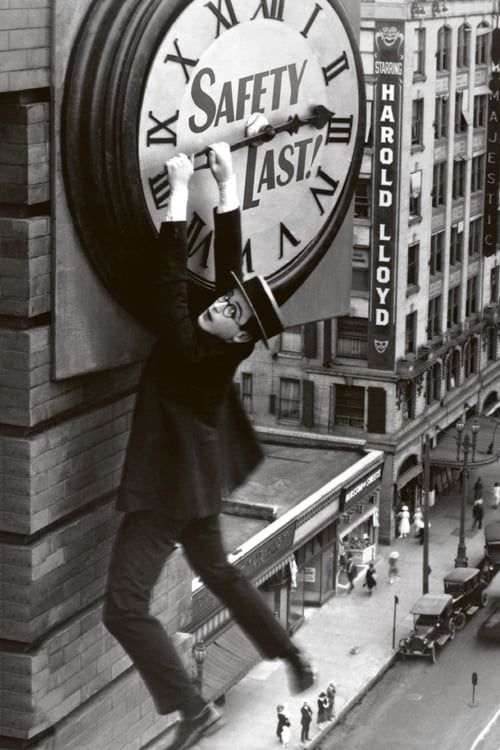
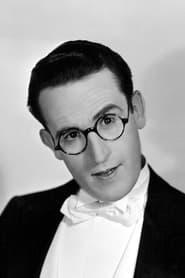 Harold Lloyd
 Mildred Davis
 Bill Strother
 Noah Young
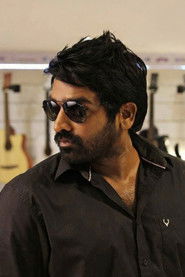 Vijay Sethupathi
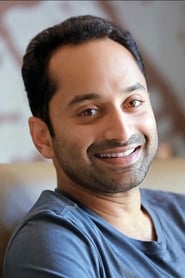 Fahadh Faasil
 Samantha Ruth Prabhu
 Ramya Krishnan
 Jake Gyllenhaal
 Rene Russo
 Riz Ahmed
 Bill Paxton

 Taraji P. Henson
 Sherri Shepherd
 Teyana Taylor
 Sinbad

 Kim Myung-min
 Jang Dong-gun
 Park Hee-soon
 Lee Jong-suk

 Asif Ali
 Aparna Balamurali
 Vijayaraghavan
 Vyshnavi Raj

 Ji Chang-wook
 Shim Eun-kyung
 Oh Jung-se
 Ahn Jae-hong

 Glenn Ford
 Gloria Grahame
 Jocelyn Brando
 Alexander Scourby

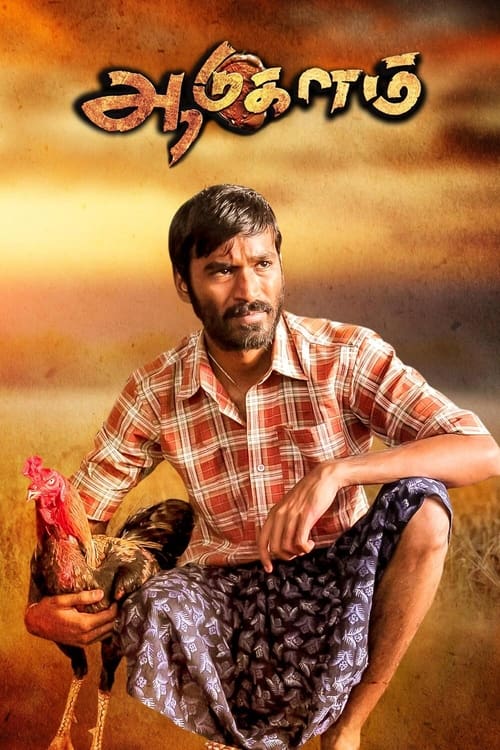 Dhanush
 Kishore
 V. I. S. Jayapalan
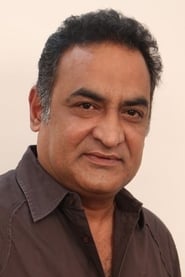 Aadukalam Naren

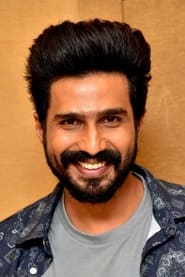 Vishnu Vishal
 Miya George
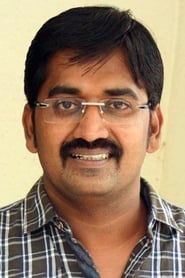 Karunakaran
 Jayaprakash

 Natalie Portman
 Mila Kunis
 Vincent Cassel
 Barbara Hershey
 Fahadh Faasil
 Lal
 Jayasurya
 Vinayakan
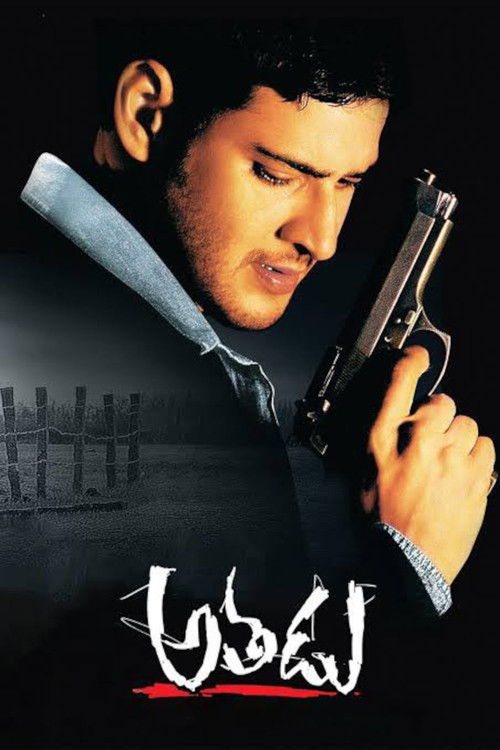

 David Hemmings
 Daria Nicolodi
 Gabriele Lavia
 Macha Mu00e9ril
 Jake Gyllenhaal
 Dar Salim
 Sean Sagar
 Jason Wong
 Vijay Sethupathi
 Anurag Kashyap
 Sachana Namidass
Natarajan Subramaniam
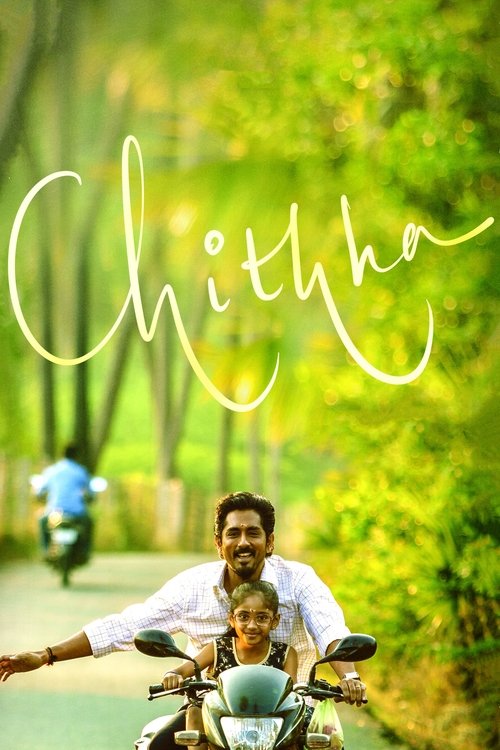
 Siddharth
 Nimisha Sajayan

 Won Bin
 Kim Sae-ron
 Kim Tae-hun
 Kim Hie-won
 Arnold Schwarzenegger
Michael Biehn
Linda Hamilton
 Paul Winfield

 Roy Scheider
 Robert Shaw
 Richard Dreyfuss
 Lorraine Gary

 Sidney Poitier
 Rod Steiger
 Warren Oates
 Peter Whitney
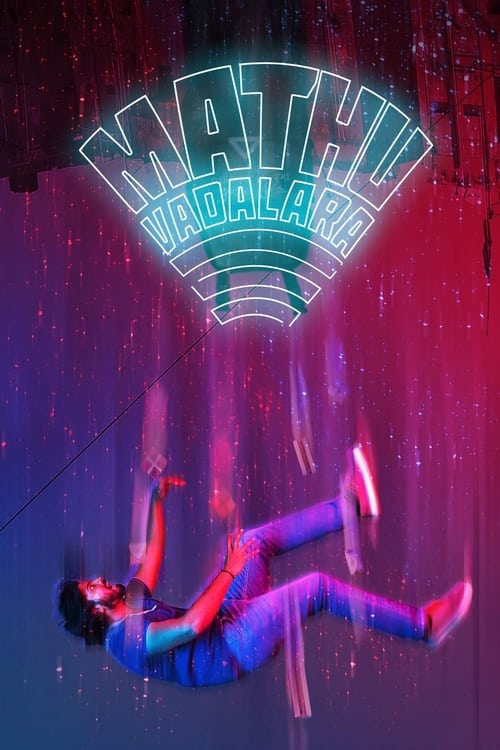
 Sri Simha
 Satya
 Naresh Agastya
 Athulya Chandra



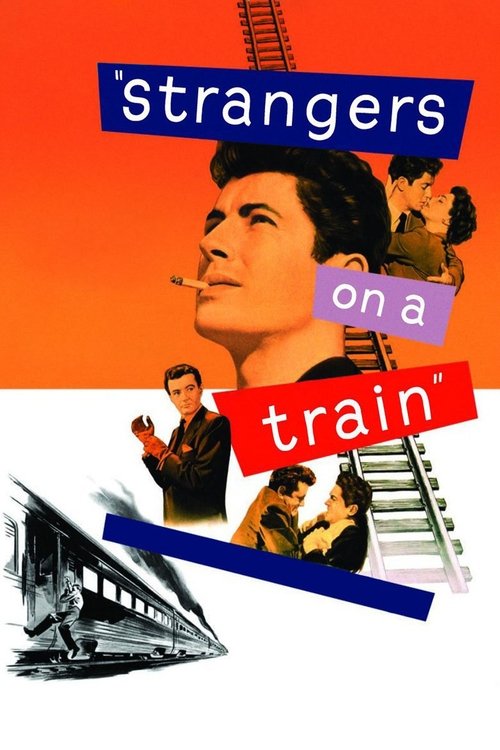 Farley Granger
 Ruth Roman
 Robert Walker
 Leo G. Carroll

 Amber Midthunder
 Dakota Beavers
 Michelle Thrush
 Stormee Kipp
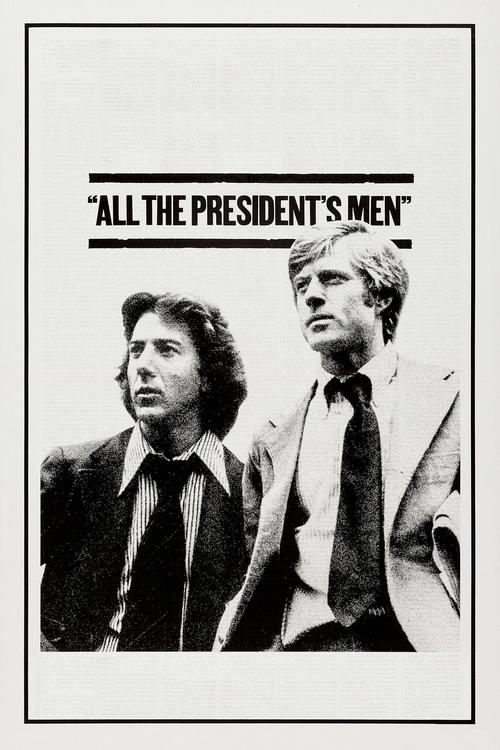
 Robert Redford
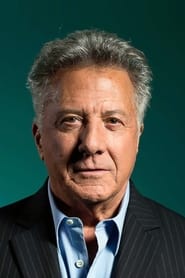 Dustin Hoffman
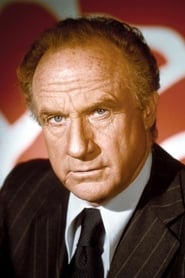 Jack Warden
 Martin Balsam

 Chlu00f6e Bailey
 Lynn Whitfield
 Lucien Laviscount
 Anna Diop
 Choi Min-sik
 Kim Go-eun
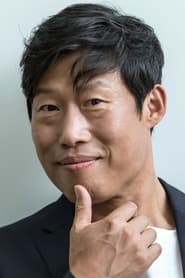 Yoo Hai-jin
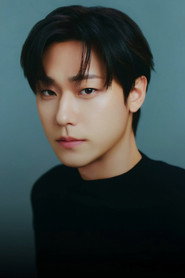 Lee Do-hyun
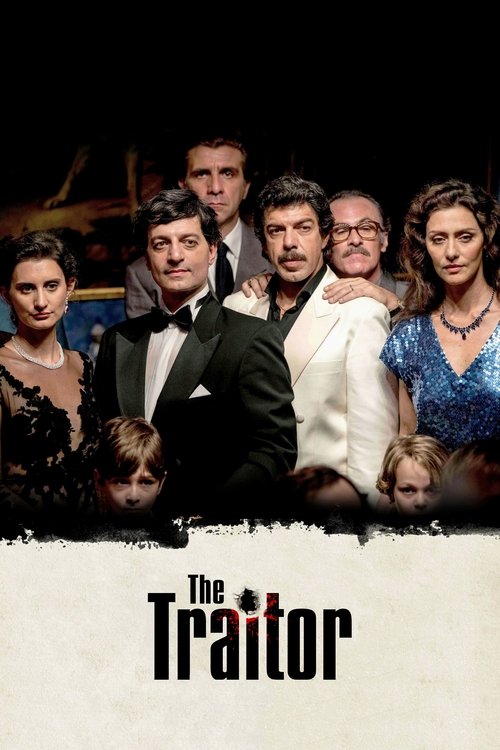
 Pierfrancesco Favino
 Maria Fernanda Cu00e2ndido
 Fabrizio Ferracane
 Fausto Russo Alesi

 Emilio Echevarru00eda
 Gael Garcu00eda Bernal
 Vanessa Bauche
 Goya Toledo
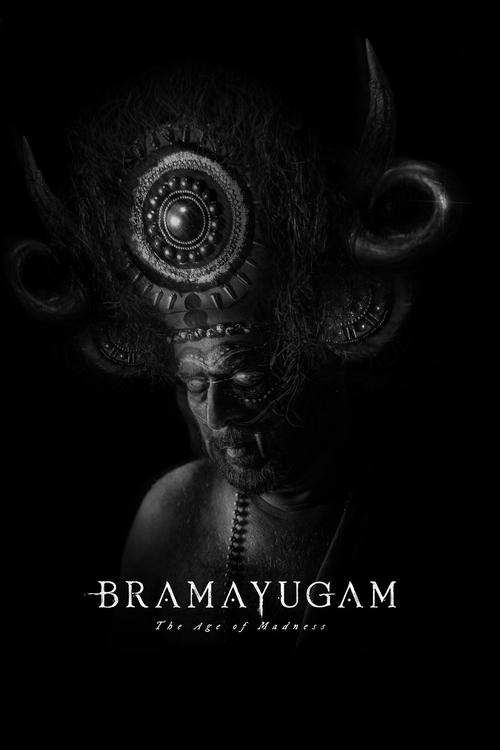
 Arjun Ashokan
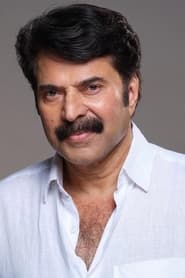 Mammootty
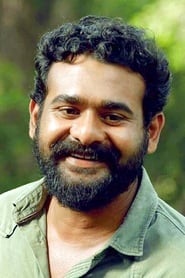 Sidharth Bharathan
 Manikandan Achari
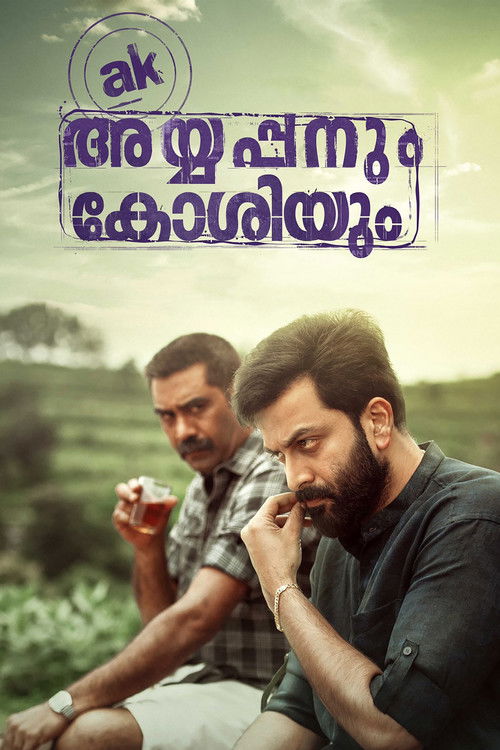
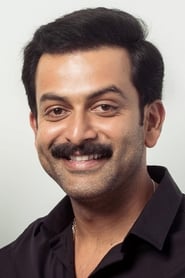 Prithviraj Sukumaran
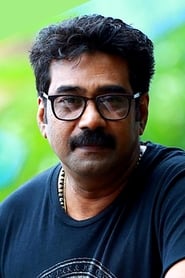 Biju Menon
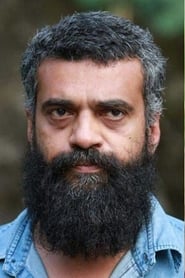 Anil Nedumangad
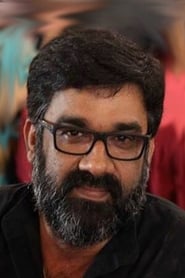 Ranjith

 Samara Weaving
 Kathryn Newton
 Sarah Michelle Gellar
 Shawn Hatosy

 Daniel Kaluuya
 Allison Williams
 Catherine Keener
 Bradley Whitford
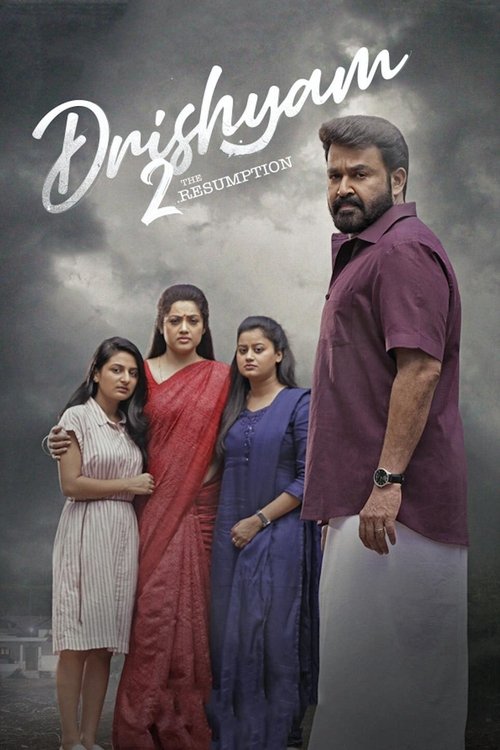
 Mohanlal
Meena
 Murali Gopy
Asha Sarath

 Paulina Gaitau0301n
 Edgar Flores
 Kristyan Ferrer
 Tenoch Huerta Meju00eda

 Humphrey Bogart
Gloria Grahame
 Frank Lovejoy
 Carl Benton Reid


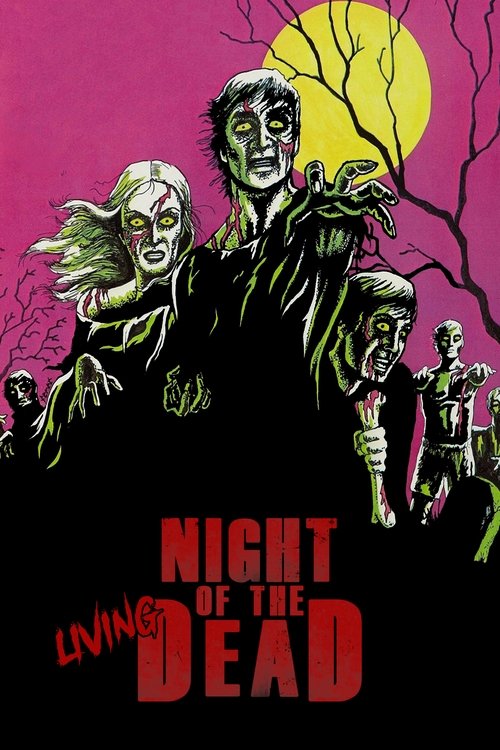
 Judith O'Dea
 Duane Jones
 Marilyn Eastman
 Karl Hardman

 Isabella Rossellini
 Kyle MacLachlan
 Dennis Hopper
 Laura Dern

 Ayushmann Khurrana
Tabu
 Radhika Apte
 Manav Vij

 Jeanne Moreau
 Maurice Ronet
 Georges Poujouly
 Yori Bertin

 Bu00e1rbara Colen
 Thomu00e1s Aquino
 Silvero Pereira
 Sonia Braga

 Alain Delon
 Bourvil
 Gian Maria Volontu00e9
Yves Montand
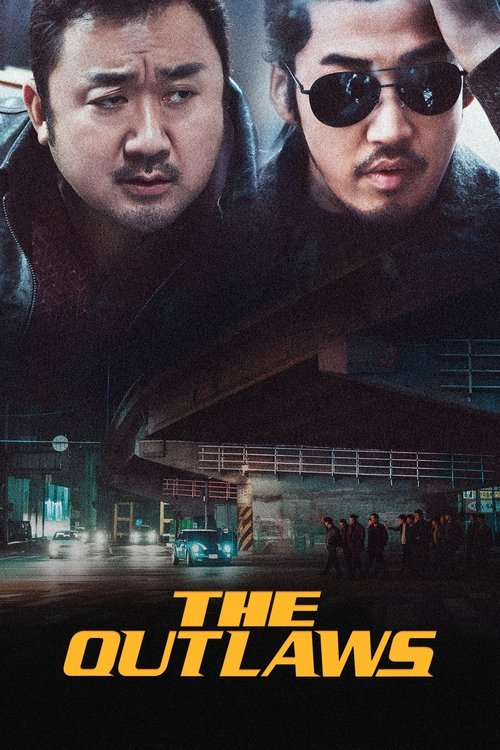 Don Lee
 Yoon Kye-sang
 Jo Jae-yun
 Choi Gwi-hwa

 Pierre Brasseur
Alida Valli
 u00c9dith Scob
 Juliette Mayniel
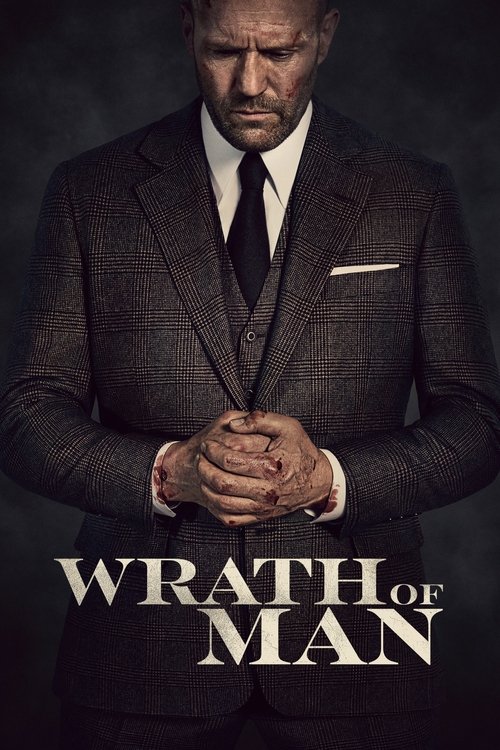 Jason Statham
 Holt McCallany
 Rocci Williams
 Josh Hartnett
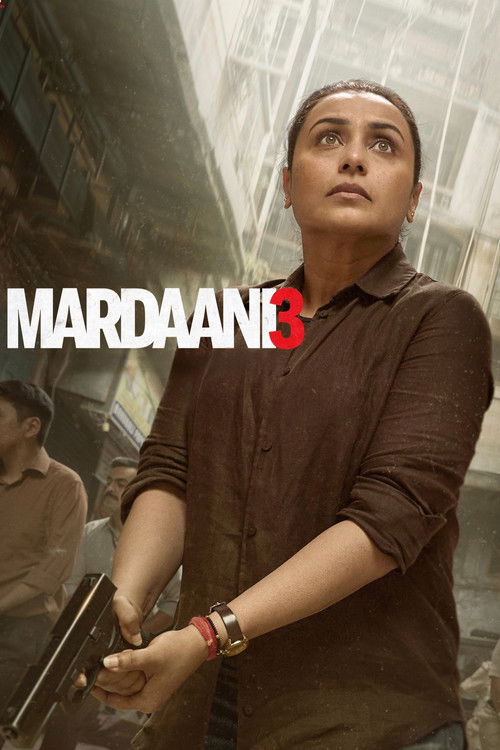
 Rani Mukerji
 Mallika Prasad
 Janki Bodiwala
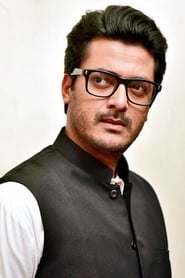 Jisshu Sengupta

 James Cagney
 Virginia Mayo
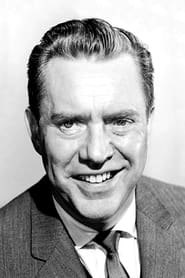 Edmond O'Brien
 Margaret Wycherly

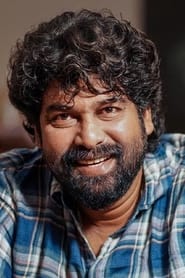 Joju George
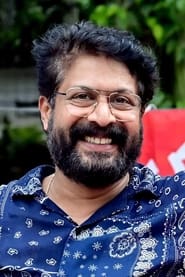 Irshad
 Athmeeya Rajan
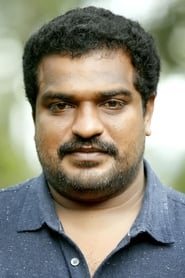 Dileesh Pothan
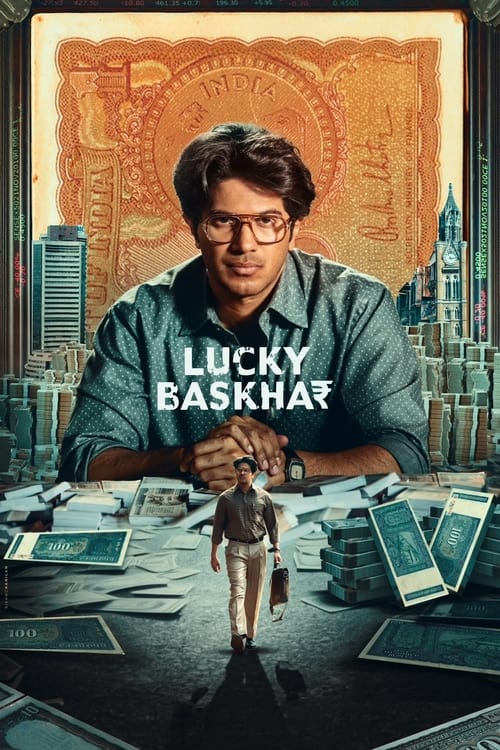
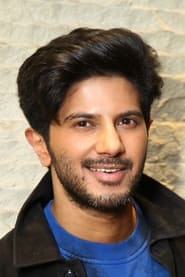 Dulquer Salmaan
 Meenakshi Chaudhary
 Rajkumar Kasireddy
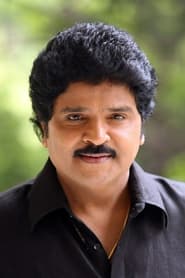 Ramki

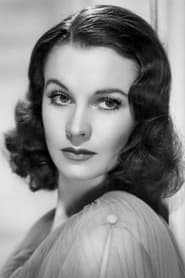 Vivien Leigh
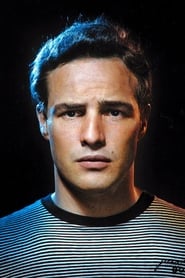 Marlon Brando
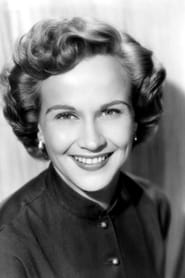 Kim Hunter
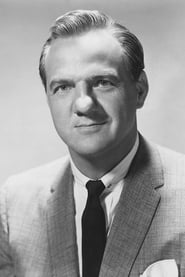 Karl Malden