Show Adult Titles
Show Adult Posters & Images


'God, Sex and Truth' delves into the world of sex where it digs out and projects the deepest dignity, divinity of the act and a women's true purpose of her sexuality.

This section contains spoilers
The full plot reveals key story details including the ending.


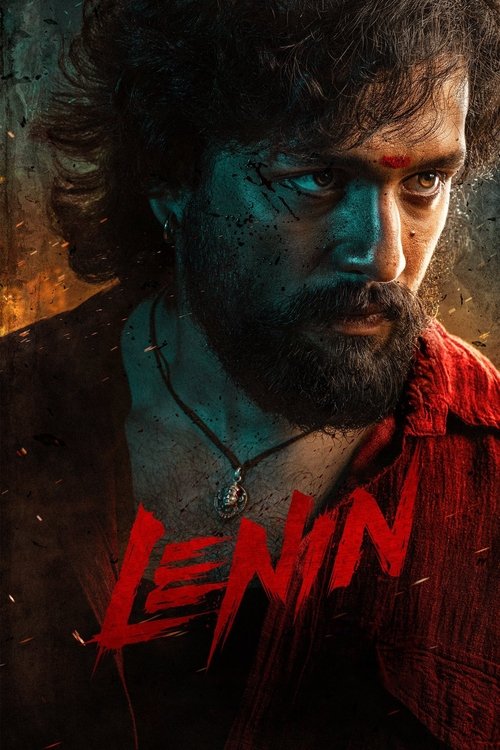
 Akhil Akkineni
 Bhagyashri Borse
 Sivaji Sontineni
 Easwari Rao

 Angelique Boyer
 Bu00e1rbara de Regil
 Diego Klein
 Lucu00eda Uribe

 Ludwika Paleta
 Juanpa Zurita
 Harold Azuara
 Yuriria del Valle

 Pimchanok Luevisadpaibul
 Thanapob Leeratanakachorn
 Sivakorn Adulsuttikul
 Chartayodom Hiranyatithi

 Lou Goossens
 Marius De Saeger
 Geert Van Rampelberg
 Emilie De Roo
 Ludwika Paleta
Juanpa Zurita
 Hernu00e1n Mendoza
Harold Azuara



 Jorge Negrete
 Pedro Infante
 Carmelita Gonzu00e1lez
 Yolanda Varela

 Choo Young-woo
 Shin Sia
 Cho Yu-jung
 Jin Ho-eun

 Sakura Kirishima
 Masamitsu Kani
 Hotaru Hazuki

 Philippe Noiret
 Jacques Perrin
 Marco Leonardi
 Salvatore Cascio


 Zoey Deutch
 Nick Robinson
 Ciara Bravo
 Nick Offerman

 Ren Nagase
 Natsuki Deguchi
 Mayuu Yokota
 Fumino Kimura

 Melanie Zanetti
 Giulio Berruti
 Kurt McKinney
 Agnes Albright

 Jung Jinyoung
 DAHYUN
 Demian
 Lee Min-goo



 Taishi Nakagawa
 Kaya Kiyohara
 Yume Miyamoto
 Kazuyuki Okitsu


 Shin Eun-soo
 Gong Myoung
 Cha Woo-min
 Youn Sang-hyun





 Jaden Smith
 Cara Delevingne
 Cuba Gooding Jr.
 Chris D'Elia

 Haley Lu Richardson
 Cole Sprouse
 Moisu00e9s Arias
 Kimberly Hu00e9bert Gregory

 Jack Lemmon
 Shirley MacLaine
 Fred MacMurray
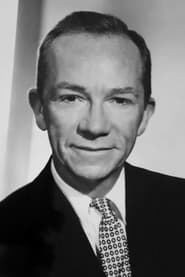 Ray Walston

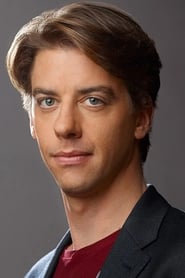 Christian Borle
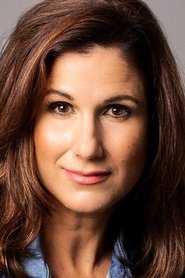 Stephanie J. Block
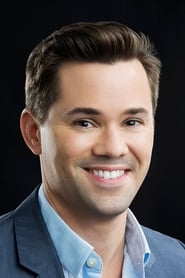 Andrew Rannells
 Brandon Uranowitz

 Chang Chen
 Lisa Yang
 Chang Kuo-Chu
 Elaine Jin Yan-Ling

 Kim You-jung
 Byeon Woo-seok
 Park Jung-woo
 Roh Yoon-seo

 So Ji-sub
 Son Ye-jin
 Kim Ji-hwan
 Ko Chang-seok

 Kathir
 Anandhi
 Yogi Babu
 G. Marimuthu

 Kim Min-hee
 Kim Tae-ri
 Ha Jung-woo
 Cho Jin-woong
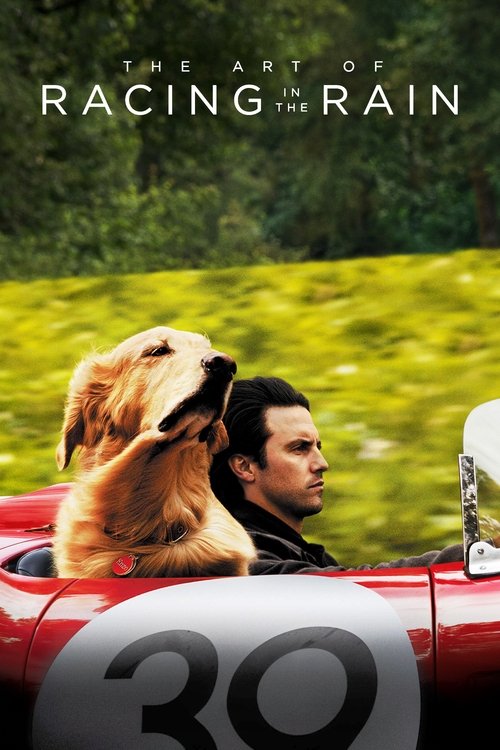
 James Stewart
 Kim Novak
 Barbara Bel Geddes
 Tom Helmore

 Rakshit Shetty
 Rukmini Vasanth
 Sharath Lohitashwa
 Gene Kelly
 Donald O'Connor
 Debbie Reynolds
 Jean Hagen

 Zhou Dongyu
 Jackson Yee
 Yin Fang
 Huang Jue
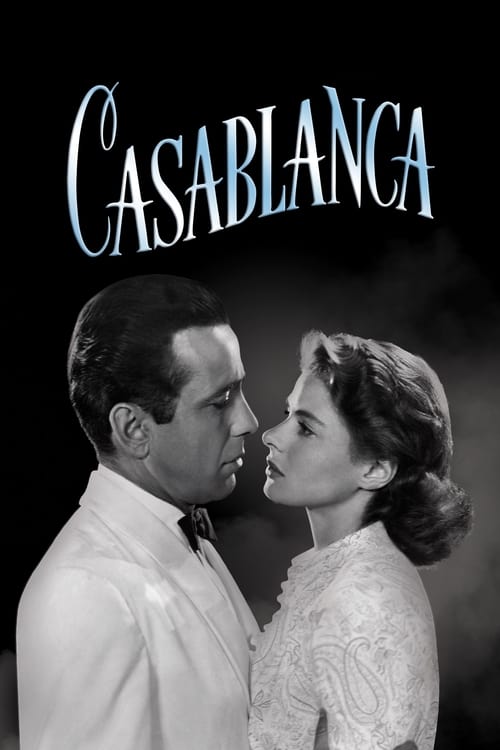
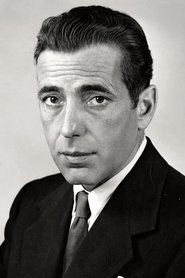 Humphrey Bogart
 Ingrid Bergman
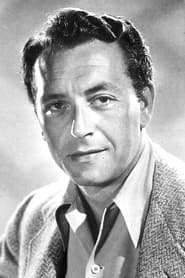 Paul Henreid
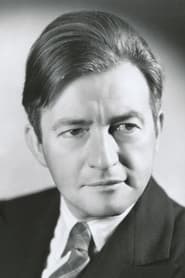 Claude Rains

 Liv Ullmann
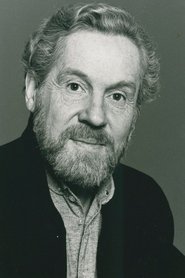 Erland Josephson
 Bibi Andersson
 Jan Malmsju00f6

 Nou00e9mie Merlant
 Adu00e8le Haenel
 Luu00e0na Bajrami
 Valeria Golino



 Maggie Cheung
 Tony Leung Chiu-wai
 Siu Ping-Lam
 Rebecca Pan
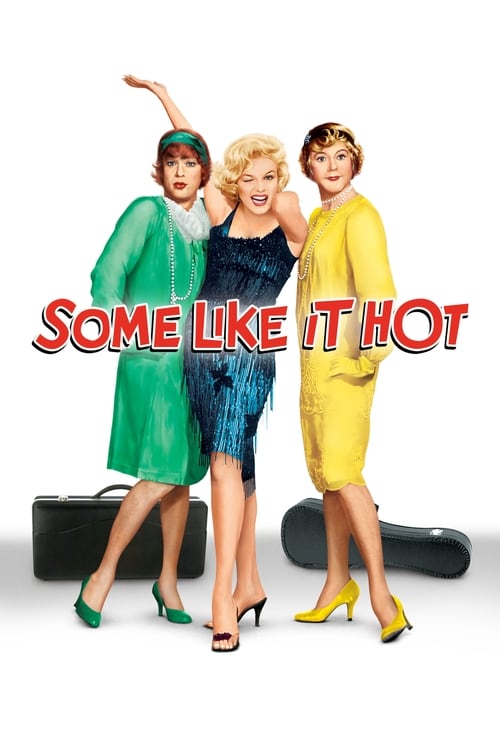
 Tony Curtis
Jack Lemmon
 Marilyn Monroe
 George Raft

 Luis Fernando Peu00f1a
 Martha Higareda
 Ximena Sariu00f1ana
 Alfonso Herrera
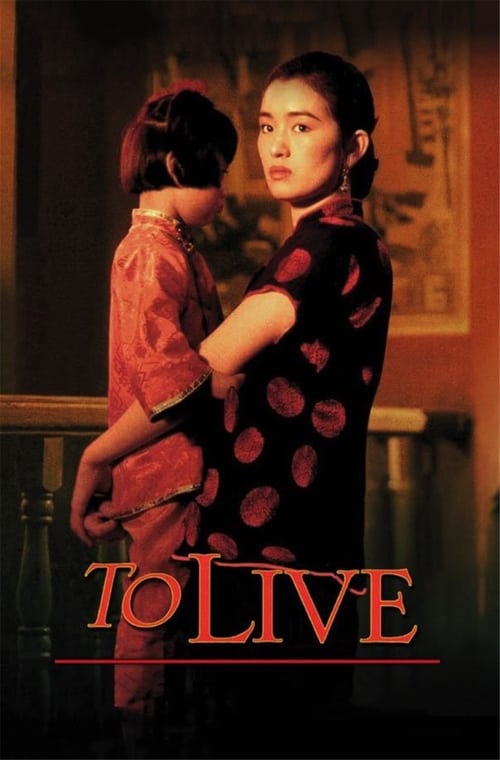
 Ge You
 Gong Li
 Niu Ben
 Guo Tao


 Sarocha Chankimha
 Becky Armstrong
 Torfan Taweema
 Siriam Pakdeedumrongrit

 Sofia Carson
 Nicholas Galitzine
 John Harlan Kim
 Chosen Jacobs

 Luigi Lo Cascio
 Alessio Boni
 Adriana Asti
 Sonia Bergamasco


 Markella Kavenagh
 Maiah Stewardson
 Edwina Wren
 Harvey Zielinski

 Madeline Carroll
 Callan McAuliffe
 Rebecca De Mornay
 Anthony Edwards

 Alicia Jaziz Zapiu00e9n
 Juliu00e1n Cerati
 Gimena Gu00f3mez
 Javier Luna

 Shane Nigam
 Soubin Shahir
 Sreenath Bhasi
 Mathew Thomas


 Alain Delon
 Renato Salvatori
 Annie Girardot
 Katina Paxinou

 Zhang Zhe
 Yang Tianxiang
 Tang Xiaoxi
 Zhang He

 Anton Walbrook
 Marius Goring
 Moira Shearer
 Robert Helpmann

 Zara Whites

 Kotaro Daigo
 Nana Mori
 Tsubasa Honda
 Sakura Kiryu

 John Kahrs
 Kari Wahlgren

 Brigitte Lin
 Takeshi Kaneshiro
Tony Leung Chiu-wai
 Faye Wong


 Ethan Hawke
 Julie Delpy
 Andrea Eckert
 Hanno Pu00f6schl

 Ashok Selvan
 Ritika Singh
 Shah Ra
 Vani Bhojan

 Nick Ainsworth
 Kelly Donohue

 Vijay Sethupathi
Ritika Singh
 Pooja Devariya
Yogi Babu
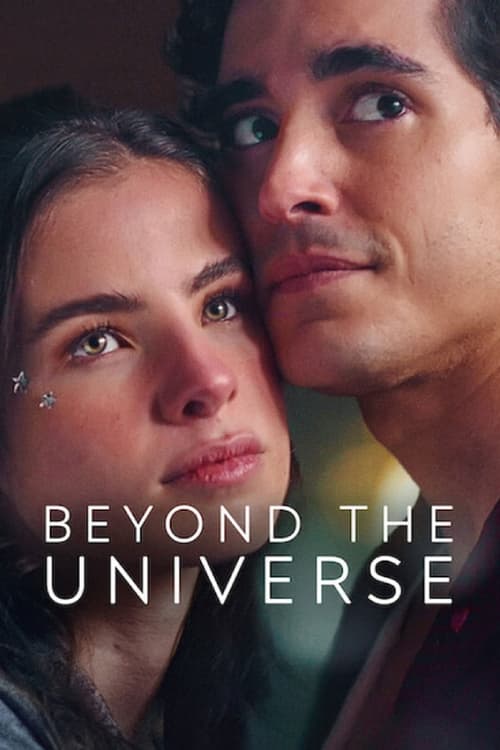
 Henrique Zaga
 Giulia Be
 Jou00e3o Miguel
 Othon Bastos
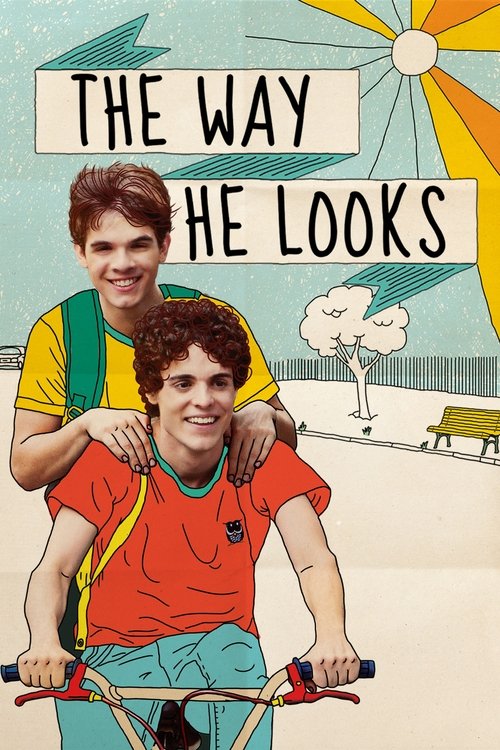
 Ghilherme Lobo
 Fu00e1bio Audi
 Tess Amorim
 Lu00facia Romano


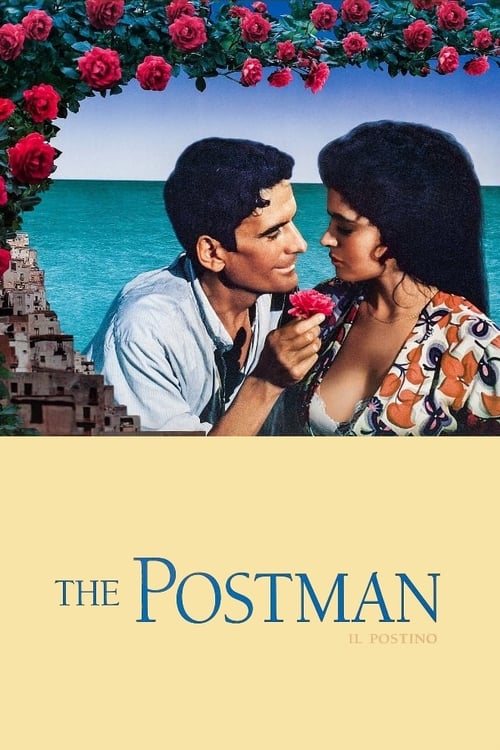
 Massimo Troisi
Philippe Noiret
 Maria Grazia Cucinotta
 Renato Scarpa
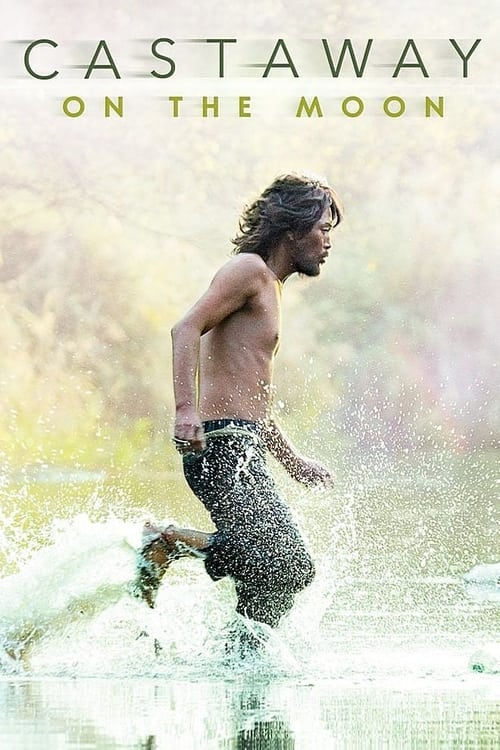
 Jung Jae-young
 Jung Ryeo-won
 Yang Mi-kyung
 Lee Sang-hun

 Tatyana Samoylova
 Aleksey Batalov
 Vasili Merkuryev
 Aleksandr Shvorin

 Vivien Leigh
 Clark Gable
 Olivia de Havilland
 Leslie Howard


 Gaston Re
 Alfonso Baru00f3n
 Malena Irusta
 Ailu00edn Salas

 u00d6zcan Deniz
 Yasemin Kay Allen
 Kaan u00c7aku0131r
 Pelin Akil


 Buster Keaton
 Marion Mack
 Glen Cavender
 Jim Farley

 Vladimir Ivashov
 Zhanna Prokhorenko
 Antonina Maksimova
 Nikolay Kryuchkov


 Marcello Mastroianni
 Jeanne Moreau
 Monica Vitti
 Bernhard Wicki

 Marlon Brando
 Eva Marie Saint
 Karl Malden
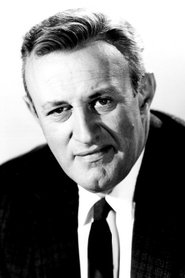 Lee J. Cobb


 Amandla Stenberg
 George MacKay
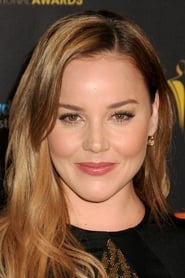 Abbie Cornish
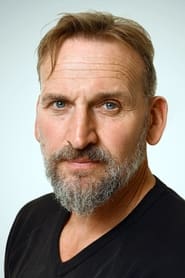 Christopher Eccleston
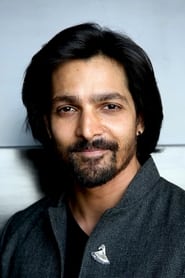 Harshvardhan Rane
 Mawra Hocane
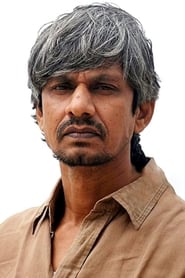 Vijay Raaz
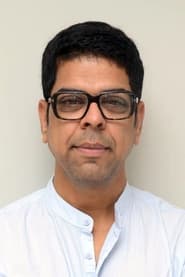 Murali Sharma

 Emilia Jones
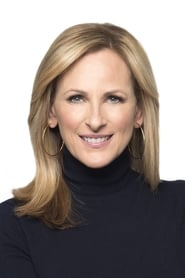 Marlee Matlin
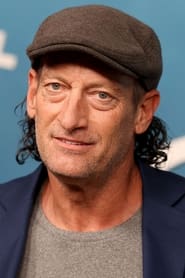 Troy Kotsur
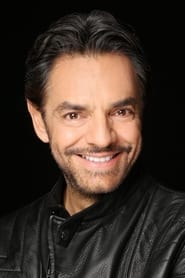 Eugenio Derbez


 Gregory Peck
 Audrey Hepburn
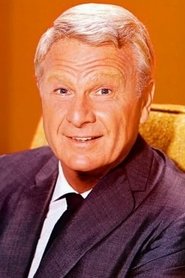 Eddie Albert
 Hartley Power

 Mauricio Ochmann
 Esmeralda Pimentel
 Regina Reynoso

 Nani
 Mrunal Thakur
 Baby Kiara Khanna
 Jayaram
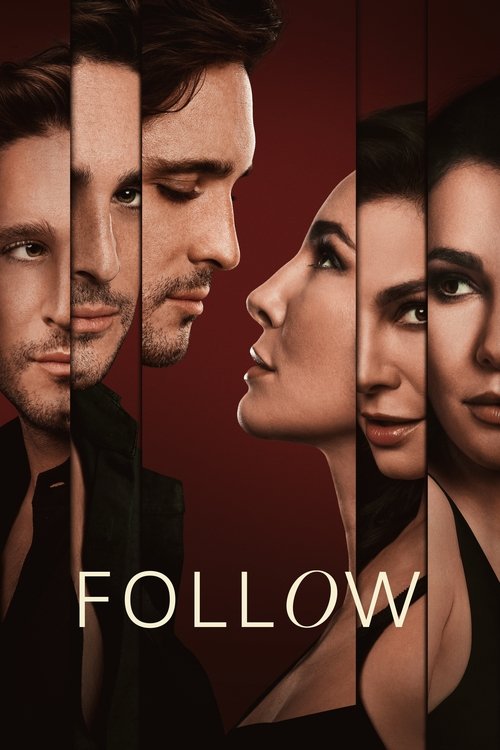
 Diego Boneta
Martha Higareda
 Alberto Guerra
 Alejandro Speitzer

 Edward Chen
 Tseng Jing-hua
 Leon Dai
 Wang Shih-sian

 Jean Nu00e9groni
 Hu00e9lu00e8ne Chatelain
 Davos Hanich
 Jacques Ledoux

 Mu00f4nica Martelli
 Paulo Gustavo
 Marcos Palmeira
 Marianna Santos


 Eve Ryan
 Mikel Niso
 Esther Acebo
 Luis Zahera

 Abigail Cowen
 Tom Lewis
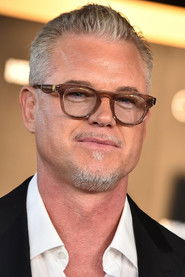 Eric Dane
 Famke Janssen



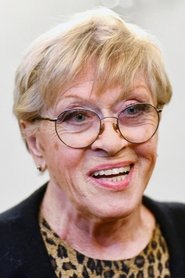 Alisa Freyndlikh
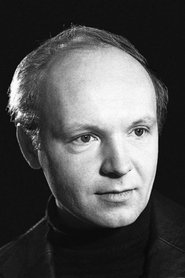 Andrey Myagkov
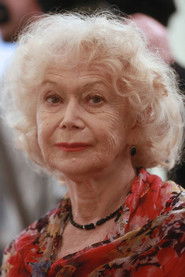 Svetlana Nemolyaeva
 Oleg Basilashvili
 Jimmy Wong
 John Cho
 Constance Wu
 Natasha Liu Bordizzo


 Eddie Redmayne
 Felicity Jones
 Charlie Cox
 Emily Watson

 Cassandra Su00e1nchez Navarro
 Regina Blandu00f3n
 Diana Bovio
 Nicolasa Ortu00edz Monasterio
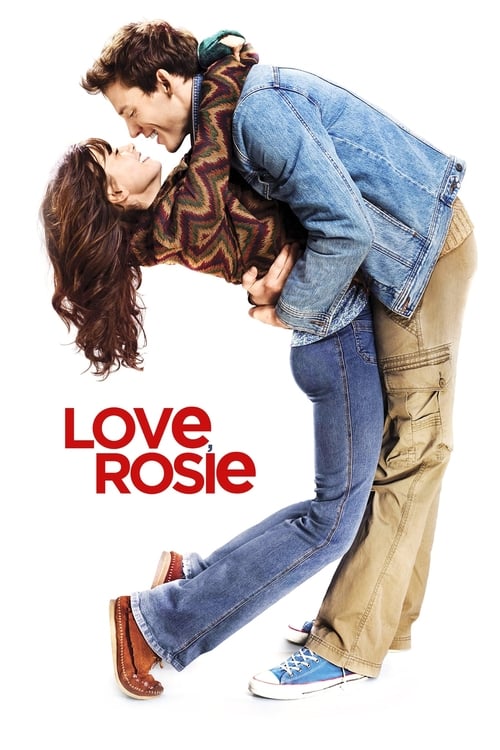
 Lily Collins
 Sam Claflin
 Christian Cooke
 Tamsin Egerton

 Geoffrey Rush
 Jim Sturgess
 Sylvia Hoeks
 Donald Sutherland

 Bella Thorne
 Patrick Schwarzenegger
 Rob Riggle
 Quinn Shephard

 Luna Wedler
 Jannik Schu00fcmann
 Luise Befort
 Victoria Mayer


 Ekin Kou00e7
 Farah Zeynep Abdullah
 Fikret Kuu015fkan
 Sibel Tau015fu00e7u0131ou011flu
 Jean-Louis Trintignant
 Emmanuelle Riva
 Isabelle Huppert
 Alexandre Tharaud
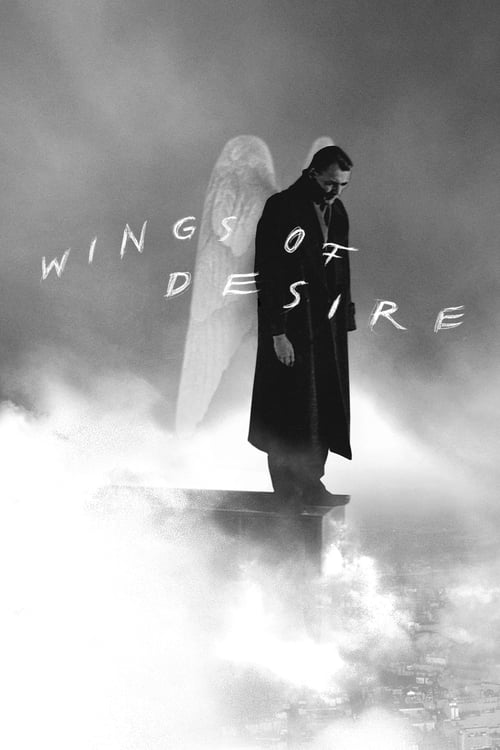
 Bruno Ganz
 Solveig Dommartin
 Otto Sander
 Curt Bois

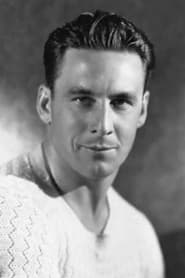 George O'Brien
 Janet Gaynor
 Margaret Livingston
 Bodil Rosing
 Zhou Dongyu
 Shawn Dou
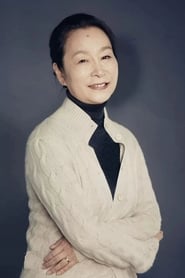 Xi Meijuan
 Li Xuejian

 Hideaki Anno
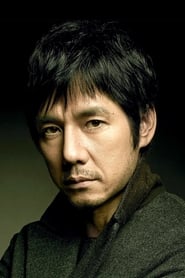 Hidetoshi Nishijima
 Miori Takimoto
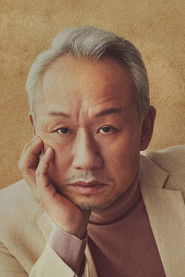 Masahiko Nishimura

 Jared Leto
 Sarah Polley
 Diane Kruger
 Linh-Dan Pham

 Mario Maurer
Pimchanok Luevisadpaibul
 Sudarat Butrprom
 Pijittra Siriwetchapan

 Jung Woo-sung
Son Ye-jin
 Baek Jong-hak
 Lee Sun-jin

 Dhanush
 Sonia Agarwal
 Nagesh

 Dulquer Salmaan
Mrunal Thakur
 Rashmika Mandanna
 Sumanth

 Maika Monroe
 Tyriq Withers
 Rudy Pankow
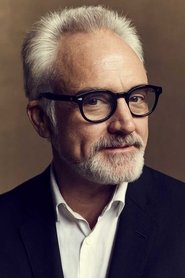 Bradley Whitford

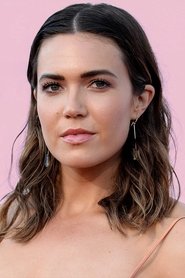 Mandy Moore
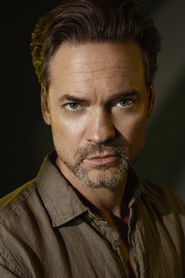 Shane West
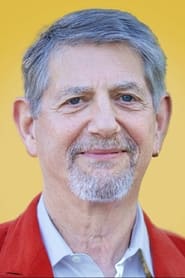 Peter Coyote
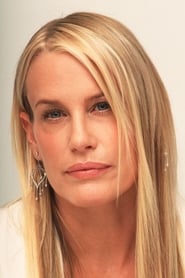 Daryl Hannah

 Tom Schilling
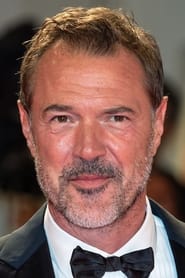 Sebastian Koch
 Paula Beer
 Saskia Rosendahl

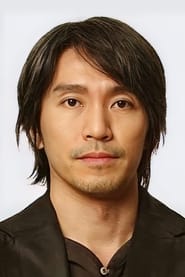 Stephen Chow
 Richard Ng Man-Tat
 Athena Chu Yan
 Ada Choi Siu-Fan

 Priyanka Chopra Jonas
 Zaira Wasim
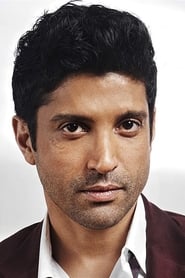 Farhan Akhtar
 Rohit Saraf

 Nicole Wallace
 Gabriel Guevara
 Marta Hazas
 Ivu00e1n Su00e1nchez

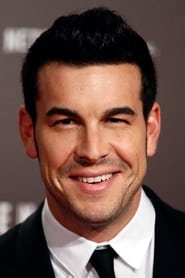 Mario Casas
 Maru00eda Valverde
 u00c1lvaro Cervantes
 Marina Salas

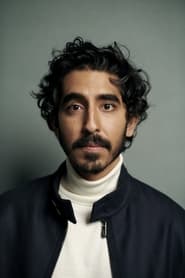 Dev Patel
 Freida Pinto
 Madhur Mittal
 Anil Kapoor

 Jessie Buckley
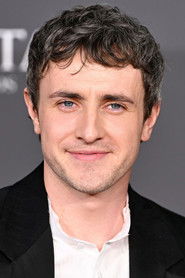 Paul Mescal
Emily Watson
 Joe Alwyn

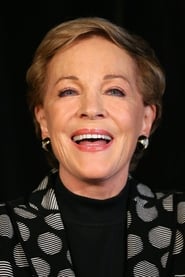 Julie Andrews
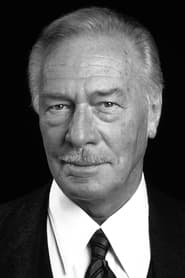 Christopher Plummer
 Eleanor Parker
 Charmian Carr

 Paige O'Hara
 Robby Benson
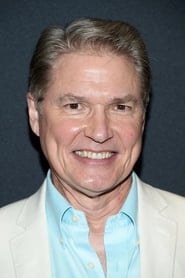 Richard White
 Jerry Orbach

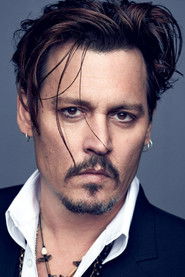 Johnny Depp
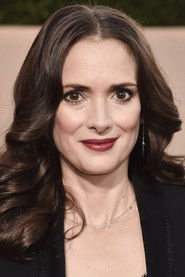 Winona Ryder
 Dianne Wiest
 Anthony Michael Hall

 Harold Lloyd
 Mildred Davis
 Bill Strother
 Noah Young

 Thiago Cazado
 Paulo Sousa
 Juliana Zancanaro

 Giancarlo Giannini
 Mariangela Melato
 Lina Polito
 Eros Pagni

 Kid Cudi
 Jessica Williams
 Laura Harrier
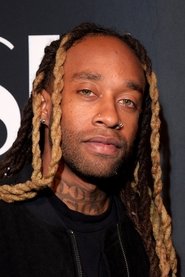 Ty Dolla Sign
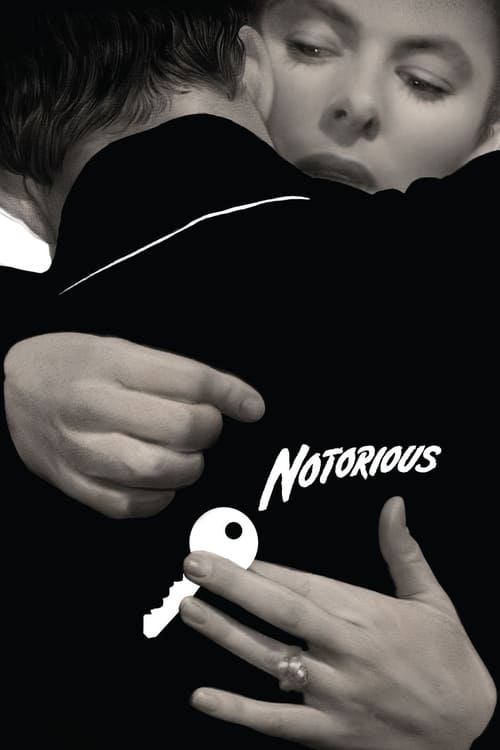
 Cary Grant
Ingrid Bergman
Claude Rains
 Louis Calhern
 Zhang Zhe
Yang Tianxiang
Tang Xiaoxi
 Liu Ziling

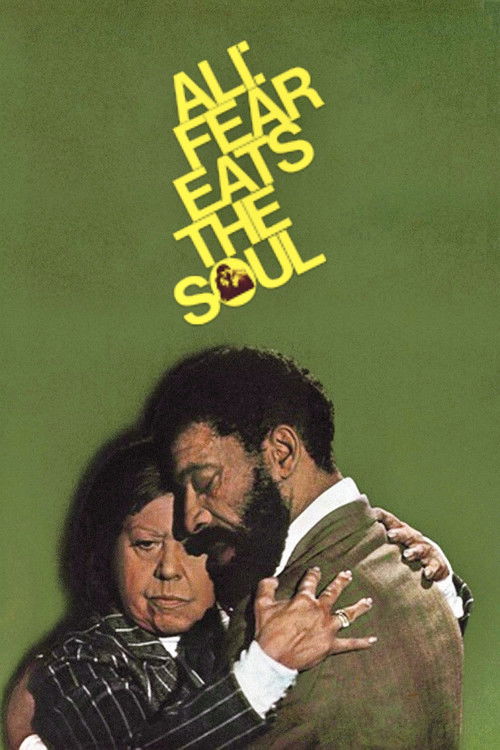
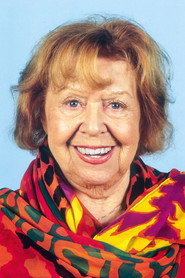 Brigitte Mira
 El Hedi ben Salem
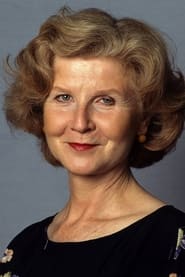 Irm Hermann
 Barbara Valentin

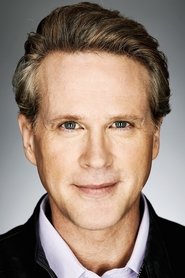 Cary Elwes
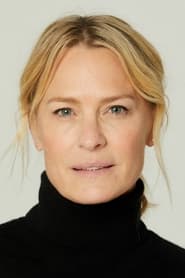 Robin Wright
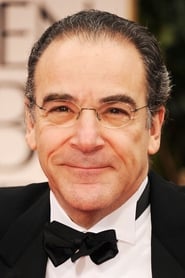 Mandy Patinkin
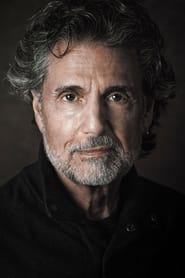 Chris Sarandon

 Celia Johnson
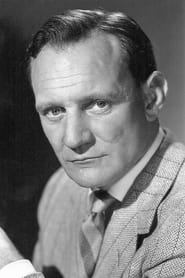 Trevor Howard
 Stanley Holloway
 Joyce Carey

 Danilo Mesquita
 Giovanna Lancellotti
 Jaffar Bambirra
 Lellu00ea

 Diane Keaton
 Woody Allen
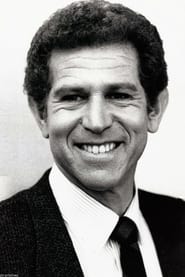 Tony Roberts
 Carol Kane

 Jang Ki-yong
 Chae Soo-bin
 Krystal Jung
 Lee Woo-je

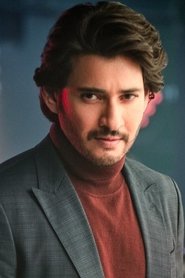 Mahesh Babu
 Bhumika Chawla
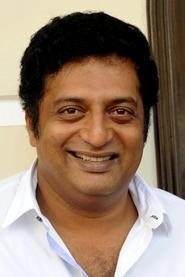 Prakash Raj
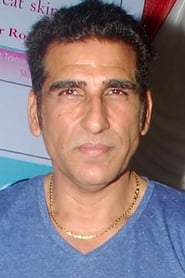 Mukesh Rishi