Show Adult Titles
Show Adult Posters & Images


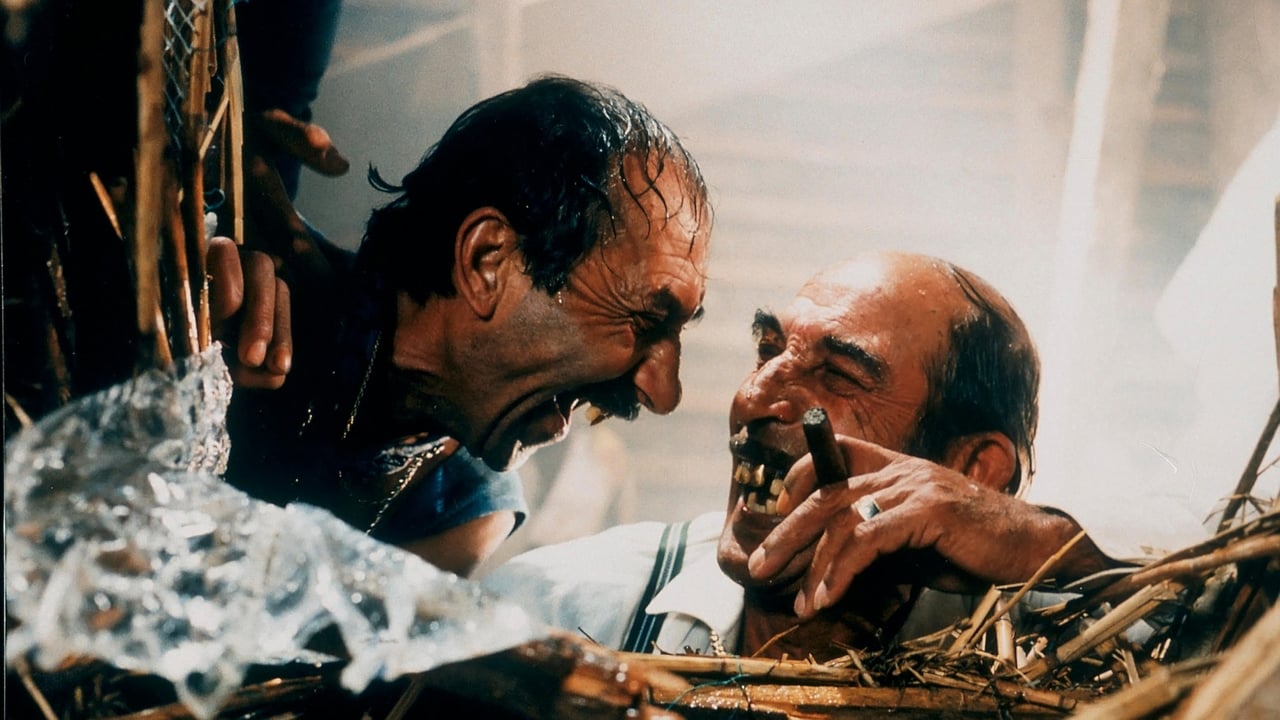
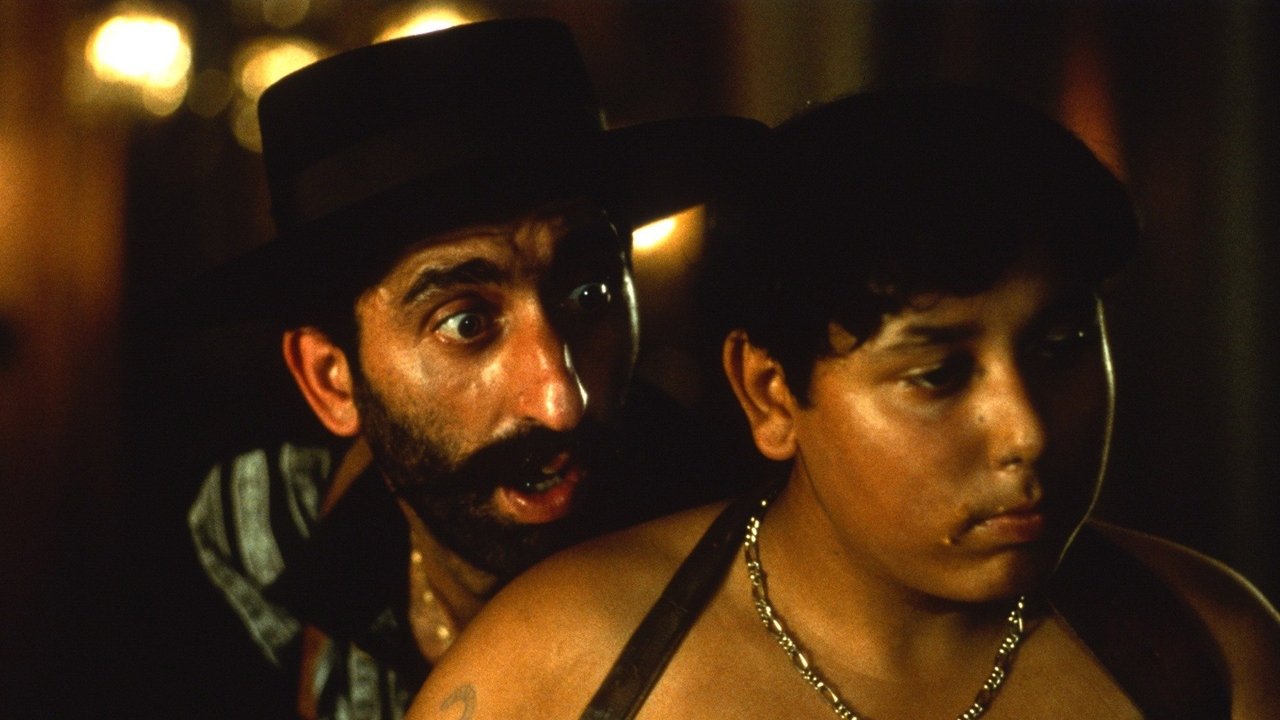
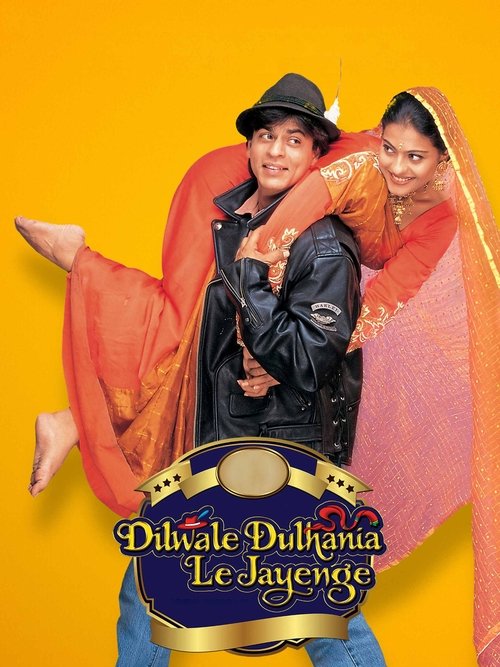
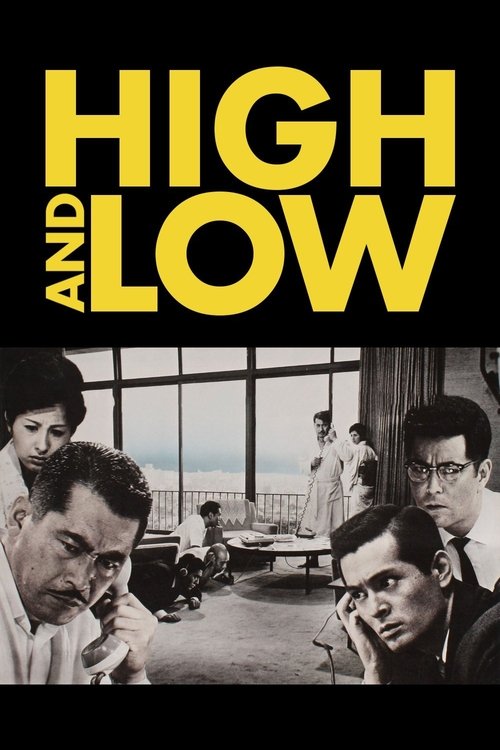
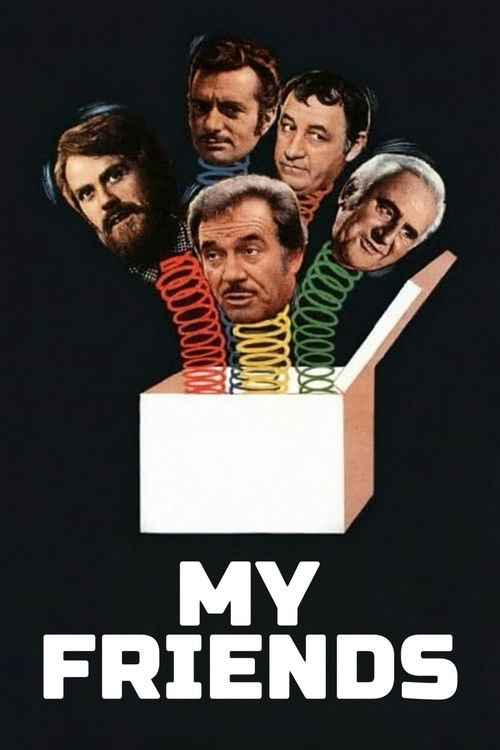
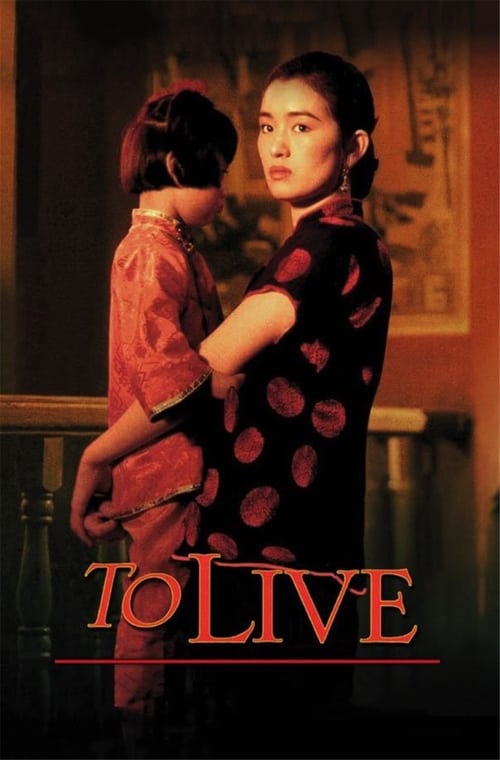
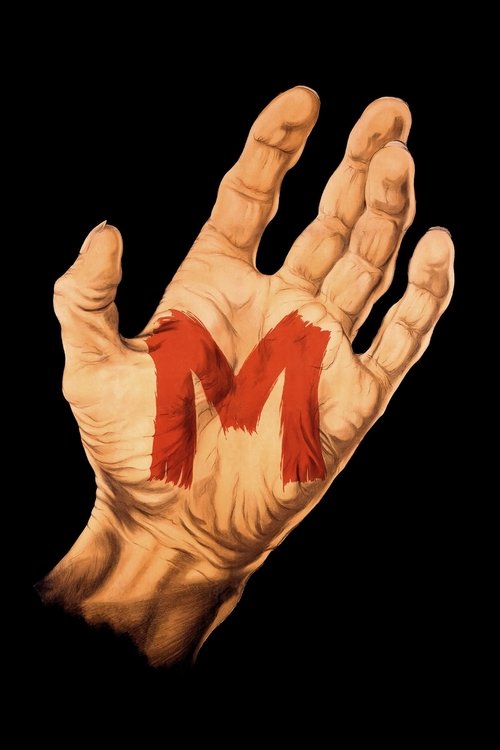
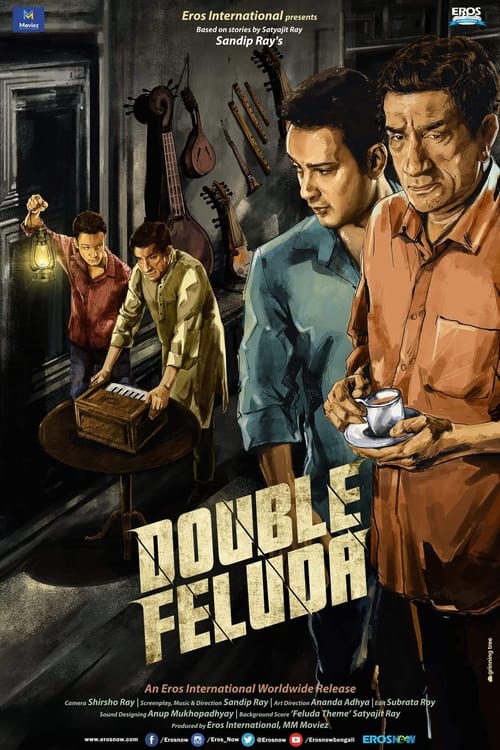
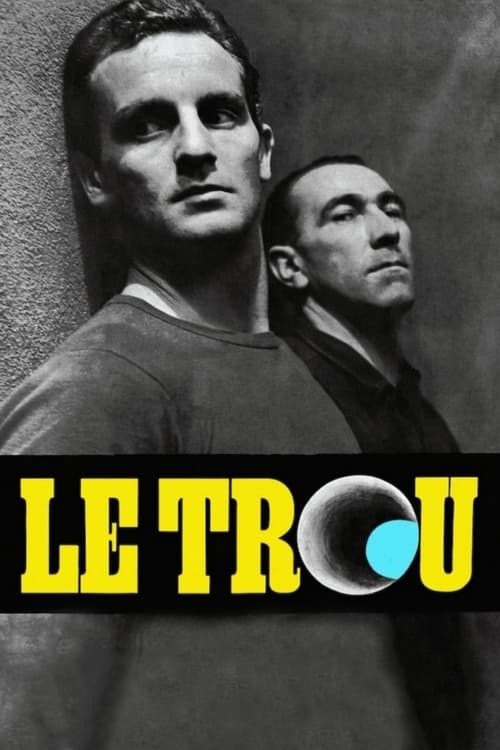
A small-time hustler makes a deal with a notorious gangster to whom he owes money: marry his teenage son to the latter's daughter. However, the young lovers are not as agreeable.
 CDA Premium
 Catchplay
 Curzon Amazon Channel
 FOD
 Klassiki
 Lepsi TV
 Mosaik Amazon Channel
 Raro Video Amazon Channel
 ARTE Boutique
 Amazon Video
 Apple TV Store
 CHILI
 Canal VOD
Catchplay
 Curzon Home Cinema
 Google Play Movies
 LaCinetek
 Orange VOD
 Pathu00e9 Home
 Premiere Max
 Rakuten TV
 SF Anytime
 Sky Store
 Sooner
 TriArt Play
 VIVA by videofutur
 YouTube
ARTE Boutique
Amazon Video
Apple TV Store
CHILI
Canal VOD
Google Play Movies
LaCinetek
Orange VOD
Pathu00e9 Home
Premiere Max
Rakuten TV
SF Anytime
Sky Store
Sooner
VIVA by videofutur
YouTube

This section contains spoilers
The full plot reveals key story details including the ending.




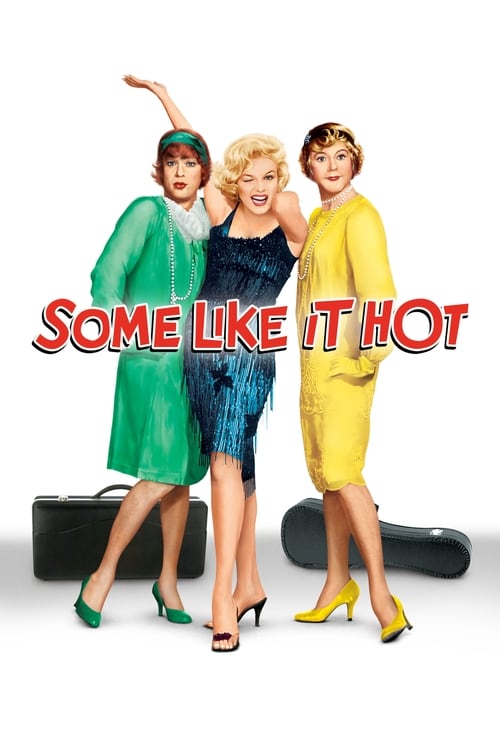
 Tony Curtis
 Jack Lemmon
 Marilyn Monroe
 George Raft

 Alain Delon
 Renato Salvatori
 Annie Girardot
 Katina Paxinou


 Chang Chen
 Lisa Yang
 Chang Kuo-Chu
 Elaine Jin Yan-Ling
 Jack Lemmon
 Shirley MacLaine
 Fred MacMurray
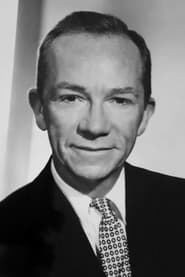 Ray Walston

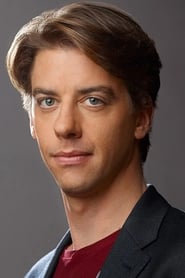 Christian Borle
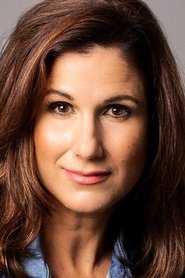 Stephanie J. Block
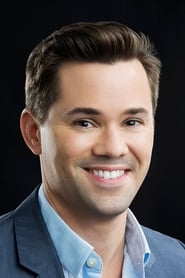 Andrew Rannells
 Brandon Uranowitz

 Gene Kelly
 Donald O'Connor
 Debbie Reynolds
 Jean Hagen

 Zhou Dongyu
 Jackson Yee
 Yin Fang
 Huang Jue

 Natarajan Subramaniam
 Ishara Nair
 Ponvannan
 Ilavarasu

 Kurt Kuenne
 Andrew Bagby

 Paul Newman
 Robert Redford
 Robert Shaw
 Charles Durning

 Alicia Jaziz Zapiu00e9n
 Juliu00e1n Cerati
 Gimena Gu00f3mez
 Javier Luna

 Shane Nigam
 Soubin Shahir
 Sreenath Bhasi
 Mathew Thomas

 Zhang Zhe
 Yang Tianxiang
 Tang Xiaoxi
 Zhang He

 Angelique Boyer
 Bu00e1rbara de Regil
 Diego Klein
 Lucu00eda Uribe

 Ludwika Paleta
 Juanpa Zurita
 Harold Azuara
 Yuriria del Valle
 Ludwika Paleta
Juanpa Zurita
 Hernu00e1n Mendoza
Harold Azuara


 Jorge Negrete
 Pedro Infante
 Carmelita Gonzu00e1lez
 Yolanda Varela

 Zoey Deutch
 Nick Robinson
 Ciara Bravo
 Nick Offerman

 Jung Jinyoung
 DAHYUN
 Demian
 Lee Min-goo



 Shin Eun-soo
 Gong Myoung
 Cha Woo-min
 Youn Sang-hyun


 Chishu016b Ryu016b
 Chieko Higashiyama
 Setsuko Hara
 Haruko Sugimura
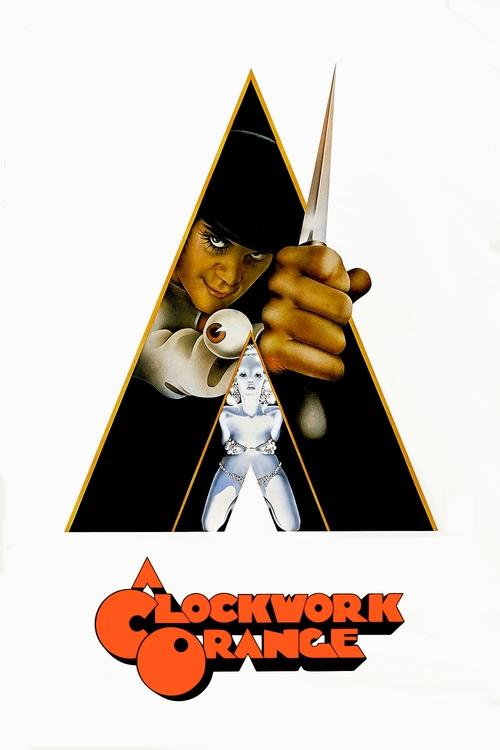
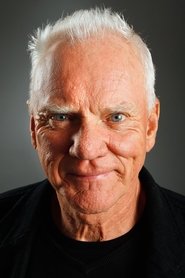 Malcolm McDowell
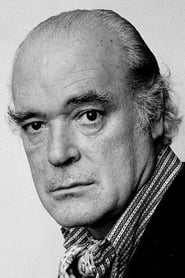 Patrick Magee
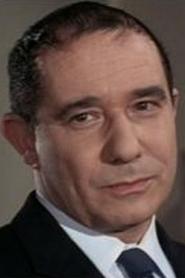 Carl Duering
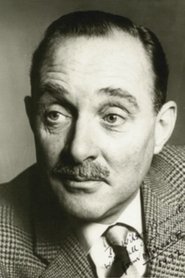 Michael Bates




 Madeline Carroll
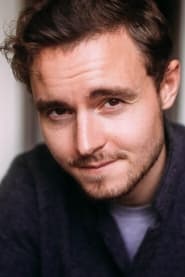 Callan McAuliffe
 Rebecca De Mornay
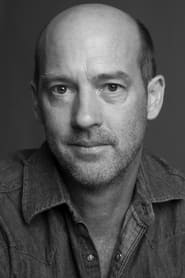 Anthony Edwards
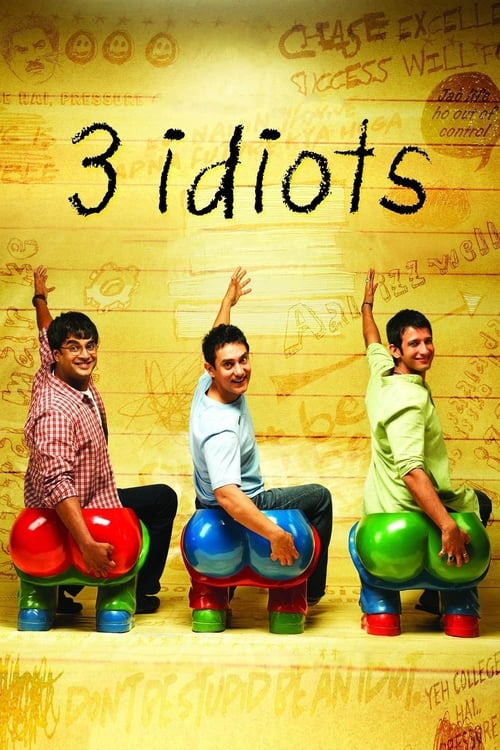


 Lou Goossens
 Marius De Saeger
 Geert Van Rampelberg
 Emilie De Roo

 Philippe Noiret
 Jacques Perrin
 Marco Leonardi
 Salvatore Cascio
 Toshiru014d Mifune
 Tatsuya Nakadai
 Kyu014dko Kagawa
 Tatsuya Mihashi


 Haley Lu Richardson
 Cole Sprouse
 Moisu00e9s Arias
 Kimberly Hu00e9bert Gregory


 So Ji-sub
 Son Ye-jin
 Kim Ji-hwan
 Ko Chang-seok

 Charo Santos
 Jay Ilagan
 Vic Silayan
 Charito Solis

 Kim You-jung
 Byeon Woo-seok
 Park Jung-woo
 Roh Yoon-seo

 Kathir
 Anandhi
 Yogi Babu
 G. Marimuthu

 Damian Chapa
 Jesse Borrego
 Benjamin Bratt
 Enrique Castillo

 Kim Min-hee
 Kim Tae-ri
 Ha Jung-woo
 Cho Jin-woong
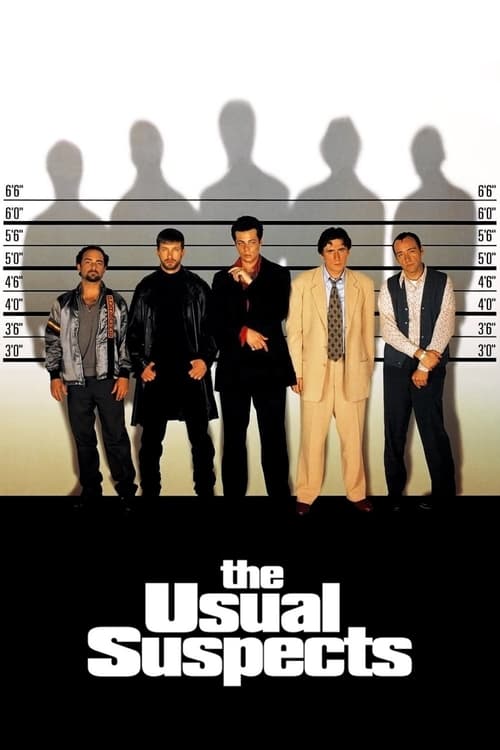
 Stephen Baldwin
 Gabriel Byrne
 Benicio del Toro
 Kevin Pollak


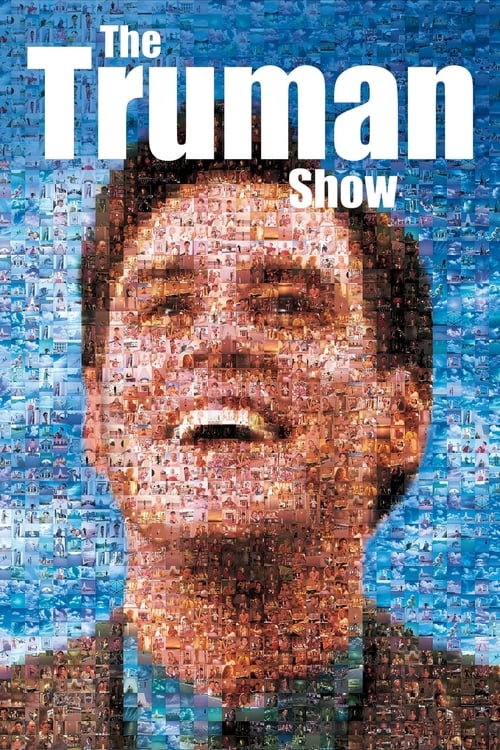
 Jim Carrey
 Laura Linney
 Noah Emmerich
 Natascha McElhone

 Cantinflas
 Alma Rosa Aguirre
 Miguel Inclu00e1n
 Miguel u00c1ngel Ferriz Sr.
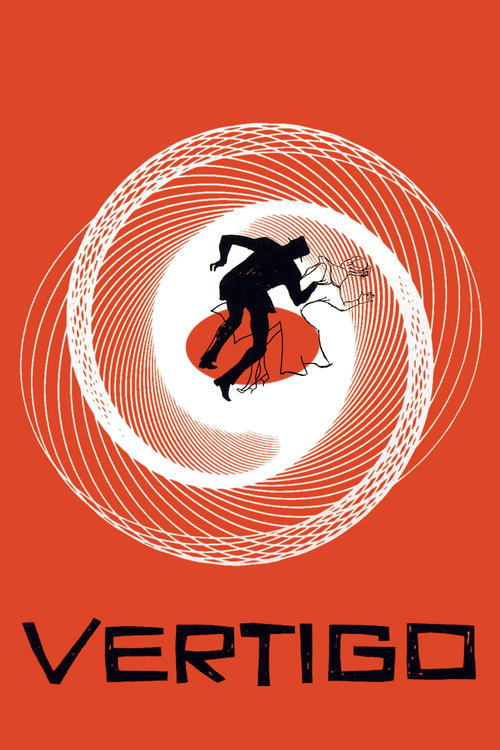
 James Stewart
 Kim Novak
 Barbara Bel Geddes
 Tom Helmore

 Rakshit Shetty
 Rukmini Vasanth
 Sharath Lohitashwa


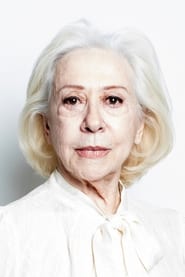 Fernanda Montenegro
 Vinu00edcius de Oliveira
 Maru00edlia Pu00eara
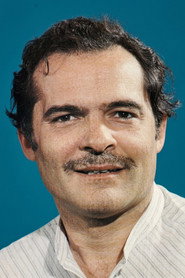 Othon Bastos
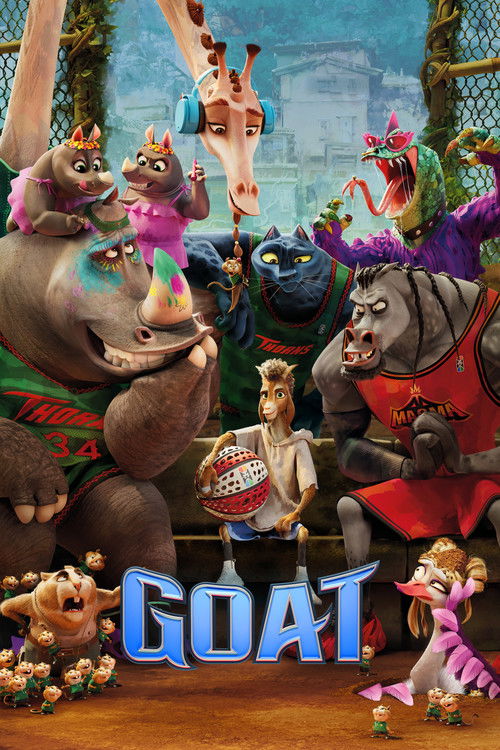
 Caleb McLaughlin
 Gabrielle Union
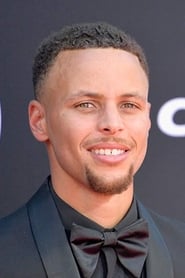 Stephen Curry
 Aaron Pierre
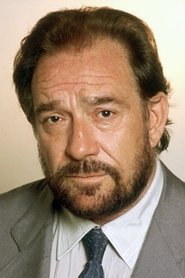 Ugo Tognazzi
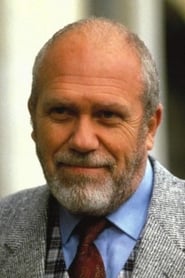 Gastone Moschin
Philippe Noiret
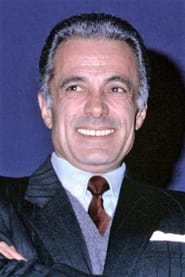 Duilio Del Prete

 Liv Ullmann
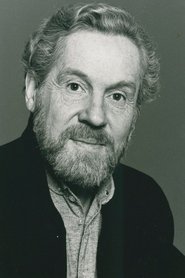 Erland Josephson
 Bibi Andersson
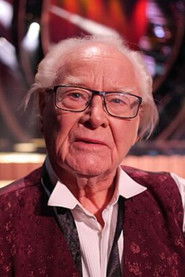 Jan Malmsju00f6

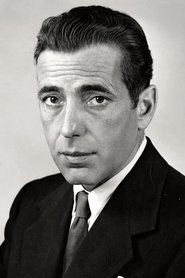 Humphrey Bogart
 Ingrid Bergman
 Paul Henreid
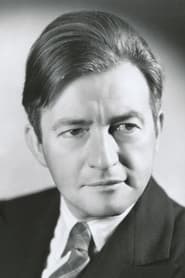 Claude Rains

 Fred MacMurray
 Barbara Stanwyck
 Edward G. Robinson
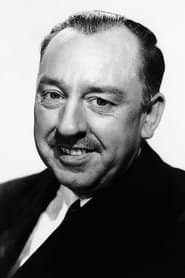 Porter Hall
 Pedro Infante
 Luis Aguilar
 Rosita Arenas
 Gloria Mange

 Nou00e9mie Merlant
 Adu00e8le Haenel
 Luu00e0na Bajrami
 Valeria Golino

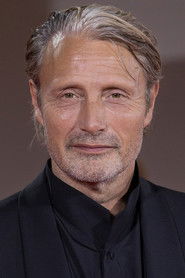 Mads Mikkelsen
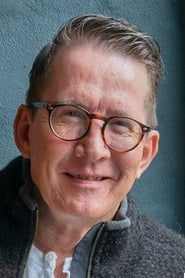 Thomas Bo Larsen
 Annika
 Lasse Fogelstru00f8m



 Maggie Cheung
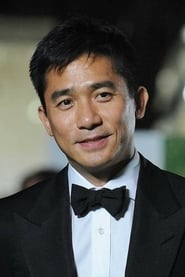 Tony Leung Chiu-wai
 Siu Ping-Lam
 Rebecca Pan

 Vittorio Gassman
 Alberto Sordi
 Silvana Mangano
 Folco Lulli


 Luis Fernando Peu00f1a
 Martha Higareda
 Ximena Sariu00f1ana
 Alfonso Herrera
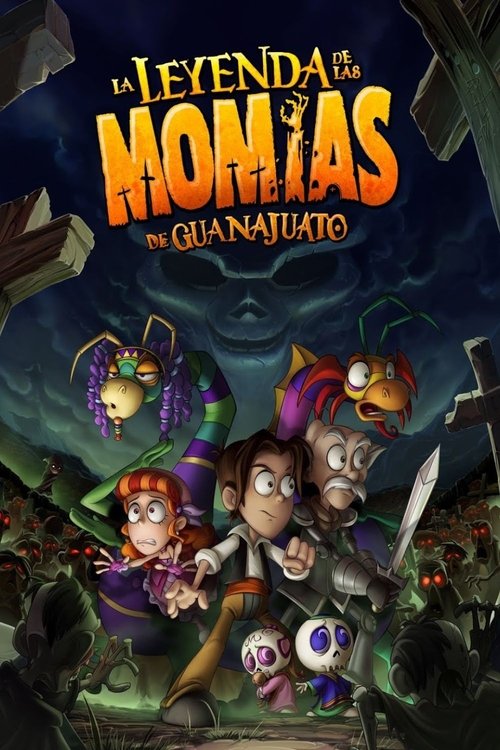
 Ge You
 Gong Li
 Niu Ben
 Guo Tao

 Song Kang-ho
 Kim Sang-kyung
 Kim Roi-ha
 Song Jae-ho

 Wagner Moura
 Andru00e9 Ramiro
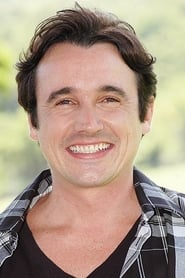 Caio Junqueira
 Milhem Cortaz
 Peter Lorre
 Ellen Widmann
 Inge Landgut
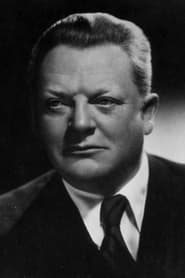 Otto Wernicke


 Sarocha Chankimha
 Becky Armstrong
 Torfan Taweema
 Siriam Pakdeedumrongrit

 Sofia Carson
 Nicholas Galitzine
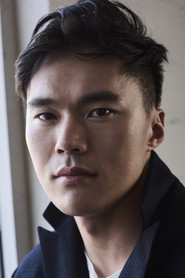 John Harlan Kim
 Chosen Jacobs

 Luigi Lo Cascio
 Alessio Boni
 Adriana Asti
 Sonia Bergamasco

 Sarah Snook
 Kodi Smit-McPhee
 Jacki Weaver
 Magda Szubanski
 Cantinflas
 Teresa Velu00e1zquez
 Joaquu00edn Garcu00eda Vargas
 Carlos Agostu00ed
 Toshiru014d Mifune
 Machiko Kyu014d
 Takashi Shimura
 Masayuki Mori




 Katie Douglas
 David James Elliott
 Rossif Sutherland
 Amanda Arcuri

 Markella Kavenagh
 Maiah Stewardson
 Edwina Wren
 Harvey Zielinski

 N.T. Rama Rao
 S. V. Ranga Rao
 Savitri
 Akkineni Nageswara Rao

 Arden Cho
 May Hong
 Ji-young Yoo
 Ahn Hyo-seop

 Mohanlal
 Sreenivasan
 Shobana
 Thilakan

 Basil Joseph
 Lijomol Jose
 Anand Manmadhan
 Sajin Gopu

 Zara Whites

 Marcello Mastroianni
 Anita Ekberg
 Anouk Aimu00e9e
 Yvonne Furneaux
 Cantinflas
 u00c1ngel Garasa
 Daniel Herrera
 Andru00e9s Soler

 Ryusei Nakao
 Momoko Kikuchi
 Akira Fukuzawa
 Tetsuo Sakaguchi


 Vadhir Derbez
 Bu00e1rbara Lu00f3pez
 Arturo Barba
 Emiliano Zurita


 V R Dinesh
 Samuthirakani
Anandhi
 Aadukalam Murugadoss

 Anton Walbrook
 Marius Goring
 Moira Shearer
 Robert Helpmann

 Kotaro Daigo
 Nana Mori
 Tsubasa Honda
 Sakura Kiryu

 Gippy Grewal
 Binnu Dhillon
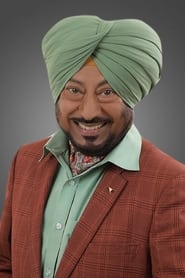 Jaswinder Bhalla
 Karamjit Anmol
 Sabyasachi Chakraborty
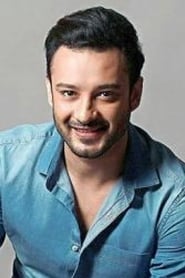 Shaheb Bhattacherjee
 Bratya Basu
 Bhaskar Banerjee

 Ryuga Sato
 Hideya Tawada
 Nene Shida
 Asuka Hanamura


 Sushant Singh Rajput
 Bhumi Pednekar
 Ashutosh Rana
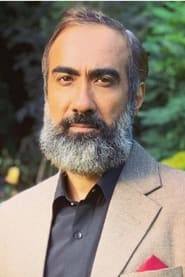 Ranvir Shorey

 Buster Keaton
 Kathryn McGuire
 Joe Keaton
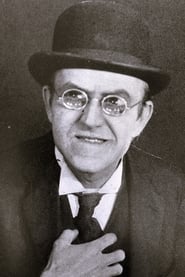 Erwin Connelly

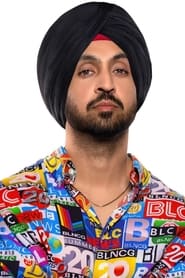 Diljit Dosanjh
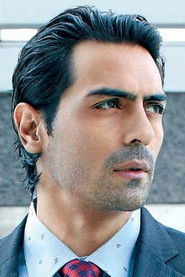 Arjun Rampal
 Suvinder Vicky
 Geetika Vidya

 Ellen Burstyn
 Jared Leto
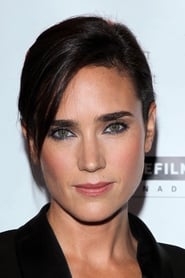 Jennifer Connelly
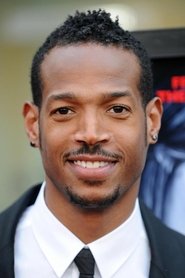 Marlon Wayans

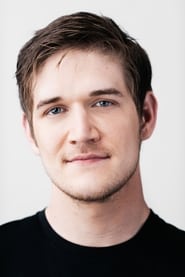 Bo Burnham

 Li Sitong
 Wang Yantong
 Wu Shaoqing
 Zheng Runqi


 Jerald Napoles
 Gina Alajar
 Louise delos Reyes
 Candy Pangilinan

 Goru014d Ibuki
 Tsunehiko Watase
 Ichiro Araki
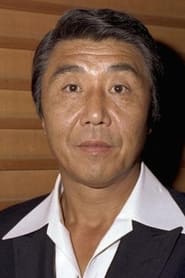 Asao Koike



 Pimchanok Luevisadpaibul
 Thanapob Leeratanakachorn
 Sivakorn Adulsuttikul
 Chartayodom Hiranyatithi
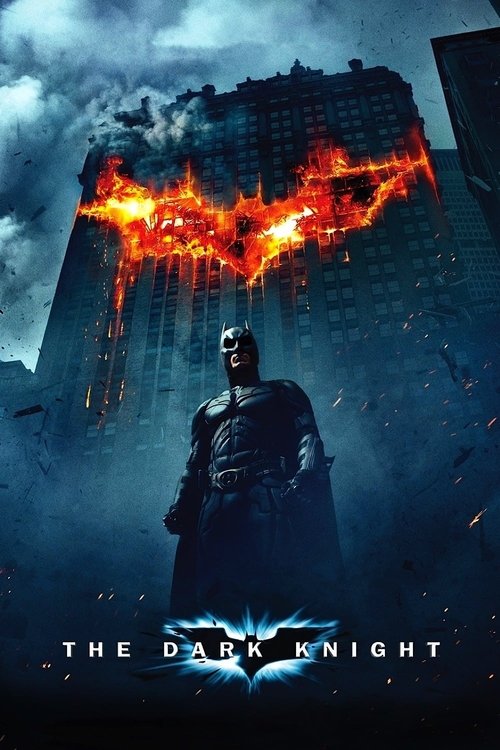


 Kim Molina
Jerald Napoles
 Al Tantay
 Althea Ruedas

 Ashleigh Ball
 Andrea Libman
 Tara Strong
 Rebecca Shoichet

 Song Kang-ho
 Lee Sun-kyun
 Cho Yeo-jeong
 Choi Woo-shik


 Roberto Benigni
 Nicoletta Braschi
 Giorgio Cantarini
 Giustino Durano

 Alexandre Rodrigues
 Leandro Firmino
 Phellipe Haagensen
 Douglas Silva

 Choo Young-woo
 Shin Sia
 Cho Yu-jung
 Jin Ho-eun
 Cantinflas
 Roberto Soto
 Gilberto Gonzu00e1lez
 Elisa Quintanilla

 Sakura Kirishima
 Masamitsu Kani
 Hotaru Hazuki

 O. J. Simpson
 Nicole Brown Simpson
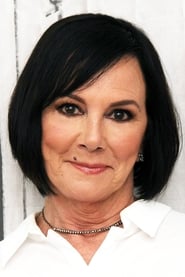 Marcia Clark
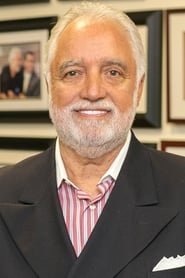 Danny Bakewell Sr.
 Pedro Infante
Luis Aguilar
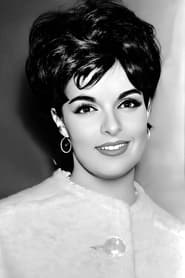 Alma Delia Fuentes



 Ren Nagase
 Natsuki Deguchi
 Mayuu Yokota
 Fumino Kimura

 Melanie Zanetti
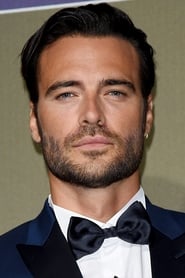 Giulio Berruti
 Kurt McKinney
 Agnes Albright


 Benny Emmanuel
 Emilio Treviu00f1o
 Jorge Rafael
 Maytu00e9 Cordero

 Mauricio Ochmann
 Memo Villegas
 Iru00e1n Castillo
 Farah Justiniani
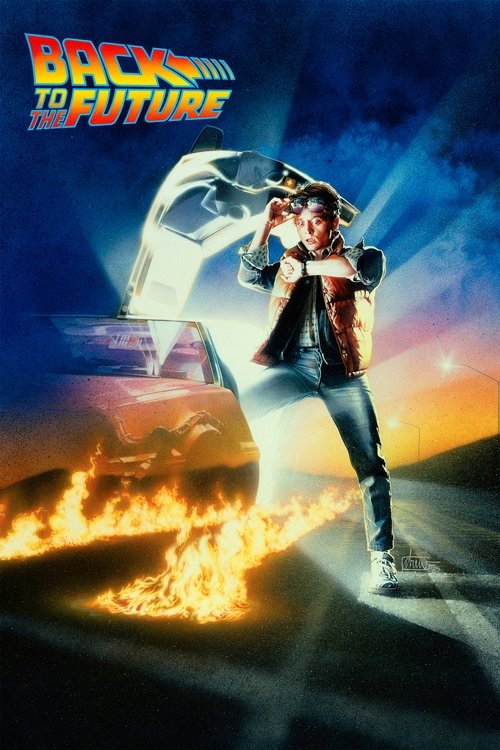
 Michael J. Fox
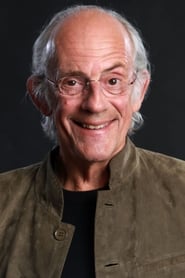 Christopher Lloyd
 Crispin Glover
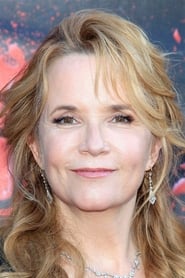 Lea Thompson
 Gippy Grewal
 Mahie Gill
 Gurpreet Ghuggi
Binnu Dhillon


 Paola Ramones
 Emiliano Ugarte
 Liliana Barba Meinecke
 Daniela Ibu00e1u00f1ez



 Jodie Foster
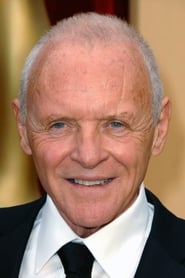 Anthony Hopkins
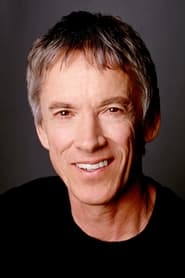 Scott Glenn
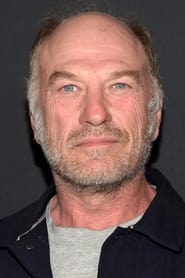 Ted Levine

 Cantinflas
Rosita Arenas
u00c1ngel Garasa
 Rebeca Iturbide

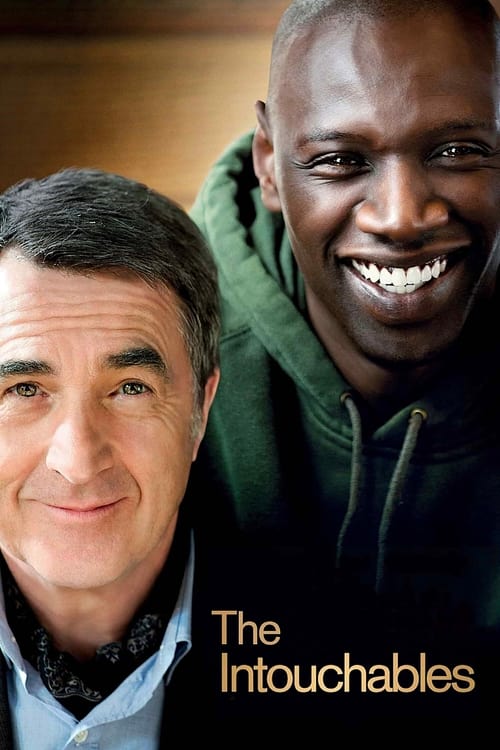
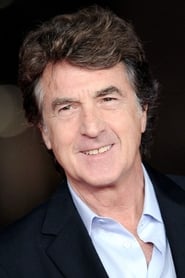 Franu00e7ois Cluzet
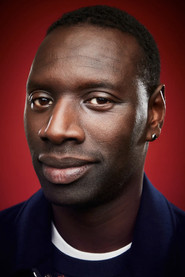 Omar Sy
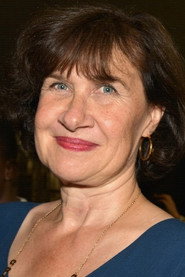 Anne Le Ny
 Audrey Fleurot

 Taishi Nakagawa
 Kaya Kiyohara
 Yume Miyamoto
 Kazuyuki Okitsu

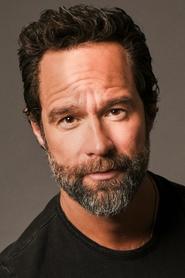 Chris Diamantopoulos
 Kaitlyn Robrock
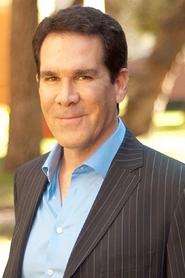 Tony Anselmo
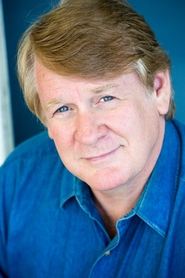 Bill Farmer


 Shun Shioya
 Nao Nagasawa
 Kohei Yamamoto
 Kouhei Higuchi
 Michel Constantin
 Jean Keraudy
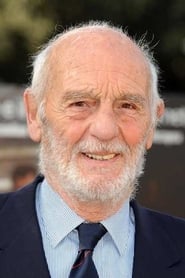 Philippe Leroy
 Raymond Meunier