Show Adult Titles
Show Adult Posters & Images
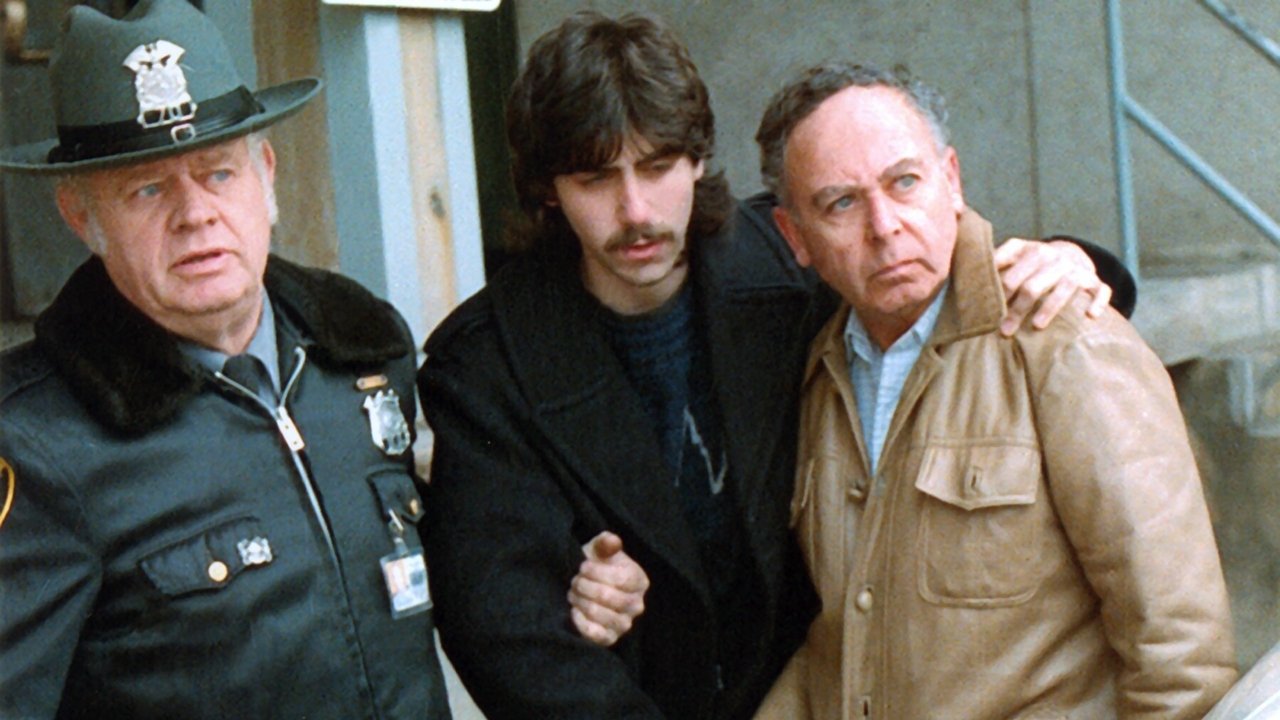
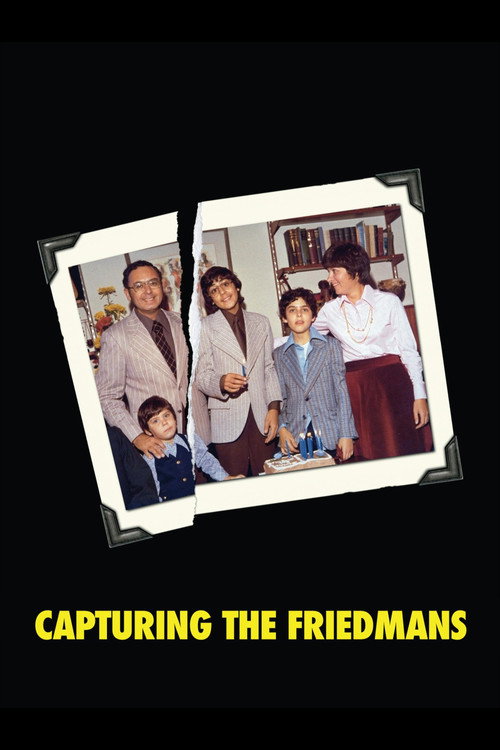
An Oscar nominated documentary about a middle-class American family who is torn apart when the father Arnold and son Jesse are accused of sexually abusing numerous children. Director Jarecki interviews people from different sides of this tragic story and raises the question of whether they were rightfully tried when they claim they were innocent and there was never any evidence against them.
 HBO Max
 HBO Max Amazon Channel
 JioHotstar
 YouTube TV
 Sooner
 Telia Play
 Amazon Video
Sooner

This section contains spoilers
The full plot reveals key story details including the ending.

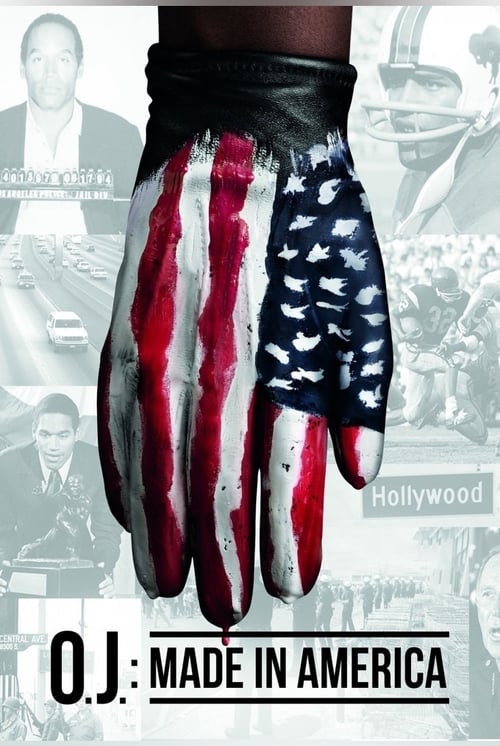
 O. J. Simpson
 Nicole Brown Simpson
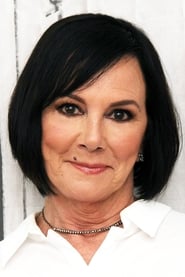 Marcia Clark
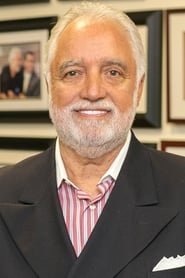 Danny Bakewell Sr.

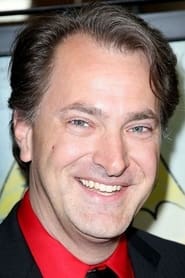 Kurt Kuenne
 Andrew Bagby
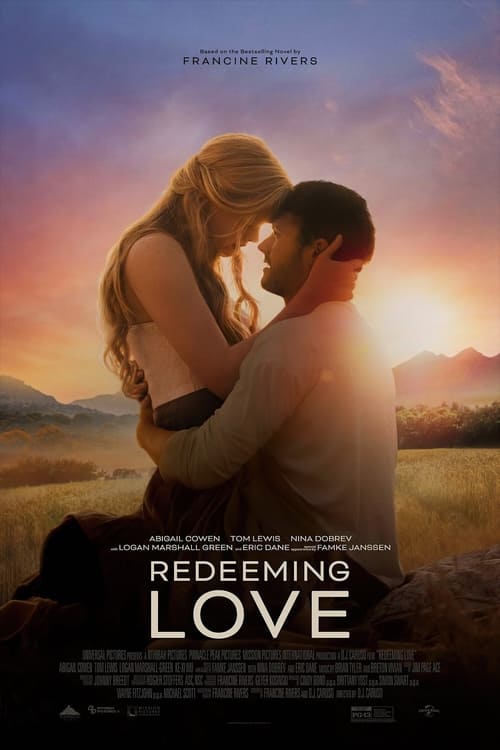
 Abigail Cowen
 Tom Lewis
 Eric Dane
 Famke Janssen
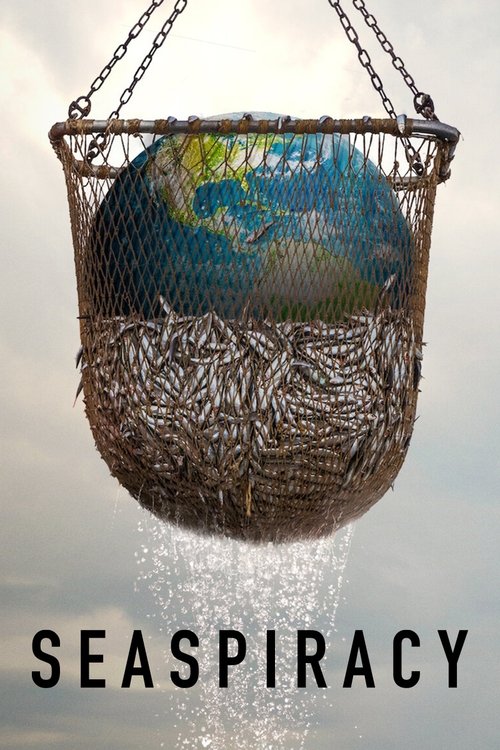
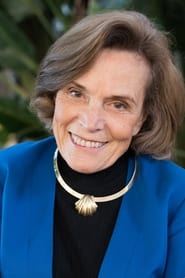 Sylvia Earle
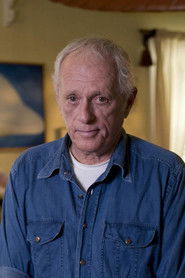 Richard O'Barry
 Paul de Gelder
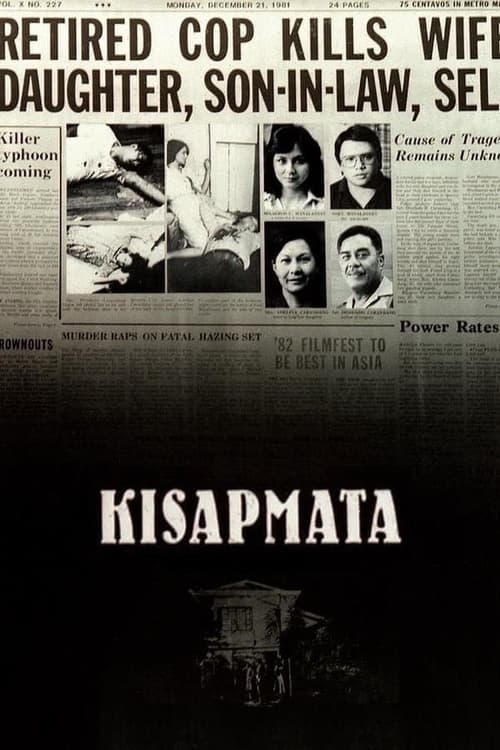
 Charo Santos
 Jay Ilagan
 Vic Silayan
 Charito Solis
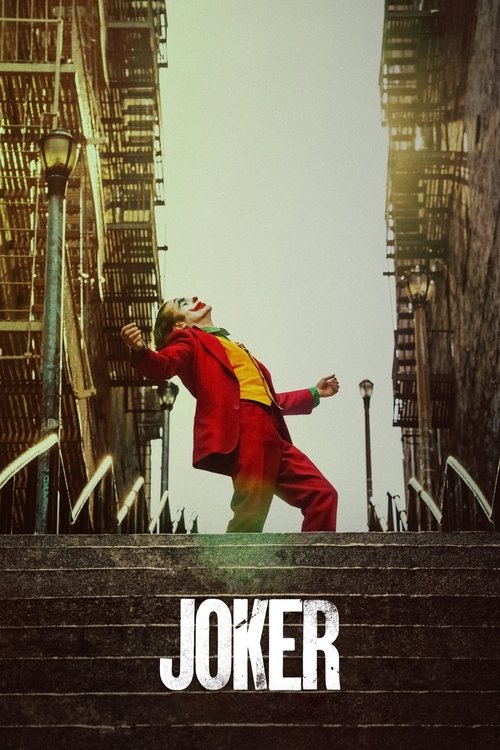
 Katie Douglas
 David James Elliott
 Rossif Sutherland
 Amanda Arcuri
 Bju00f6rk
 Catherine Deneuve
 David Morse
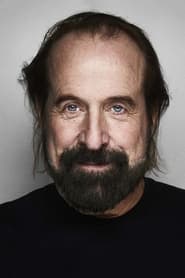 Peter Stormare
 Selena Gomez
 Raquelle Stevens

 Lil Peep
 Lil Tracy
 GHOSTEMANE
 Killstation
 David Attenborough
 Alexandre Rodrigues
 Leandro Firmino
 Phellipe Haagensen
 Douglas Silva
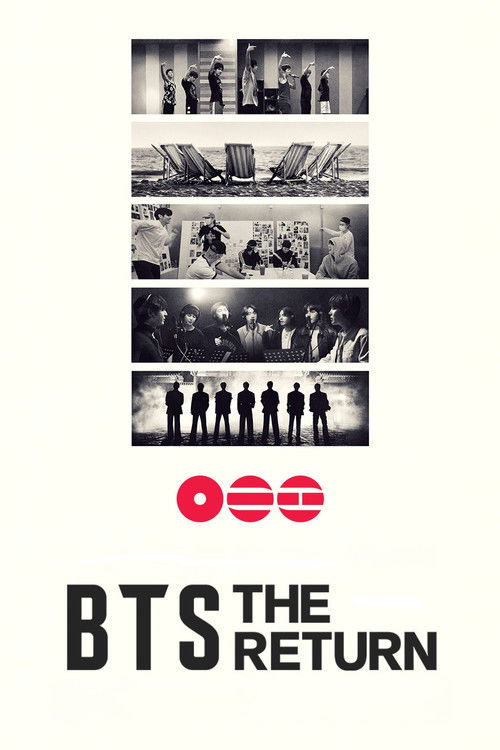
 RM
 Jin
 SUGA
 j-hope
 Hwang Dong-hyuk
 Lee Jung-jae
 Lee Byung-hun
 Chae Kyoung-sun
 Toshiru014d Mifune
 Tatsuya Nakadai
 Kyu014dko Kagawa
 Tatsuya Mihashi
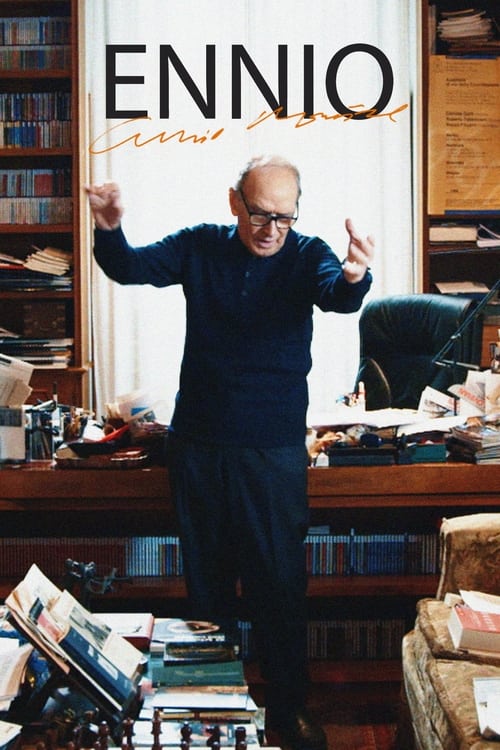
 Ennio Morricone
 Alessandro Alessandroni
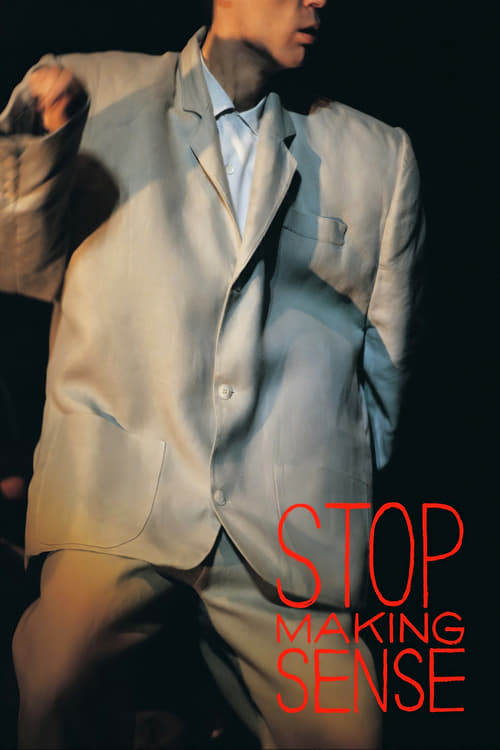
 David Byrne
 Chris Frantz
 Jerry Harrison
 Tina Weymouth


 Jodie Foster
 Anthony Hopkins
 Scott Glenn
 Ted Levine
 RM
Jin
SUGA
j-hope
 Michel Bouquet
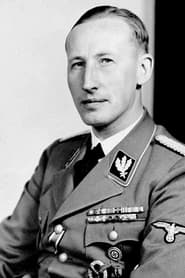 Reinhard Heydrich
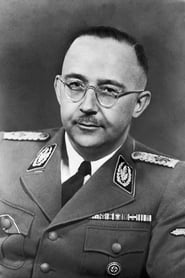 Heinrich Himmler
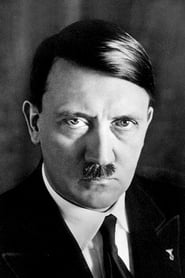 Adolf Hitler
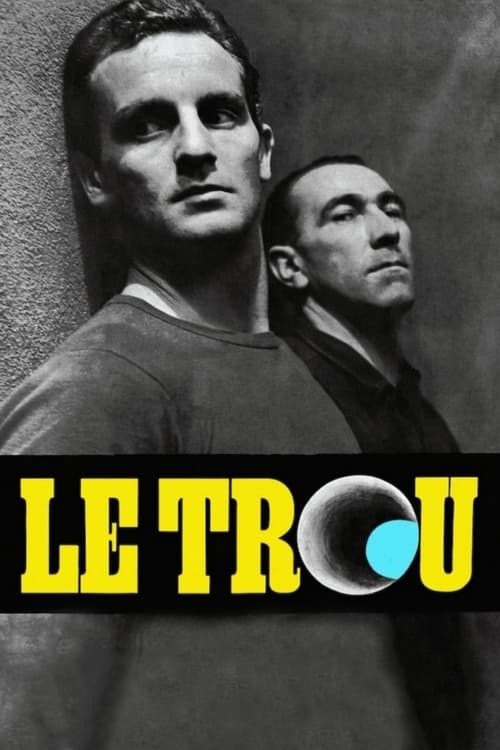
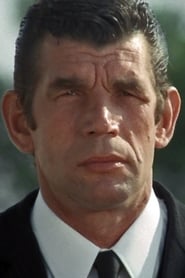 Michel Constantin
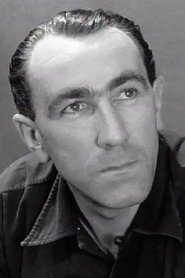 Jean Keraudy
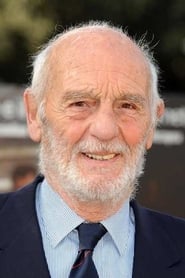 Philippe Leroy
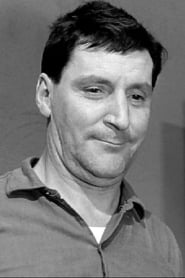 Raymond Meunier
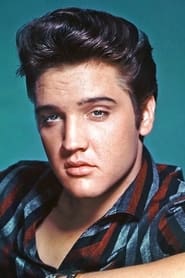 Elvis Presley
 James Burton
 John Wilkinson
 Charlie Hodge


 Cem Yu0131lmaz

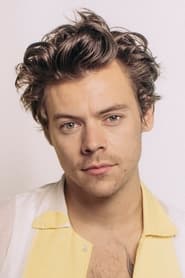 Harry Styles
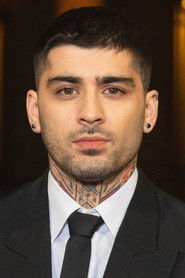 Zayn Malik
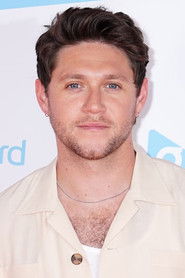 Niall Horan
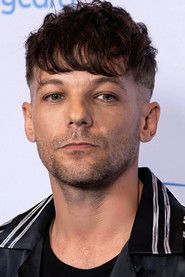 Louis Tomlinson
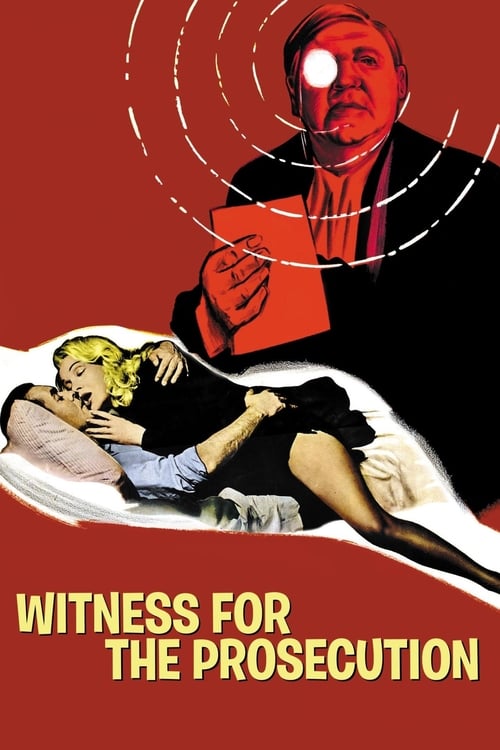
 Tyrone Power
 Marlene Dietrich
 Charles Laughton
 Elsa Lanchester

 Paulo Josu00e9

 Claude Lanzmann

 Chang Chen
 Lisa Yang
 Chang Kuo-Chu
 Elaine Jin Yan-Ling
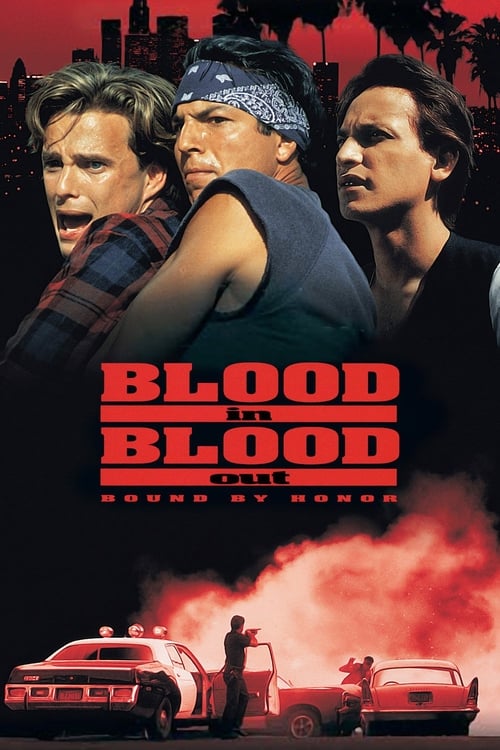
 Damian Chapa
 Jesse Borrego
 Benjamin Bratt
 Enrique Castillo

 JISOO
 JENNIE
 ROSu00c9
 LISA
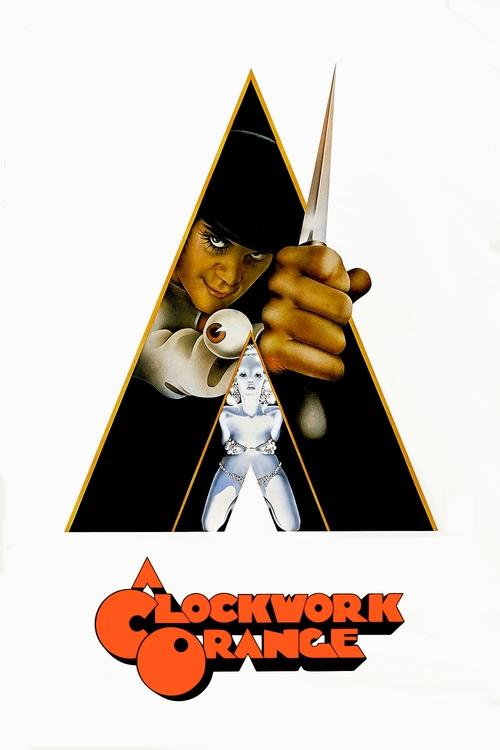
 Malcolm McDowell
 Patrick Magee
 Carl Duering
 Michael Bates
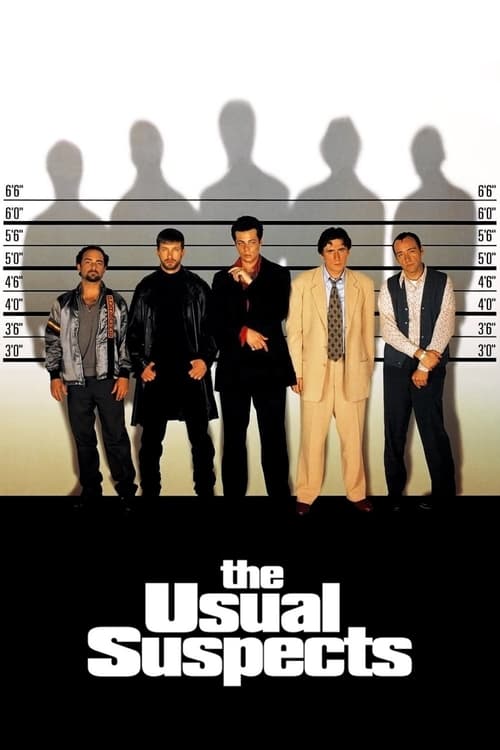
 Stephen Baldwin
 Gabriel Byrne
 Benicio del Toro
 Kevin Pollak

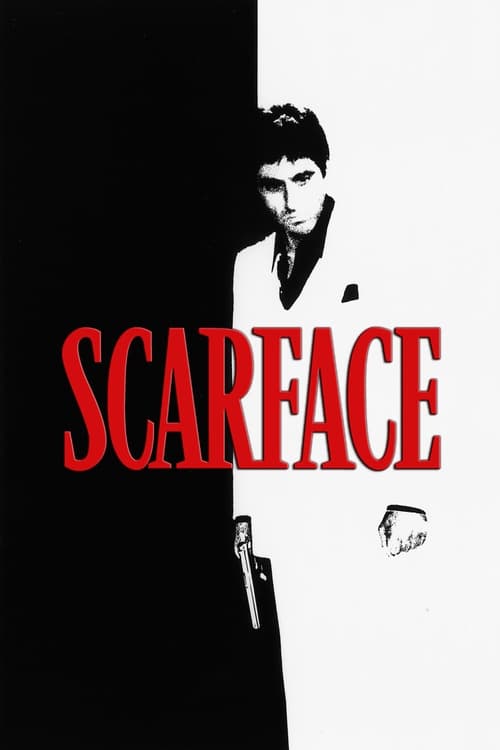
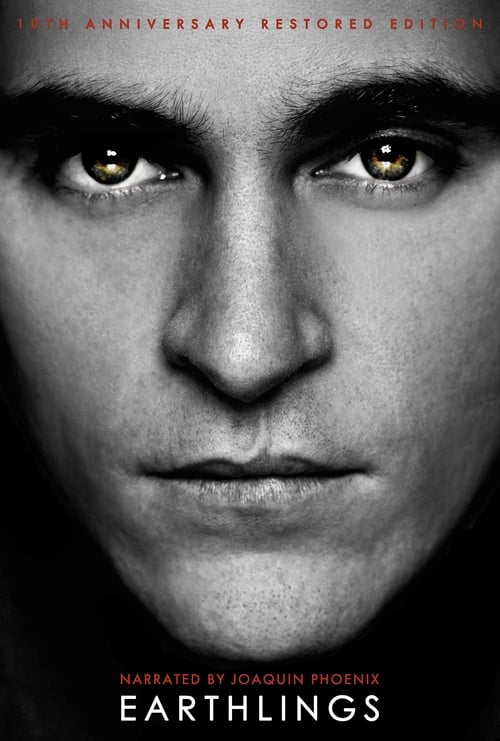
 Joaquin Phoenix
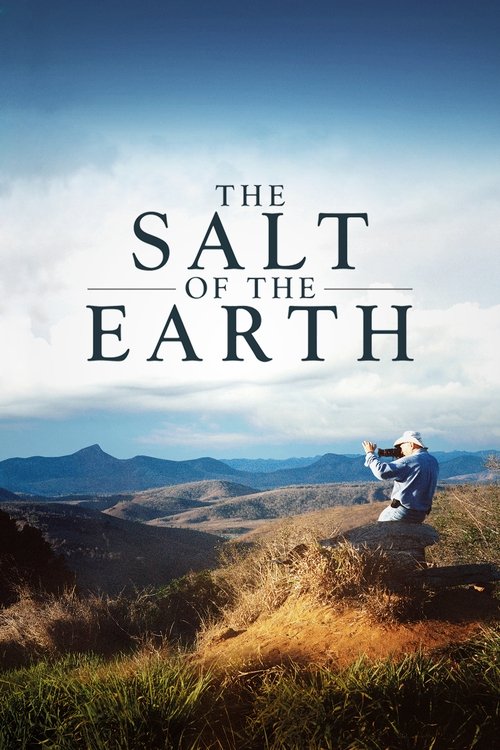
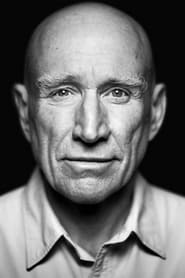 Sebastiu00e3o Salgado
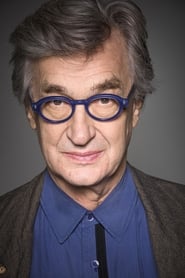 Wim Wenders
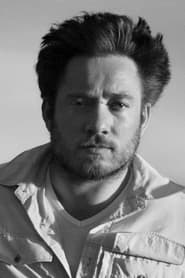 Juliano Ribeiro Salgado
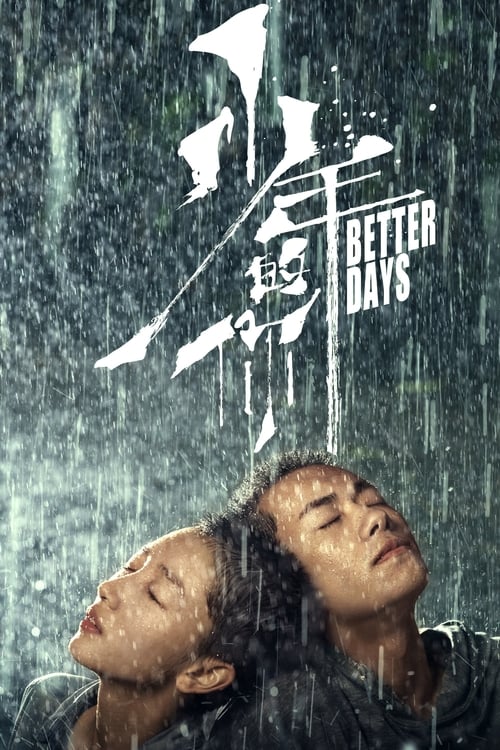
 Zhou Dongyu
 Jackson Yee
 Yin Fang
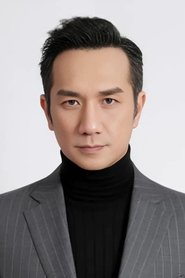 Huang Jue
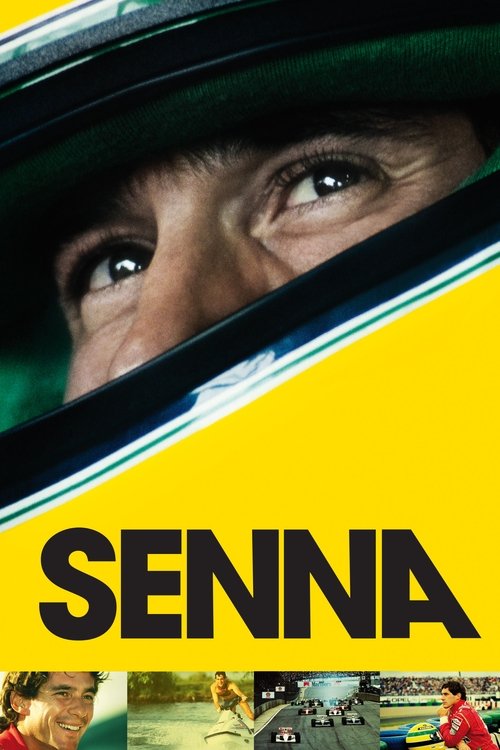
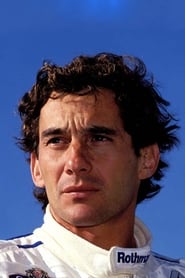 Ayrton Senna
 Alain Prost
 Frank Williams
 Ron Dennis
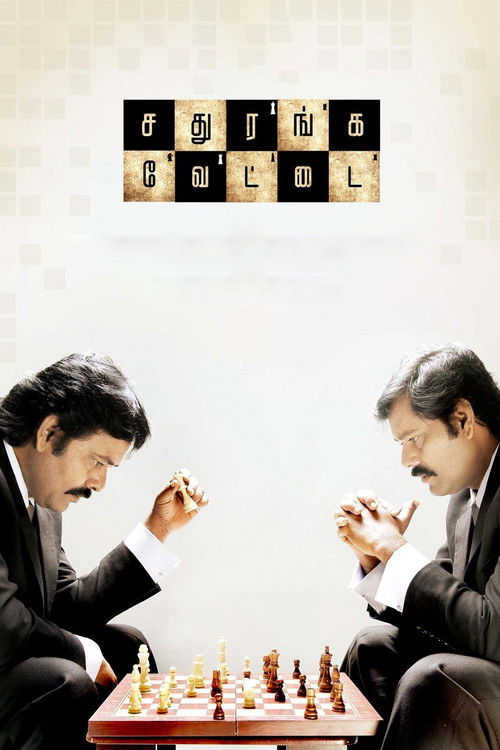
 Natarajan Subramaniam
 Ishara Nair
 Ponvannan
 Ilavarasu

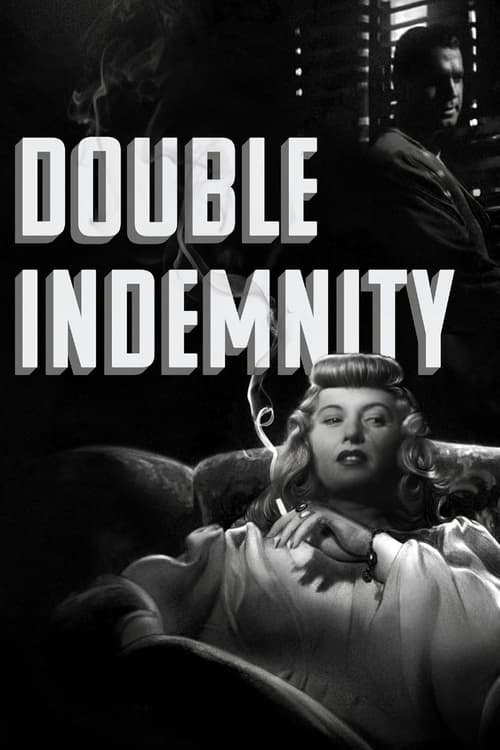
 Fred MacMurray
 Barbara Stanwyck
 Edward G. Robinson
 Porter Hall
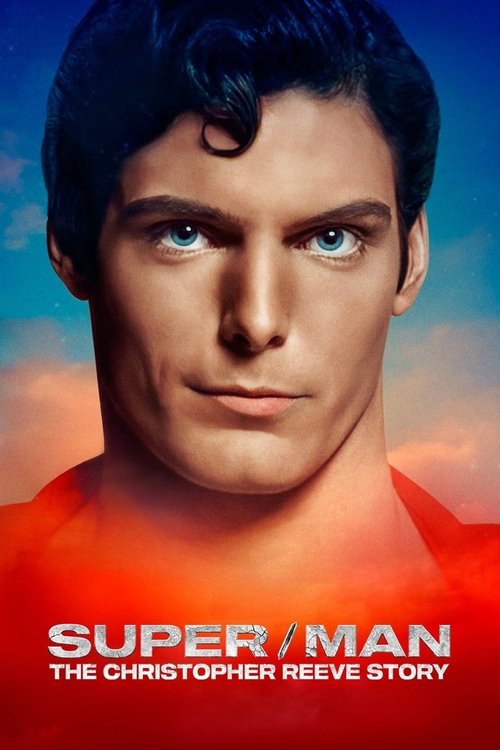
 Christopher Reeve
 Will Reeve
 Gae Exton
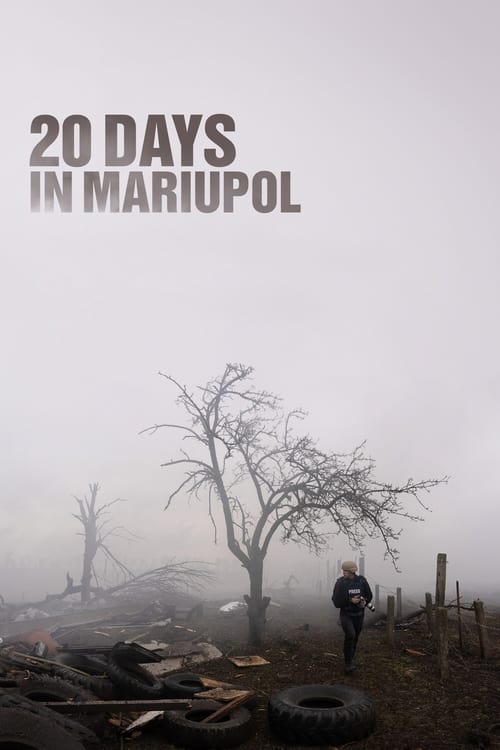
 Mstyslav Chernov
 Evgeniy Maloletka
 Mads Mikkelsen
 Thomas Bo Larsen
 Annika
 Lasse Fogelstru00f8m
 Toshiru014d Mifune
Tatsuya Nakadai
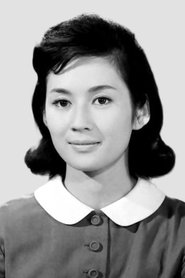 Yu014dko Tsukasa
 Isuzu Yamada
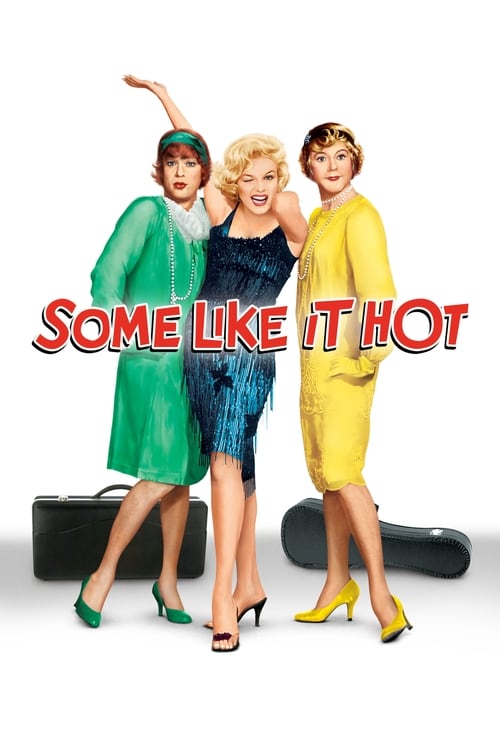
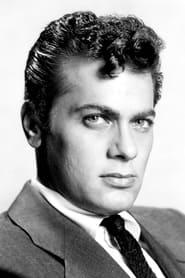 Tony Curtis
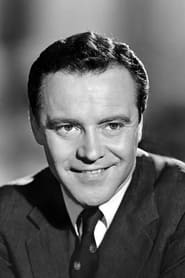 Jack Lemmon
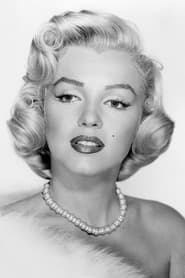 Marilyn Monroe
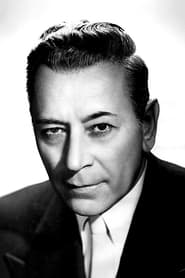 George Raft

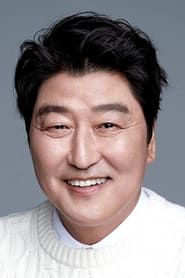 Song Kang-ho
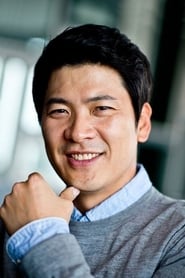 Kim Sang-kyung
 Kim Roi-ha
 Song Jae-ho


 Wagner Moura
 Andru00e9 Ramiro
 Caio Junqueira
 Milhem Cortaz
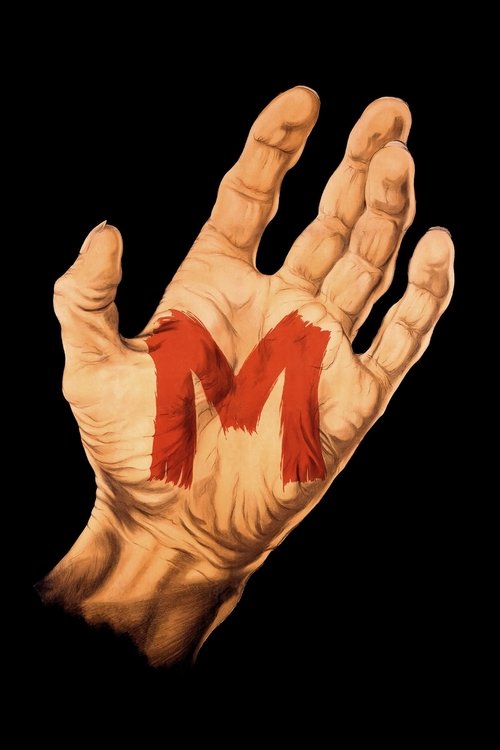
 Peter Lorre
 Ellen Widmann
 Inge Landgut
 Otto Wernicke


 Tommy Caldwell
 Kevin Jorgeson
 Beth Rodden
 Toshiru014d Mifune
 Machiko Kyu014d
 Takashi Shimura
 Masayuki Mori

 Roger Waters
 David Gilmour
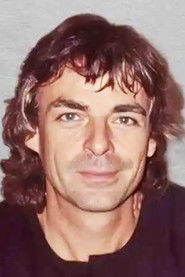 Richard Wright
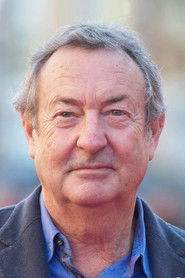 Nick Mason
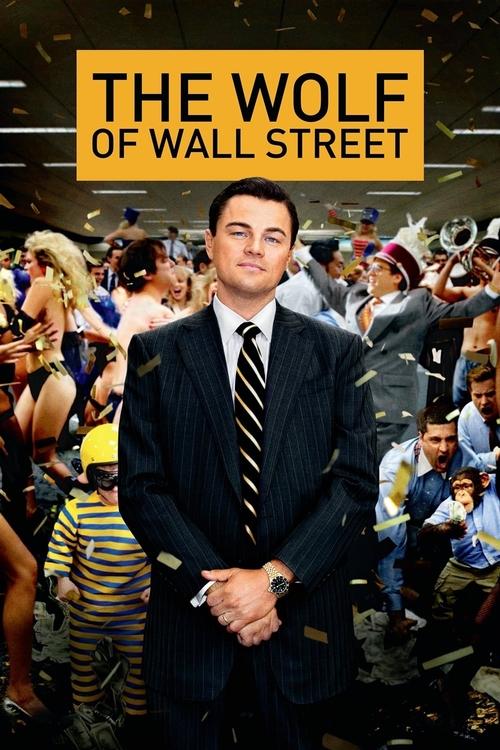
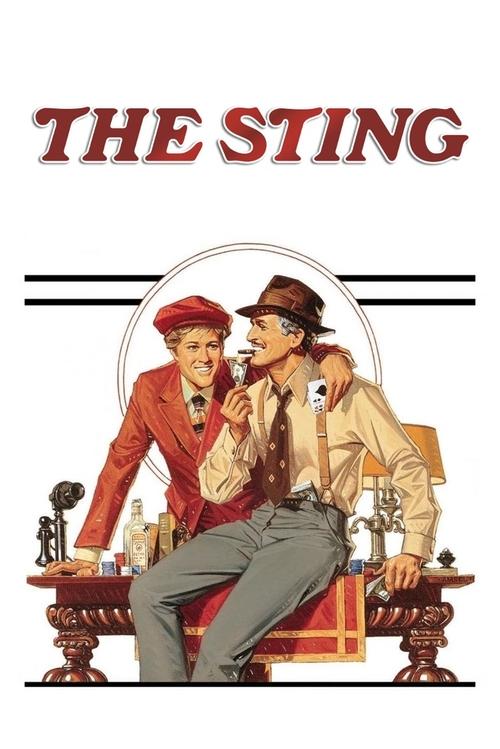
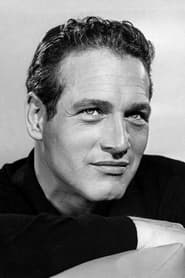 Paul Newman
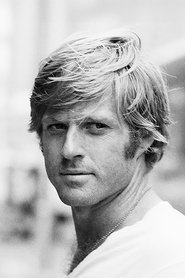 Robert Redford
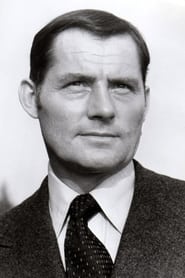 Robert Shaw
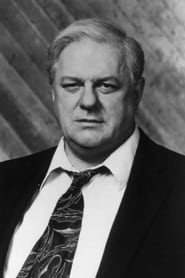 Charles Durning
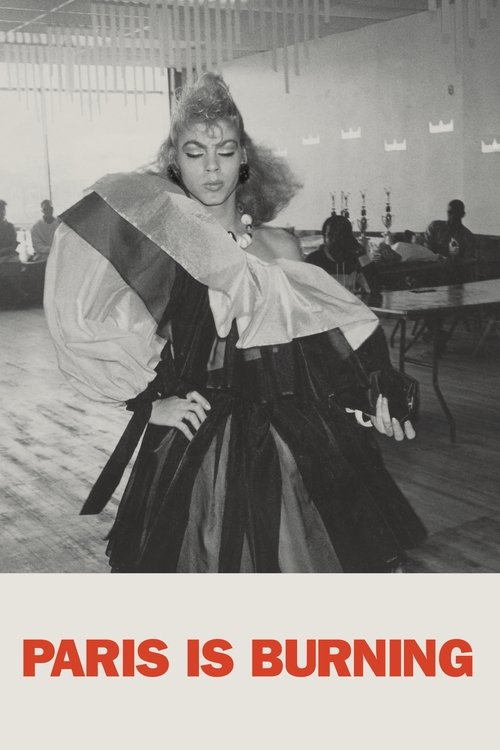
 Pepper LaBeija
 Octavia St. Laurent
 Venus Xtravaganza
 Dorian Corey

 Alain Delon
 Renato Salvatori
 Annie Girardot
 Katina Paxinou
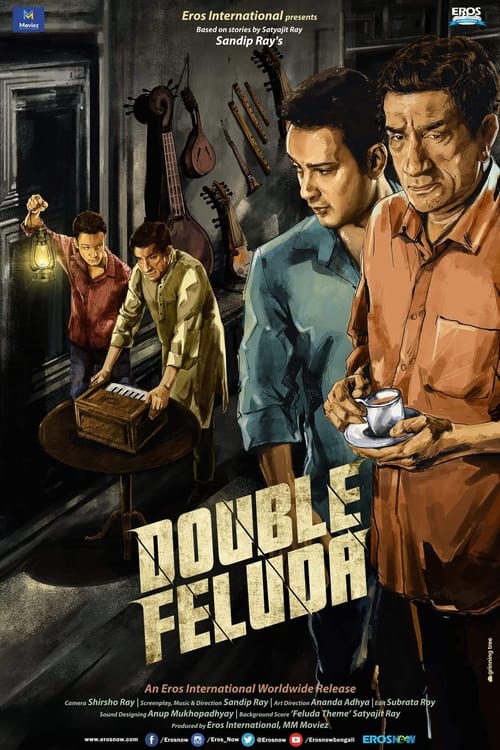
 Sabyasachi Chakraborty
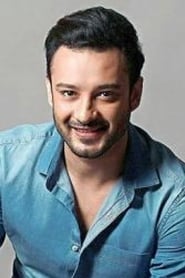 Shaheb Bhattacherjee
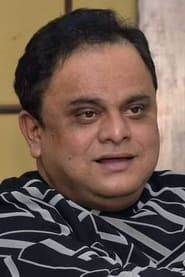 Bratya Basu
 Bhaskar Banerjee
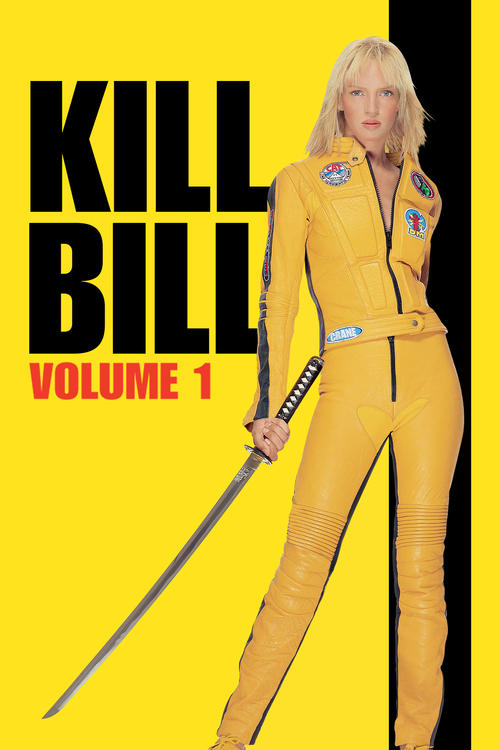
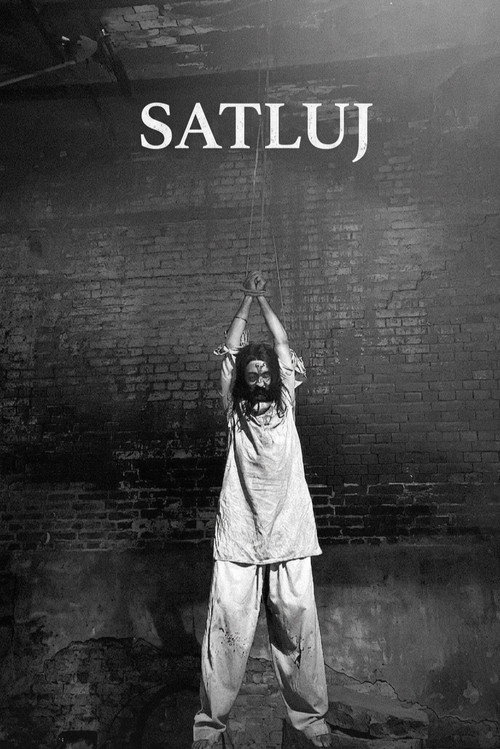
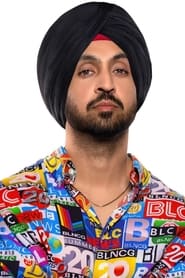 Diljit Dosanjh
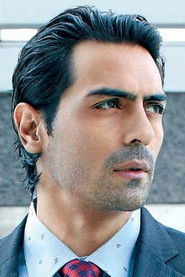 Arjun Rampal
 Suvinder Vicky
 Geetika Vidya
 V R Dinesh
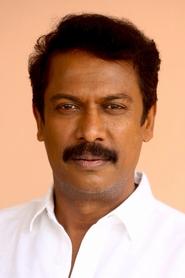 Samuthirakani
 Anandhi
 Aadukalam Murugadoss
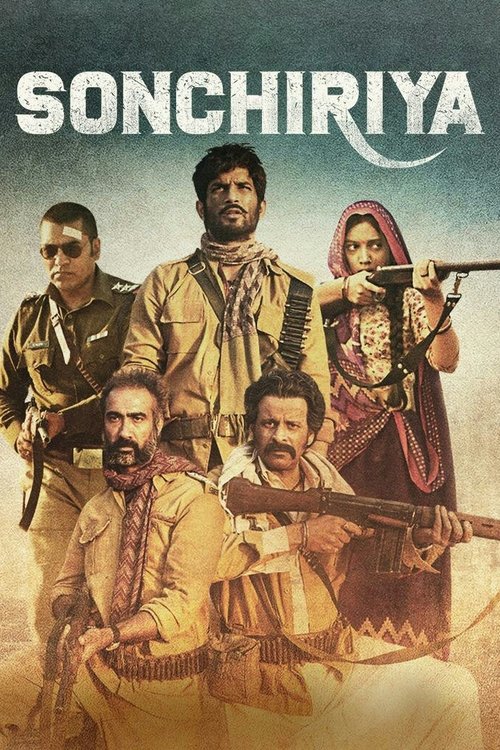
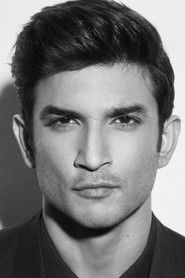 Sushant Singh Rajput
 Bhumi Pednekar
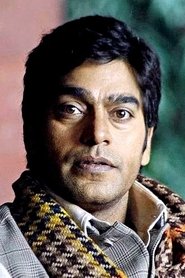 Ashutosh Rana
 Ranvir Shorey
 Ellen Burstyn
 Jared Leto
 Jennifer Connelly
 Marlon Wayans
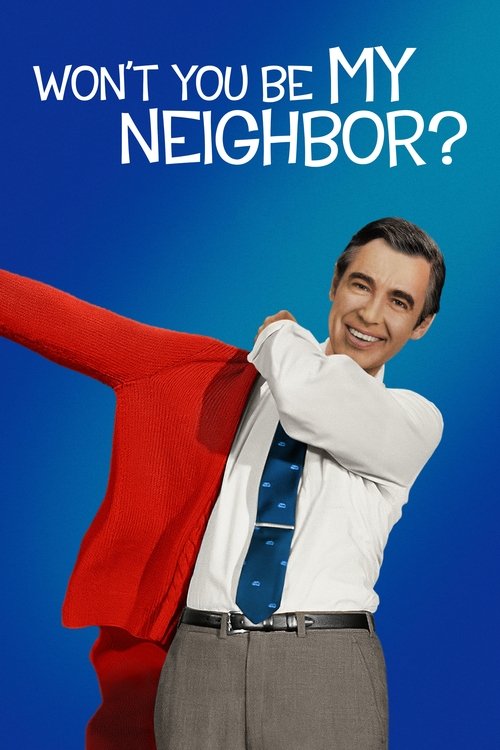
 Tom Junod
 Joanne Rogers

 Basel Adra
 Yuval Abraham
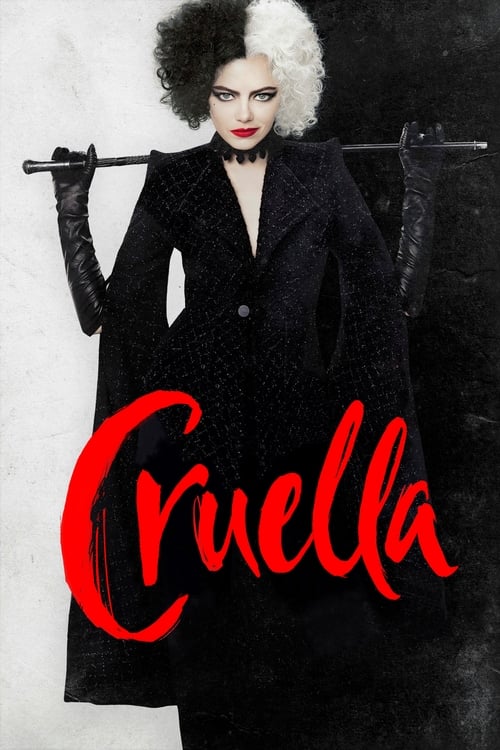
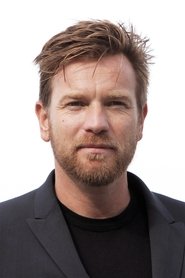 Ewan McGregor
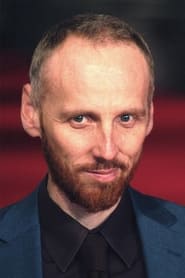 Ewen Bremner
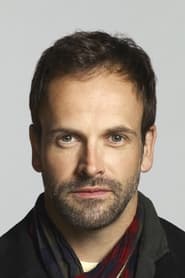 Jonny Lee Miller
 Kevin McKidd
 Hayden Panettiere

 Hossain Sabzian

 Werner Krauss
 Conrad Veidt
 Friedrich Fehu00e9r
 Lil Dagover

 Chanchal Chowdhury
 Masuma Rahman Nabila
 Partha Barua
 Lutfur Rahman George
 Kamal Haasan
 Gautami Tadimalla
 Kalabhavan Mani
 Asha Sarath
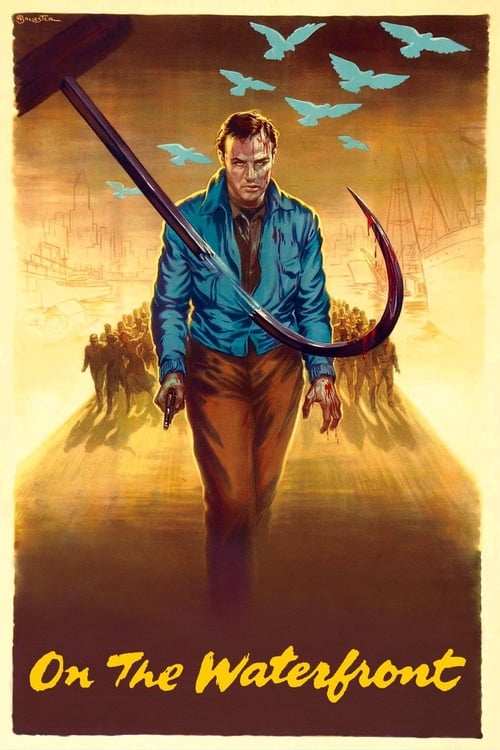
 Marlon Brando
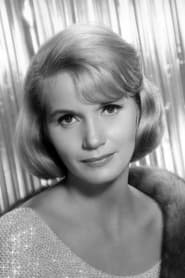 Eva Marie Saint
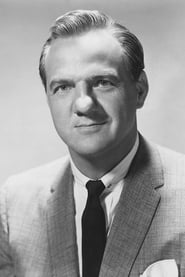 Karl Malden
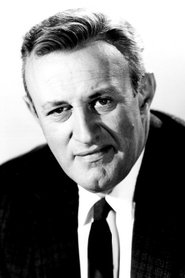 Lee J. Cobb
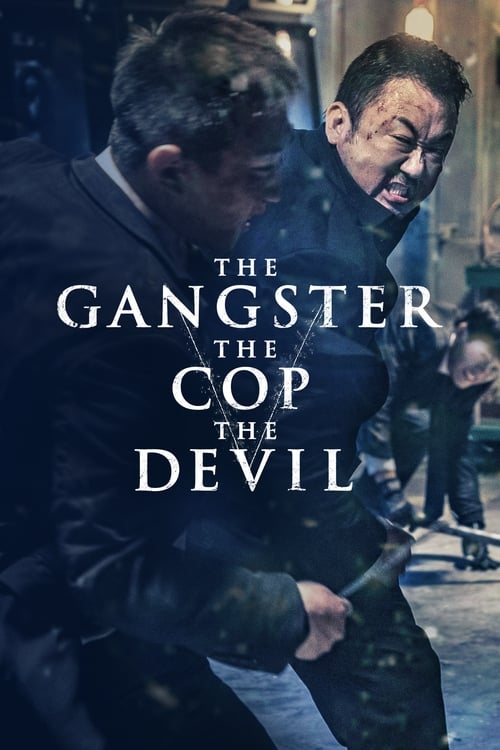
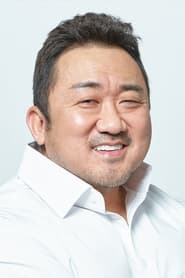 Don Lee
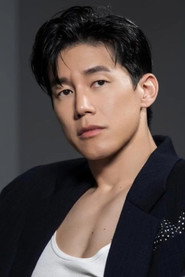 Kim Moo-yul
 Kim Sung-kyu
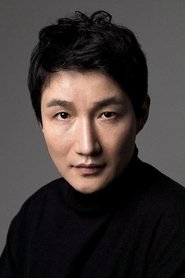 Heo Dong-won
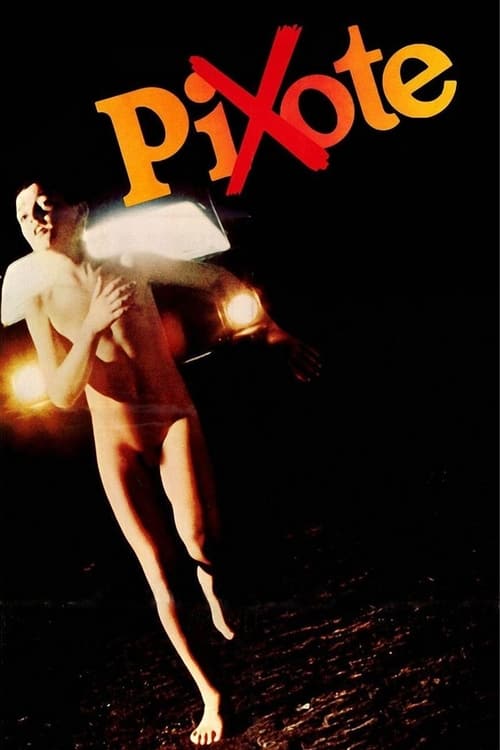
 Fernando Ramos da Silva
 Chutimon Chuengcharoensukying
 Chanon Santinatornkul
 Eisaya Hosuwan
 Teeradon Supapunpinyo
 Kamal Haasan
 Saranya Ponvannan
 Karthika
 Janagaraj
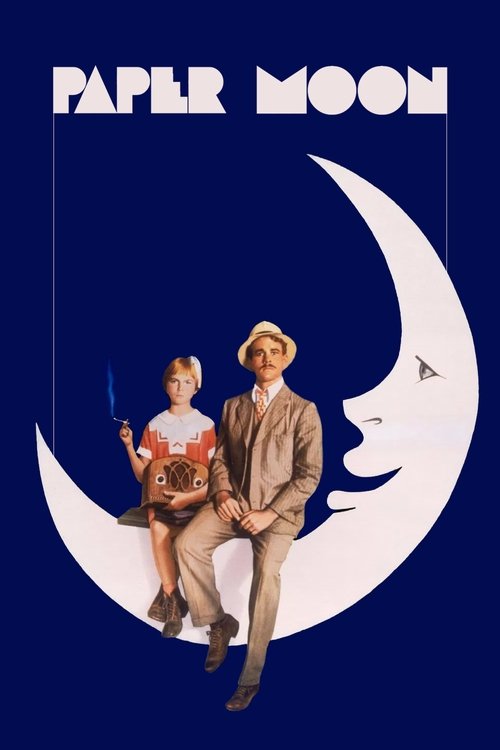
 Tatum O'Neal
 Ryan O'Neal
 Madeline Kahn
 John Hillerman

 Francis Ford Coppola
 Eleanor Coppola
 John Milius
 George Lucas
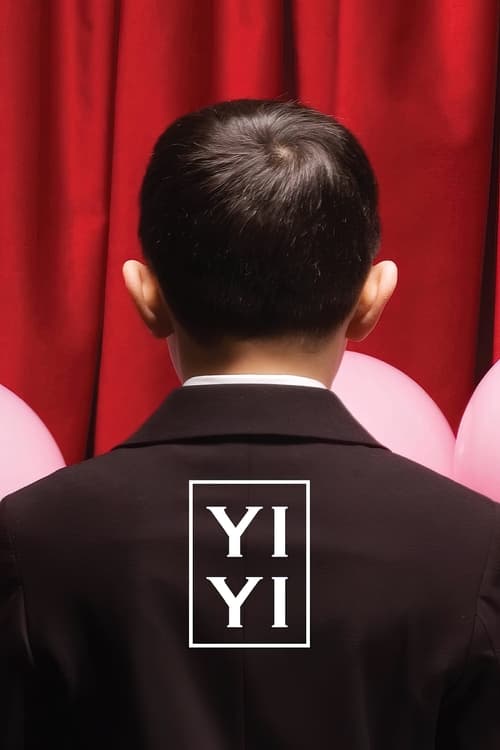
 Wu Nien-jen
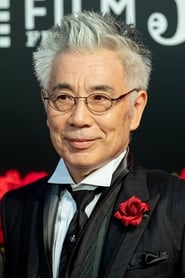 Issey Ogata
Elaine Jin Yan-Ling
 Kelly Lee
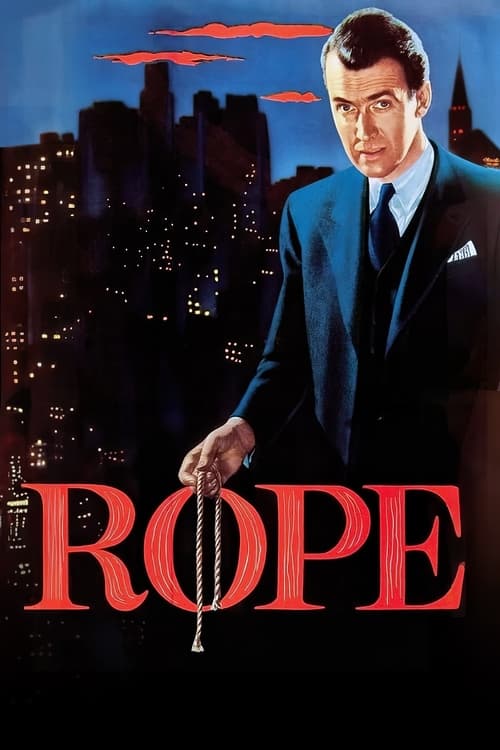
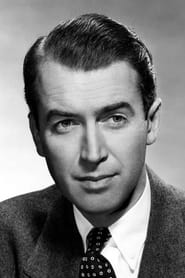 James Stewart
 John Dall
 Farley Granger
 Cedric Hardwicke
 Alex Honnold
Tommy Caldwell
 Jimmy Chin
 Sanni McCandless
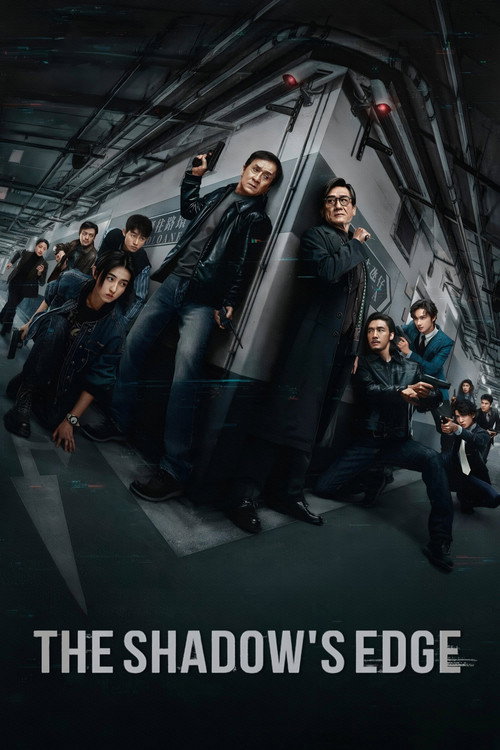
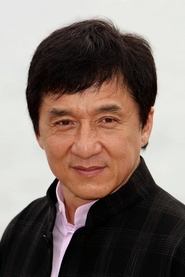 Jackie Chan
 Zhang Zifeng
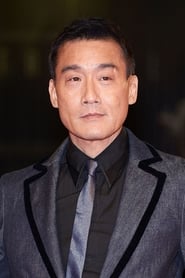 Tony Leung Ka-fai
 Ci Sha
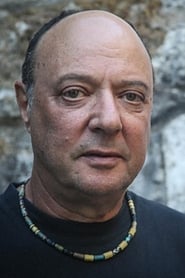 Stephen Segerman
 Rodriguez
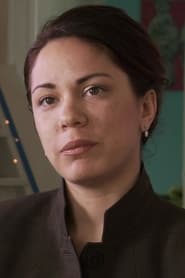 Regan Rodriguez
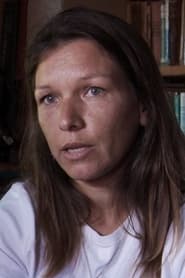 Eva Rodriguez
 Ed Asner
 Pat Benatar
 Johnny Carson
 Dick Cavett

 Kang Ha-neul
Kim Moo-yul
 Moon Sung-keun
 Na Young-hee
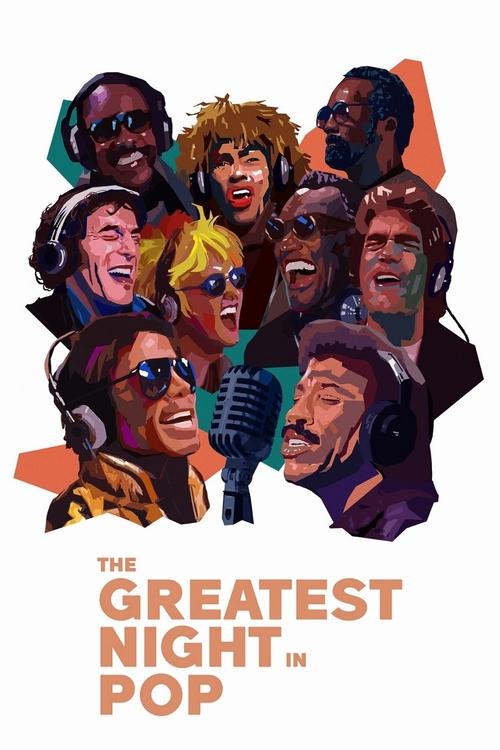
 Lionel Richie
 Bruce Springsteen
 Dionne Warwick
 Kenny Loggins


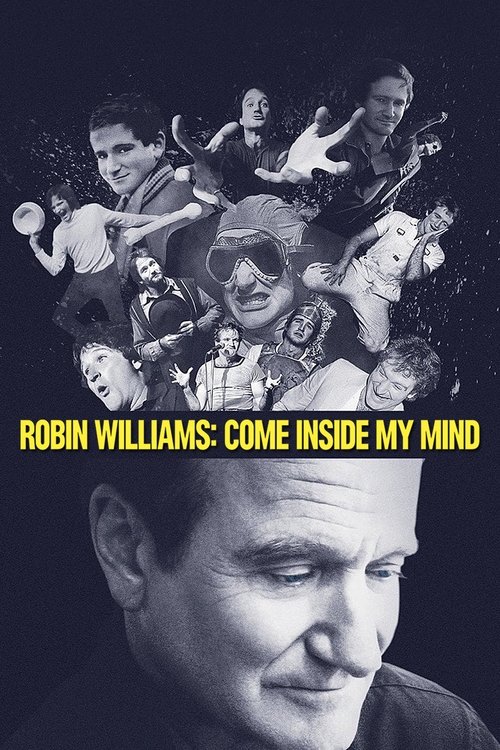
 Robin Williams
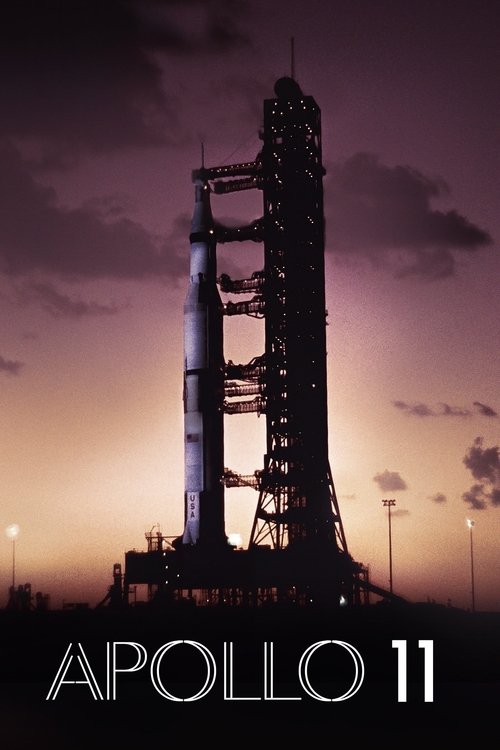
 Neil Armstrong
 Buzz Aldrin
 Walter Cronkite
 Robert Mitchum
 Shelley Winters
 Lillian Gish
 Billy Chapin

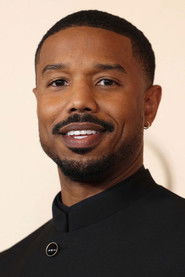 Michael B. Jordan
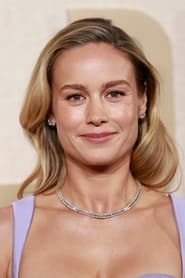 Brie Larson
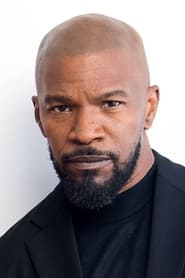 Jamie Foxx
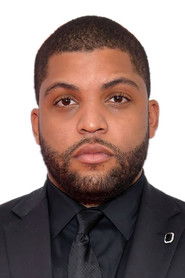 O'Shea Jackson Jr.
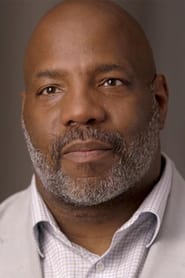 Jelani Cobb
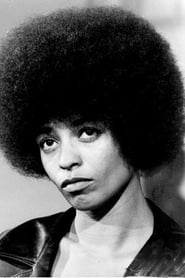 Angela Davis
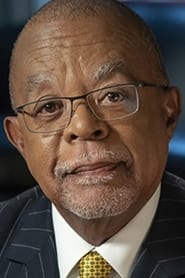 Henry Louis Gates, Jr.
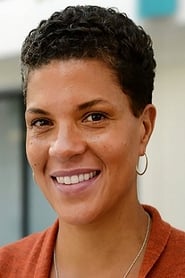 Michelle Alexander
 Mikhail Kaufman


 Taylor Swift
 Todrick Hall
 Brendon Urie
 Jack Antonoff
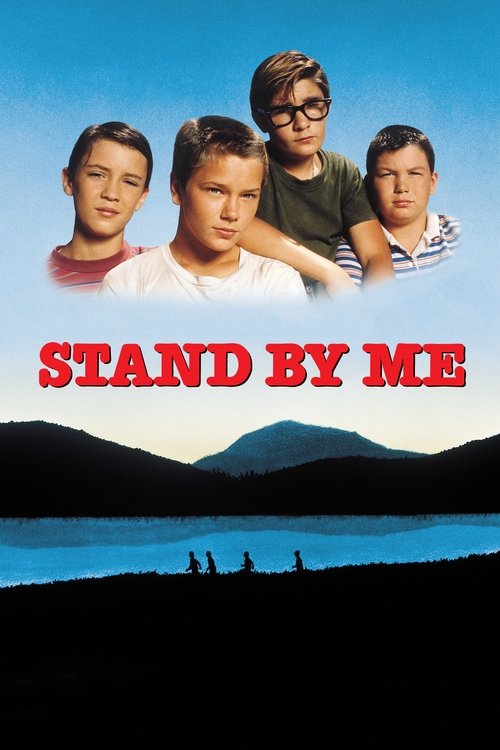
 Wil Wheaton
 River Phoenix
 Corey Feldman
 Jerry O'Connell

 Benny Emmanuel
 Gabriel Carbajal
 Leidi Gutiu00e9rrez
 Dolores Heredia

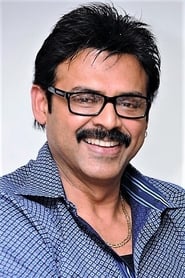 Venkatesh
 Meena
 Nadhiya
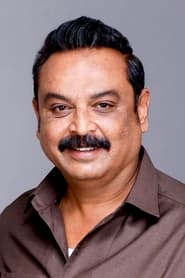 Naresh

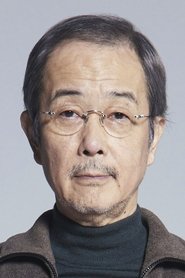 Lily Franky
 Sakura Ando
 Mayu Matsuoka
 Kairi Jo


 Takumi Kitamura
 Ryo Yoshizawa
 Yuki Yamada
 Yosuke Sugino
 Ricardo Daru00edn
 Peter Lanzani
 Alejandra Flechner
 Paula Ransenberg

 Geoffrey Rush
 Jim Sturgess
 Sylvia Hoeks
 Donald Sutherland
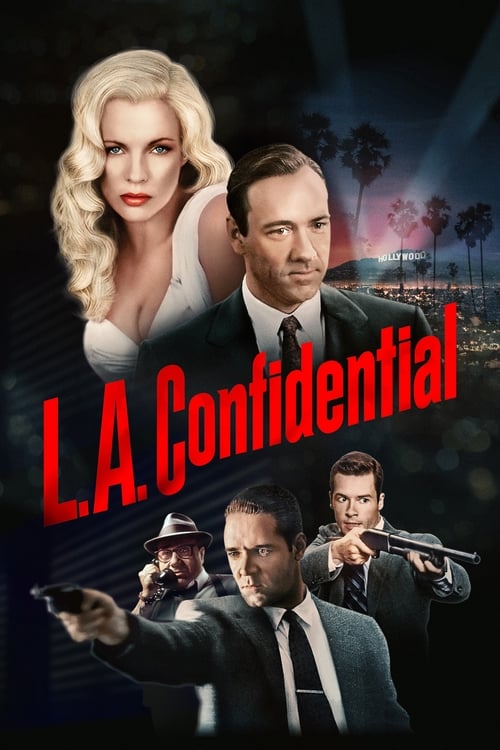
 Kevin Spacey
 Russell Crowe
 Guy Pearce
 James Cromwell
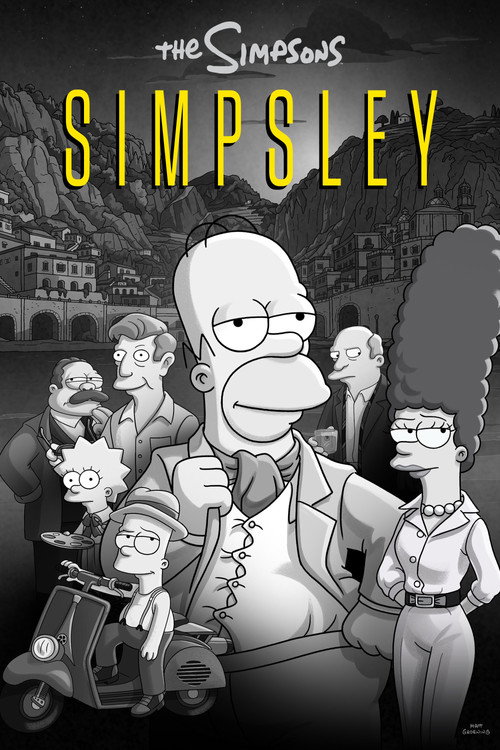
 Dan Castellaneta
 Julie Kavner
 Nancy Cartwright
 Yeardley Smith
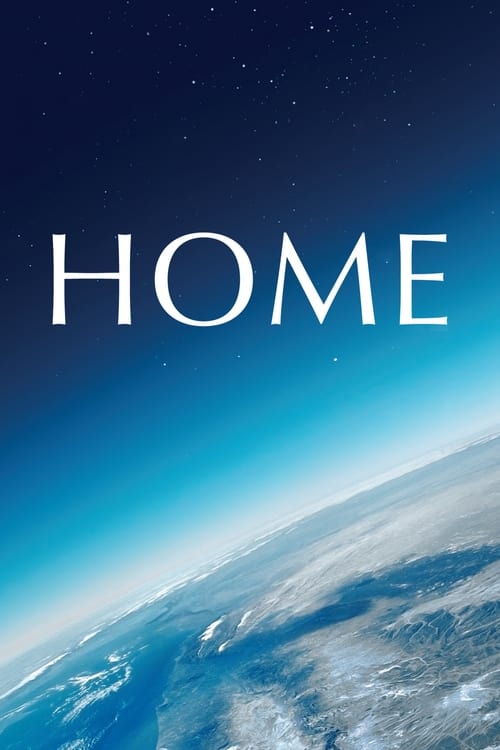
 Yann Arthus-Bertrand
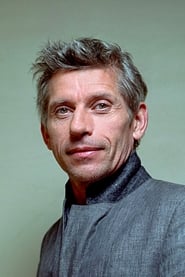 Jacques Gamblin
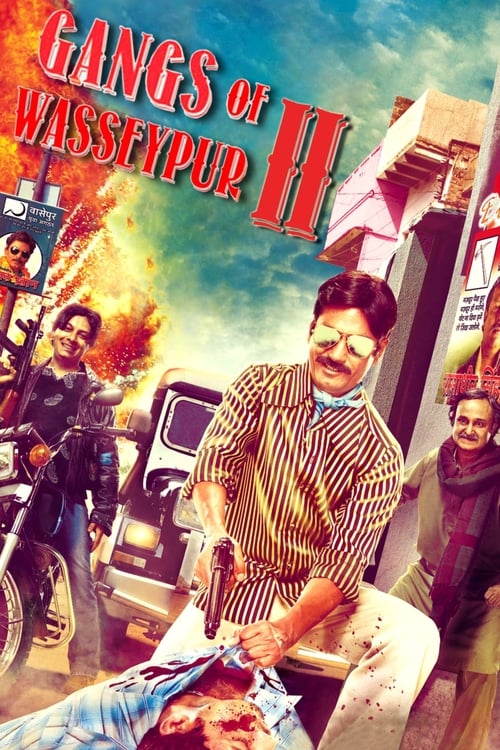
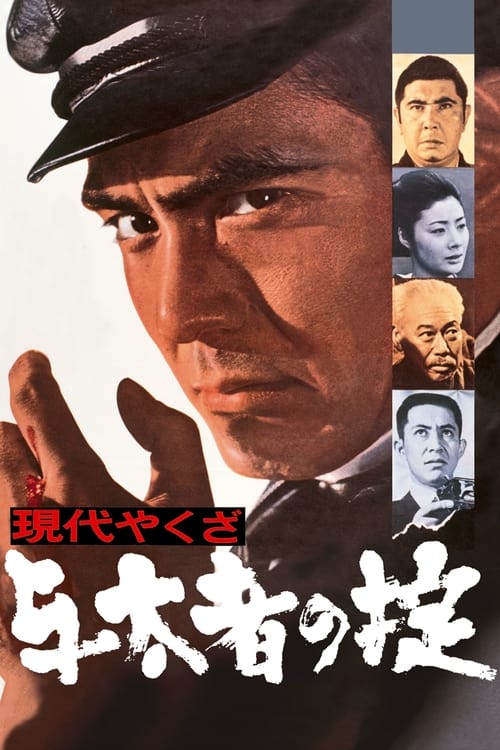
 Kyu014dsuke Machida
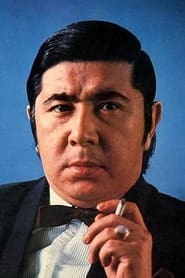 Tomisaburu014d Wakayama
 Sumiko Fuji
 Shingo Yamashiro
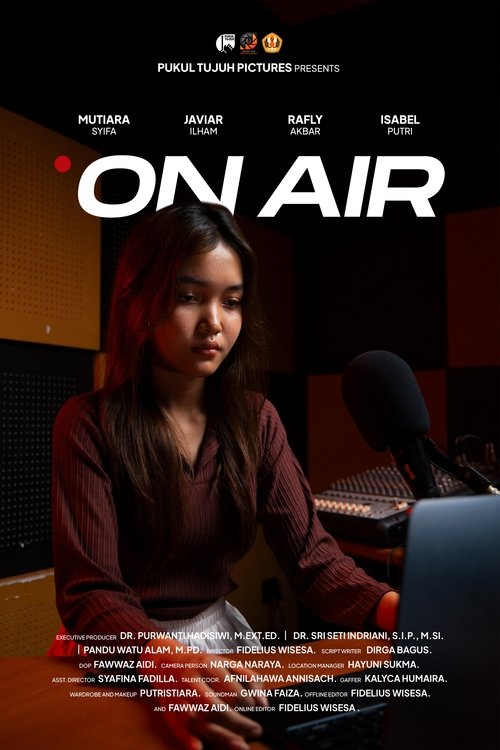
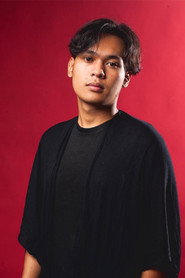 Javiar Ilham

 David Bellemere
 Steve Shaw
 Rachel Cook
 Jessica Clements
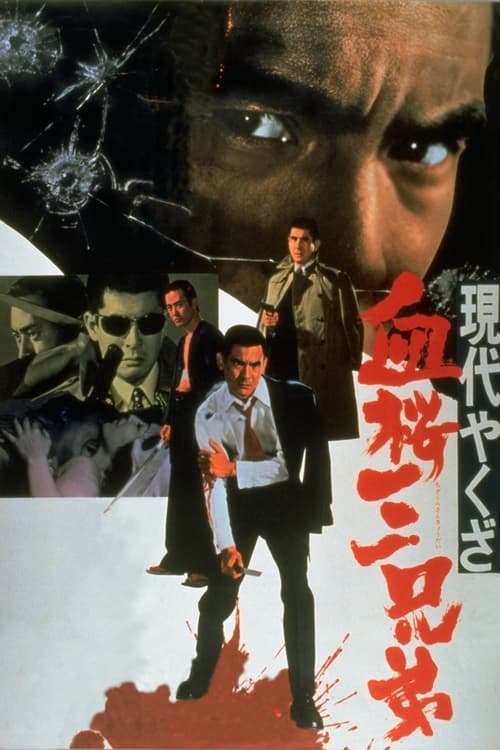
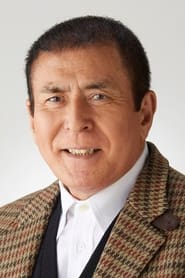 Goru014d Ibuki
 Tsunehiko Watase
 Ichiro Araki
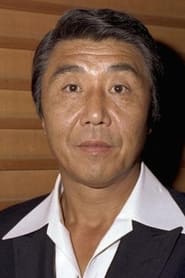 Asao Koike
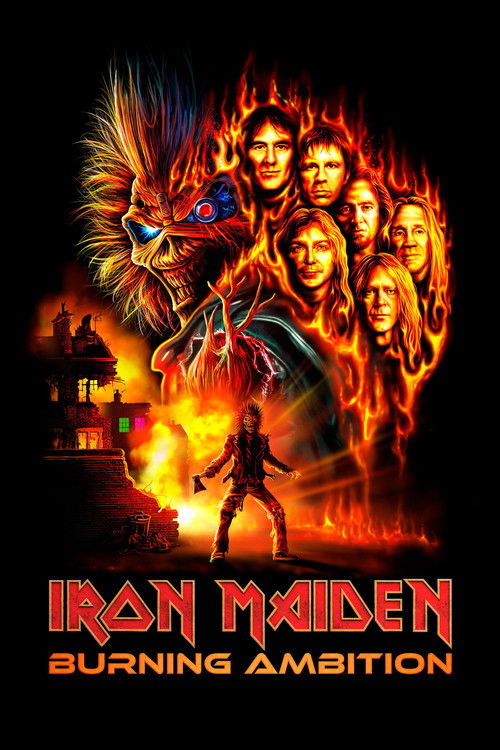
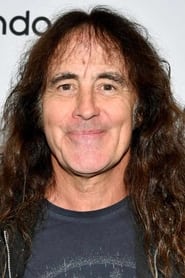 Steve Harris
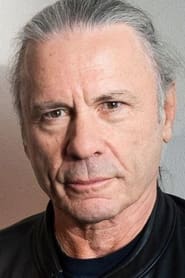 Bruce Dickinson
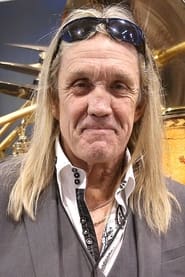 Nicko McBrain
 Adrian Smith
 Song Kang-ho
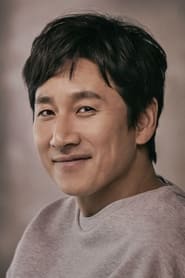 Lee Sun-kyun
 Cho Yeo-jeong
 Choi Woo-shik
 Toshiru014d Mifune
Takashi Shimura
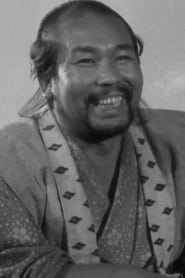 Yoshio Inaba
 Seiji Miyaguchi

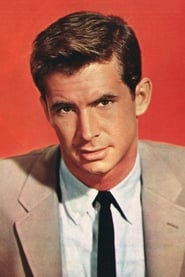 Anthony Perkins
 Janet Leigh
 Vera Miles
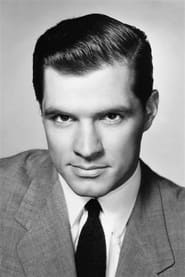 John Gavin
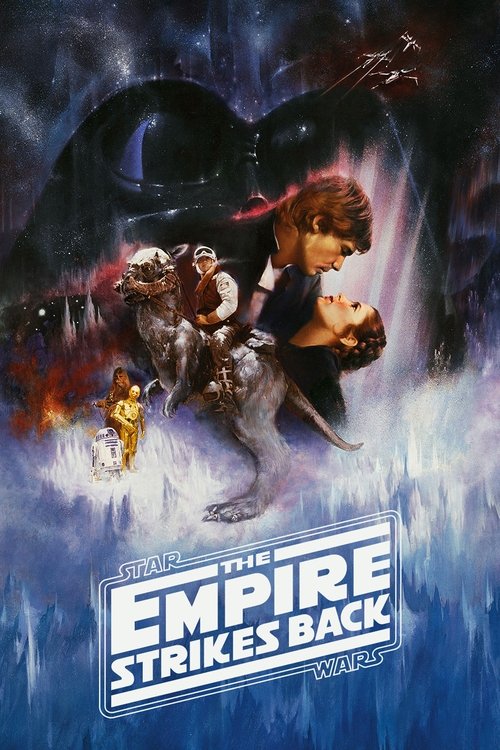

 Jamilli Correa
 Fu00e1tima Macedo
 Ru00f4mulo Braga
 Choi Min-sik
 Yoo Ji-tae
 Kang Hye-jung
 Kim Byeong-ok
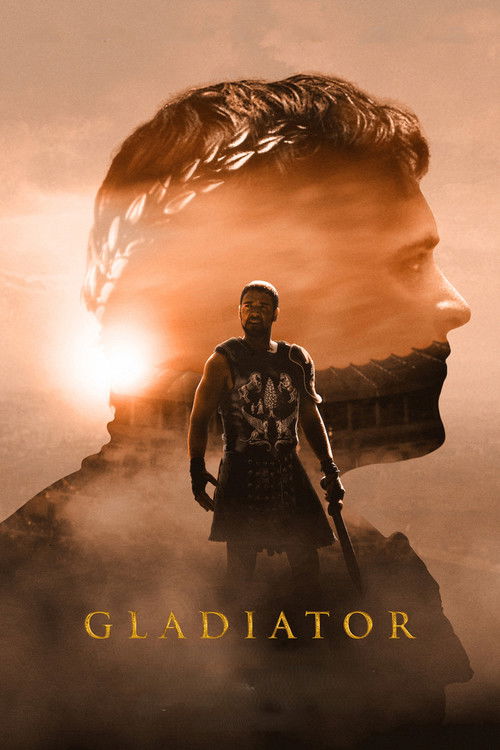 Russell Crowe
Joaquin Phoenix
 Connie Nielsen
 Oliver Reed