Show Adult Titles
Show Adult Posters & Images
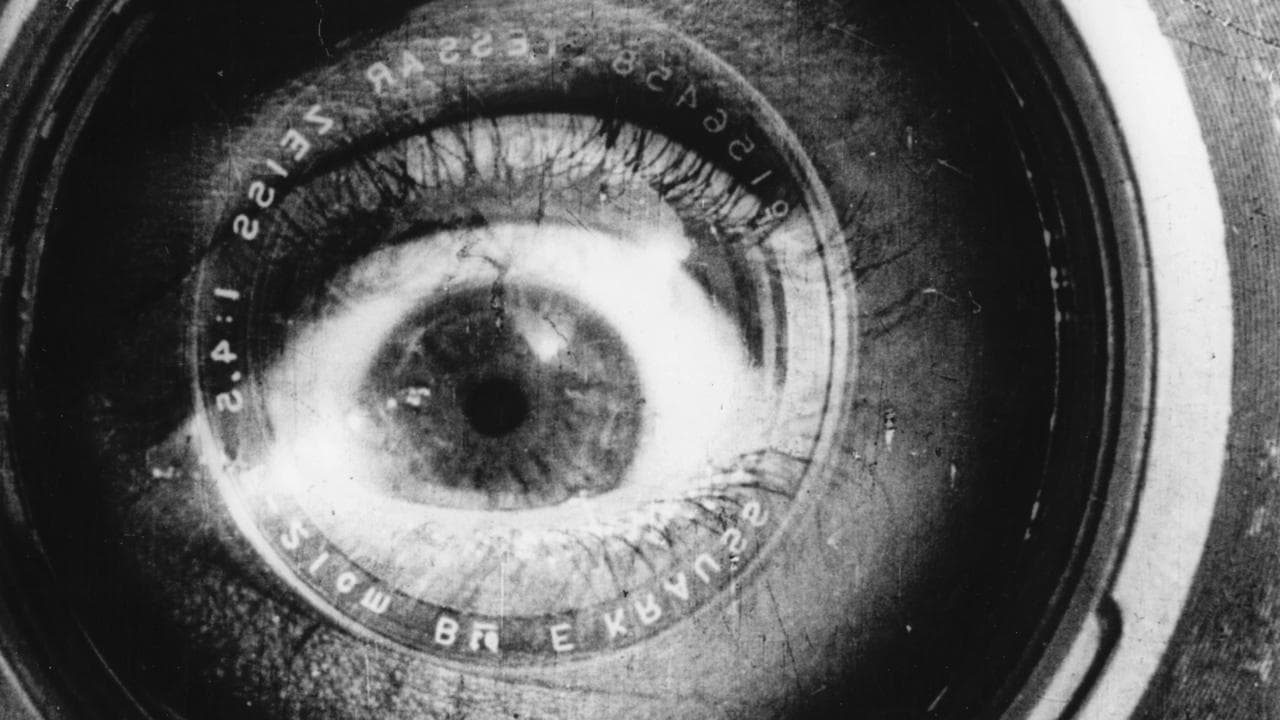
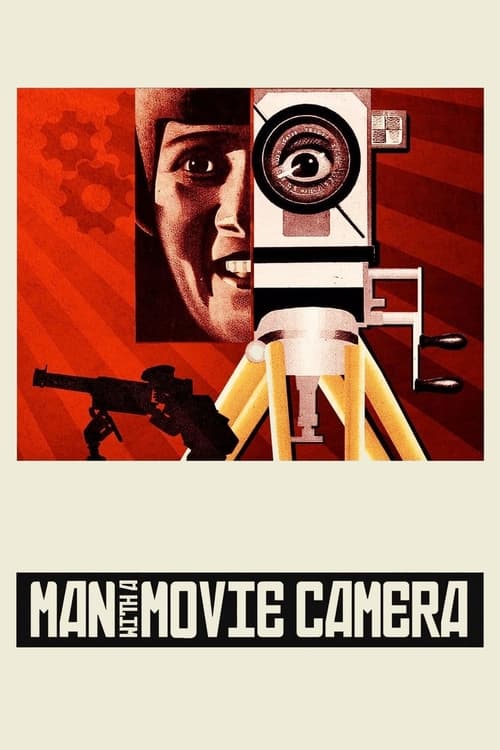
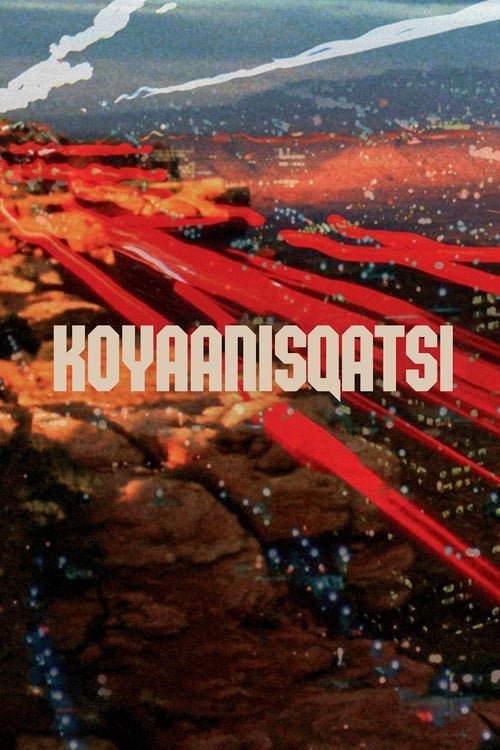
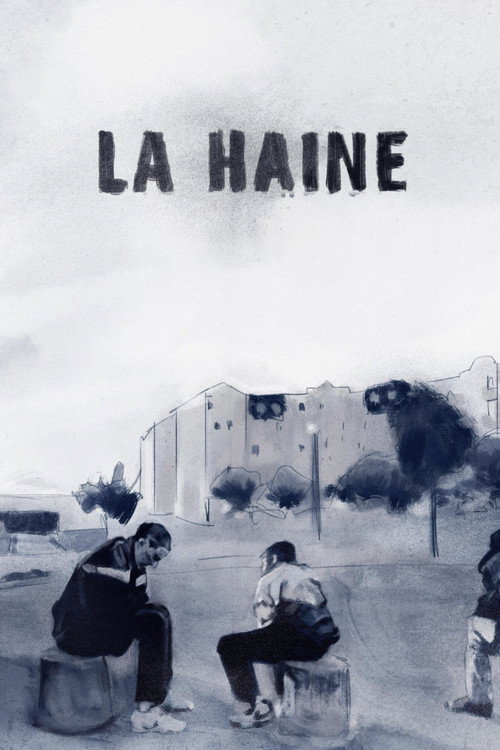
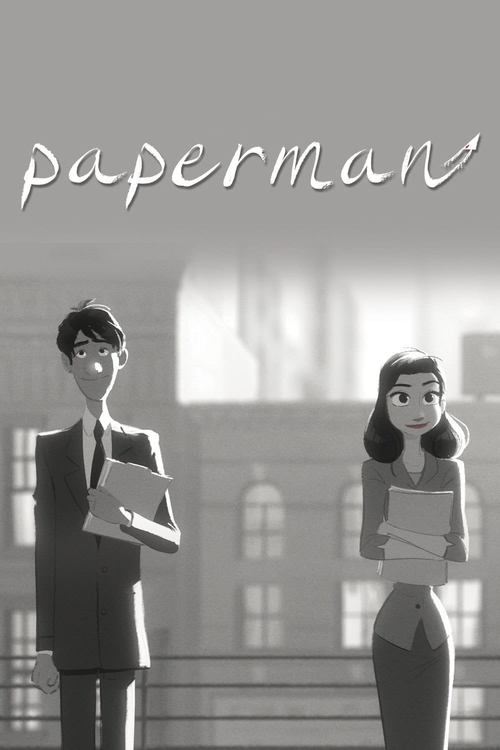
A cameraman wanders around with a camera slung over his shoulder, documenting urban life with dazzling inventiveness.
 BFI Player
 BFI Player Amazon Channel
 BFI Player Apple TV Channel
 Belas Artes u00e0 La Carte
 Brew
 Edisonline
 GuideDoc
 LaCinetek
 MUBI
 MUBI Amazon Channel
 MYmovies One
 Telecine Amazon Channel
 Tenk
 ARTE Boutique
 Amazon Video
 Apple TV Store
 Fandango At Home
LaCinetek
 Orange VOD
 Sooner
ARTE Boutique
Amazon Video
Apple TV Store
Fandango At Home
LaCinetek
Orange VOD
Sooner

This section contains spoilers
The full plot reveals key story details including the ending.



 Mstyslav Chernov
 Evgeniy Maloletka
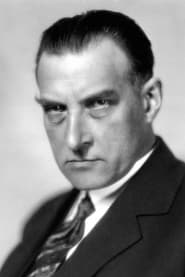 Benjamin Christensen
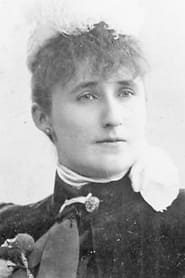 Ella La Cour
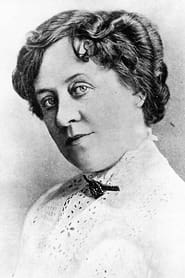 Kate Fabian
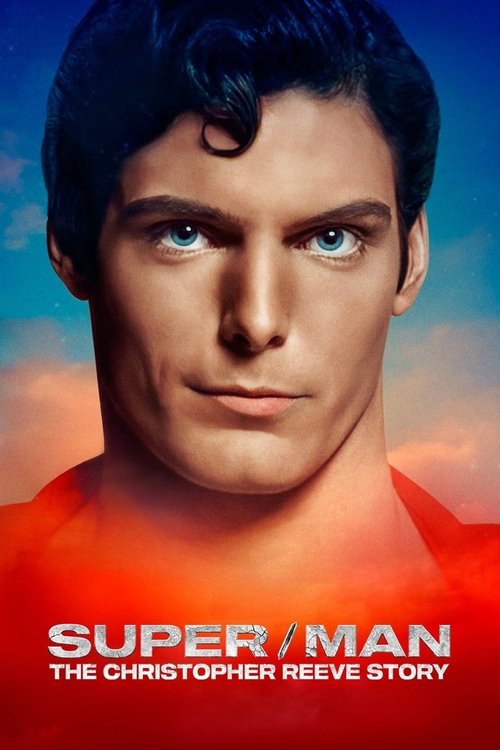
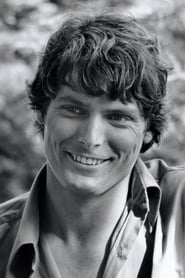 Christopher Reeve
 Will Reeve
 Gae Exton

 Tatyana Samoylova
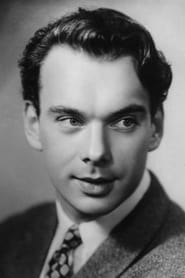 Aleksey Batalov
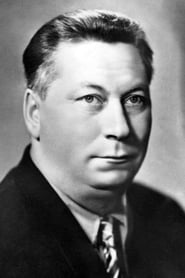 Vasili Merkuryev
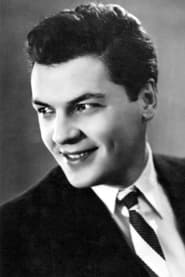 Aleksandr Shvorin
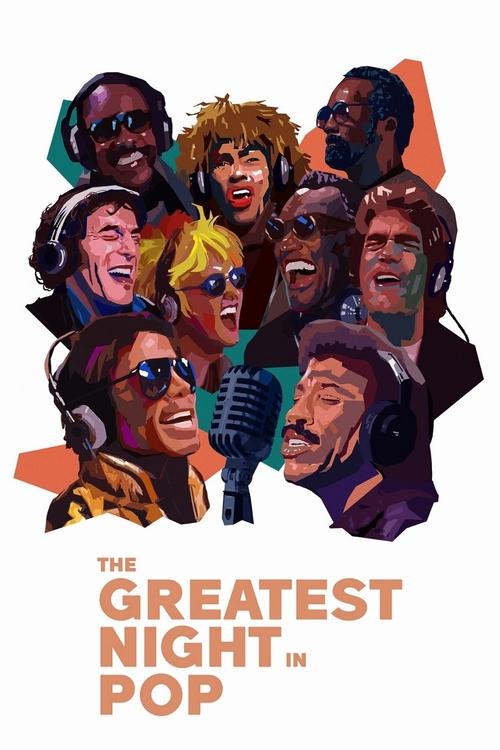
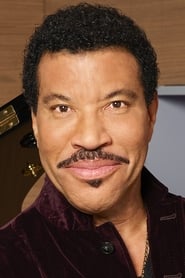 Lionel Richie
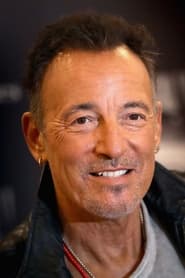 Bruce Springsteen
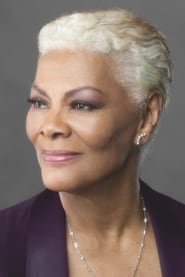 Dionne Warwick
 Kenny Loggins


 Michael J. Fox
 Tracy Pollan
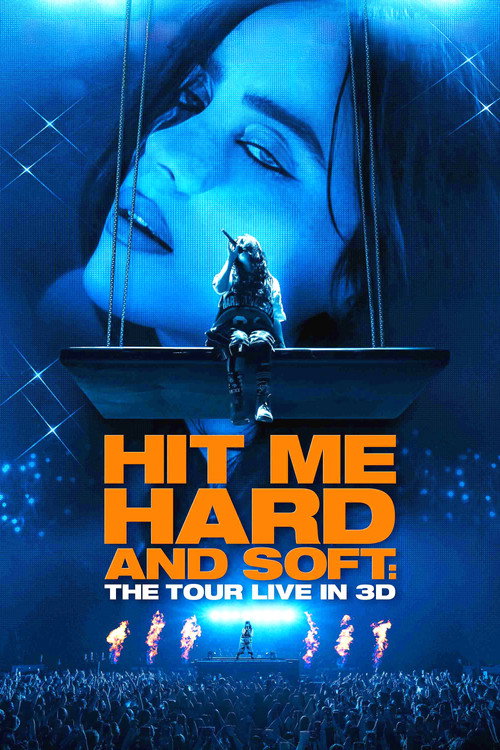
 Billie Eilish
 FINNEAS
 Solomon Smith

 Lil Peep
 Lil Tracy
 GHOSTEMANE
 Killstation
 Ennio Morricone
 Alessandro Alessandroni
 David Byrne
 Chris Frantz
 Jerry Harrison
 Tina Weymouth

 RM
 Jin
 SUGA
 j-hope
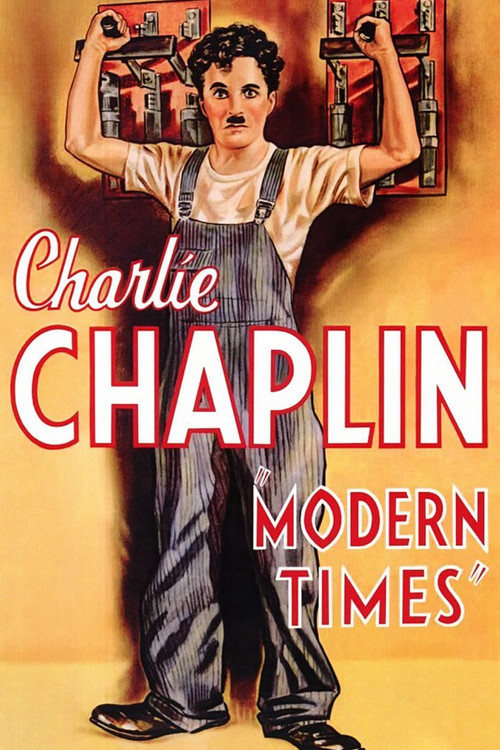
 Michel Bouquet
 Reinhard Heydrich
 Heinrich Himmler
 Adolf Hitler

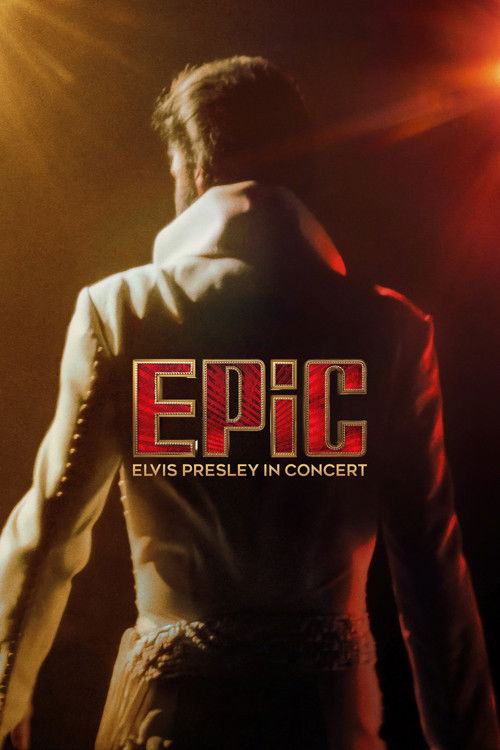
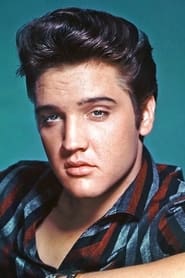 Elvis Presley
 James Burton
 John Wilkinson
 Charlie Hodge


 Cem Yu0131lmaz

 Harry Styles
 Zayn Malik
 Niall Horan
 Louis Tomlinson

 Claude Lanzmann

 Paulo Josu00e9

 JISOO
 JENNIE
 ROSu00c9
 LISA
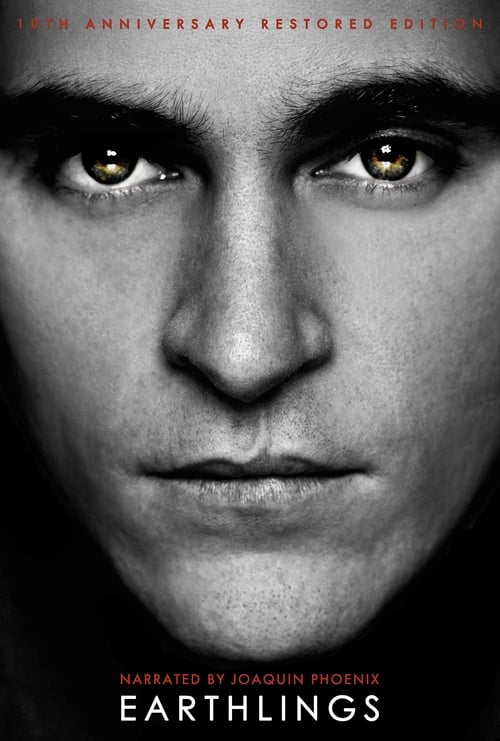
 Joaquin Phoenix
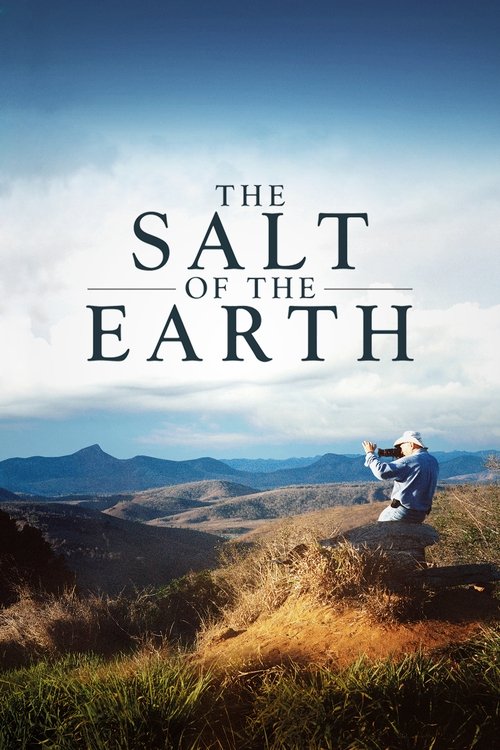
 Sebastiu00e3o Salgado
 Wim Wenders
 Juliano Ribeiro Salgado
 Ayrton Senna
 Alain Prost
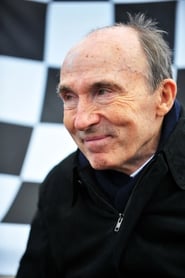 Frank Williams
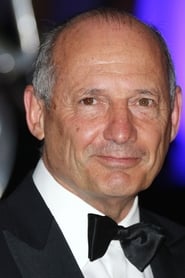 Ron Dennis


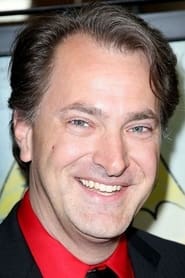 Kurt Kuenne
 Andrew Bagby

 Tommy Caldwell
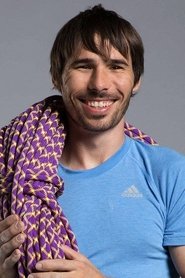 Kevin Jorgeson
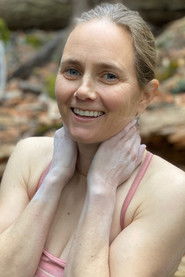 Beth Rodden

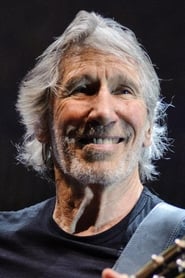 Roger Waters
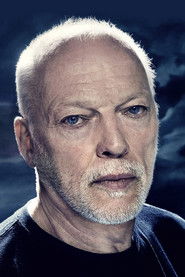 David Gilmour
 Richard Wright
 Nick Mason
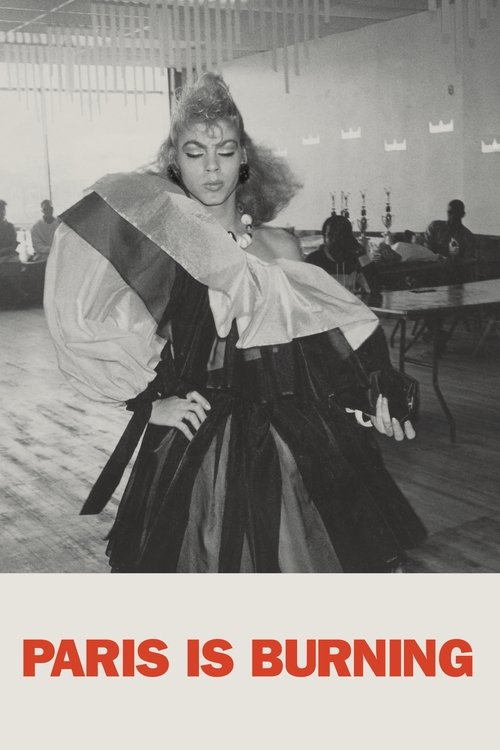
 Pepper LaBeija
 Octavia St. Laurent
 Venus Xtravaganza
 Dorian Corey

 Maria Falconetti
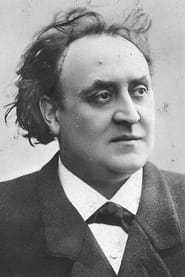 Eugu00e8ne Silvain
 Andru00e9 Berley
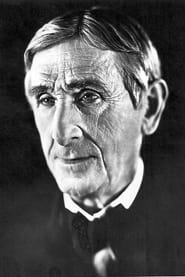 Maurice Schutz
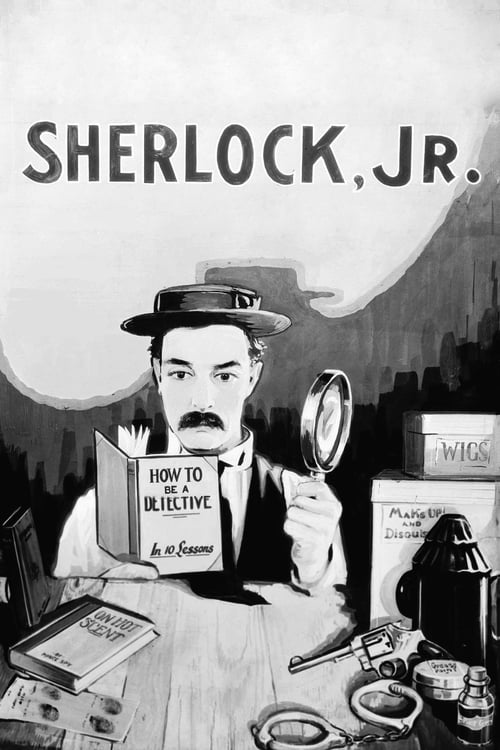
 Buster Keaton
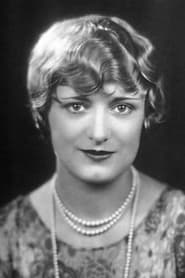 Kathryn McGuire
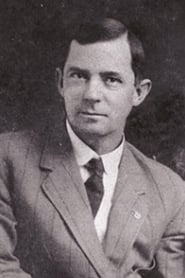 Joe Keaton
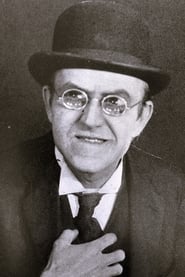 Erwin Connelly

 Basel Adra
 Yuval Abraham
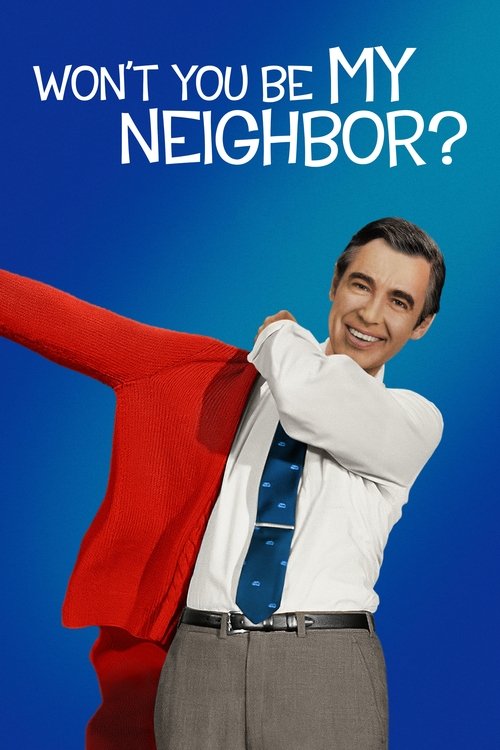
 Tom Junod
 Joanne Rogers
 Hayden Panettiere
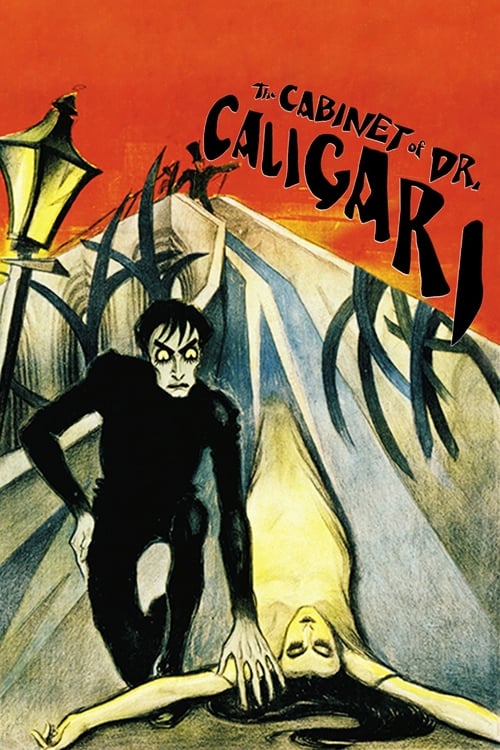
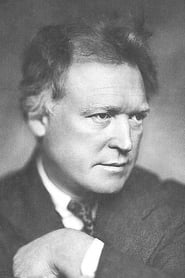 Werner Krauss
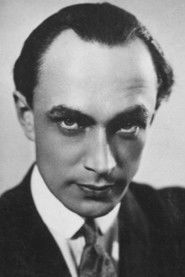 Conrad Veidt
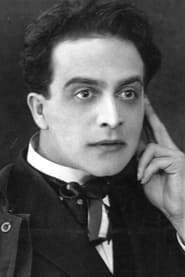 Friedrich Fehu00e9r
 Lil Dagover
 Buster Keaton
 Marion Mack
 Glen Cavender
 Jim Farley
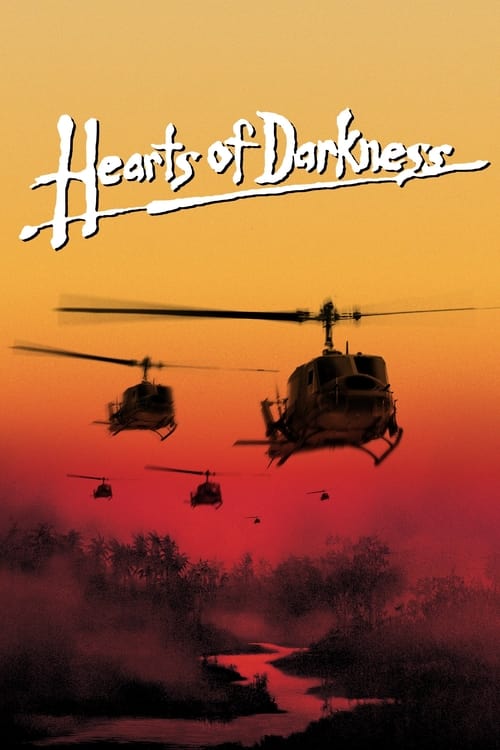
 Francis Ford Coppola
 Eleanor Coppola
 John Milius
 George Lucas
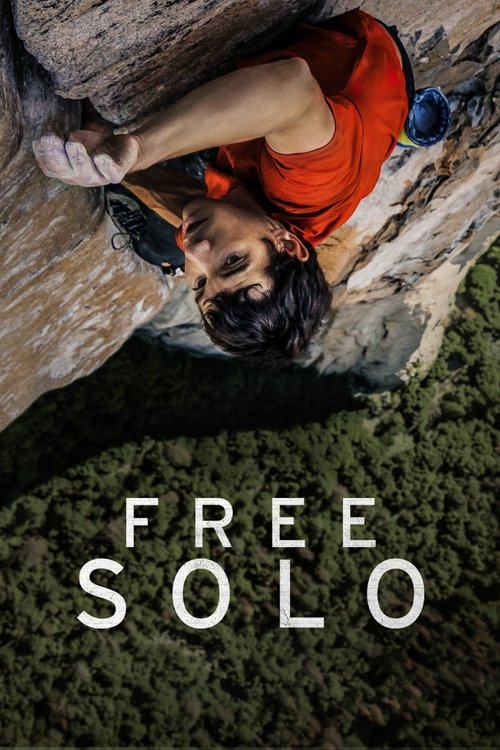
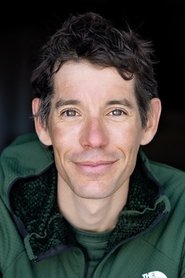 Alex Honnold
Tommy Caldwell
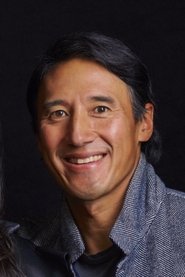 Jimmy Chin
 Sanni McCandless
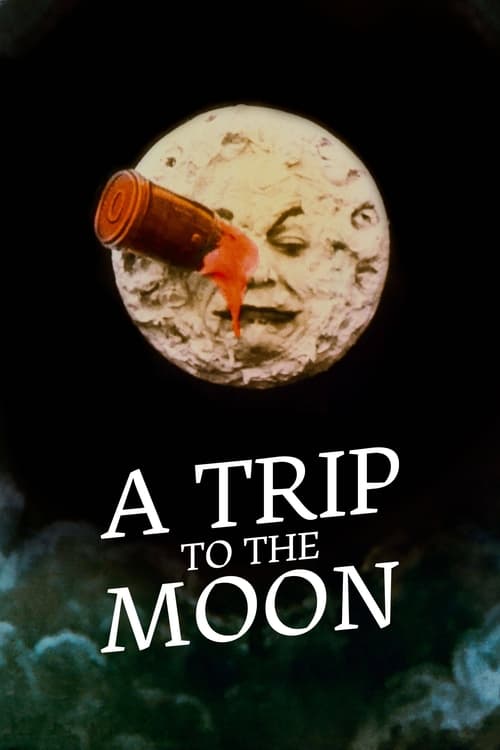
 Georges Mu00e9liu00e8s
 Bleuette Bernon
 Jehanne d'Alcy
 Stephen Segerman
 Rodriguez
 Regan Rodriguez
 Eva Rodriguez
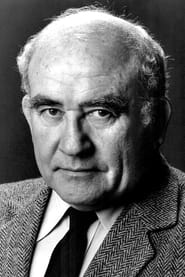 Ed Asner
 Pat Benatar
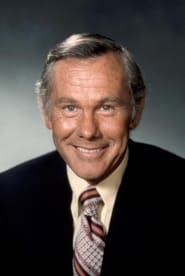 Johnny Carson
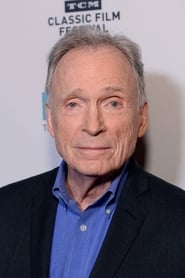 Dick Cavett
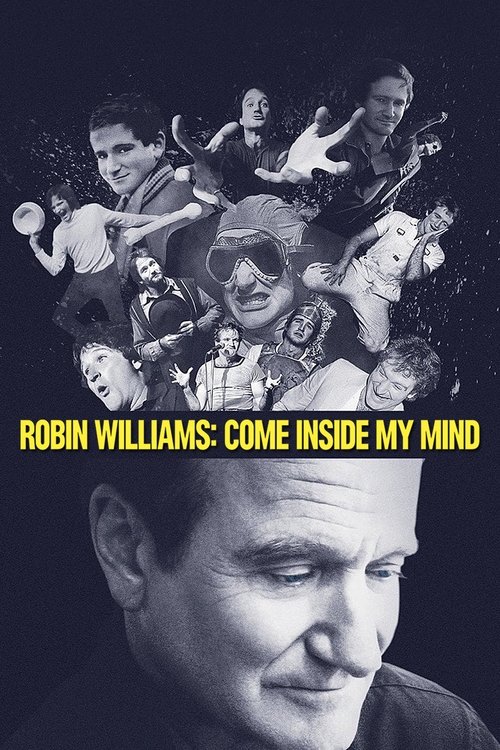
 Robin Williams
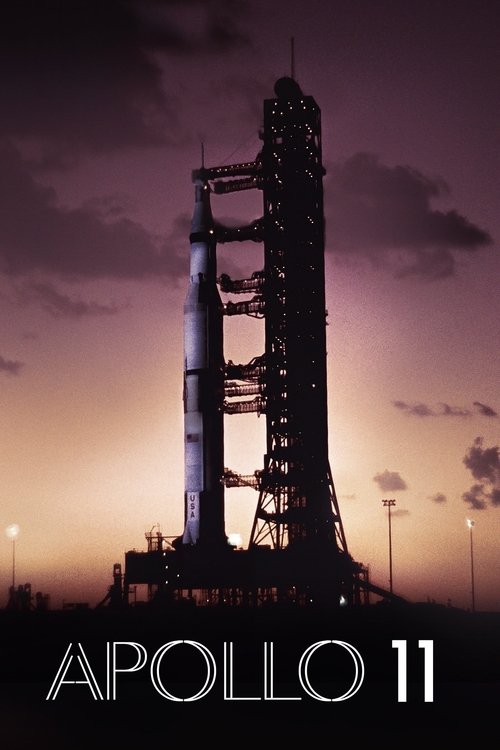
 Neil Armstrong
 Buzz Aldrin
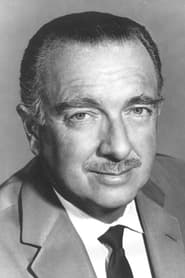 Walter Cronkite
 Jelani Cobb
 Angela Davis
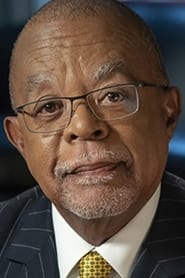 Henry Louis Gates, Jr.
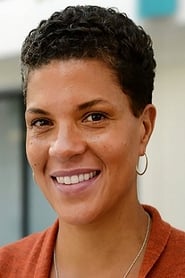 Michelle Alexander

 Taylor Swift
 Todrick Hall
 Brendon Urie
 Jack Antonoff
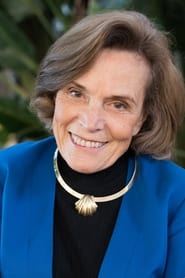 Sylvia Earle
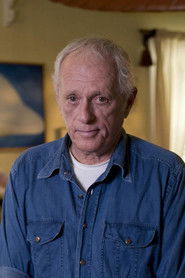 Richard O'Barry
 Paul de Gelder
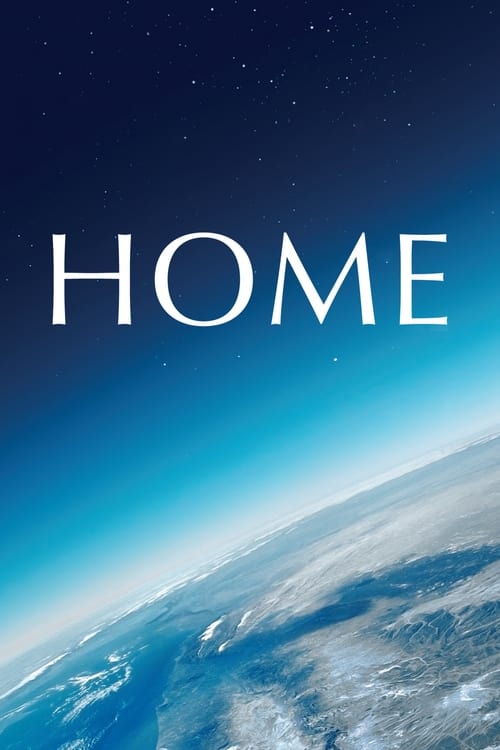
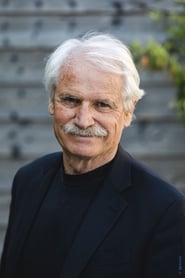 Yann Arthus-Bertrand
 Jacques Gamblin

 Alejandro Jodorowsky
 Michel Seydoux
 H. R. Giger
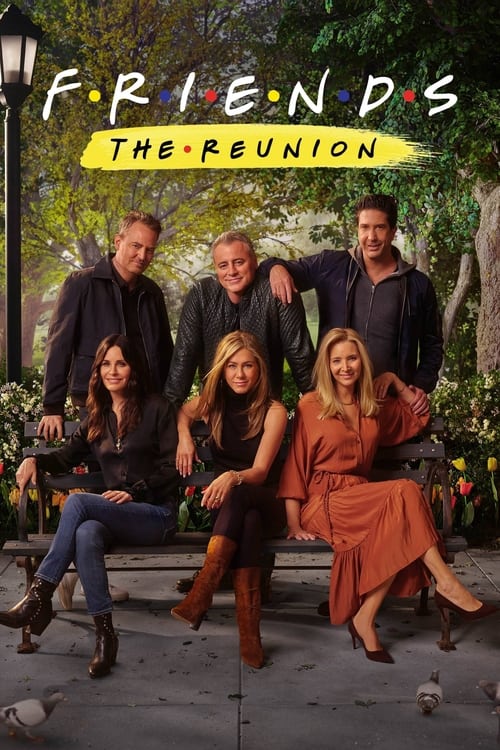
 Jennifer Aniston
 Courteney Cox
 Lisa Kudrow
 Matt LeBlanc
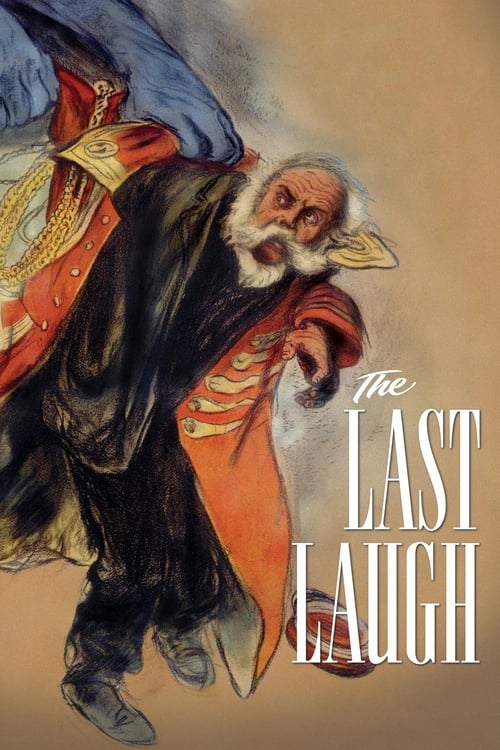
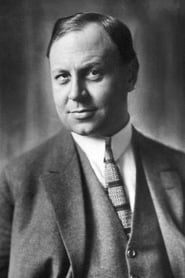 Emil Jannings
 Maly Delschaft
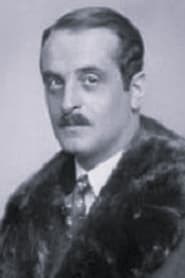 Hans Unterkircher
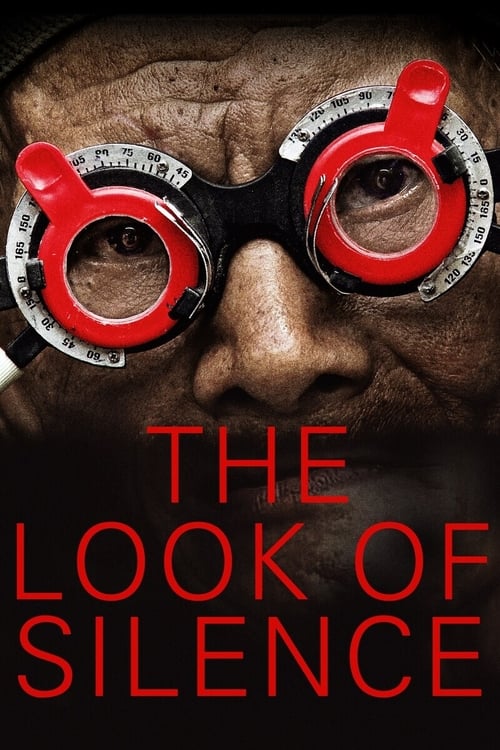
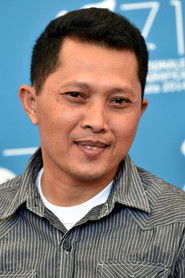 Adi Rukun
 Cyril Dion
 Mu00e9lanie Laurent
 Pierre Rabhi
 Vandana Shiva
 George O'Brien
 Janet Gaynor
 Margaret Livingston
 Bodil Rosing

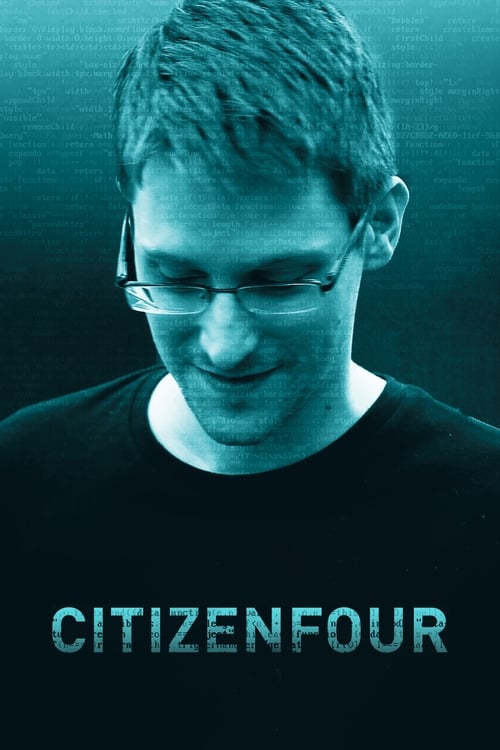
 Edward Snowden
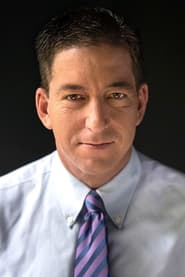 Glenn Greenwald
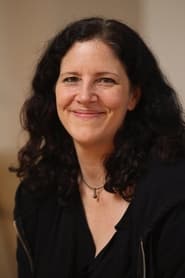 Laura Poitras

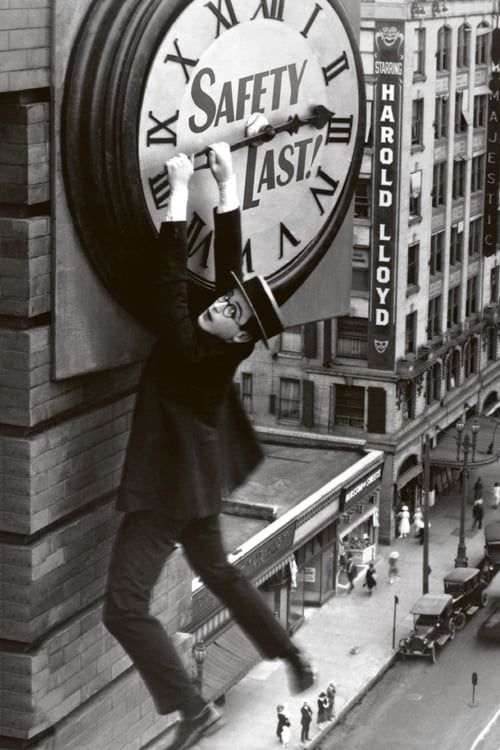
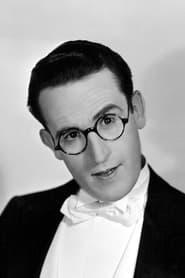 Harold Lloyd
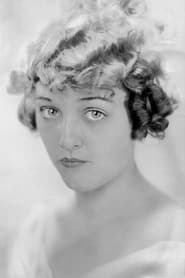 Mildred Davis
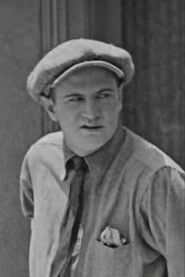 Bill Strother
 Noah Young

 Keire Johnson
 Zack Mulligan
 Bing Liu
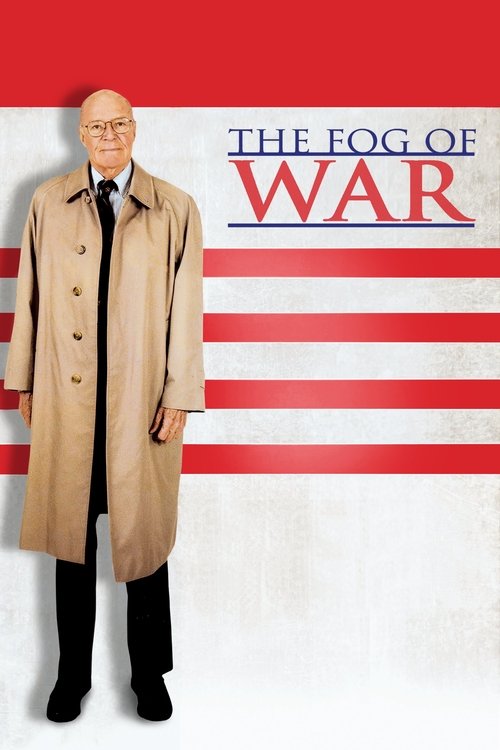
 Robert McNamara
 Errol Morris
 Fidel Castro
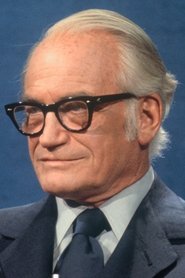 Barry Goldwater


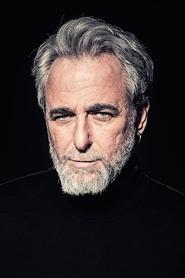 Ari Folman
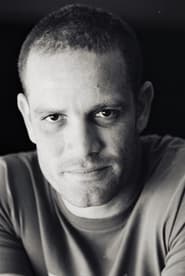 Mickey Leon
 Yehezkel Lazarov

 Robbie Robertson
 Rick Danko
 Levon Helm
 Richard Manuel
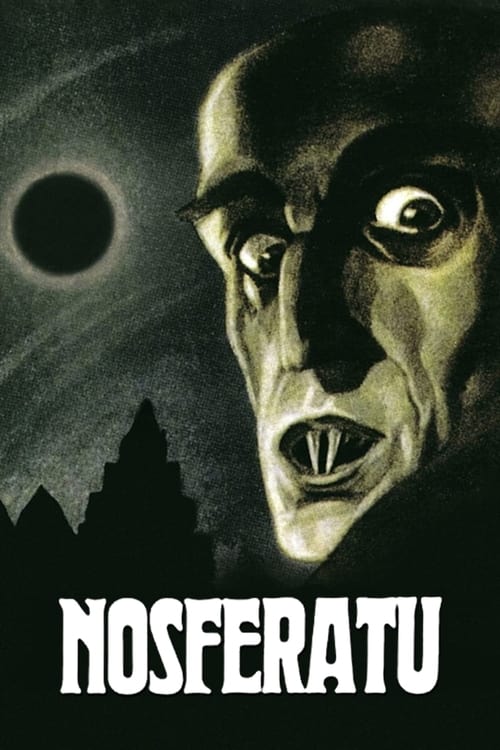
 Max Schreck
 Gustav von Wangenheim
 Greta Schru00f6der
 Georg H. Schnell

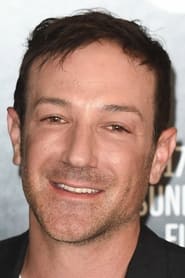 Bryan Fogel
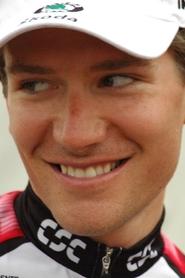 Dave Zabriskie
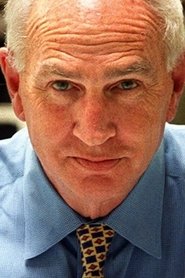 Don Catlin
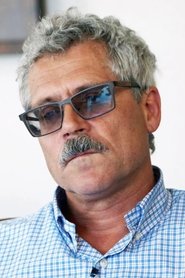 Grigory Rodchenkov
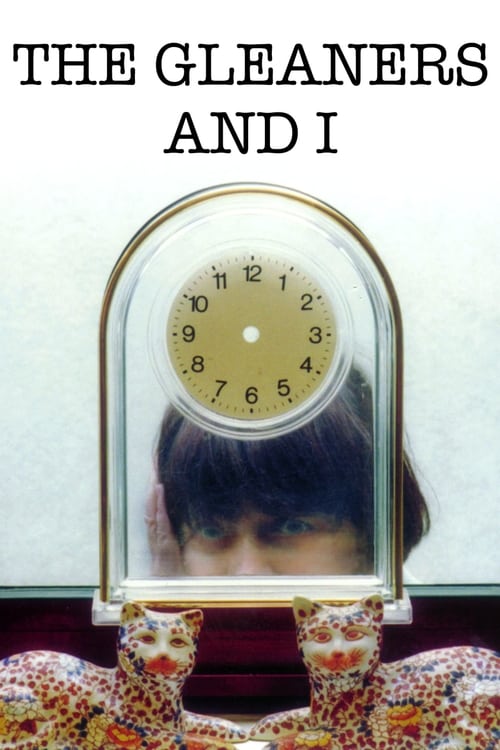
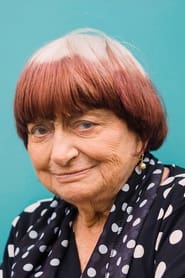 Agnu00e8s Varda
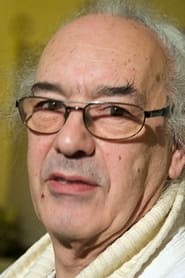 Franu00e7ois Wertheimer
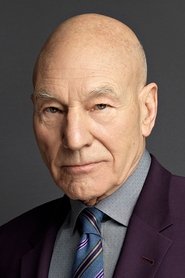 Patrick Stewart
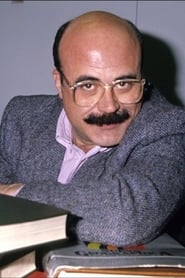 Constantino Romero
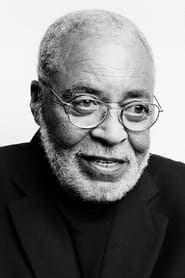 James Earl Jones
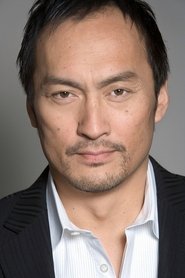 Ken Watanabe
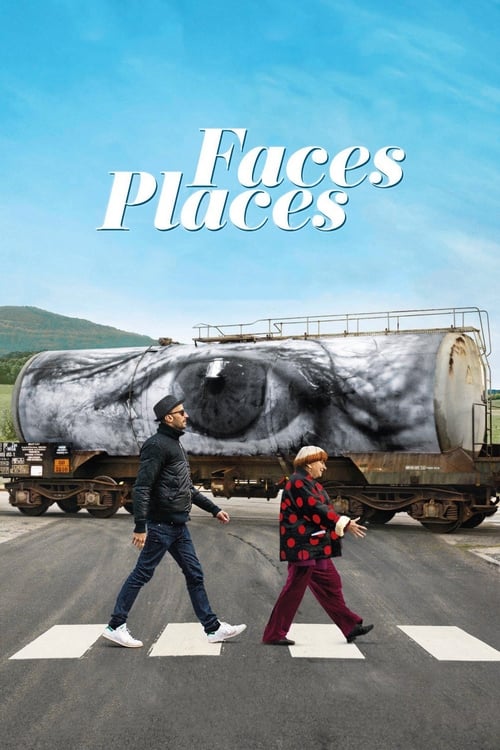 Agnu00e8s Varda
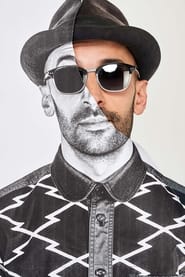 JR

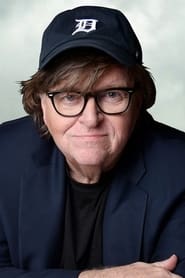 Michael Moore
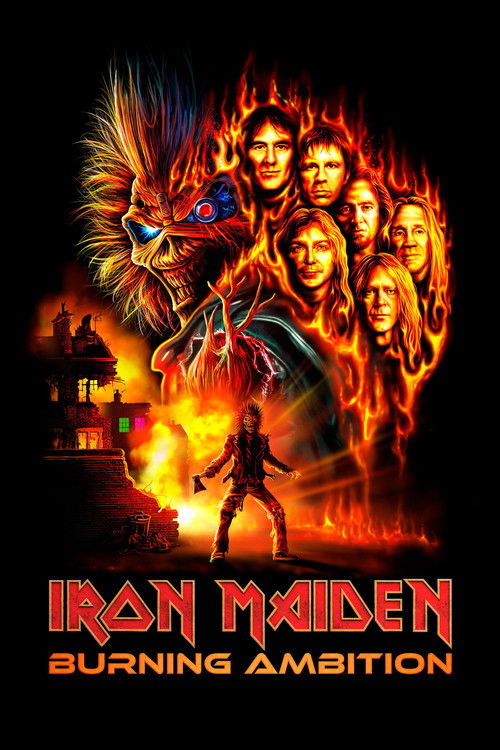
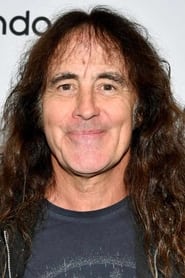 Steve Harris
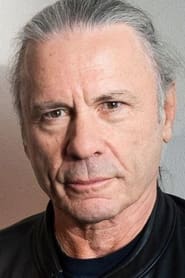 Bruce Dickinson
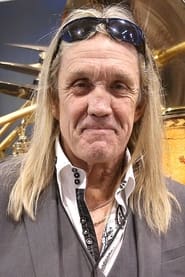 Nicko McBrain
 Adrian Smith
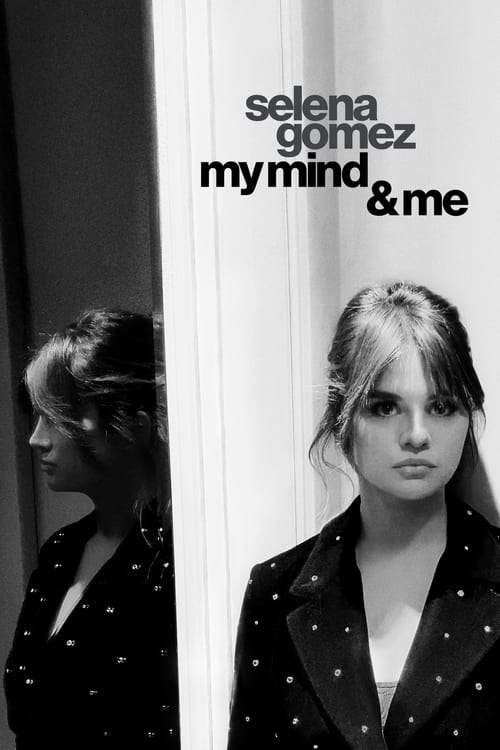
 Selena Gomez
 Raquelle Stevens
 David Attenborough

 Toshiru014d Mifune
 Takashi Shimura
 Yoshio Inaba
 Seiji Miyaguchi
 RM
Jin
SUGA
j-hope
 O. J. Simpson
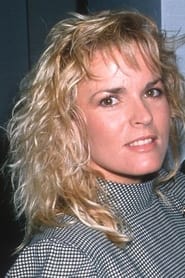 Nicole Brown Simpson
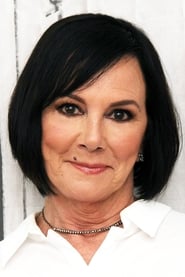 Marcia Clark
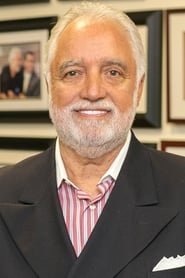 Danny Bakewell Sr.
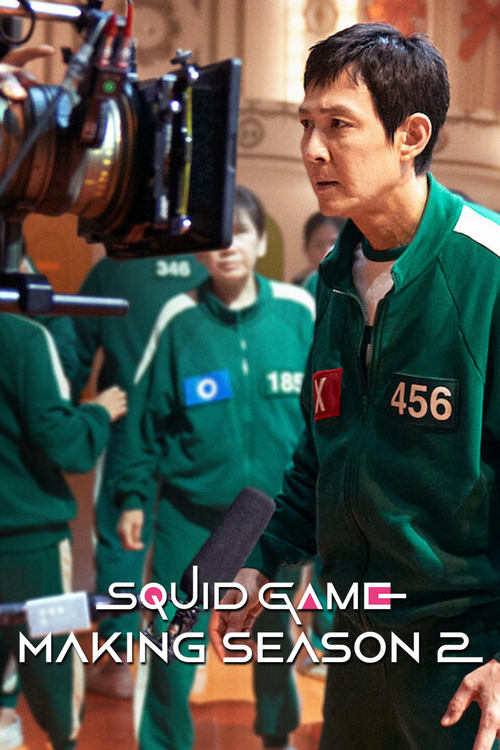
 Hwang Dong-hyuk
 Lee Jung-jae
 Lee Byung-hun
 Chae Kyoung-sun
 Takashi Shimura
 Haruo Tanaka
 Nobuo Kaneko
 Bokuzen Hidari
 William Holden
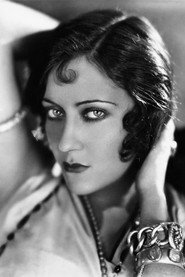 Gloria Swanson
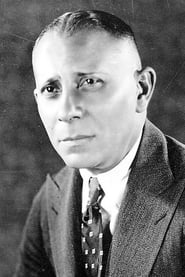 Erich von Stroheim
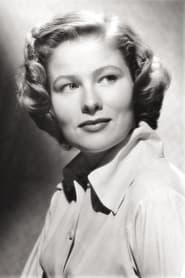 Nancy Olson

 Kirk Douglas
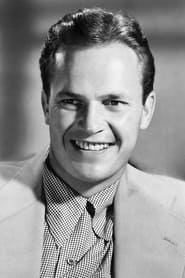 Ralph Meeker
 Adolphe Menjou
 George Macready
 Michel Constantin
 Jean Keraudy
 Philippe Leroy
 Raymond Meunier

 Vittorio Gassman
 Jean-Louis Trintignant
 Catherine Spaak
 Claudio Gora

 Jack Lemmon
 Shirley MacLaine
 Fred MacMurray
 Ray Walston
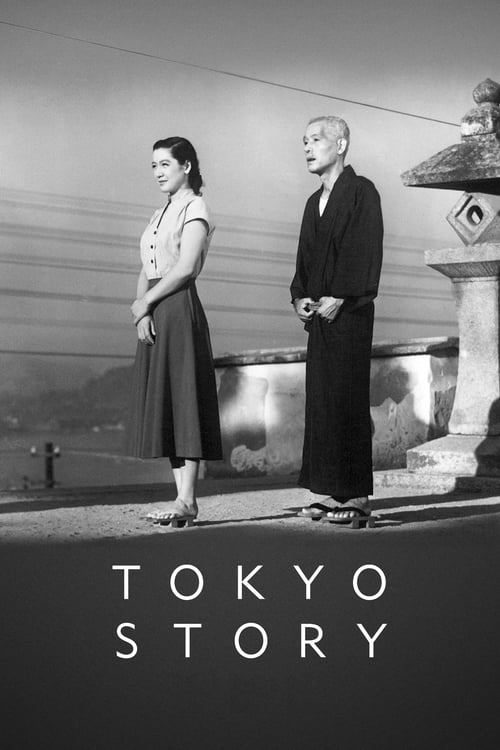
 Chishu016b Ryu016b
 Chieko Higashiyama
 Setsuko Hara
 Haruko Sugimura

 Eiji Okada
 Kyu00f4ko Kishida
 Ku014dji Mitsui
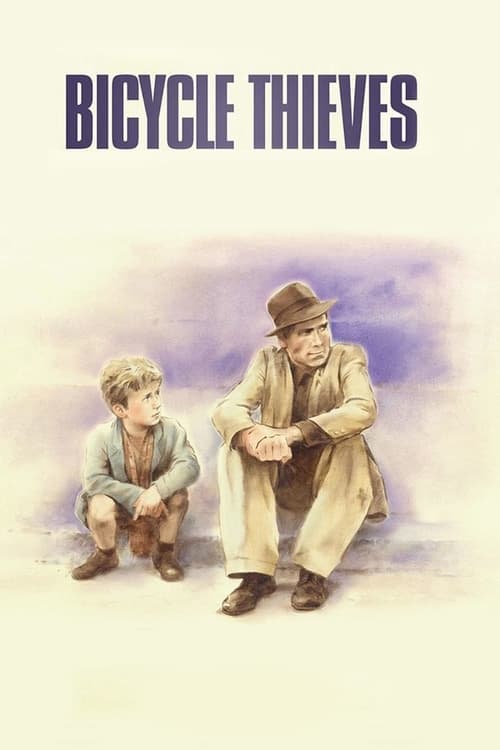
 Lamberto Maggiorani
 Enzo Staiola
 Lianella Carell
 Gino Saltamerenda
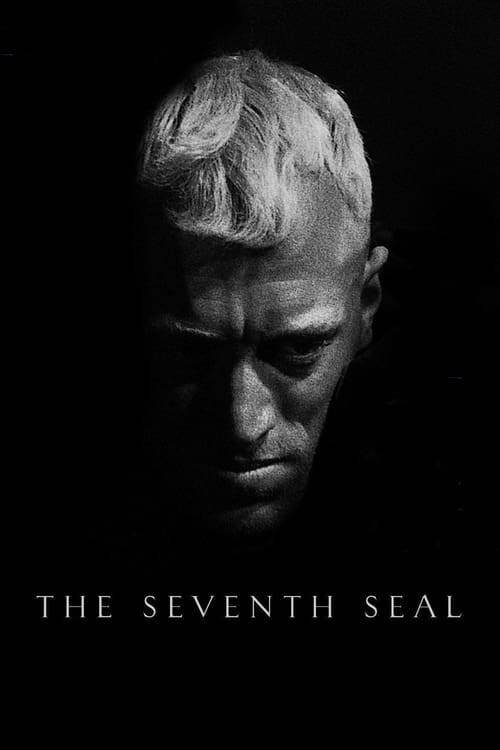
 Gunnar Bju00f6rnstrand
 Bengt Ekerot
 Nils Poppe
 Max von Sydow

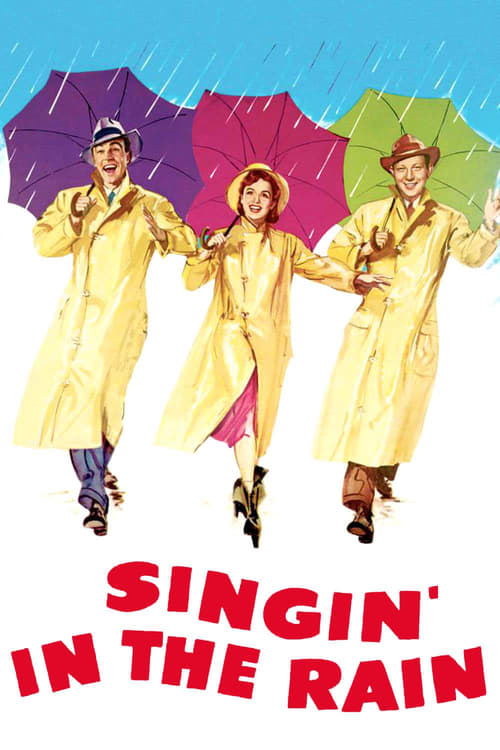
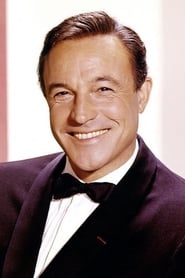 Gene Kelly
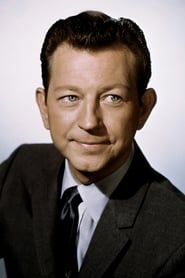 Donald O'Connor
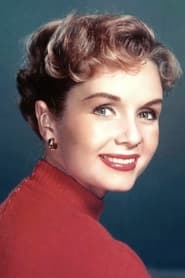 Debbie Reynolds
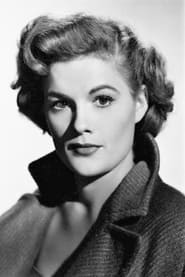 Jean Hagen

 Bibi Andersson
 Liv Ullmann
 Margaretha Krook
Gunnar Bju00f6rnstrand

 Matthew Modine
 Adam Baldwin
 Vincent D'Onofrio
 R. Lee Ermey
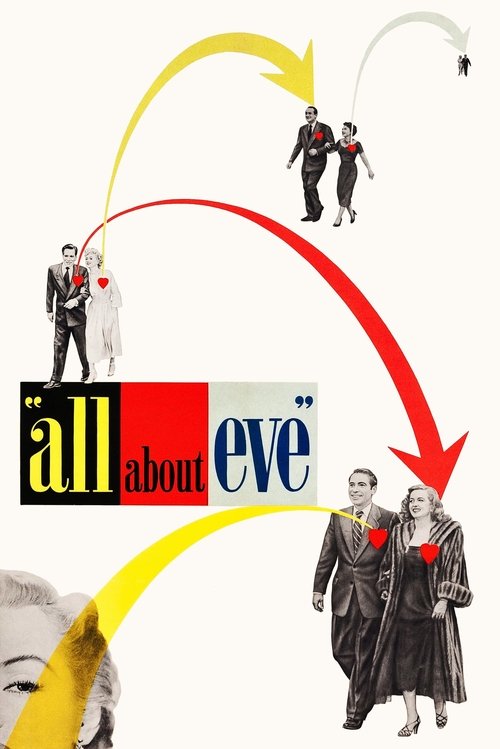
 Bette Davis
 Anne Baxter
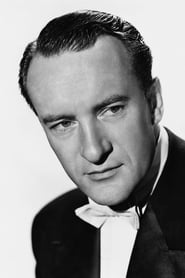 George Sanders
 Celeste Holm
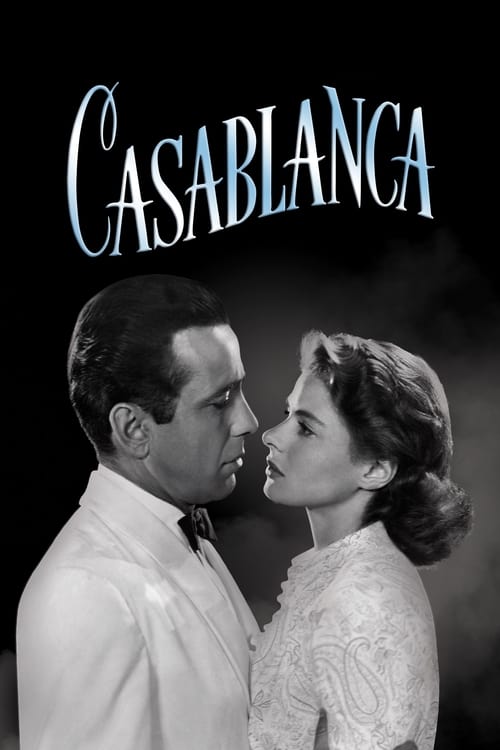
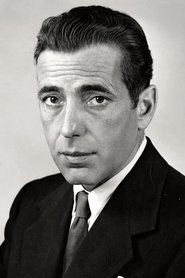 Humphrey Bogart
 Ingrid Bergman
 Paul Henreid
 Claude Rains
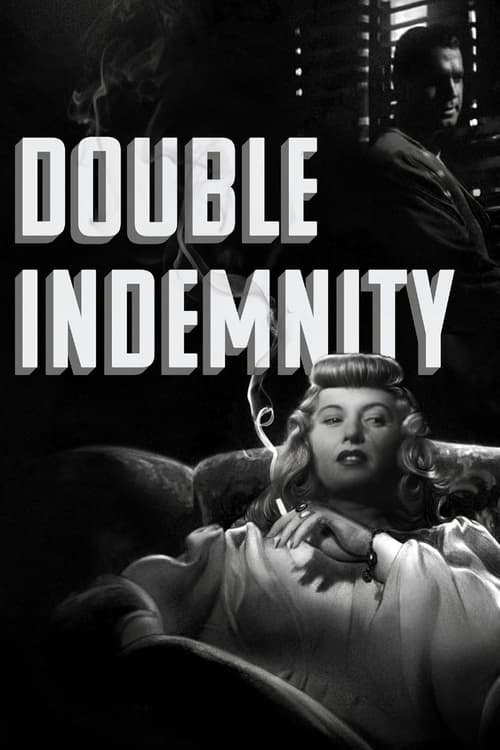 Fred MacMurray
 Barbara Stanwyck
 Edward G. Robinson
 Porter Hall
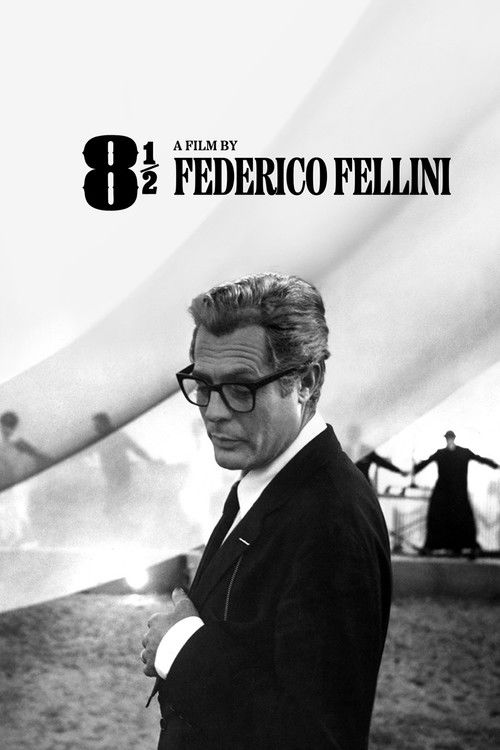
 Marcello Mastroianni
 Claudia Cardinale
 Anouk Aimu00e9e
 Sandra Milo
 Vincent Cassel
 Hubert Koundu00e9
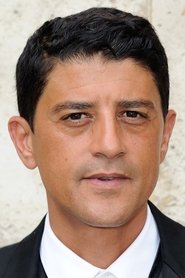 Sau00efd Taghmaoui
 Abdel Ahmed Ghili
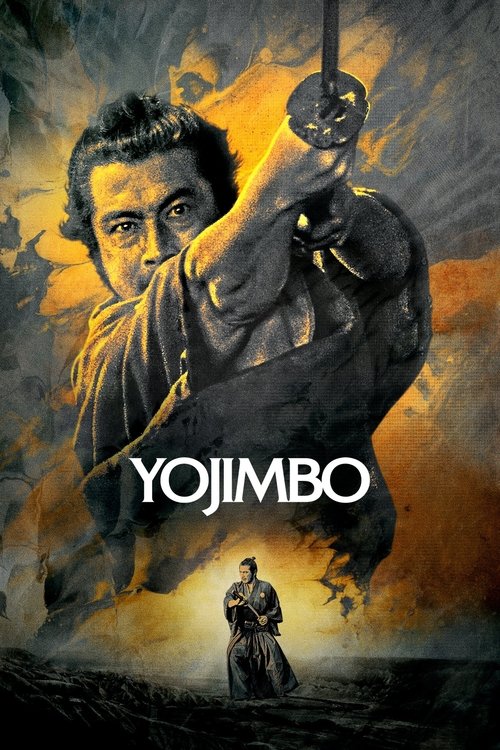 Toshiru014d Mifune
 Tatsuya Nakadai
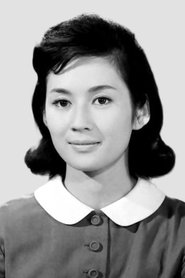 Yu014dko Tsukasa
 Isuzu Yamada
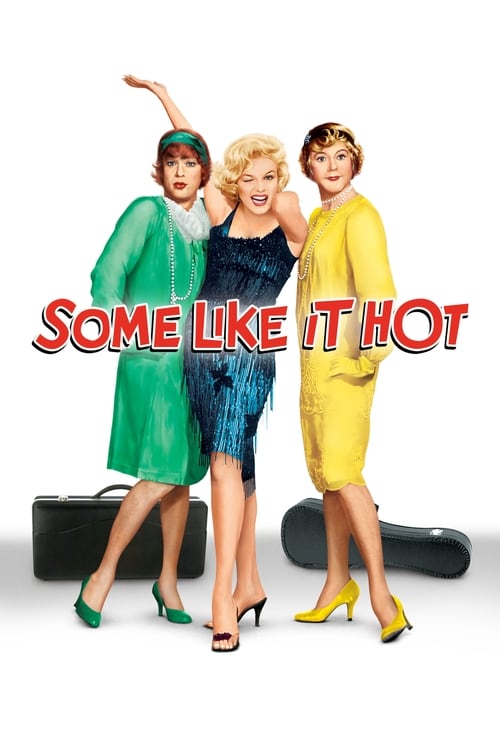
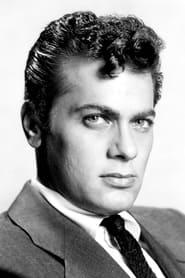 Tony Curtis
Jack Lemmon
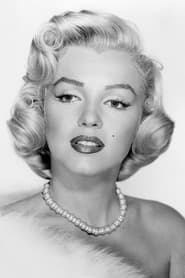 Marilyn Monroe
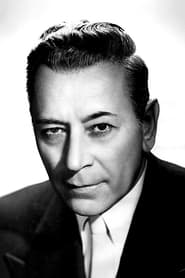 George Raft
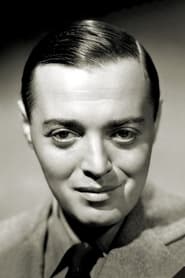 Peter Lorre
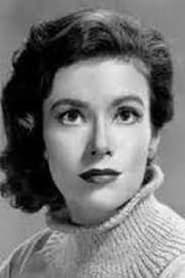 Ellen Widmann
 Inge Landgut
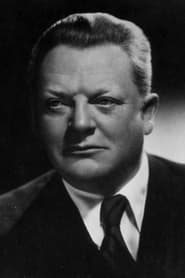 Otto Wernicke
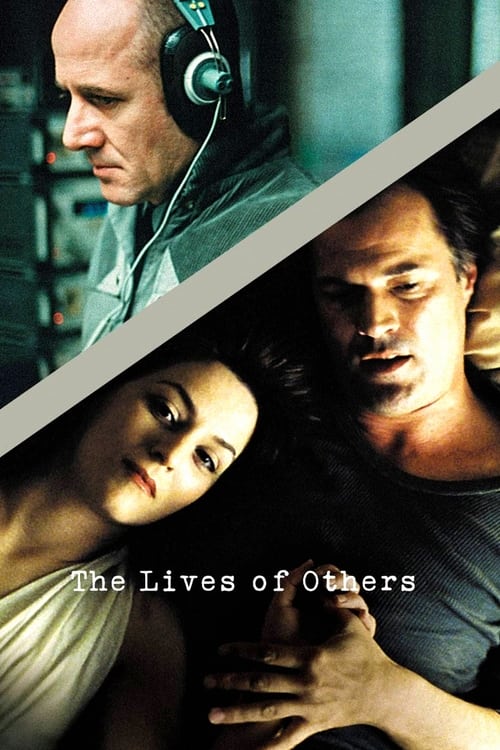
 Martina Gedeck
 Ulrich Mu00fche
 Sebastian Koch
 Ulrich Tukur
 Toshiru014d Mifune
 Machiko Kyu014d
Takashi Shimura
 Masayuki Mori
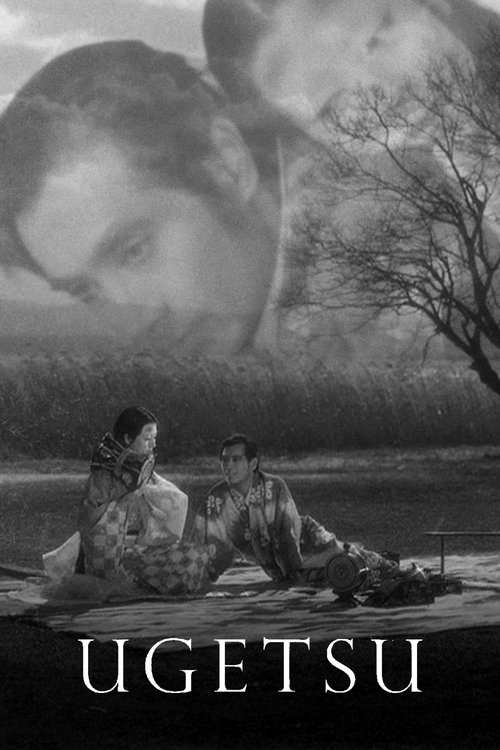 Machiko Kyu014d
 Mitsuko Mito
 Kinuyo Tanaka
Masayuki Mori
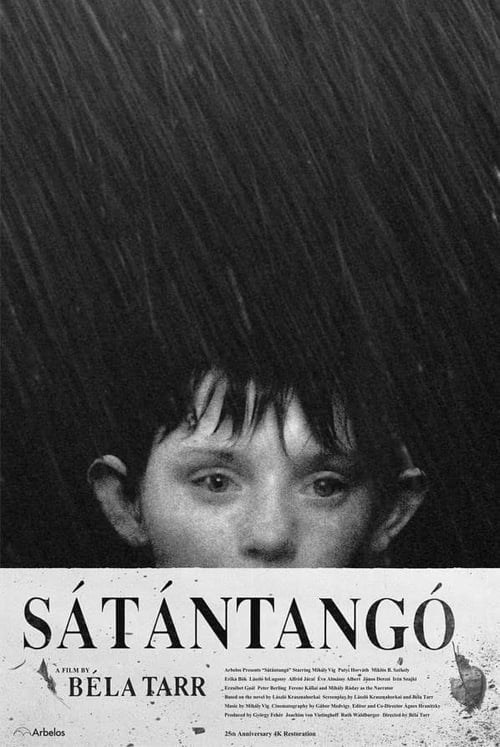
 Mihu00e1ly Vu00edg
 Putyi Horvu00e1th
 Szu00e9kely B. Miklu00f3s
 Marcello Mastroianni
 Anita Ekberg
Anouk Aimu00e9e
 Yvonne Furneaux
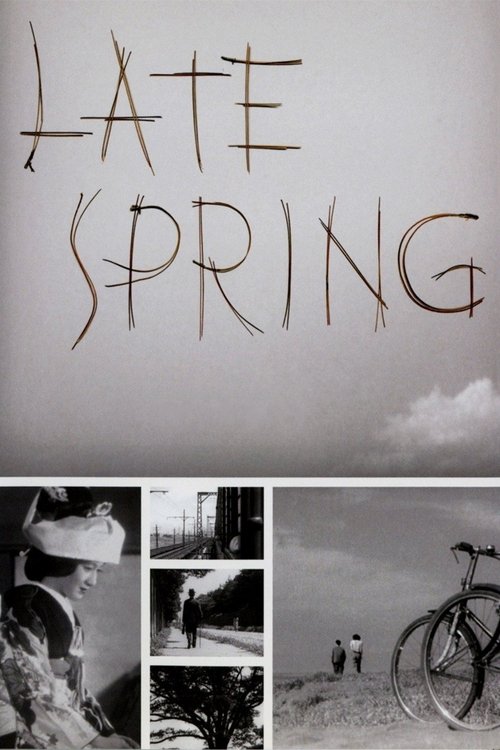 Chishu016b Ryu016b
Setsuko Hara
 Yumeji Tsukioka
Haruko Sugimura
 Gregory Peck
 Mary Badham
 Phillip Alford
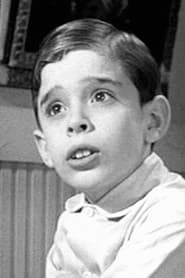 John Megna
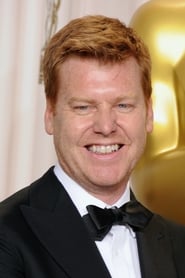 John Kahrs
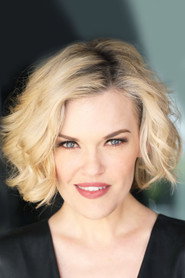 Kari Wahlgren
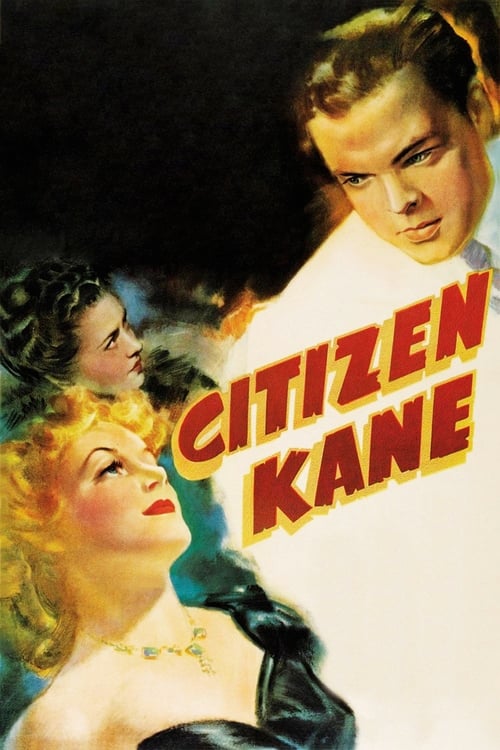
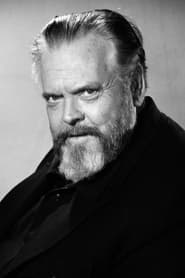 Orson Welles
 Joseph Cotten
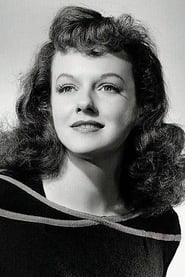 Dorothy Comingore
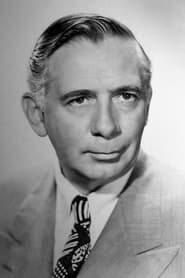 Ray Collins
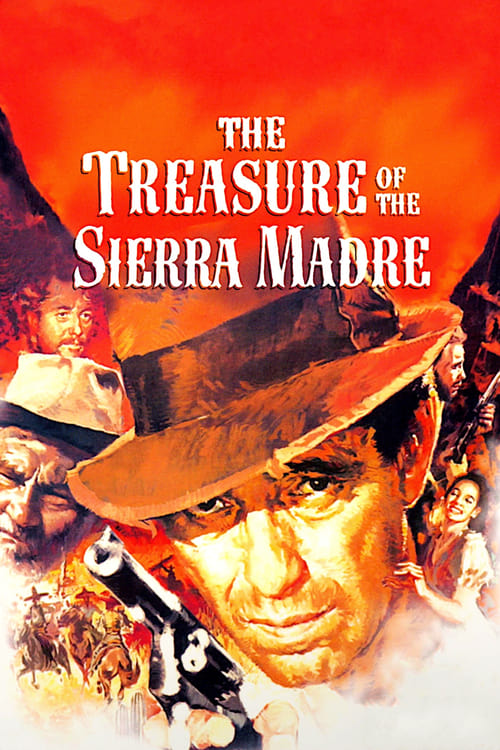 Humphrey Bogart
 Walter Huston
 Tim Holt
 Bruce Bennett
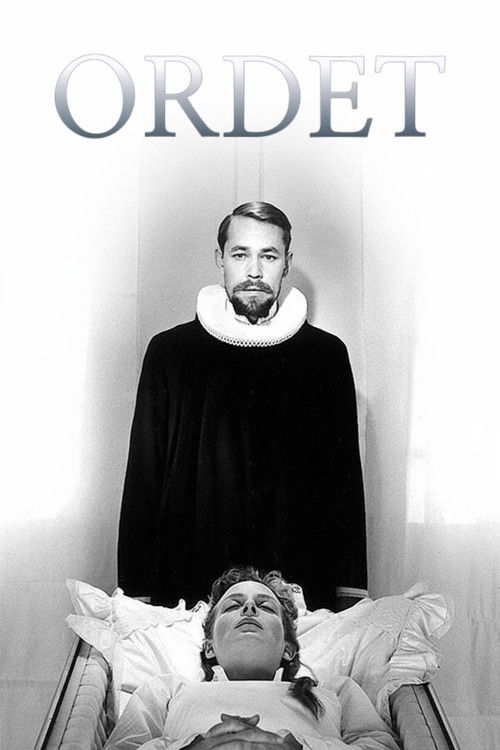
 Henrik Malberg
 Birgitte Federspiel
 Emil Hass Christensen
 Preben Lerdorff Rye
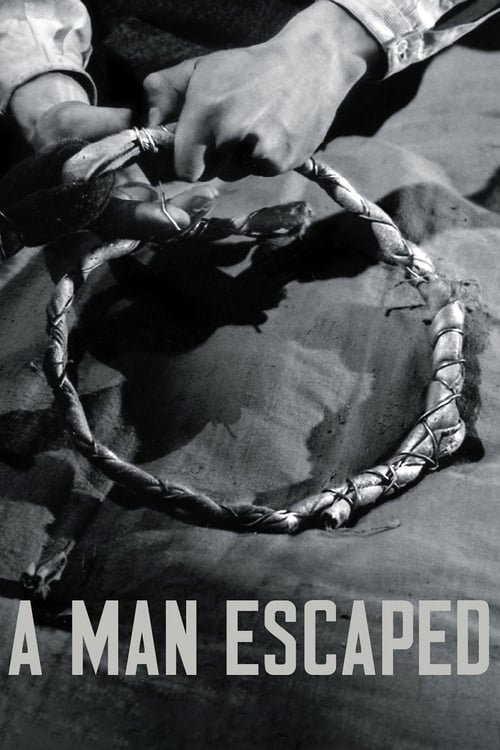
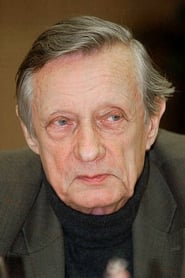 Franu00e7ois Leterrier
 Charles Le Clainche
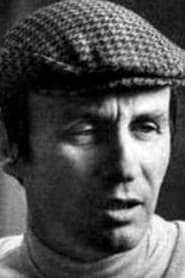 Maurice Beerblock
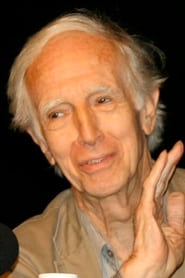 Roland Monod

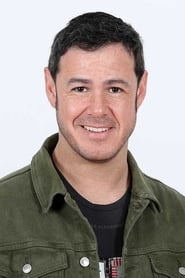 Ivan Labanda
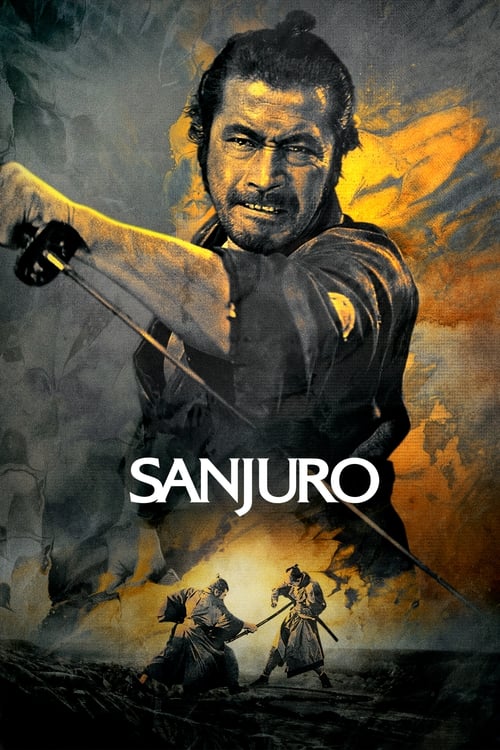 Toshiru014d Mifune
Tatsuya Nakadai
 Keiju Kobayashi
 Yu016bzu014d Kayama
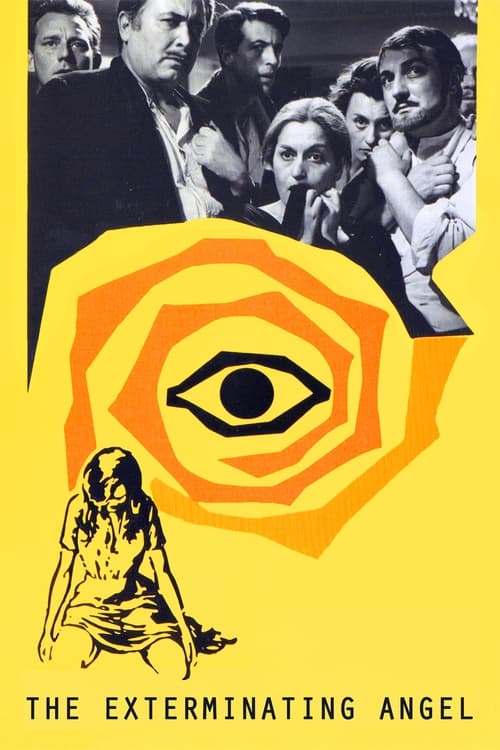
 Silvia Pinal
 Jacqueline Andere
 Claudio Brook
 Enrique Rambal
 Toshiru014d Mifune
Isuzu Yamada
Takashi Shimura
 Akira Kubo
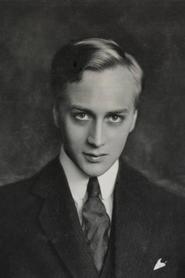 Gu00f6sta Ekman
Emil Jannings
 Camilla Horn
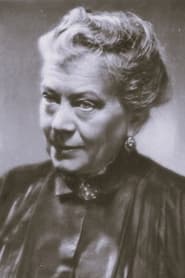 Frida Richard
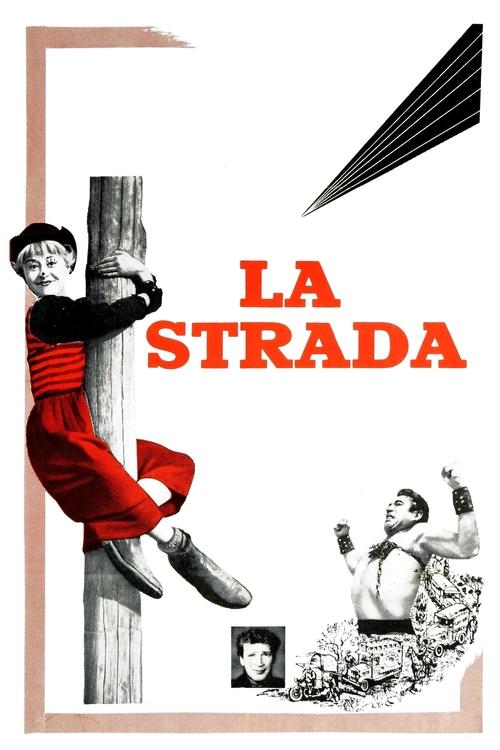
 Giulietta Masina
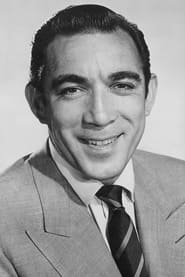 Anthony Quinn
 Richard Basehart
 Aldo Silvani
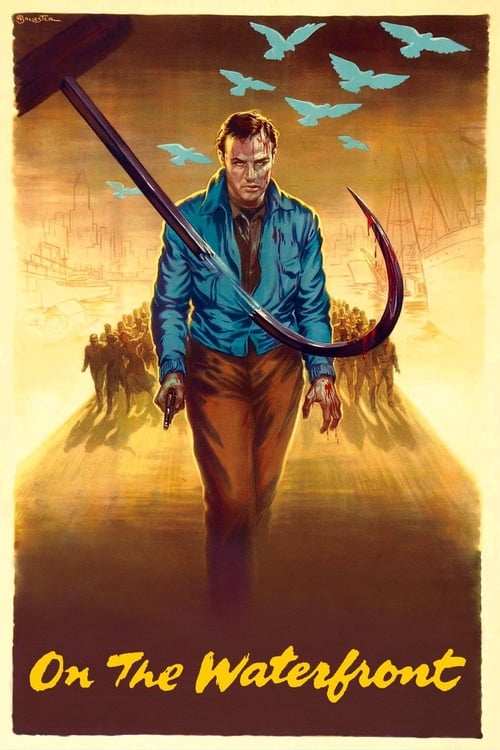
 Marlon Brando
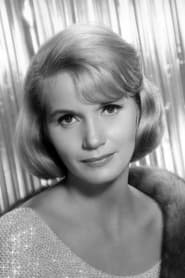 Eva Marie Saint
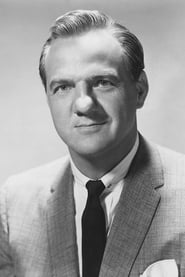 Karl Malden
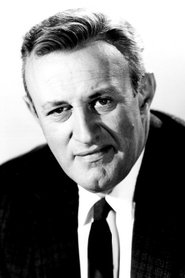 Lee J. Cobb
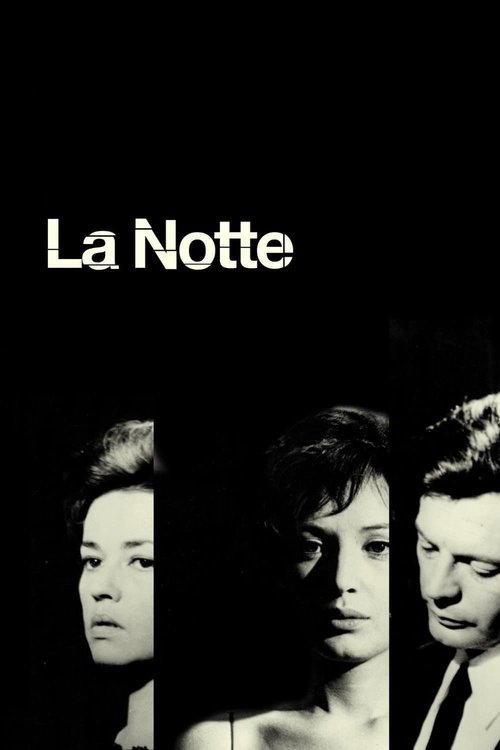 Marcello Mastroianni
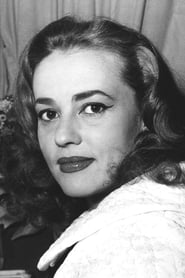 Jeanne Moreau
 Monica Vitti
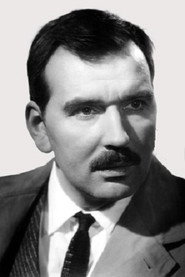 Bernhard Wicki
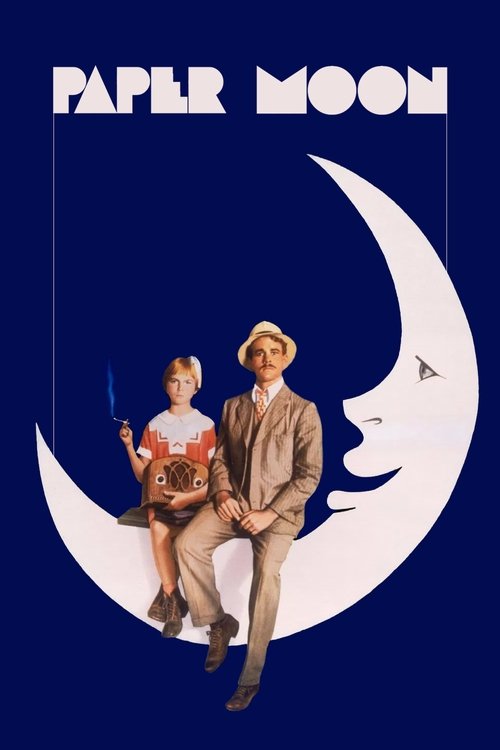
 Tatum O'Neal
 Ryan O'Neal
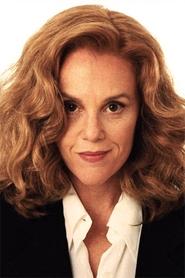 Madeline Kahn
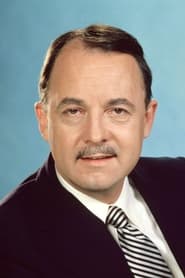 John Hillerman
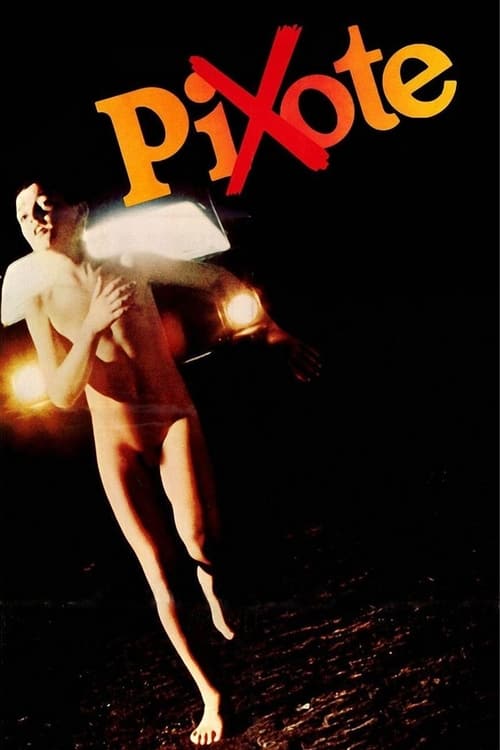
 Fernando Ramos da Silva
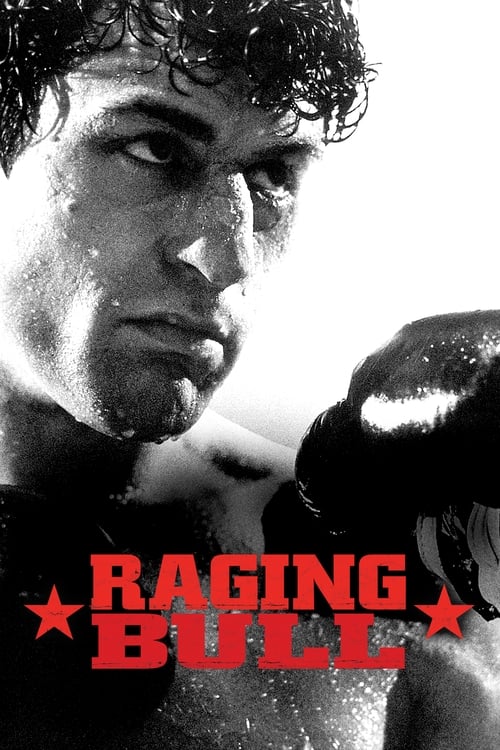
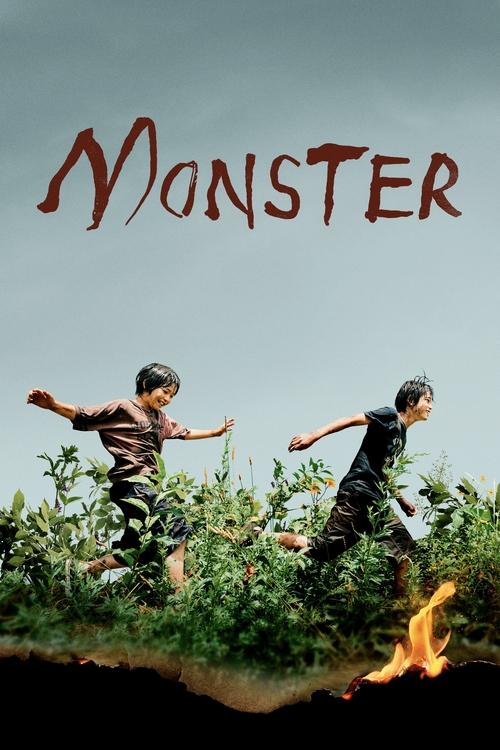
 Sakura Ando
 Soya Kurokawa
 Hinata Hiiragi
 Eita Nagayama
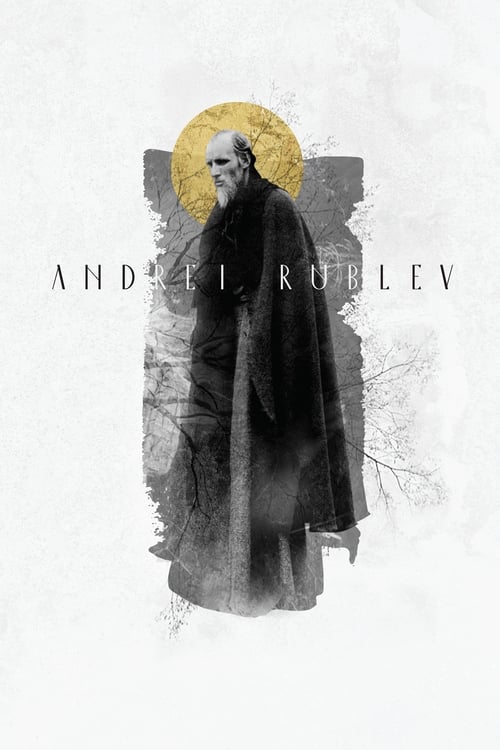
 Anatoliy Solonitsyn
 Ivan Lapikov
 Mykola Hrynko
 Nikolai Sergeyev
 Joseph Cotten
 Alida Valli
 Trevor Howard
Orson Welles
 Gong Li
 He Saifei
 Cao Cuifen
 Kong Lin
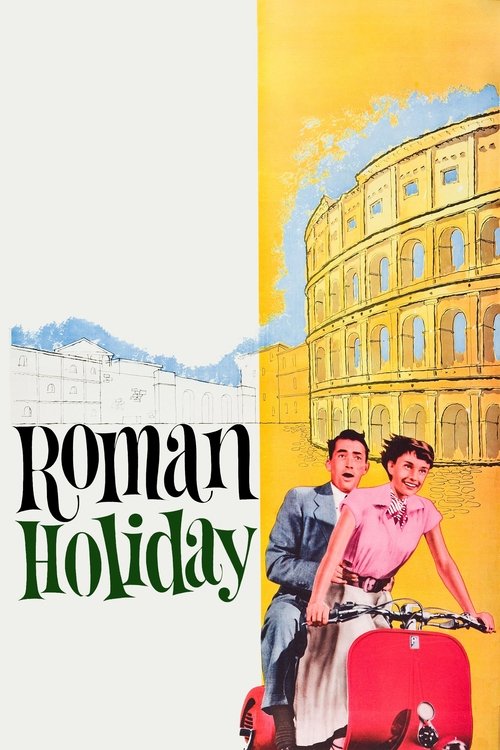 Gregory Peck
 Audrey Hepburn
 Eddie Albert
 Hartley Power

 Kang Ha-neul
 Kim Moo-yul
 Moon Sung-keun
 Na Young-hee

 Jean Nu00e9groni
 Hu00e9lu00e8ne Chatelain
 Davos Hanich
 Jacques Ledoux
 Carlo Battisti
 Maria Pia Casilio
 Lina Gennari
 Robert Mitchum
 Shelley Winters
 Lillian Gish
 Billy Chapin
 Vincent Price
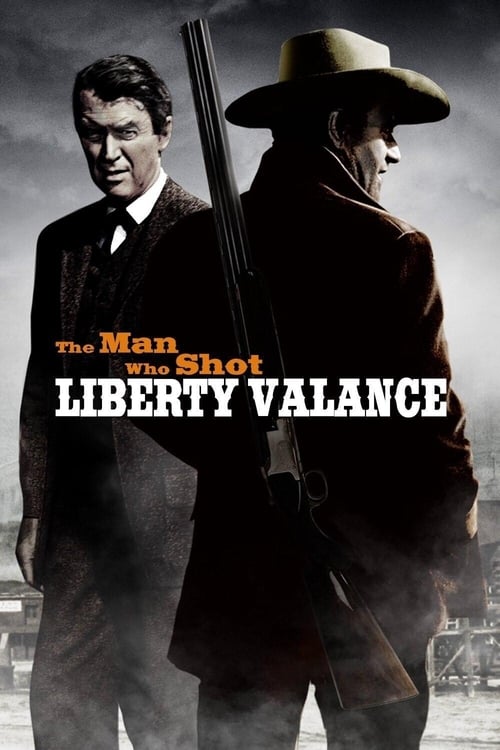
 John Wayne
 James Stewart
 Vera Miles
 Lee Marvin
 James Stewart
 Jean Arthur
Claude Rains
 Edward Arnold
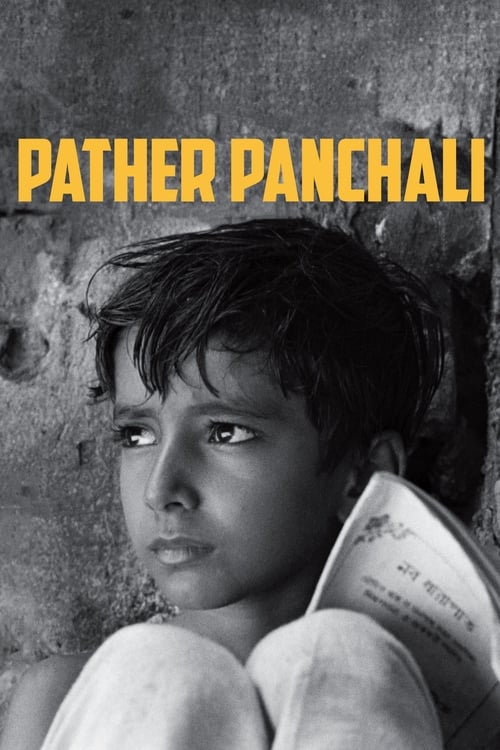
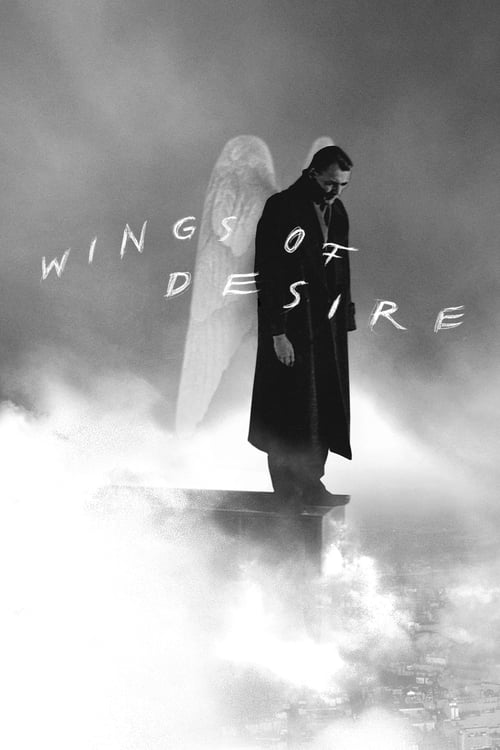
 Bruno Ganz
 Solveig Dommartin
 Otto Sander
 Curt Bois
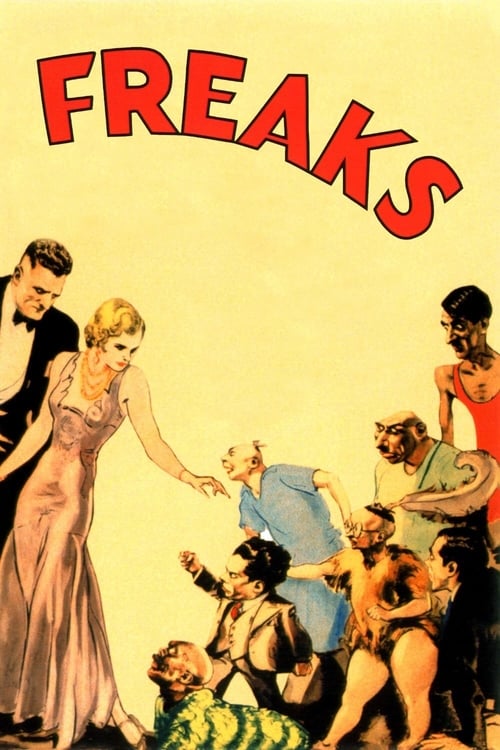
 Harry Earles
 Olga Baclanova
 Daisy Earles
 Henry Victor
 Will Smith
 Ben Foster
 Charmaine Bingwa

 Ruan Lingyu
 Zhang Zhizhi
 Keng Li
 Junpan Li
 Tatsuya Nakadai
 Mikijiro Hira
Machiko Kyu014d
Kyu00f4ko Kishida
 Taron Egerton
 Nikita Efremov
 Sofia Lebedeva
 Anthony Boyle

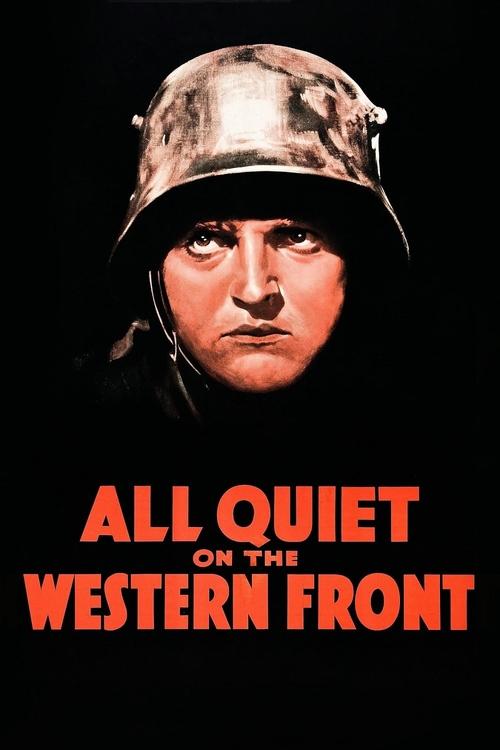
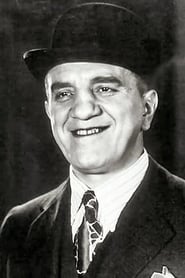 Louis Wolheim
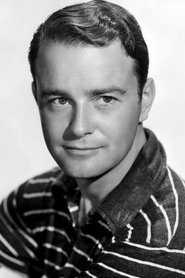 Lew Ayres
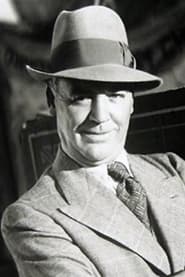 John Wray
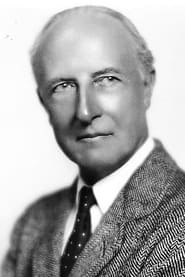 Arnold Lucy