Show Adult Titles
Show Adult Posters & Images


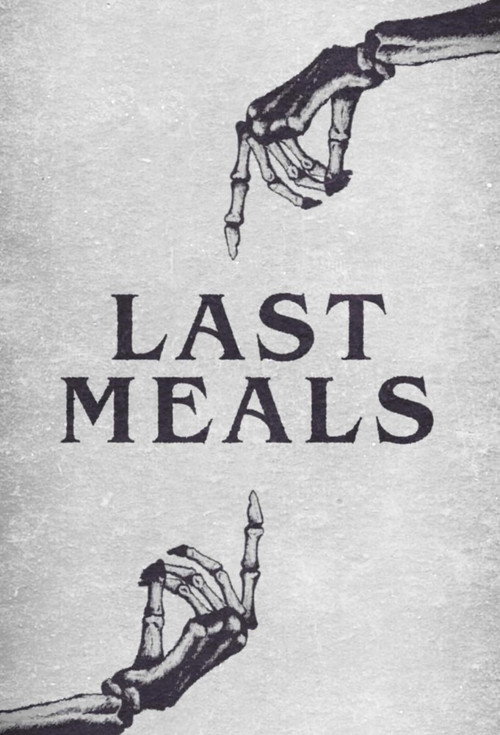
What happens after we die? This docuseries explores personal stories and research on near-death experiences, reincarnation and paranormal phenomena.
 Discovery +
 Discovery+ Amazon Channel
 Netflix
 Netflix Standard with Ads

This section contains spoilers
The full plot reveals key story details including the ending.


 Josh Scherer
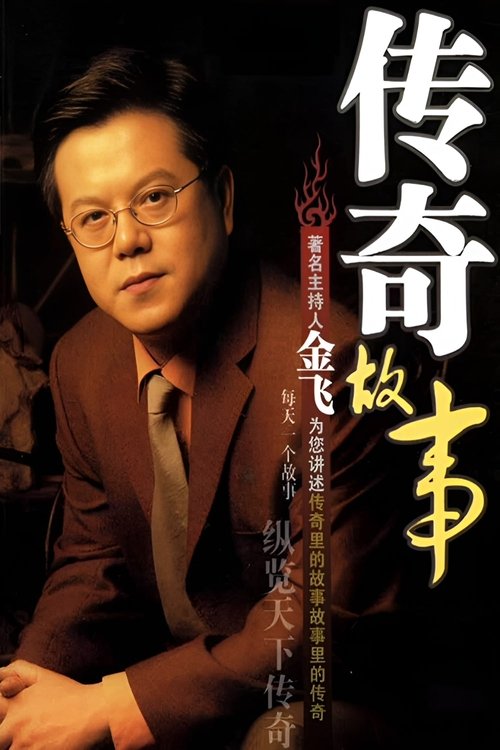
 u91d1u98de

 Chen Xiaonan


 Hristos Vasilopoulos
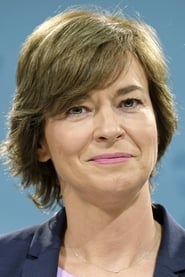 Maybrit Illner
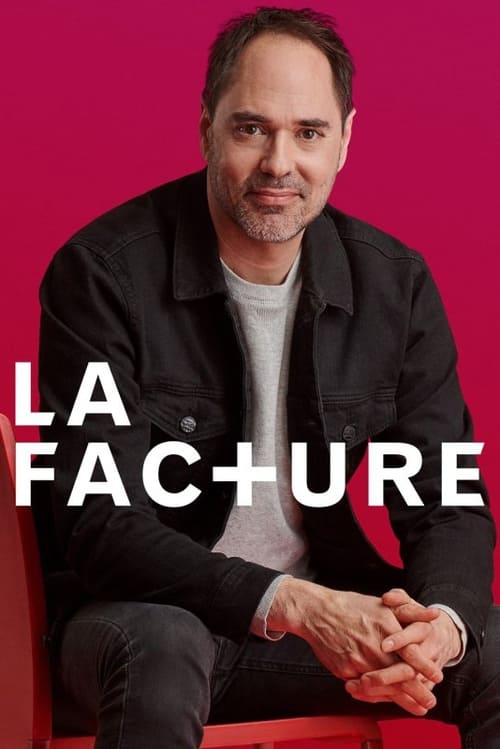

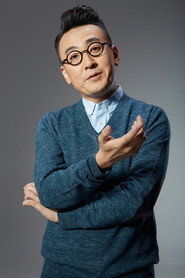 Wentao Dou
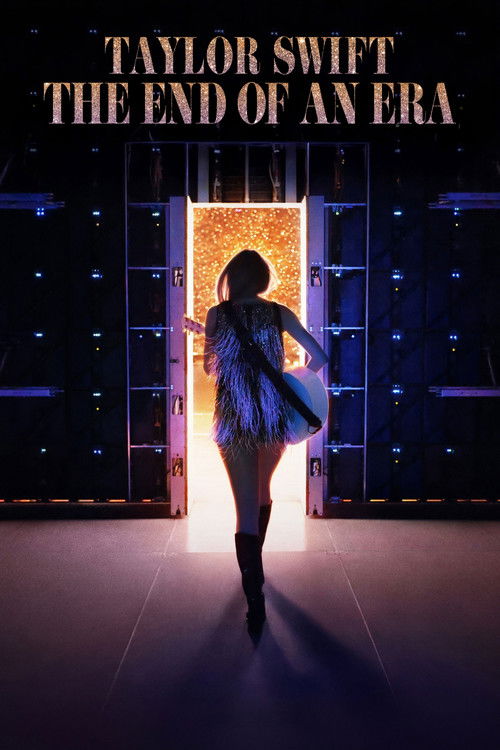
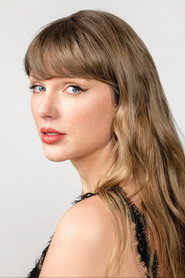 Taylor Swift
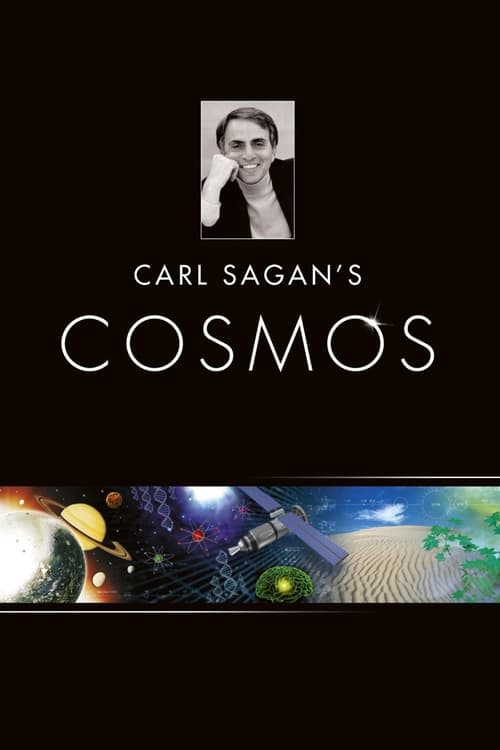
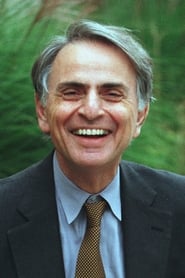 Carl Sagan
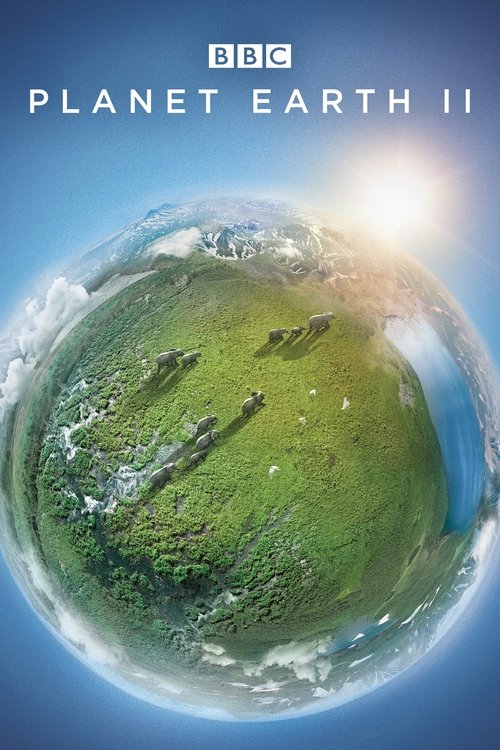
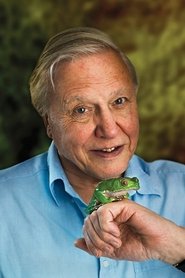 David Attenborough
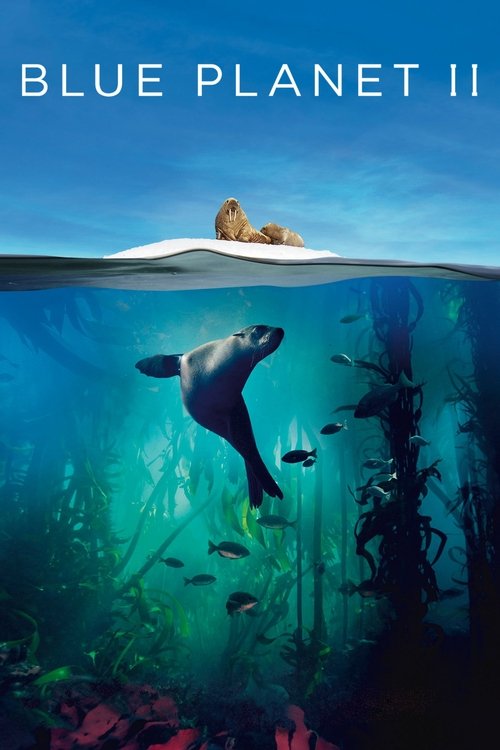 David Attenborough
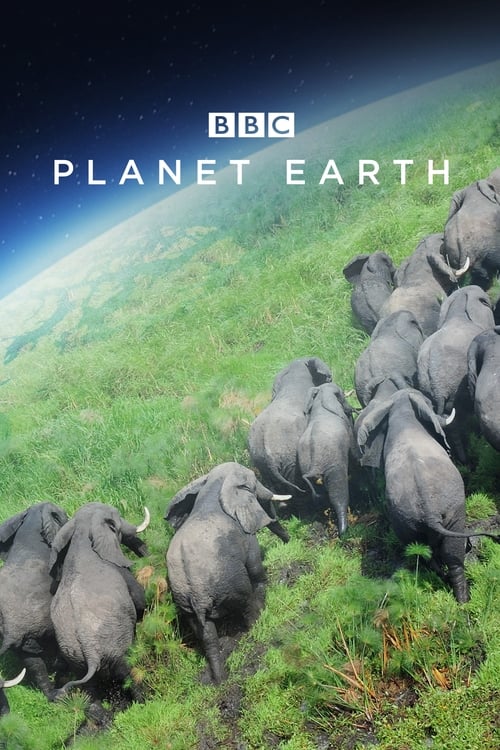 David Attenborough

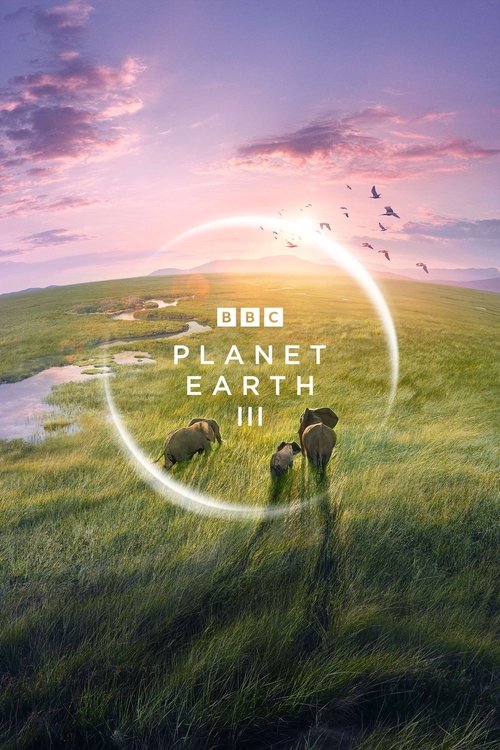
 David Attenborough
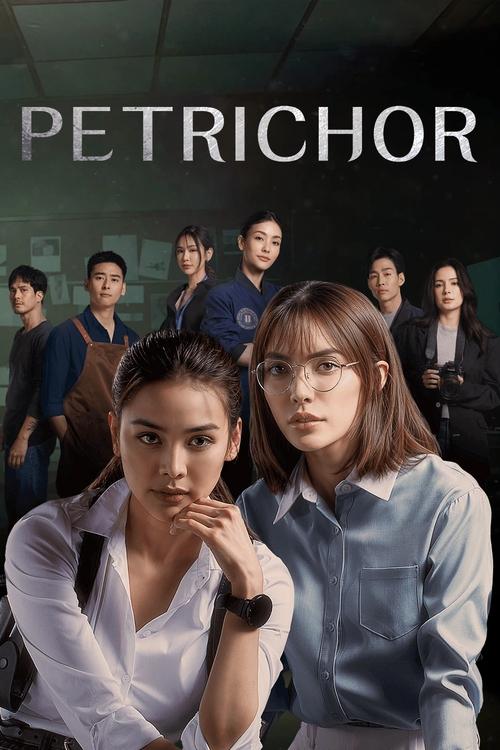
 Engfa Waraha
 Charlotte Austin
 Malin Sae-lim
 Rina Chatamonchai

 Adam Curtis
 Anne Bernays
 Robert Reich

 Liao Fan
 Bai Yu
 Zhao Yang
 Lu00fc Xiaolin
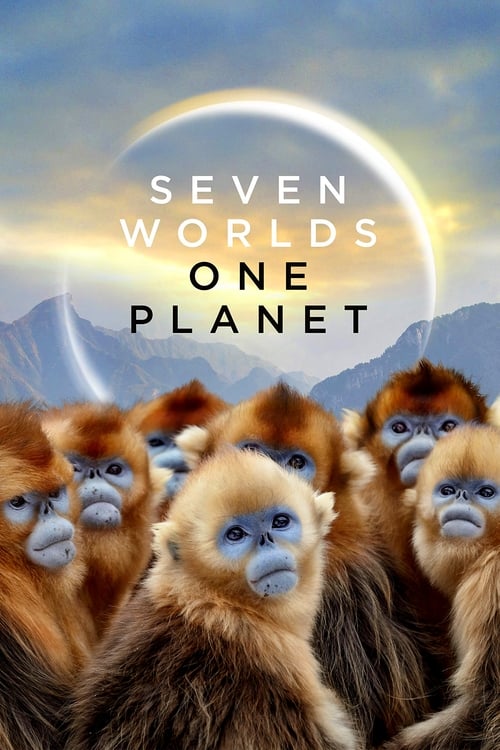
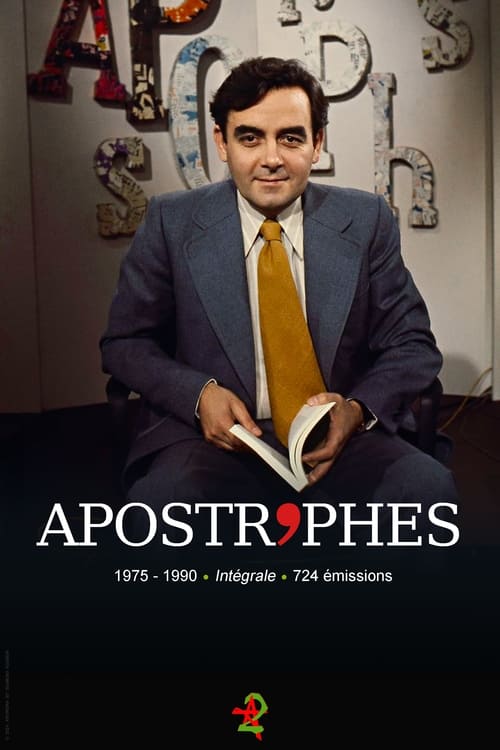
 Bernard Pivot
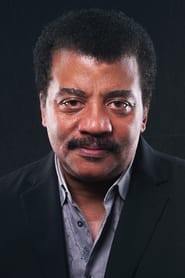 Neil deGrasse Tyson
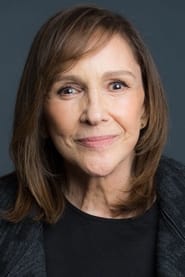 Ann Druyan

 IU
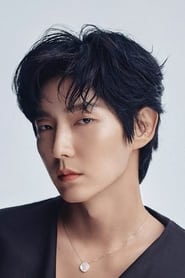 Lee Joon-gi
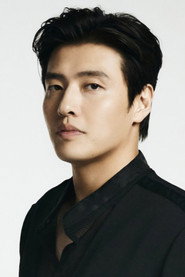 Kang Ha-neul
 Hong Jong-hyun

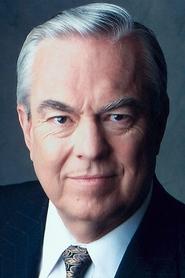 Bill Kurtis
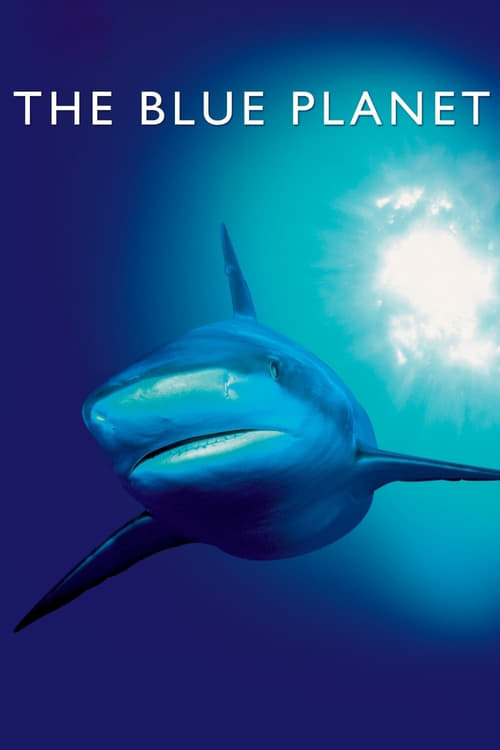 David Attenborough
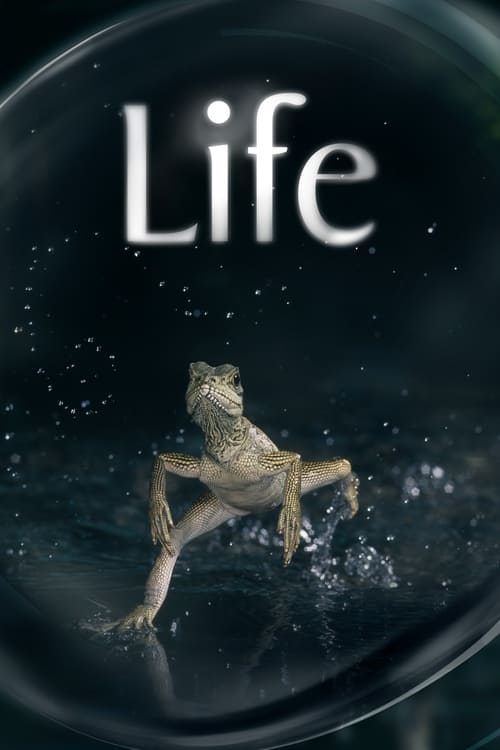 David Attenborough
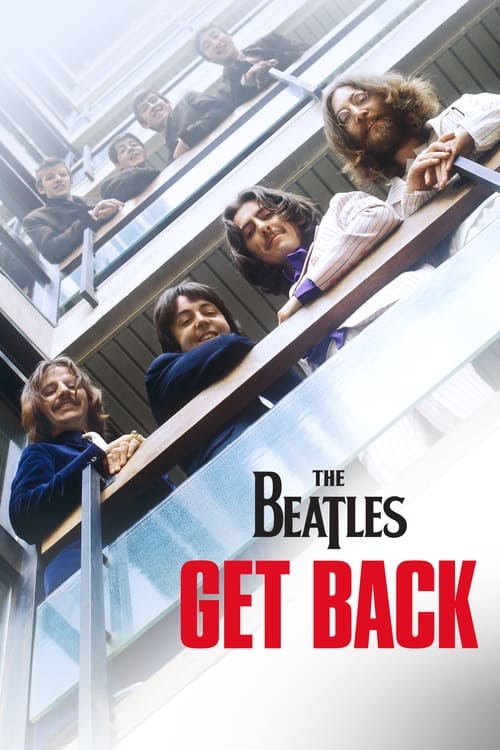
 John Lennon
 Paul McCartney
 George Harrison
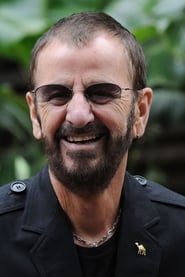 Ringo Starr
 David Attenborough
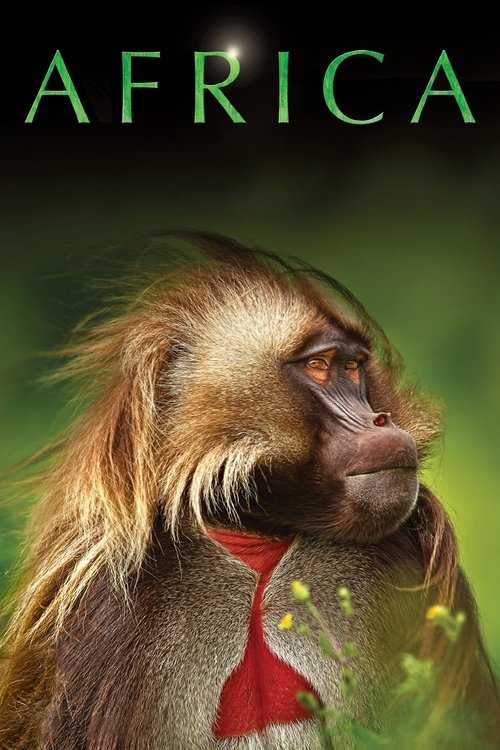 David Attenborough

 Laurence Olivier
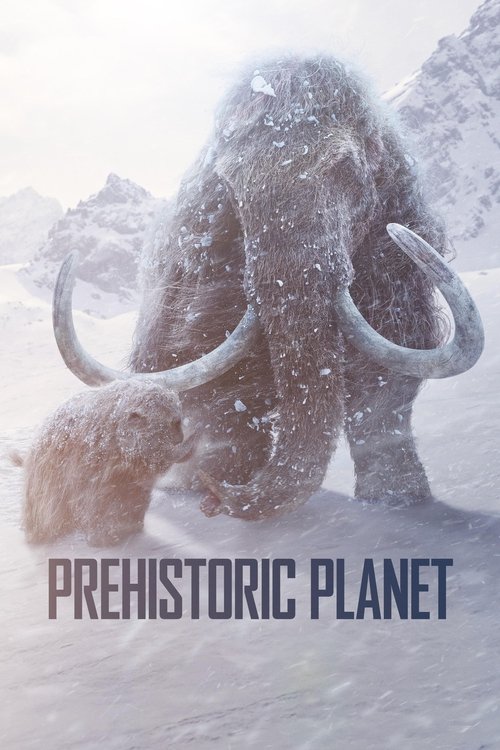
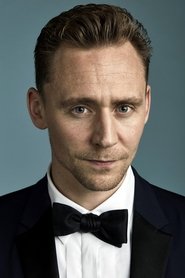 Tom Hiddleston

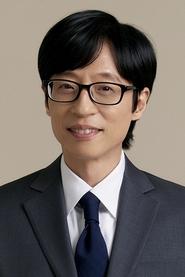 Yoo Jae-suk
 Jo Se-ho
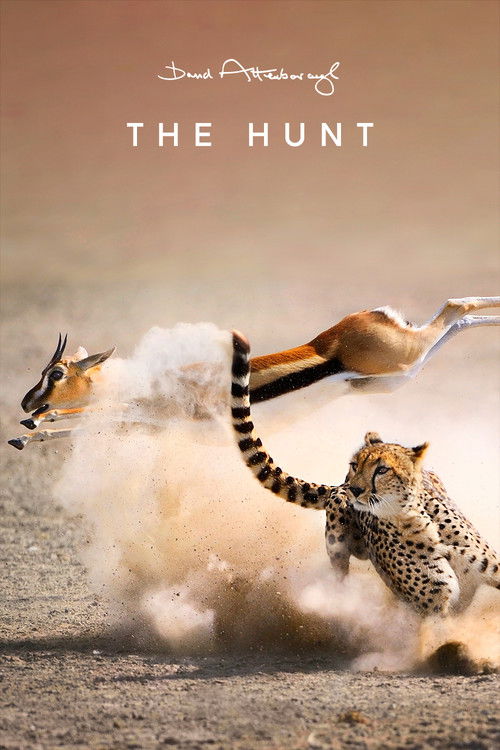 David Attenborough
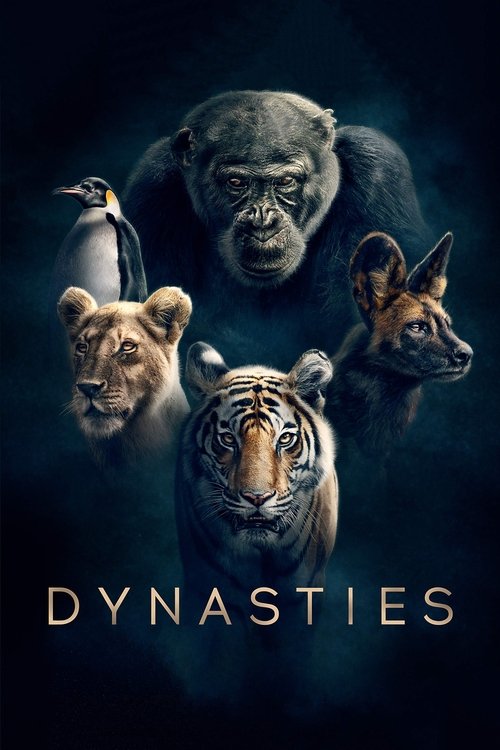 David Attenborough
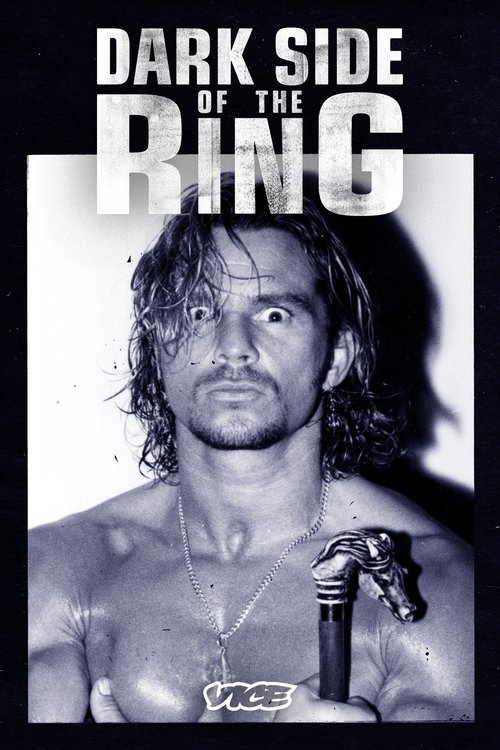
 Paul McCartney
George Harrison
Ringo Starr
John Lennon

 Atsushi Abe
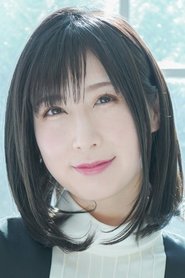 Natsumi Takamori
 Madoka Yonezawa
 Tomoaki Maeno
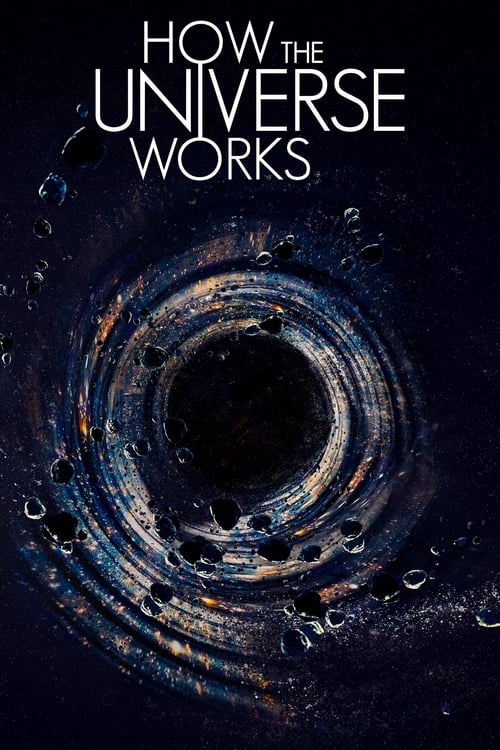
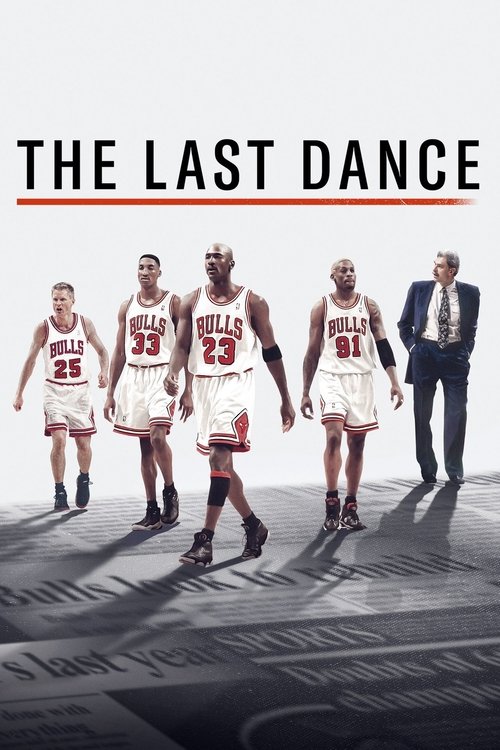
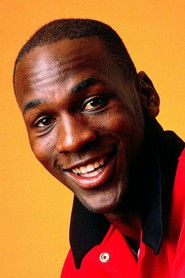 Michael Jordan
 Scottie Pippen
 Dennis Rodman
 Phil Jackson
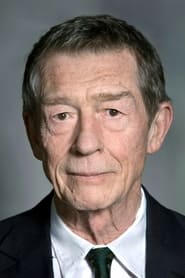 John Hurt

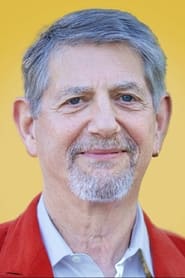 Peter Coyote
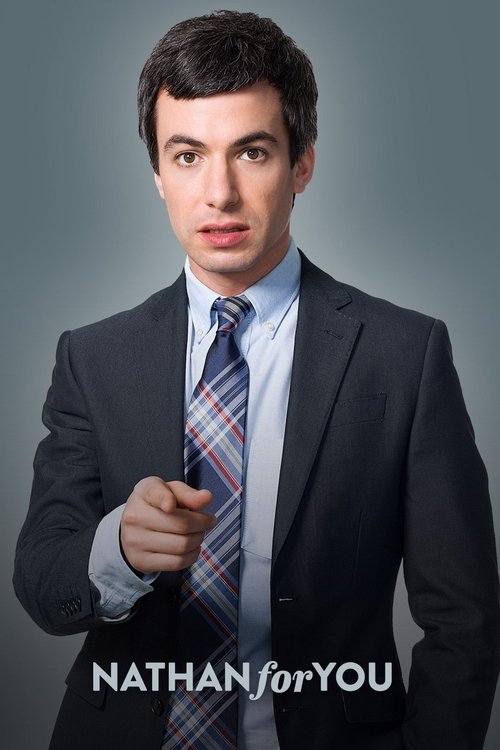
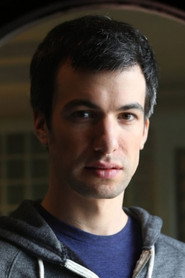 Nathan Fielder

 u00darsula Corberu00f3
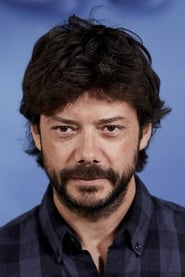 u00c1lvaro Morte
 Itziar Ituu00f1o
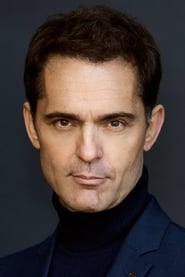 Pedro Alonso

 Rafael Banasik

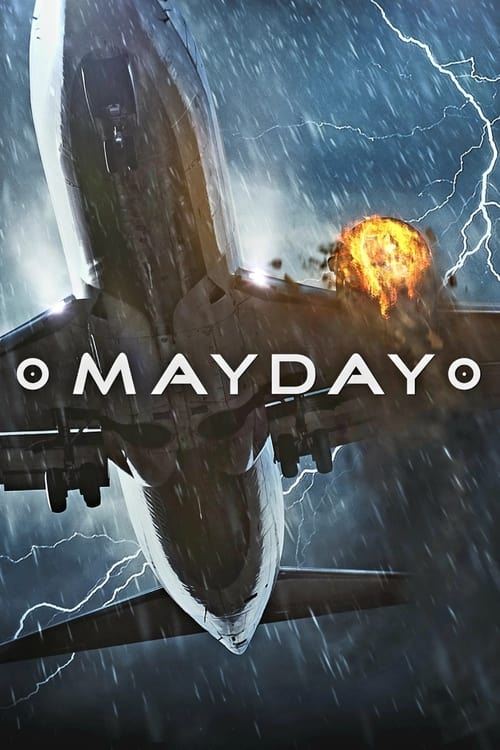
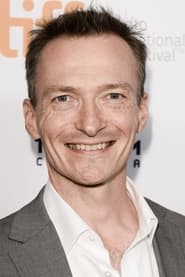 Stephen Bogaert
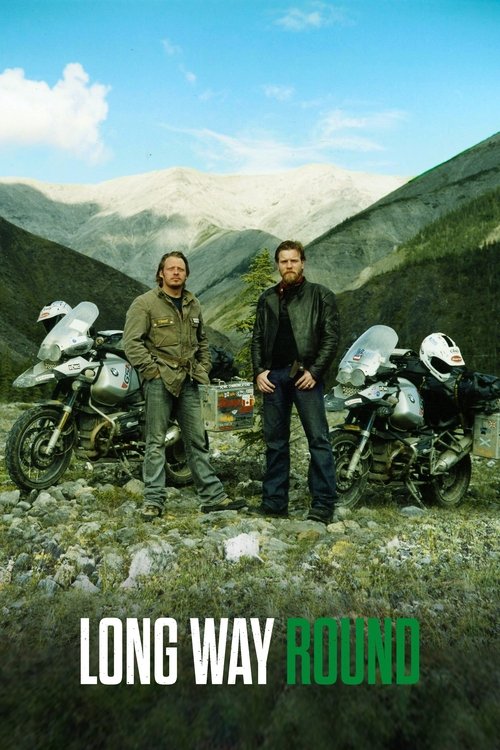
 Ewan McGregor
 Charley Boorman

 Kenneth Branagh

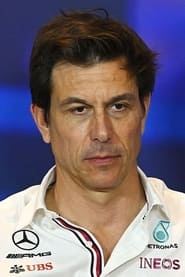 Toto Wolff
 Christian Horner

 Chanidapa Sommitthanakul
 Natchaya Vongbut
 Apisara Lertwisettheerakul
 Onnalin Lilaburanathanakun



 Jitaraphol Potiwihok
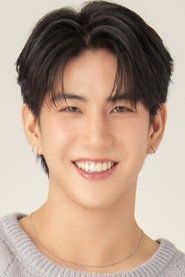 Tawinan Anukoolprasert
 Tipnaree Weerawatnodom
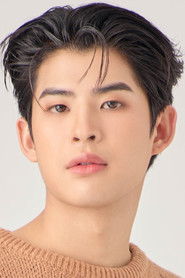 Pakin Kuna-anuwit

 Hana Hishikawa
 Nana Kawaishi
 Rica Fukami
 Ayumu Murase

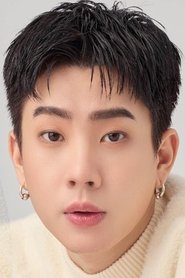 Jumpol Adulkittiporn
 Atthaphan Phunsawat
 Ochiris Suwanacheep
 Trai Nimtawat
 Addison Holley
 Kai Harris
 Rain Janjua



 Wanpichit Nimitparkpoom
 Suppakarn Jirachotikul
 Chatchapon Pranotphong
 Thanaphat Tansakul

 Becky Armstrong
 Sarocha Chankimha
 Asavarid Pinitkanjanapun
 Urassaya Malaiwong

 Naravit Lertratkosum
 Phuwin Tangsakyuen
 Supha Sangaworawong
 Pongsapak Udomphoch

 Ko Chia-Yen
 Greg Hsu
 Patrick Shih
 Kenny Yen

 Thanaphon U-sinsap
 Vachiravit Paisarnkulwong
 Naphat Vikairungroj
 Theerameth Pheerabawornsuk
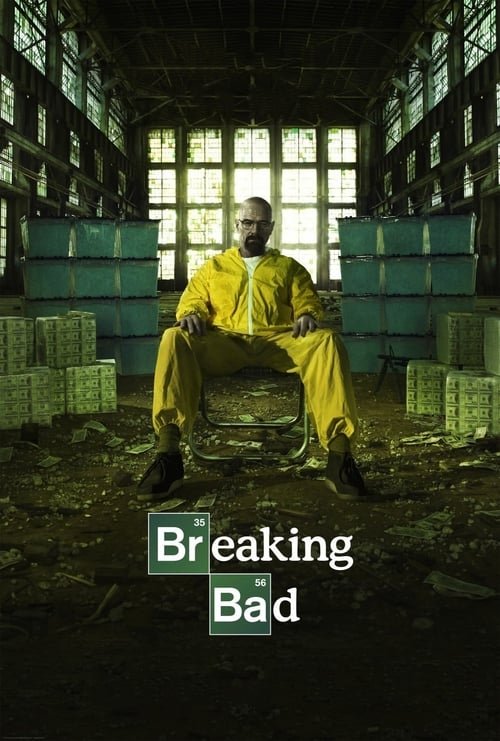
 Bryan Cranston
 Aaron Paul
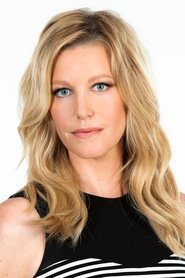 Anna Gunn
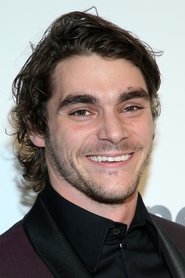 RJ Mitte

 Huang Xiaoming
 Liu Haoran
 Tong Liya
 Zhang Huiwen

 Ella Bright
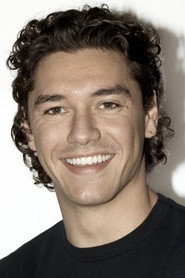 Belmont Cameli
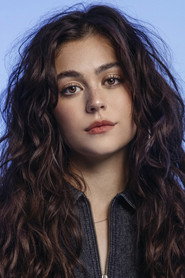 Mika Abdalla
 Stephen Kalyn

 Su Shangqing
 Li Shimeng
 Guo Haoran
 Qiao Shiyu

 Song Zuer
 Liu Yuning
 Xuan Lu
 Liu Duanduan

 Kasidet Plookphol
 Jiratchapong Srisang
 Tanapon Sukumpantanasan
Pongsapak Udomphoch
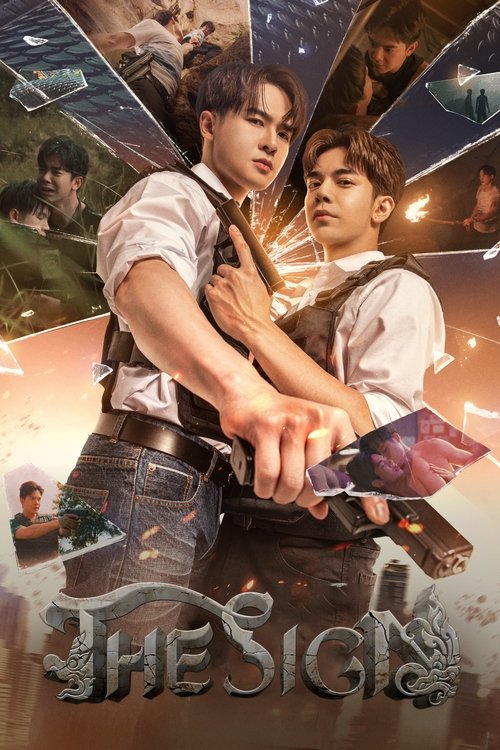
 Patchanon Ounsa-ard
 Tanatat Phanviriyakool
 Jakarin Puribhat
 Phongsakorn Sukiang

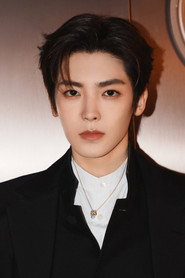 Hou Minghao
 Lu Yuxiao
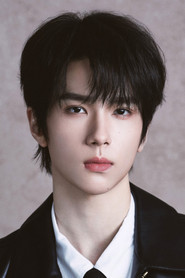 Yu Chengen
 Quan Yilun

 Suvijak Piyanopharoj
 Dechchart Tasilp
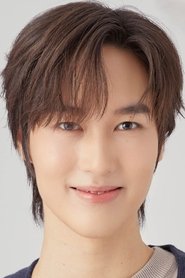 Napat Patcharachavalit
 Peerakan Teawsuwan


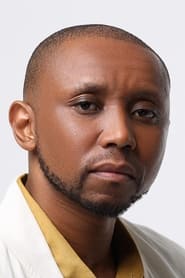 S'Dumo Mtshali
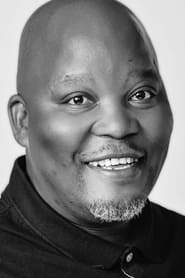 Kenneth Nkosi

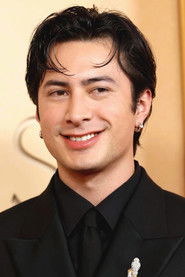 Hudson Williams
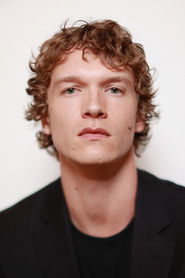 Connor Storrie
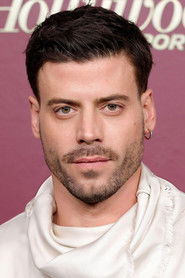 Franu00e7ois Arnaud
 Sahaphap Wongratch
 Pirapat Watthanasetsiri
 Sarunchana Apisamaimongkol
 Krittanai Arsalprakit

 Phakphum Romsaithong
 Nattawin Wattanagitiphat
 Wichapas Sumettikul
 Jakapan Puttha

 Ran Zhao
 u8d75u6615
 u90edu5fb7u6b23

 Sapol Assawamunkong
 Sarin Ronnakiat
 Thinnaphan Tantui
 Nattanon Tongsaeng
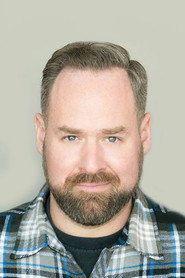 Aaron LaPlante

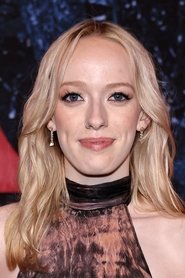 Amybeth McNulty
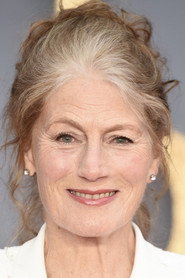 Geraldine James
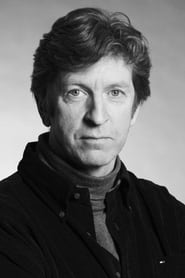 R.H. Thomson
 Lucas Jade Zumann

 Yoona
 Lee Chae-min
 Kang Han-na
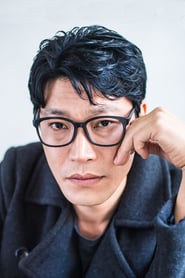 Choi Gwi-hwa
 Phuwin Tangsakyuen
Naravit Lertratkosum
 Poon Mitpakdee
 Thanawin Pholcharoenrat


 Xiao Zhan
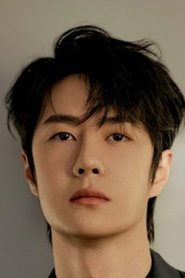 Wang Yibo
 Meng Ziyi
Xuan Lu


 Gong Yoo
 Kim Go-eun
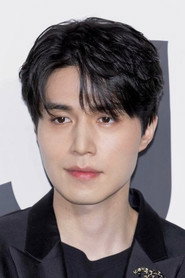 Lee Dong-wook
 Yoo In-na

 Hu Ge
 Ma Yili
 Tang Yan
 Xin Zhilei

 Byeon Woo-seok
 Kim Hye-yoon
 Song Geon-hee
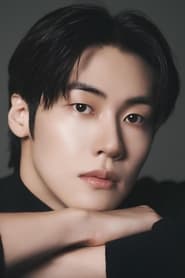 Lee Seung-hyub
 Chaikamon Sermsongwittaya
 Nuttarat Tangwai
 Thitipong Sangngey
 Wasuthorn Chaijindar

 Shin Ha-kyun
 Yeo Jin-goo
 Choi Dae-hoon
 Choi Sung-eun

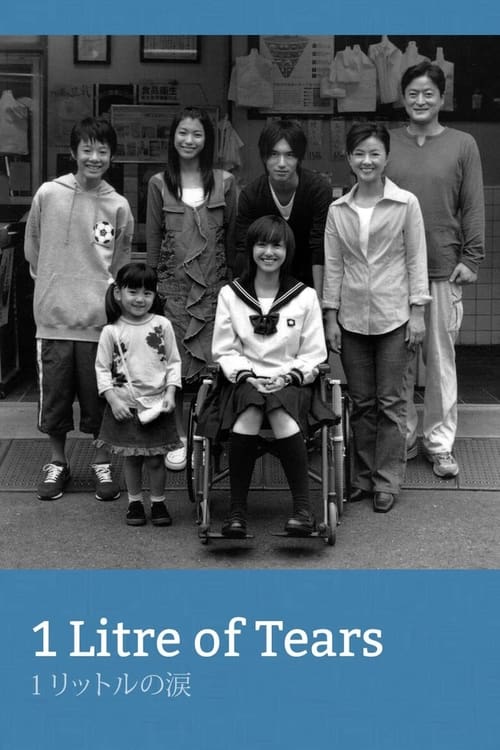
 Erika Sawajiri
 Hiroko Yakushimaru
 Ryo Nishikido
 Riko Narumi
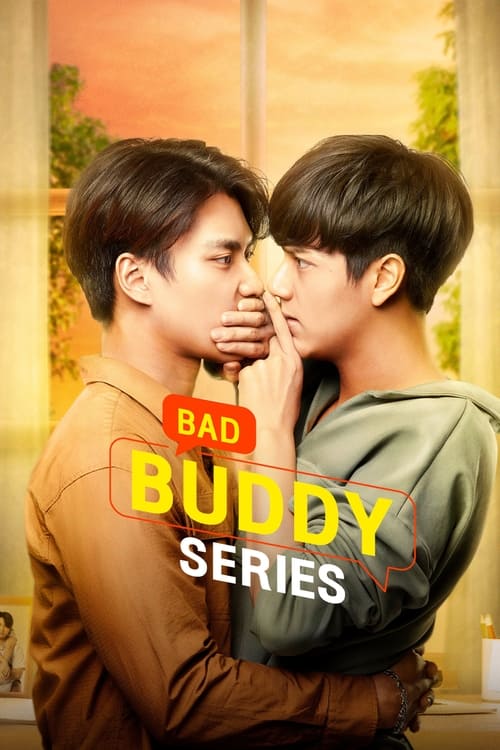
 Korapat Kirdpan
 Pawat Chittsawangdee
 Pattranite Limpatiyakorn
 Pansa Vosbein

 Ju Ji-hoon
 Choo Young-woo
 Ahn Ha-young
 Yoon Kyung-ho

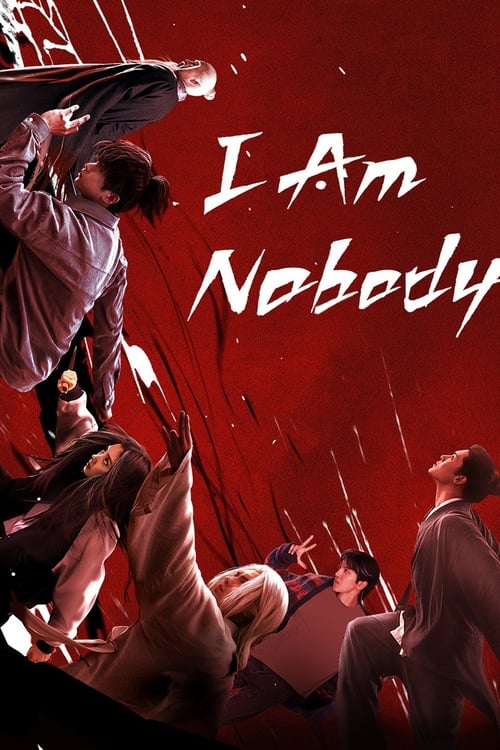
 Peng Yuchang
Hou Minghao
 Wang Yinglu
 Wen Qi
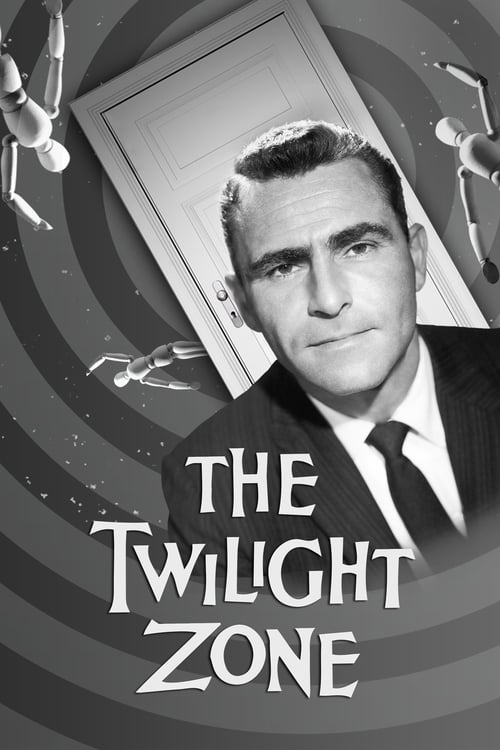
 Rod Serling

 Park Min-young
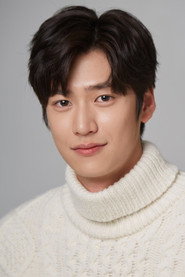 Na In-woo
 Lee Yi-kyung
 Song Ha-yoon

 Ahn Hyo-seop
 Kim Se-jeong
 Kim Min-gue
 Seol In-a
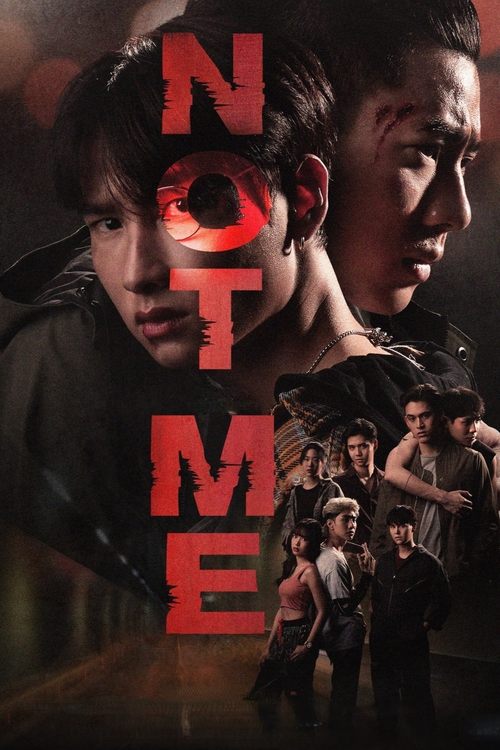 Atthaphan Phunsawat
Jumpol Adulkittiporn
 Kanaphan Puitrakul
 Tanutchai Wijitvongtong
 Su Shangqing
 Qiege Qin
 Meng Ziyi
 Li Yunrui
 Kong Xue'er
 Xia Zhiguang


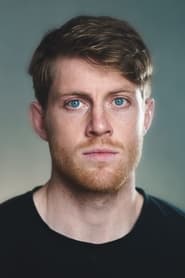 Peter Claffey
 Dexter Sol Ansell

 Kongpob Jirojmontri
 Teetut Chungmanirat
Suppakarn Jirachotikul
 Thanaphum Sestasittikul
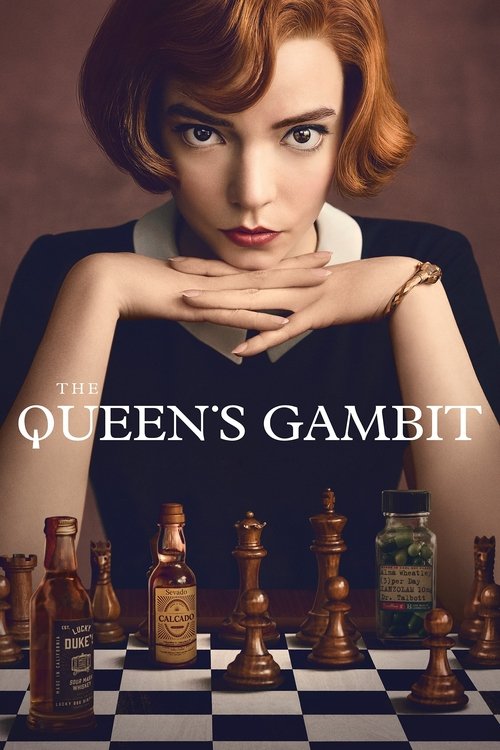
 Anya Taylor-Joy
 Chloe Pirrie

 Seo In-guk
 Park So-dam
 Kim Ji-hoon
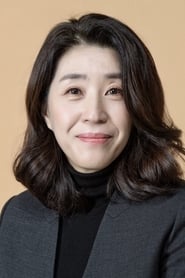 Kim Mi-kyeong



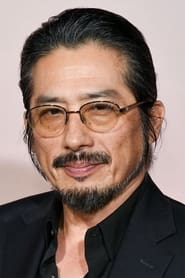 Hiroyuki Sanada
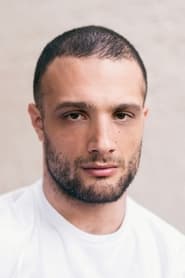 Cosmo Jarvis
 Anna Sawai
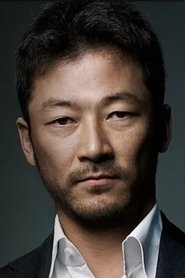 Tadanobu Asano
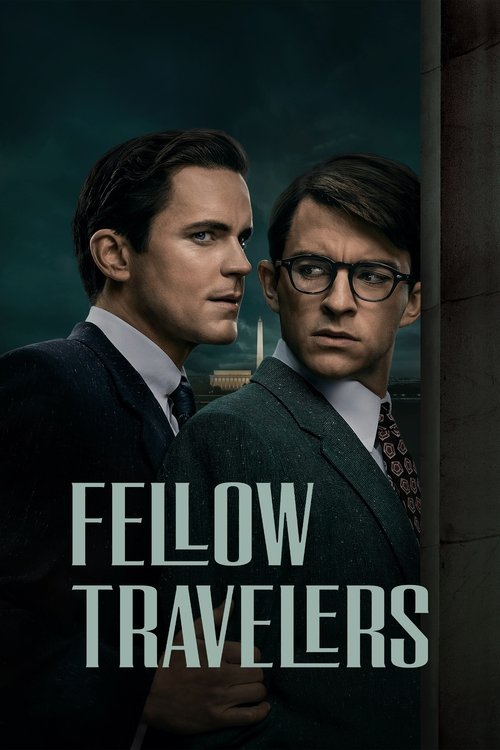
 Matt Bomer
 Jonathan Bailey
 Jelani Alladin
 Linus Roache
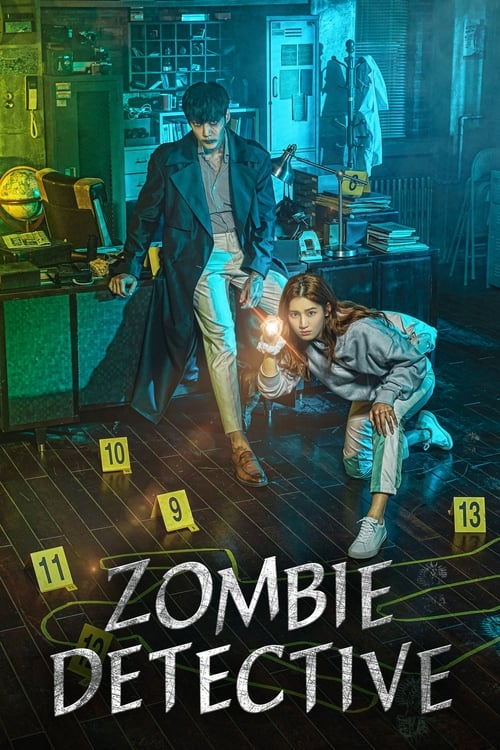
 Choi Jin-hyuk
 Park Ju-hyun
 Hwang Bo-ra
 Kwon Hwa-woon

 Rathavit Kijworalak
 Phiravich Attachitsataporn
Tanapon Sukumpantanasan
 Napat Na Ranong
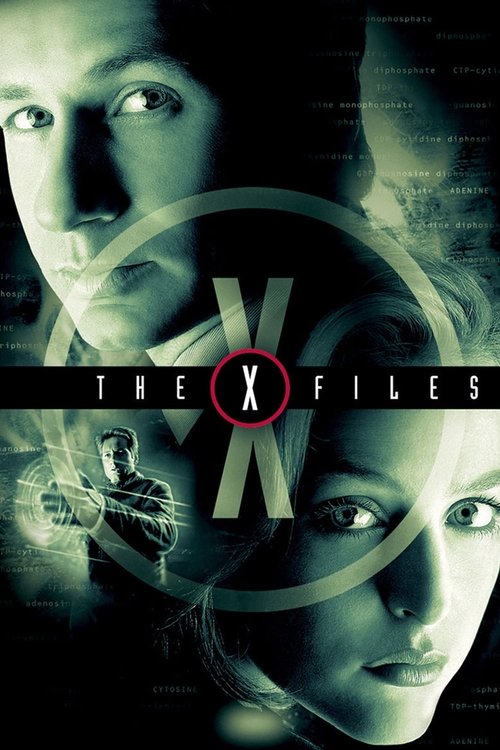
 David Duchovny
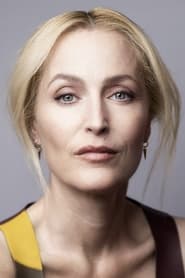 Gillian Anderson
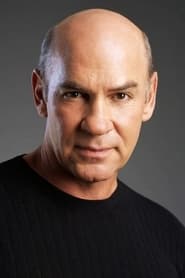 Mitch Pileggi
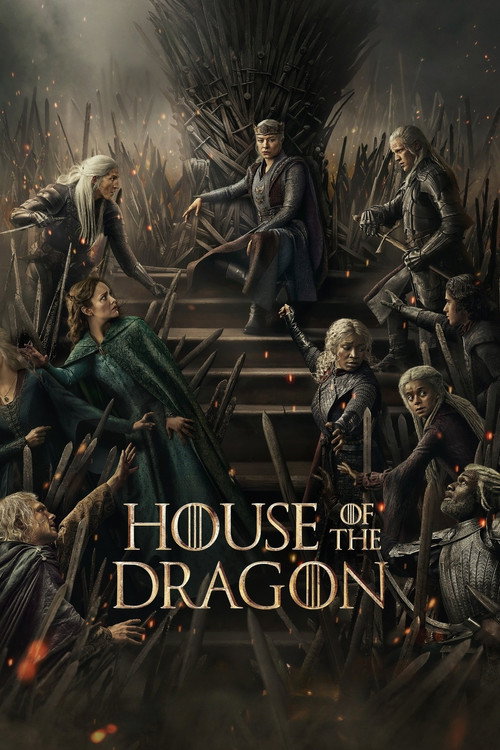
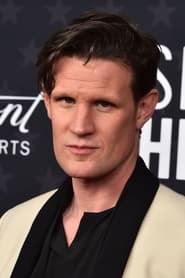 Matt Smith
 Emma D'Arcy
 Olivia Cooke
 James Norton

 Yutaka Koizumi
 Yui Makino
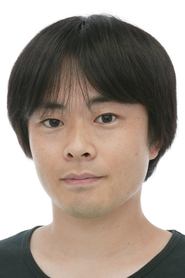 Daisuke Sakaguchi
 Sanae Kobayashi

 Kim Hee-seon
 Rowoon
 Lee Soo-hyuk
 Yun Ji-on

 Zi Yu
 Tian Xuning
 Liu Xuancheng
 Zhan Xuan

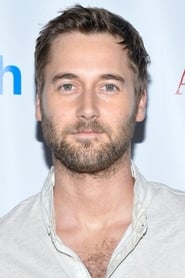 Ryan Eggold
 Janet Montgomery
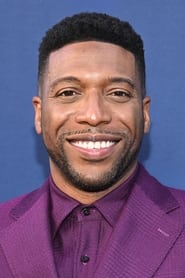 Jocko Sims
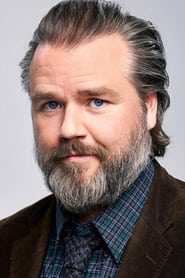 Tyler Labine

 Sarah Pidgeon
 Paul Anthony Kelly
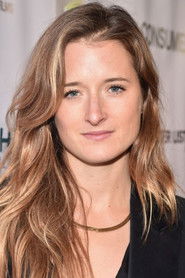 Grace Gummer
 Lee Dong-wook
Yoo In-na
 Lee Sang-woo
 Son Sung-yoon

 Siriwalee Siriwibool
 Paphavarin Sawasdiwech
 Pantira Ouhirun
 Jirakit Kanjanawaraporn

 Anan Wong
 Wanarat Ratsameerat
 Ratchapat Worrasarn
 Veerinsara Tangkitsuvanich

 Paul Wesley
 Ian Somerhalder
 Kat Graham
 Candice King

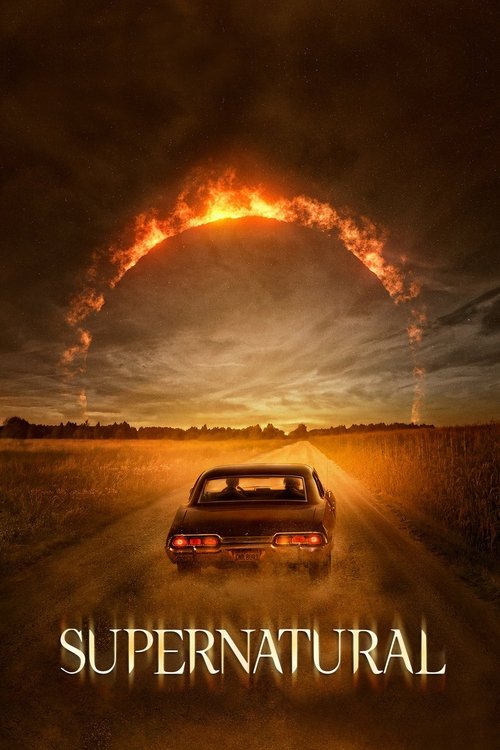
 Jared Padalecki
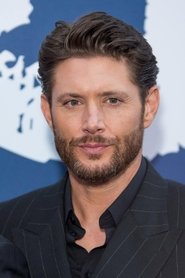 Jensen Ackles
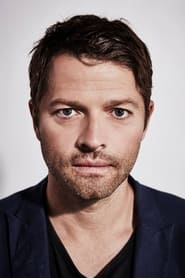 Misha Collins

 Park Seo-jun
Park Min-young
 Lee Tae-hwan
 Pyo Ye-jin
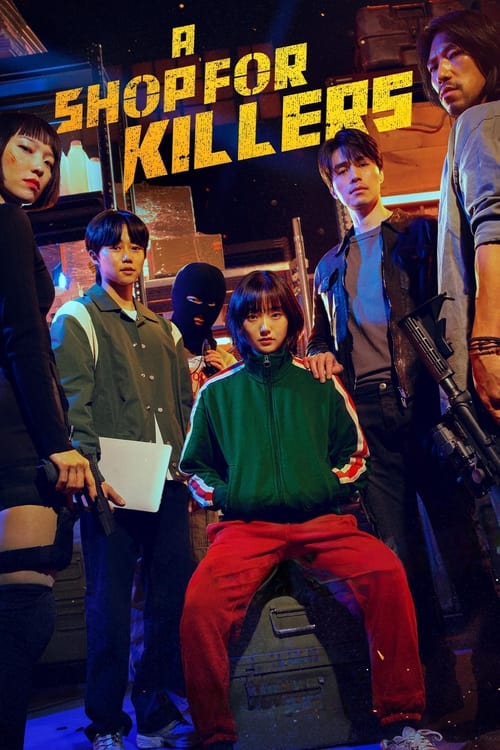 Lee Dong-wook
 Kim Hye-jun
 Geum Hannah
 Min Kim

 Ann Dowd
 Chase Infiniti
 Lucy Halliday
 Rowan Blanchard

 Zhao Qianjing
 Xie Ying
 u5f20u6654
 u8d75u6893u6db5

 Lee Seung-gi
 Suzy
 Shin Sung-rok
 Moon Jeong-hee

 Natouch Siripongthon
 Thitiwat Ritprasert
 Katsamonnat Namwirote
 Noppakao Dechaphatthanakun
 Park Ji-hu
 Yoon Chan-young
 Cho Yi-hyun
 Lomon
 Pansa Vosbein
Pattranite Limpatiyakorn
 Benyapa Jeenprasom
 Wanwimol Jaenasavamethee
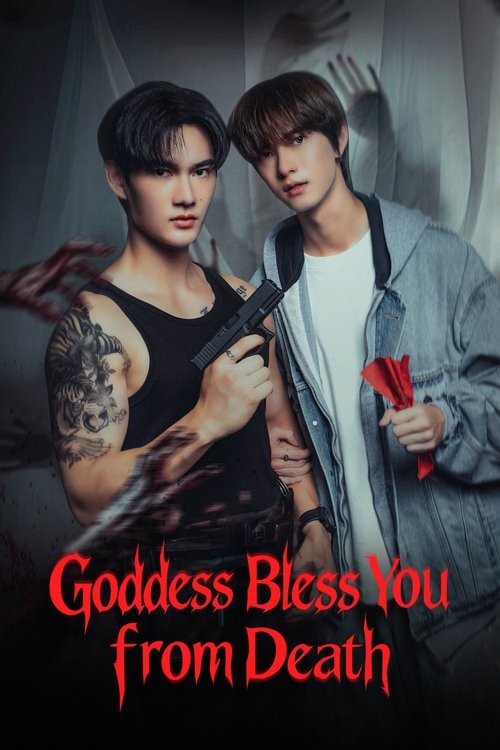
 Krittin Kitjaruwannakul
 Naret Promphaopun
 Kiettisak Vatanavitsakul
 Supakorn Saokhor
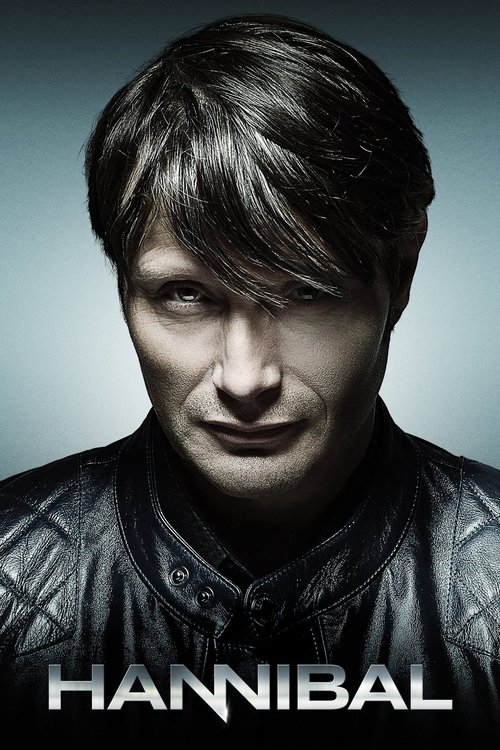
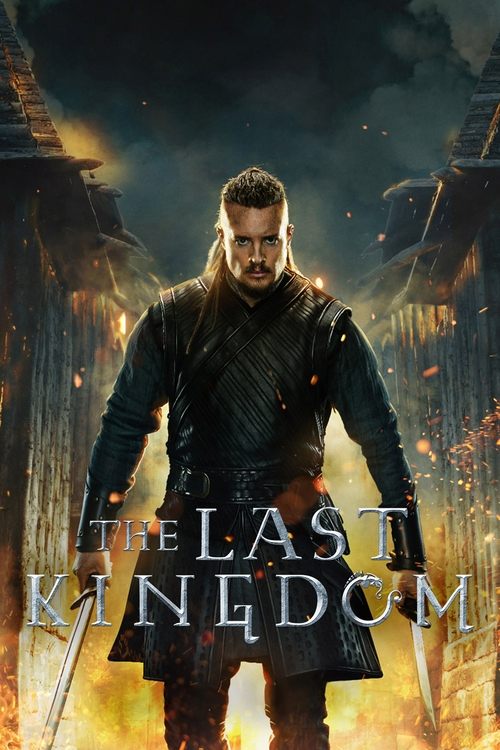
 Alexander Dreymon
 Eliza Butterworth
 Mark Rowley
 Ruby Hartley

 Chawarin Perdpiriyawong
 Pruk Panich
 Thanakrit Chiamchunya
 Karn Kritsanaphan

 Azul Guaita
 Andres Baida
 Irene Azuela
 Ana Valeria Becerril

 Luo Yunxi
 Bai Lu
 Chen Duling
 Deng Wei
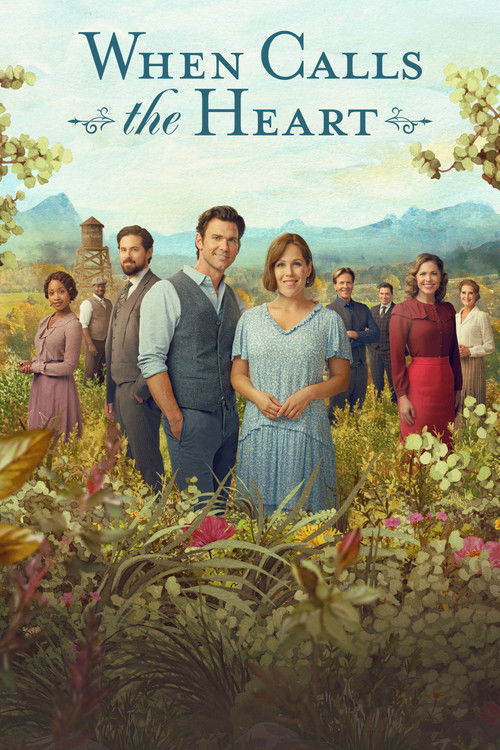
 Erin Krakow
 Pascale Hutton
 Jack Wagner
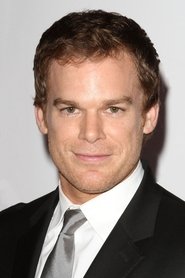 Michael C. Hall
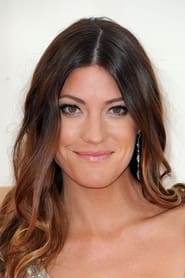 Jennifer Carpenter
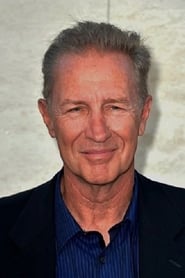 Geoff Pierson
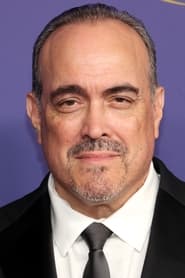 David Zayas

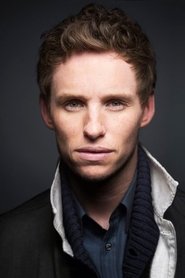 Eddie Redmayne
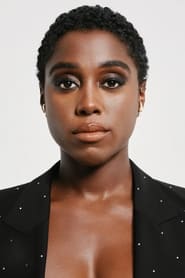 Lashana Lynch
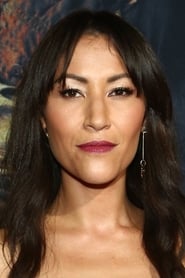 Eleanor Matsuura
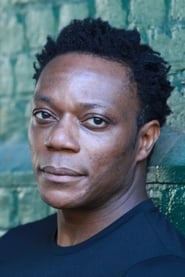 Chukwudi Iwuji
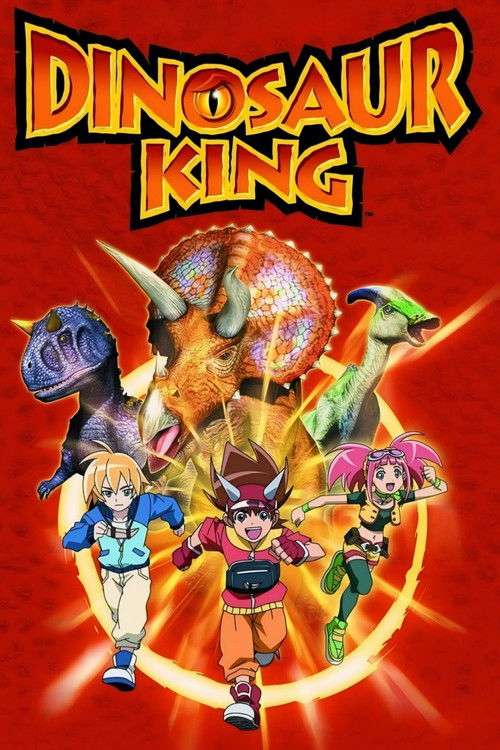

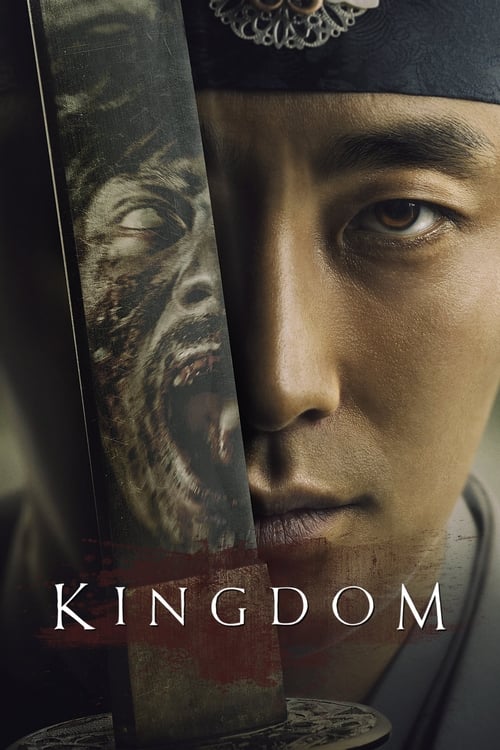 Ju Ji-hoon
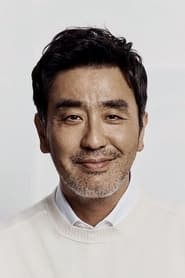 Ryu Seung-ryong
 Bae Doona
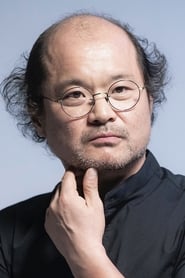 Kim Sang-ho
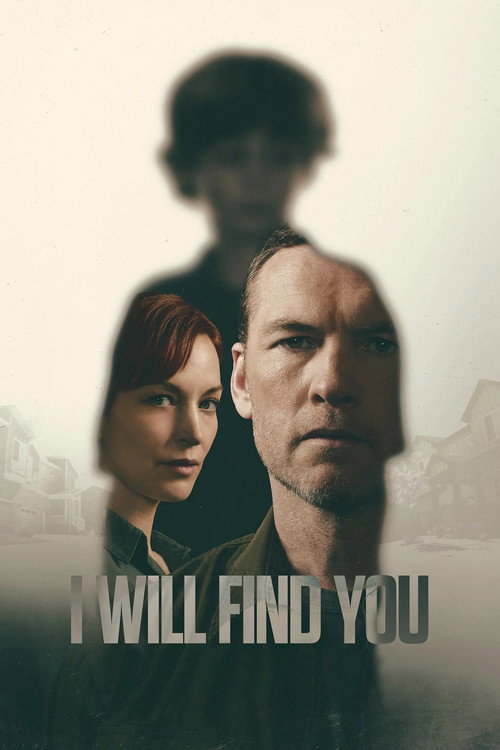
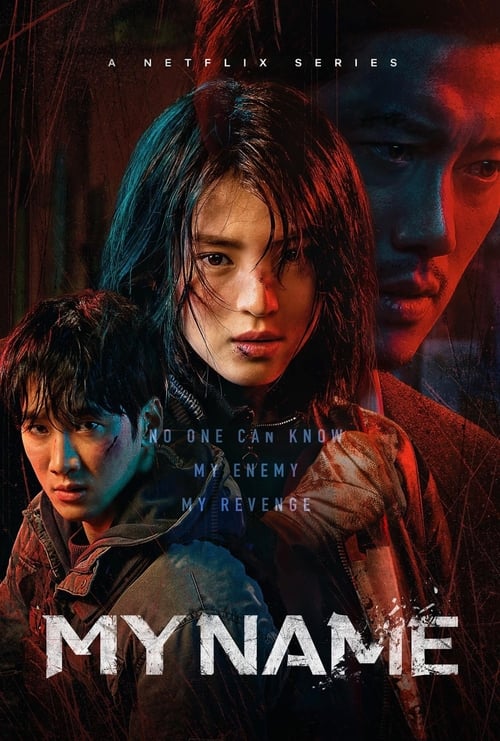
 Han So-hee
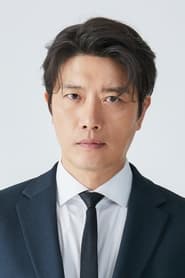 Park Hee-soon
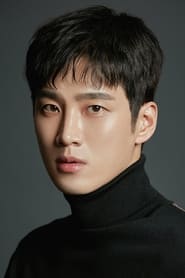 Ahn Bo-hyun
Kim Sang-ho