
Show Adult Titles
Show Adult Posters & Images
4 titles with this tag
From apocalyptic landscapes to human resilience in the face of climate chaos, environmental catastrophe movies and TV shows serve as both a warning and a mirror. These gripping narratives explore the consequences of ecological collapse, urging audiences to reflect on our planet’s fragile future. Whether through dystopian thrillers or grounded sci-fi, these stories challenge us to reconsider our relationship with nature. Dive into this curated list of must-watch films and series that blend entertainment with urgent environmental themes—perfect for eco-conscious viewers and thrill-seekers alike.
 Ed Asner
 Pat Benatar
 Johnny Carson
 Dick Cavett
 Sylvia Earle
 Richard O'Barry
 Paul de Gelder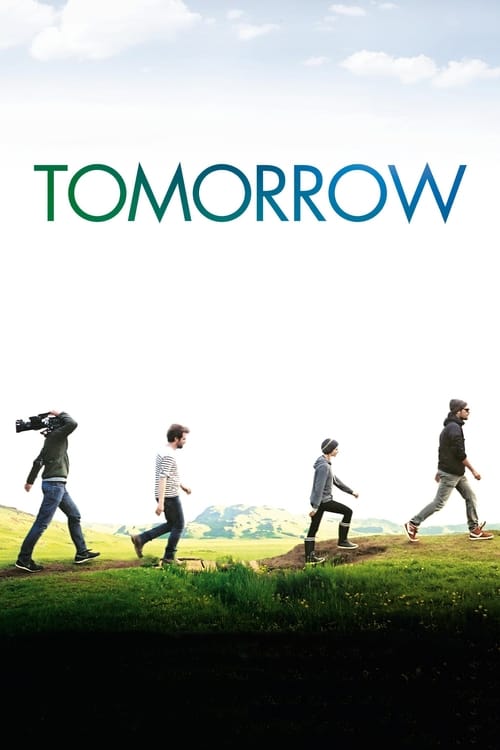
 Cyril Dion
 Mu00e9lanie Laurent
 Pierre Rabhi
 Vandana Shiva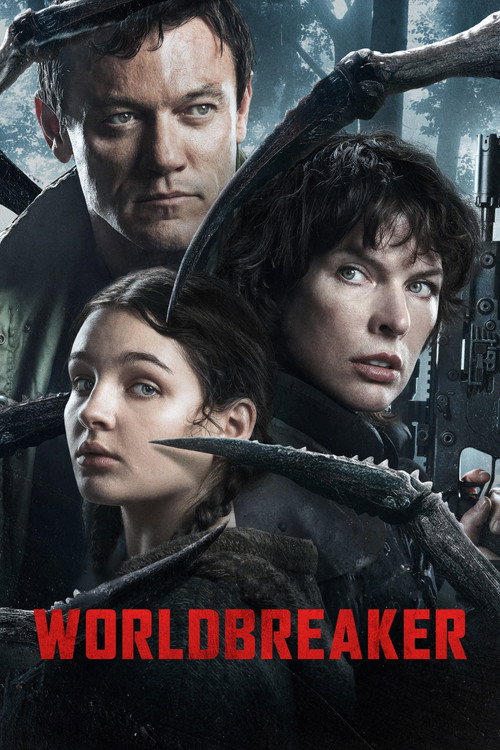
 Billie Boullet
 Luke Evans
 Milla Jovovich
 Mila Harris
Environmental catastrophe narratives aren’t just about entertainment—they’re powerful tools for raising awareness and sparking action. These stories translate complex scientific warnings into gripping, relatable experiences, making climate change feel immediate rather than abstract. By immersing audiences in potential futures, they highlight the fragility of ecosystems and the consequences of human inaction. For filmmakers, these themes offer endless creative possibilities, blending drama, suspense, and hope. For viewers, they serve as both a call to action and a source of inspiration to protect our planet.
When it comes to cinematic depictions of environmental collapse, a few titles stand out for their raw intensity and thought-provoking storytelling. These films don’t just scare—they challenge us to think critically about our choices and their long-term impact.
Television has also embraced environmental catastrophe themes, offering longer-form storytelling that delves deeper into societal and ecological breakdowns. These series provide nuanced perspectives on survival, ethics, and humanity’s role in nature’s unraveling.
Not all environmental catastrophe stories are created equal—some focus on action, others on introspection. To find the right fit, consider your preferred tone: do you want adrenaline-pumping thrills, or are you drawn to character-driven dramas? Here’s a quick guide to help you decide:
Some stories lean into realism, using scientifically plausible scenarios to drive their plots. Others embrace pure speculation, crafting fantastical worlds where environmental collapse is a backdrop for deeper themes. Here’s how they differ:
Whether you’re a climate activist, a sci-fi enthusiast, or simply a curious viewer, these stories offer something for everyone. By exploring environmental catastrophe narratives, you’re not just indulging in entertainment—you’re engaging with the most pressing issues of our time. Start with one of these titles, and prepare to see the world—and your role in it—differently.