
Show Adult Titles
Show Adult Posters & Images
1 titles with this tag
Explore the golden age of cinema through timeless films and groundbreaking TV shows that shaped early filmmaking. From silent classics to the first talkies, this curated collection celebrates the pioneers who defined storytelling on screen. Whether you're a cinephile or a casual viewer, rediscover the magic of early cinema with our expertly selected titles that blend nostalgia with cinematic brilliance.
 Georges Mu00e9liu00e8s
 Bleuette Bernon
 Jehanne d'Alcy
Early cinema, spanning from the late 1800s to the 1930s, laid the foundation for modern filmmaking. Its raw creativity, innovative techniques, and cultural impact continue to inspire filmmakers and audiences alike. Unlike today’s high-tech blockbusters, these works relied on storytelling, visual artistry, and emotional depth to captivate viewers. Directors like Georges Méliès and D.W. Griffith pushed boundaries with special effects, narrative structure, and cinematography, setting the stage for future generations. Even without color or sound, these films evoke powerful emotions, proving that great storytelling transcends technology.
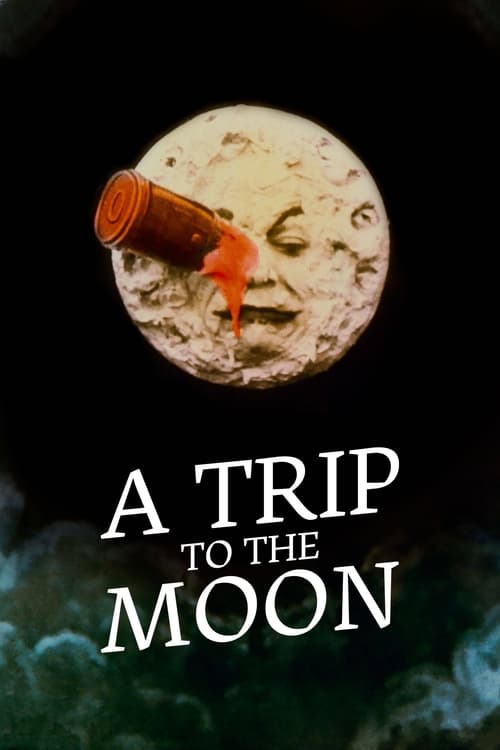
Silent films, though devoid of spoken dialogue, communicated through expressive performances, intricate sets, and intertitles. Pioneers like Georges Méliès introduced fantastical elements with Le Voyage dans la Lune (1902), while D.W. Griffith revolutionized narrative techniques in The Birth of a Nation (1915). These films were often accompanied by live music, adding another layer of immersion. Silent cinema also gave rise to iconic stars such as Charlie Chaplin, whose The Tramp persona remains synonymous with early comedy. The genre’s influence persists in modern visual storytelling, from music videos to experimental films.
The late 1920s marked a seismic shift with the introduction of synchronized sound, forever altering the film industry. The Jazz Singer (1927) became the first feature-length talkie, blending spoken dialogue with musical performances. This innovation opened new avenues for character development and realism but also posed challenges for silent film stars who struggled to adapt. Studios like Warner Bros. and Disney quickly embraced the technology, producing classics such as Snow White and the Seven Dwarfs (1937), the first full-length animated feature. Early talkies also reflected societal changes, with films like I Am a Fugitive from a Chain Gang (1932) tackling social issues in ways previously unimaginable.
While film evolved rapidly, early television in the 1930s–40s was still in its infancy, often broadcasting live performances and limited programming. Shows like The Ed Sullivan Show (1948) became cultural touchstones, introducing families to music, comedy, and drama. Meanwhile, anthology series such as The Twilight Zone (1959) blended sci-fi and horror, proving that TV could deliver sophisticated storytelling. These early programs laid the groundwork for today’s binge-worthy series, emphasizing tight narratives and strong character arcs.
For cinephiles eager to explore early cinema, streaming platforms and archives offer a treasure trove of restored classics. Whether you’re drawn to the visual poetry of silent films or the raw energy of early talkies, these timeless works provide a window into the past while remaining endlessly entertaining. Dive into the golden age of storytelling and experience the birth of modern entertainment.