
Show Adult Titles
Show Adult Posters & Images
1 titles with this tag
The Czech New Wave, a cinematic movement that flourished in the 1960s, revolutionized storytelling with its bold visuals, sharp satire, and humanistic themes. Departing from the constraints of socialist realism, directors like Miloš Forman and Věra Chytilová crafted films that blended absurdism, surrealism, and poignant social commentary. Whether you're a cinephile or a casual viewer, this era offers timeless classics and underrated gems that resonate with modern audiences. Dive into this curated list to discover the best movies and TV shows that define the Czech New Wave.
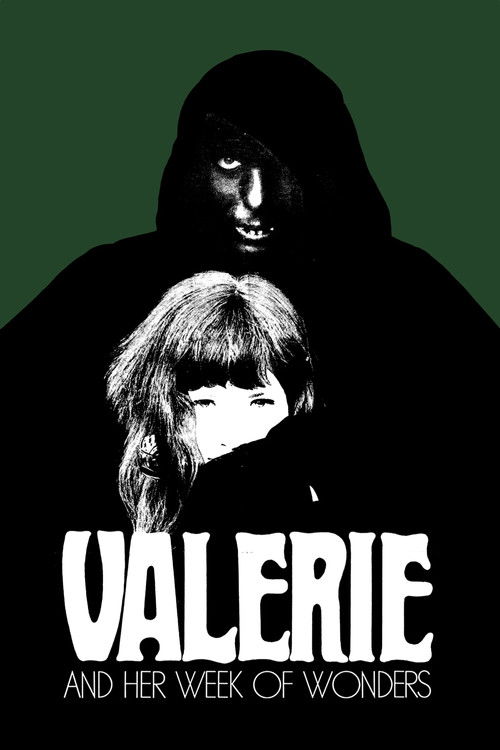
 Jaroslava Schallerovu00e1
 Helena Anu00fdu017eovu00e1
The Czech New Wave wasn’t just a film movement—it was a cultural rebellion. Emerging in the early 1960s, it coincided with the Prague Spring, a brief period of political liberalization that fostered artistic freedom. Unlike the heavily censored cinema of the previous decade, the New Wave embraced experimentation, blending documentary realism with surrealist flourishes. Directors like Miloš Forman (*Black Peter*, *The Firemen’s Ball*) and Věra Chytilová (*Daisies*) used humor, irony, and stark imagery to critique authority while celebrating individuality. The movement’s influence extends globally, inspiring directors from the French New Wave to contemporary auteurs like Wes Anderson, who has cited its stylistic playfulness as a key inspiration.
To truly grasp the essence of the Czech New Wave, start with these essential titles. Each film offers a unique perspective on life under socialism, often with a darkly comedic edge:
Accessing these films has never been easier, thanks to streaming platforms, Criterion Channel, and specialized archives. Here’s where to find them:
Beyond films, the Czech New Wave’s spirit lives on in contemporary Czech cinema. Directors like Jan Hřebejk (*Divided We Fall*) and Ondřej Trojan (*Kolya*) carry the torch with socially conscious storytelling. Even Hollywood has borrowed from its playbook—*The Firemen’s Ball*’s chaotic finale inspired scenes in *Dr. Strangelove*, and Wes Anderson’s symmetrical framing owes a debt to Chytilová’s visual inventiveness.
Whether you’re drawn to the movement’s political subtext or its innovative techniques, the Czech New Wave offers a cinematic experience unlike any other. Start with *Daisies* for a surreal kick, then move to *Closely Watched Trains* for heartfelt realism. The films may be decades old, but their themes of resistance, identity, and absurdity feel urgently relevant today. Don’t just watch them—let them challenge you.