Show Adult Titles
Show Adult Posters & Images
106 titles with this tag
Explore the most gripping films and TV series that honor the courage of anti-Nazi resistance fighters during World War II. These powerful narratives bring to life real-life heroes, dramatic uprisings, and covert operations that defied tyranny. From cinematic masterpieces to compelling documentaries, these stories serve as both tribute and warning—reminding us of the strength of human spirit in the face of oppression. Dive into stories of bravery, sacrifice, and resilience that shaped history and continue to inspire global audiences today.

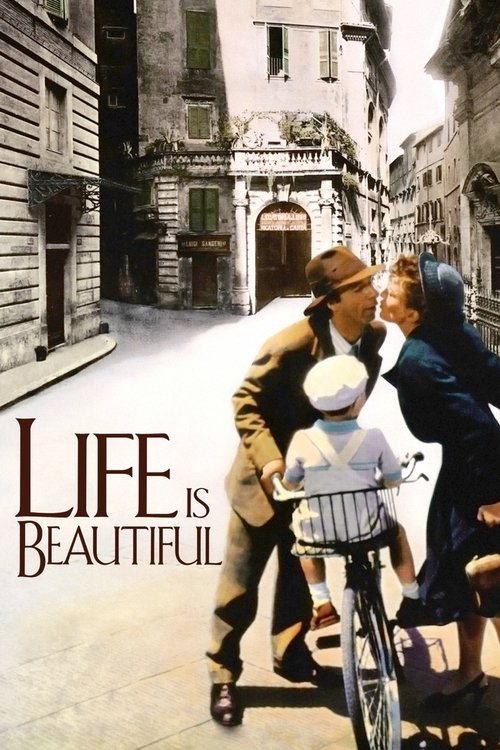
 Roberto Benigni
 Nicoletta Braschi
 Giorgio Cantarini
 Giustino Durano
 Adrien Brody
 Thomas Kretschmann
 Frank Finlay
 Maureen Lipman
 Michel Bouquet
 Reinhard Heydrich
 Heinrich Himmler
 Adolf Hitler
 Aleksei Kravchenko
 Olga Mironova
 Liubomiras Lauceviu010dius
 Vladas Bagdonas
 Volker Bruch
 Tom Schilling
 Katharina Schu00fcttler
 Ludwig Trepte
 Humphrey Bogart
 Ingrid Bergman
 Paul Henreid
 Claude Rains
 Jonah Hauer-King
 Anna Pru00f3chniak
 Jonas Nay
 Melanie Lynskey
 Aldo Fabrizi
 Marcello Pagliero
 Harry Feist
 Anna Magnani
 Franu00e7ois Leterrier
 Charles Le Clainche
 Maurice Beerblock
 Roland Monod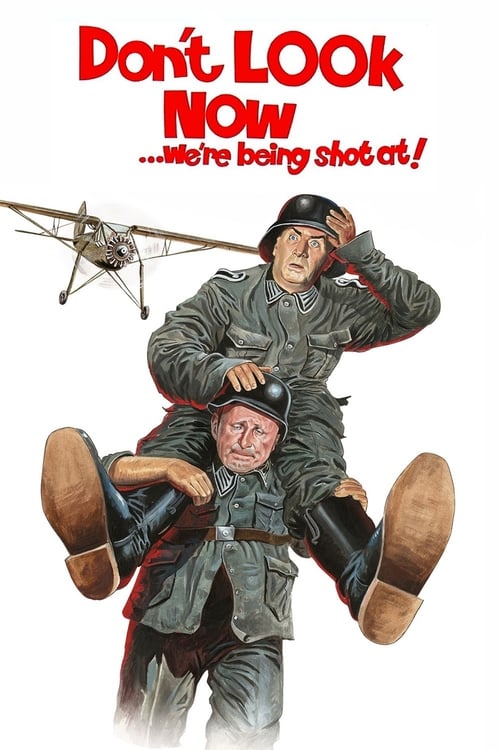
 Bourvil
 Louis de Funu00e8s
 Terry-Thomas
 Claudio Brook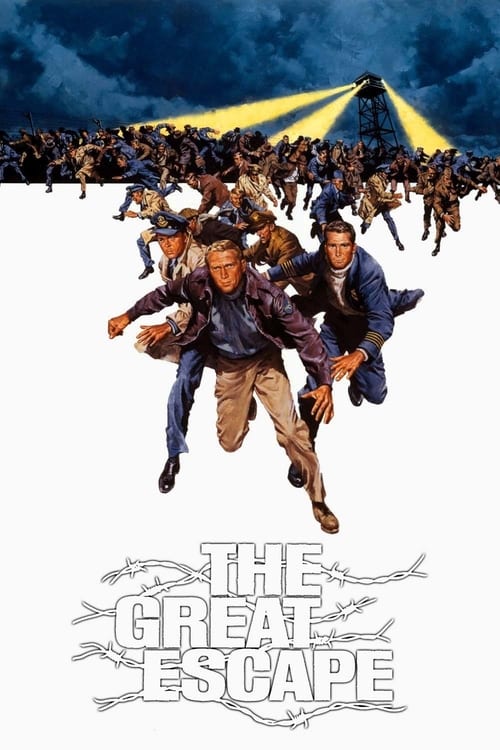
 Steve McQueen
 James Garner
 Richard Attenborough
 James Donald
 Lino Ventura
 Paul Meurisse
 Jean-Pierre Cassel
 Simone Signoret
 Amandla Stenberg
 George MacKay
 Abbie Cornish
 Christopher Eccleston
 Bruno Ganz
 Alexandra Maria Lara
 Corinna Harfouch
 Ulrich Matthes
 Harrison Ford
 Sean Connery
 Denholm Elliott
 Alison Doody
The silver screen has long been a powerful medium for retelling the stories of those who fought against Nazi occupation. These films not only entertain but also educate, offering emotional depth and historical accuracy that resonate with viewers worldwide. Whether based on true events or inspired by real figures, these movies capture the courage, ingenuity, and moral clarity of resistance movements across Europe.
One of the most acclaimed films in this genre is “Schindler’s List” (1993), directed by Steven Spielberg. This Academy Award-winning masterpiece follows Oskar Schindler, a German businessman who saved over a thousand Jewish lives during the Holocaust. The film’s stark black-and-white cinematography and haunting storytelling immerse viewers in the horrors of Nazi occupation while celebrating humanity’s capacity for good.
Another standout is “The Pianist” (2002), directed by Roman Polanski. Based on the memoir of Władysław Szpilman, a Jewish pianist in Warsaw, the film depicts his struggle for survival in the face of Nazi brutality. Its raw, unflinching portrayal of war’s devastation makes it a must-watch for understanding personal resistance in impossible circumstances.
Some films blend historical elements with creative storytelling to highlight resistance efforts. “The Resistance Banker” (2018), a Dutch thriller, dramatizes the true story of bankers who funded the Dutch resistance during WWII. Through clever financial strategies, they outmaneuvered Nazi occupiers—a lesser-known but vital chapter of resistance history.
Meanwhile, “Inglourious Basterds” (2009) by Quentin Tarantino offers a fictional yet electrifying take on revenge fantasies against Nazis. While not historically accurate, its alternate-history narrative underscores the desire for justice among oppressed peoples. The film’s sharp dialogue and intense action sequences make it both entertaining and thought-provoking.
Television has also delivered compelling portrayals of resistance fighters, offering longer, serialized narratives that delve deeply into character motivations and political intrigue. These series combine historical context with dramatic storytelling, making complex historical events accessible and emotionally engaging.
A standout in this category is The World at War (1973), a landmark British documentary series narrated by Laurence Olivier. While not exclusively focused on resistance, episodes such as “Resistance” and “Genocide” provide in-depth examinations of civilian uprisings in occupied territories. Archival footage and expert commentary ground the series in authenticity.
Another excellent choice is “The Nazis: A Warning from History” (1997), produced by the BBC. This documentary series explores how ordinary people became complicit or resisted the Nazi regime. Episode 5, “Resistance,” details the efforts of groups like the White Rose in Germany and the French Resistance, offering critical insights into moral choices during wartime.
For a fictional yet deeply researched perspective, “World on Fire” (2019–present) is a gripping BBC drama that follows multiple characters across Europe as they confront Nazi occupation. With a focus on Poland, Britain, and France, the series highlights the interconnected struggles of ordinary people thrust into extraordinary circumstances. Its emotional depth and historical attention to detail make it a standout.
Whether through film or television, stories of anti-Nazi resistance continue to captivate audiences by showcasing the triumph of courage over oppression. These narratives not only preserve history but also remind us of the ongoing struggle for freedom and dignity in the face of tyranny.