Show Adult Titles
Show Adult Posters & Images

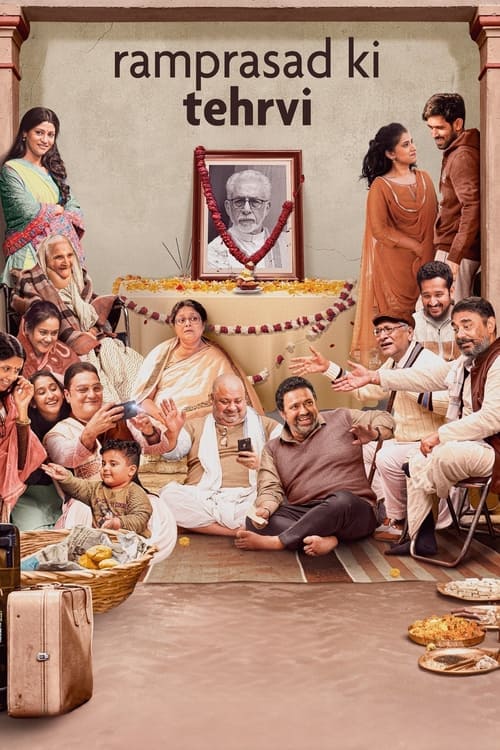
Ramprasad's entire family gathers under one roof for 13 days after his death, to perform and observe the Hindu traditions and rituals called the tehrvi. During the course, the family’s dynamics, politics, and insecurities come out, and then they realise that the importance of people and things are only evident in retrospect.
 Apple TV Store
 Google Play Movies
 YouTube
Apple TV Store
Google Play Movies
YouTube









This section contains spoilers
The full plot reveals key story details including the ending.



 Li Sitong
 Wang Yantong
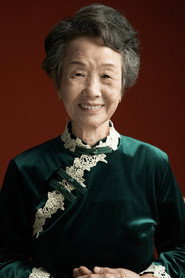 Wu Shaoqing
 Zheng Runqi

 Chris Diamantopoulos
 Kaitlyn Robrock
 Tony Anselmo
 Bill Farmer

 Maulana Rafi
 Muhammad Fadillah
 Siti Nur Mayang
 Raisha Sabrina


 Luisa Adreena
 Freya Mikhayla

 Kim Molina
 Jerald Napoles
 Al Tantay
 Althea Ruedas

 Song Kang-ho
 Lee Sun-kyun
 Cho Yeo-jeong
 Choi Woo-shik


 Roberto Benigni
 Nicoletta Braschi
 Giorgio Cantarini
 Giustino Durano

 Scarlett Diamond
 Vincent Vargas
 Adam Hightower
 Shawn Stevens

 Benny Emmanuel
 Emilio Treviu00f1o
 Jorge Rafael
 Maytu00e9 Cordero

 Jung Jinyoung
 DAHYUN
 Demian
 Lee Min-goo
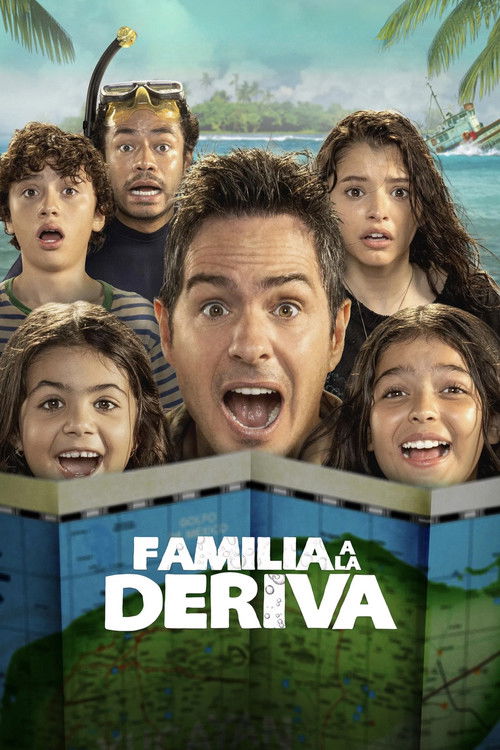
 Mauricio Ochmann
 Memo Villegas
 Iru00e1n Castillo
 Farah Justiniani

 Gippy Grewal
 Mahie Gill
 Gurpreet Ghuggi
 Binnu Dhillon

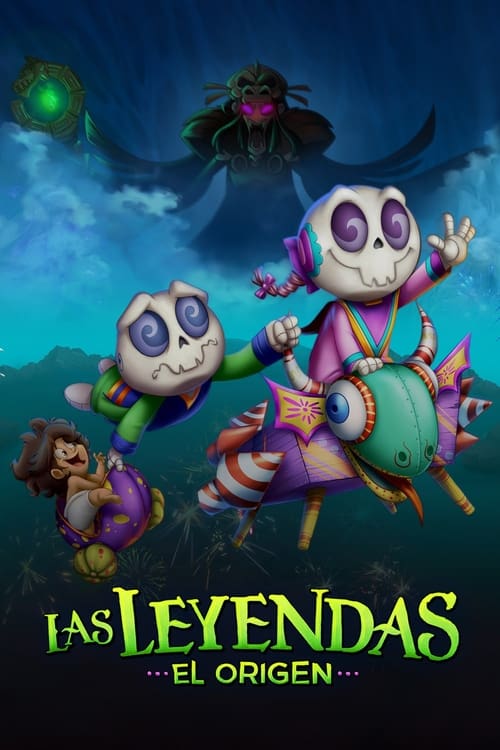
 Paola Ramones
 Emiliano Ugarte
 Liliana Barba Meinecke
 Daniela Ibu00e1u00f1ez

 Franu00e7ois Cluzet
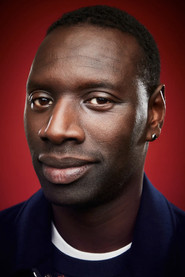 Omar Sy
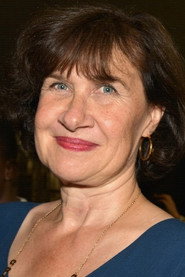 Anne Le Ny
 Audrey Fleurot

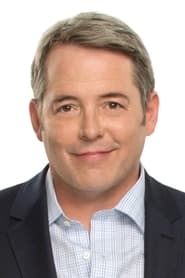 Matthew Broderick
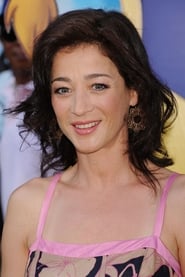 Moira Kelly
 Jeremy Irons
 Nathan Lane

 Shin Eun-soo
 Gong Myoung
 Cha Woo-min
 Youn Sang-hyun

 Shun Shioya
 Nao Nagasawa
 Kohei Yamamoto
 Kouhei Higuchi


 Vittorio Gassman
 Jean-Louis Trintignant
 Catherine Spaak
 Claudio Gora


 Antonio Banderas
 Salma Hayek Pinault
 Harvey Guillu00e9n
 Wagner Moura

 Aoi Miyazaki
 Takao Osawa
 Haru Kuroki
 Yukito Nishii
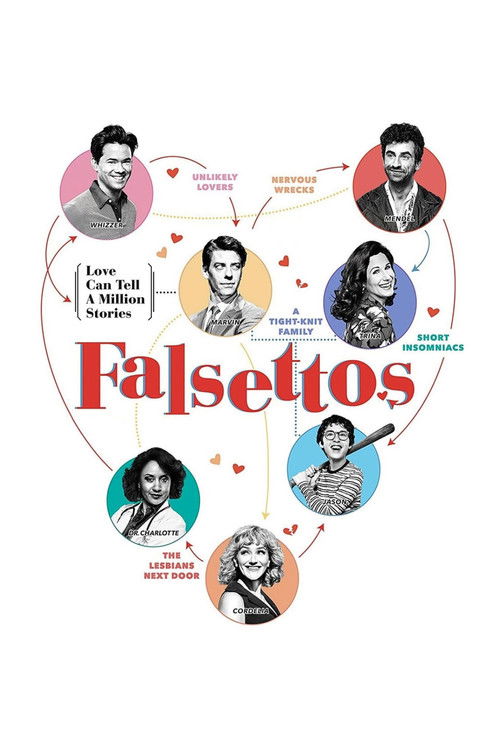
 Christian Borle
 Stephanie J. Block
 Andrew Rannells
 Brandon Uranowitz

 Jack Lemmon
 Shirley MacLaine
 Fred MacMurray
 Ray Walston

 Aspen Kennedy Wilson
 Priscilla C. Shirer
 Cameron Arnett
 Karen Abercrombie
 Jim Carrey
 Laura Linney
 Noah Emmerich
 Natascha McElhone
 Arvind Swamy
 Karthi
 Rajkiran
 Jayaprakash
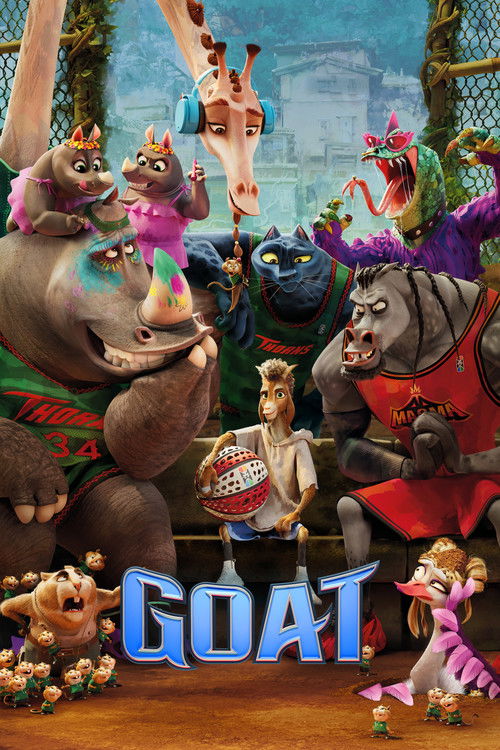
 Caleb McLaughlin
 Gabrielle Union
 Stephen Curry
 Aaron Pierre

 Jacob Tremblay
 Julia Roberts
 Owen Wilson
 Izabela Vidovic

 Jamie Foxx
 Tina Fey
 Graham Norton
 Rachel House
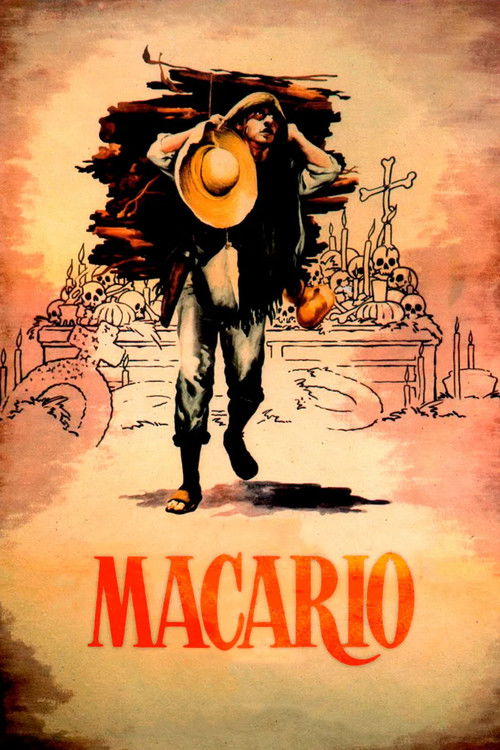
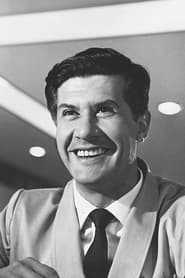 Ignacio Lu00f3pez Tarso
 Pina Pellicer
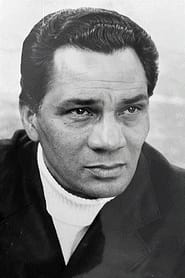 Enrique Lucero
 Mario Alberto Rodru00edguez


 Anne Dorval
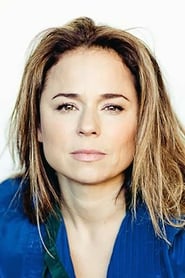 Suzanne Clu00e9ment
 Antoine Olivier Pilon
 Patrick Huard

 Kyu014dsuke Machida
 Tomisaburu014d Wakayama
 Sumiko Fuji
 Shingo Yamashiro

 Kylie Cantrall
 Malia Baker
 Liamani Segura
 Rita Ora
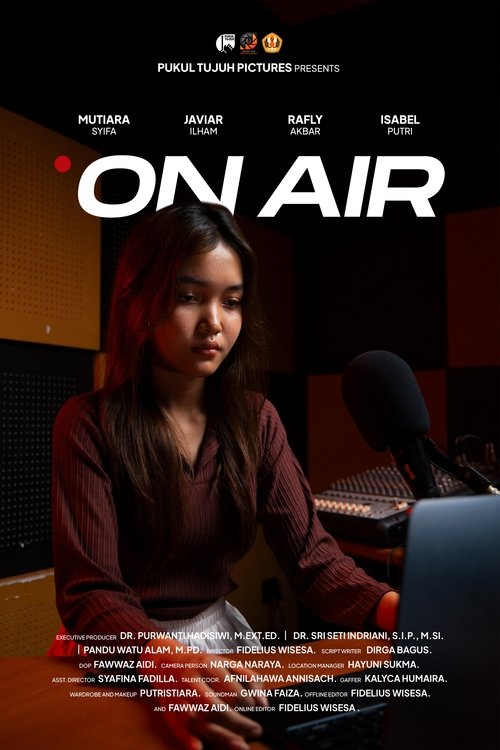
 Javiar Ilham

 Cemre Paksoy
 Bruce McKenzie
 Elu00e9onore Hendricks
 Colleen Rose Trundy

 Katsuhiro Suzuki
 Ryoma Baba
 Arisa Komiya
 Hiroya Matsumoto

 Teruaki Ogawa
 Satomi Hirose
 Hiroshi Tsuchida
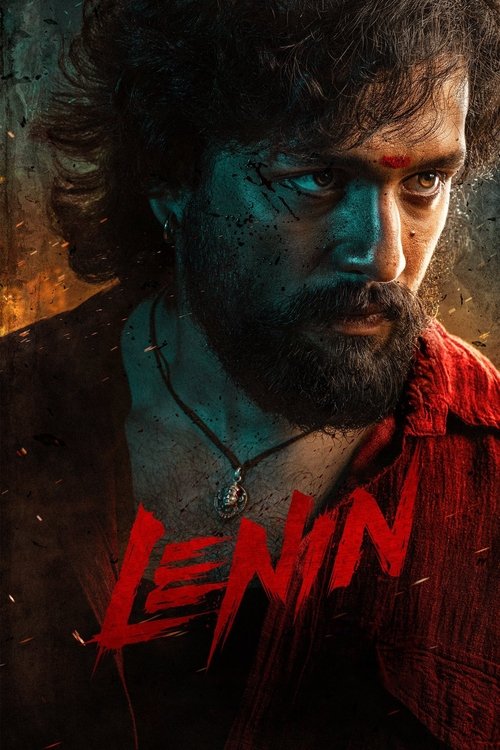
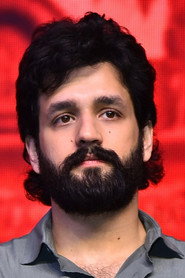 Akhil Akkineni
 Bhagyashri Borse
 Sivaji Sontineni
 Easwari Rao

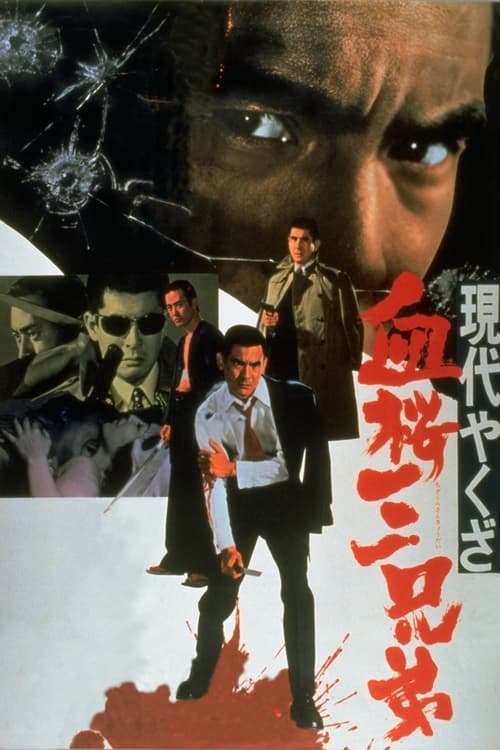
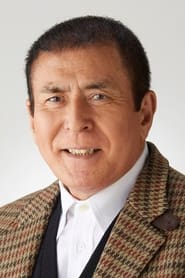 Goru014d Ibuki
 Tsunehiko Watase
 Ichiro Araki
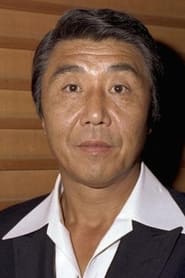 Asao Koike

 Angelique Boyer
 Bu00e1rbara de Regil
 Diego Klein
 Lucu00eda Uribe

 Yu Yi
 Kong Lianshun
 Fu Mei
 Shang Na
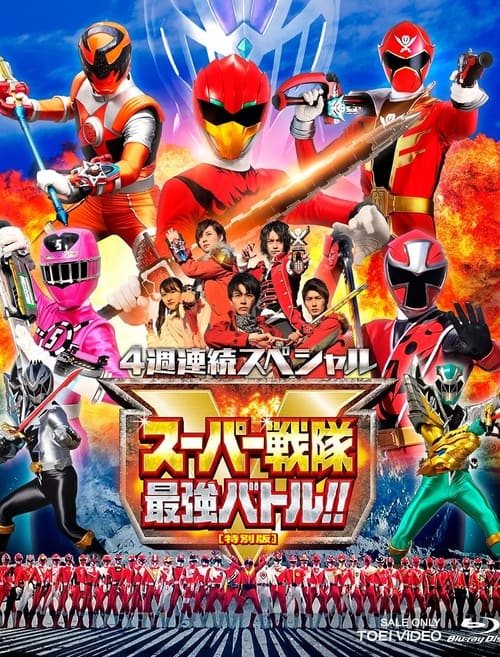
 Masaki Nakao
 Ryota Ozawa
 Shunsuke Nishikawa
 Yosuke Kishi

 Ken Belsky
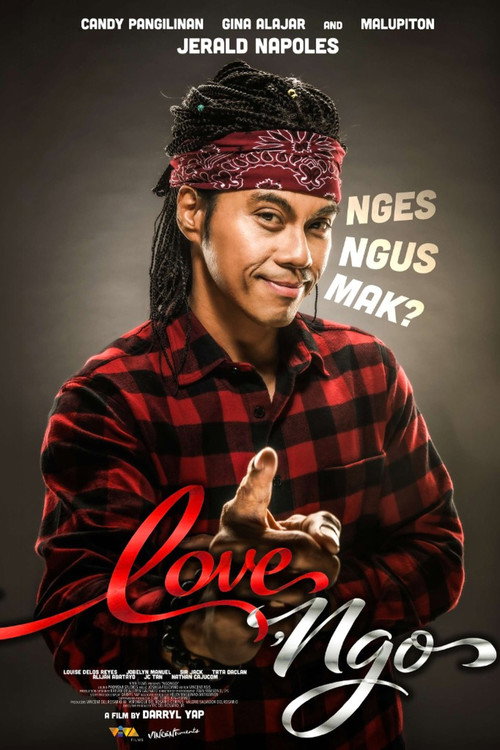 Jerald Napoles
 Gina Alajar
 Louise delos Reyes
 Candy Pangilinan
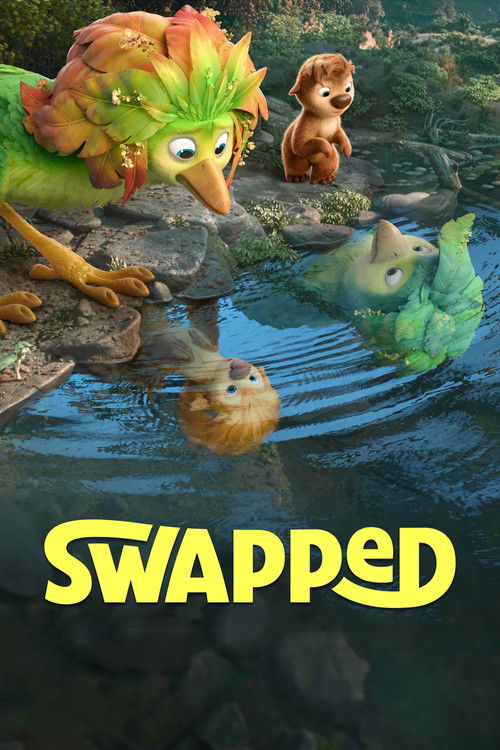

 Lizzie Freeman
 Alex Rochon
 Michael Kovach
 Amanda Hufford

 Ludwika Paleta
 Juanpa Zurita
 Harold Azuara
 Yuriria del Valle




 Pimchanok Luevisadpaibul
 Thanapob Leeratanakachorn
 Sivakorn Adulsuttikul
 Chartayodom Hiranyatithi

 Lou Goossens
 Marius De Saeger
 Geert Van Rampelberg
 Emilie De Roo

 Martin Balsam
 John Fiedler
 Lee J. Cobb
 E.G. Marshall
 Sally Field
 Lewis Pullman
 Colm Meaney
 Alfred Molina

 Rumi Hiiragi
 Miyu Irino
 Mari Natsuki
 Takashi Naito
 Ludwika Paleta
Juanpa Zurita
 Hernu00e1n Mendoza
Harold Azuara

 Ashleigh Ball
 Andrea Libman
 Tara Strong
 Rebecca Shoichet



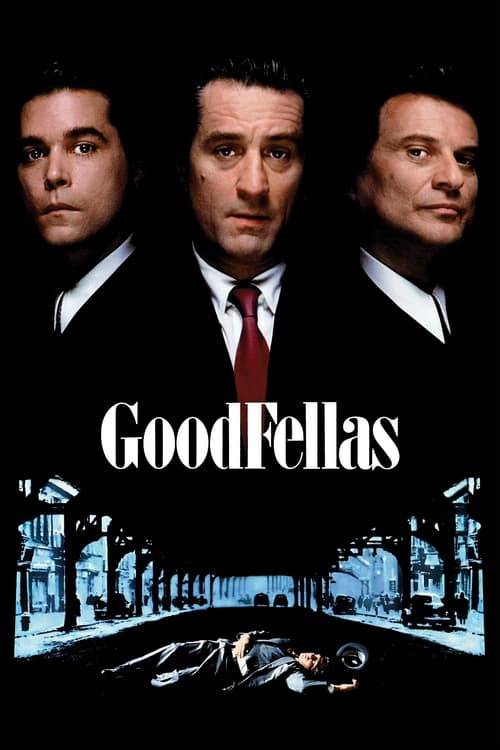
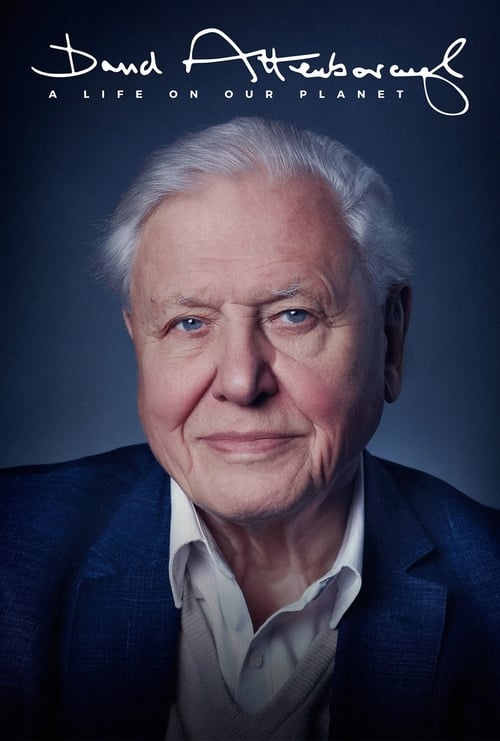
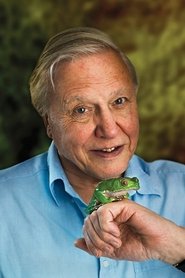 David Attenborough

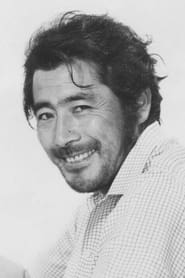 Toshiru014d Mifune
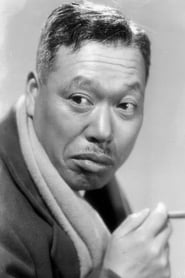 Takashi Shimura
 Yoshio Inaba
 Seiji Miyaguchi

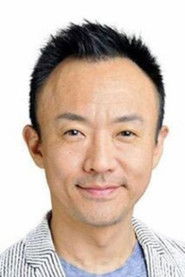 Tsutomu Tatsumi
 Ayano Shiraishi
 Yoshiko Shinohara


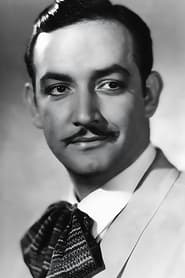 Jorge Negrete
 Pedro Infante
 Carmelita Gonzu00e1lez
 Yolanda Varela

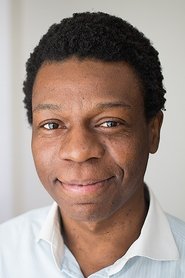 Alexandre Rodrigues
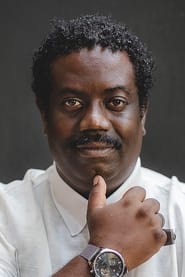 Leandro Firmino
 Phellipe Haagensen
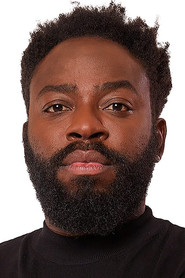 Douglas Silva

 Choo Young-woo
 Shin Sia
 Cho Yu-jung
 Jin Ho-eun

 Cantinflas
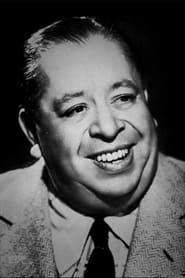 Roberto Soto
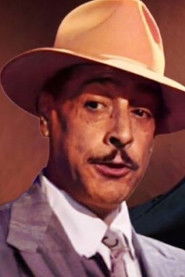 Gilberto Gonzu00e1lez
 Elisa Quintanilla

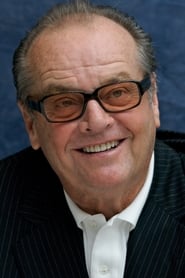 Jack Nicholson
 Brad Dourif
 Louise Fletcher
 Danny DeVito

 Sakura Kirishima
 Masamitsu Kani
 Hotaru Hazuki


 Tatsuya Nakadai
 Akira Ishihama
 Shima Iwashita
 Tetsuro Tamba
 Pedro Infante
 Luis Aguilar
 Alma Delia Fuentes

 Philippe Noiret
 Jacques Perrin
 Marco Leonardi
 Salvatore Cascio
 Tapan Chatterjee
 Rabi Ghosh
 Kamu Mukherjee
 Haradhan Bandyopadhyay

 Zoey Deutch
 Nick Robinson
 Ciara Bravo
 Nick Offerman

 Ren Nagase
 Natsuki Deguchi
 Mayuu Yokota
 Fumino Kimura
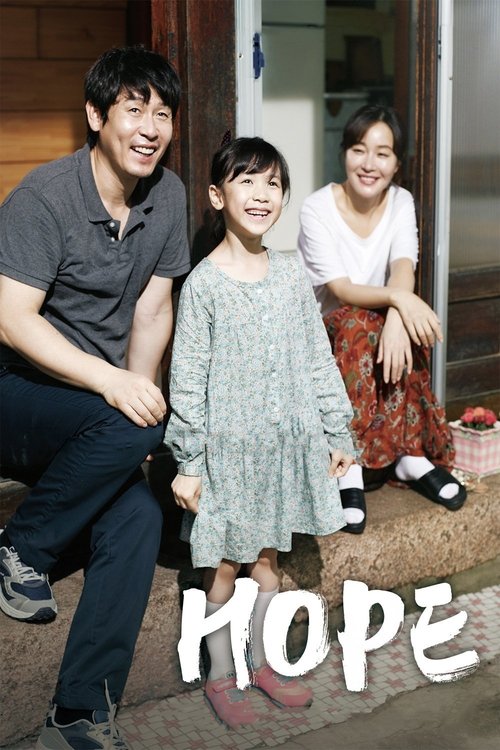
 Sul Kyung-gu
 Uhm Ji-won
 Lee Re
 Kim Sang-ho

 Melanie Zanetti
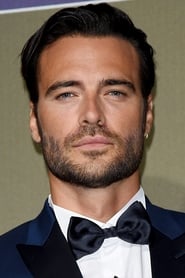 Giulio Berruti
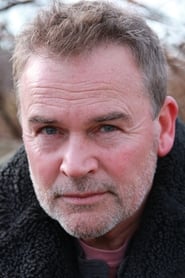 Kurt McKinney
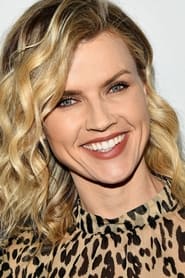 Agnes Albright


 Adrien Brody
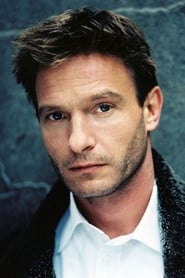 Thomas Kretschmann
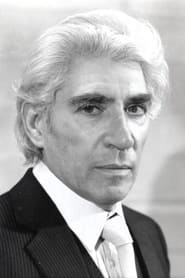 Frank Finlay
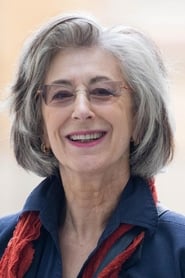 Maureen Lipman
 Toshiru014d Mifune
Tatsuya Nakadai
 Kyu014dko Kagawa
 Tatsuya Mihashi

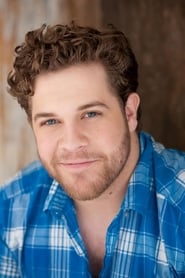 J. Michael Finley
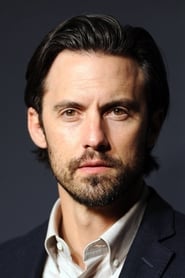 Milo Ventimiglia
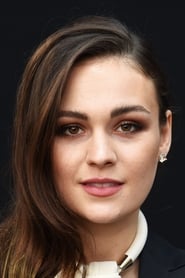 Sophie Skelton
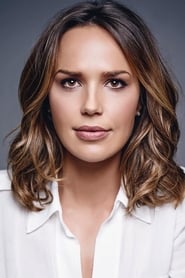 Arielle Kebbel

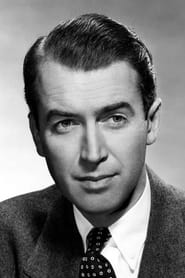 James Stewart
 Grace Kelly
 Wendell Corey
 Thelma Ritter

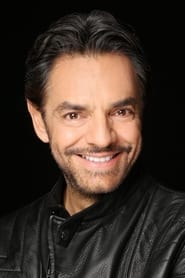 Eugenio Derbez
 Daniel Haddad
 Jennifer Trejo
 Mia Fernanda Solis
 Brian Deacon
 Rivka Neuman
 Alexander Scourby
 Niko Nitai
 Michael J. Fox
 Christopher Lloyd
 Crispin Glover
 Lea Thompson


 Takashi Shimura
 Haruo Tanaka
 Nobuo Kaneko
 Bokuzen Hidari

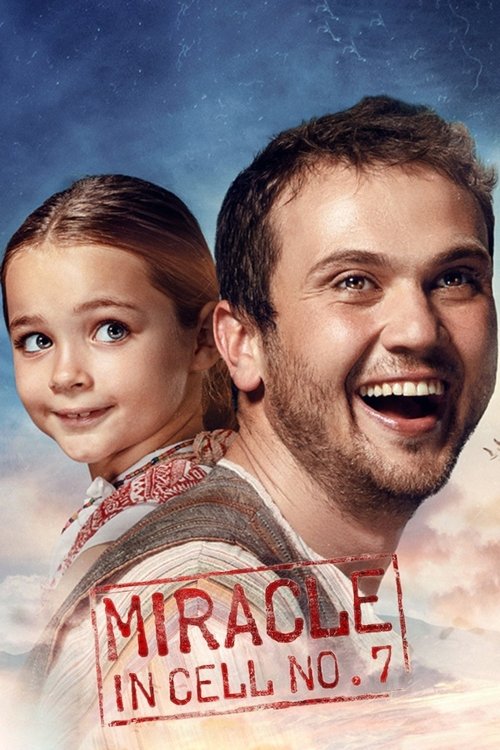
 Aras Bulut u0130ynemli
 Nisa Sofiya Aksongur
 u0130lker Aksum
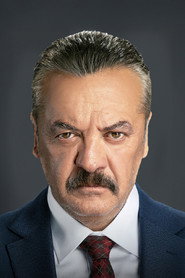 Mesut Akusta

 Jodie Foster
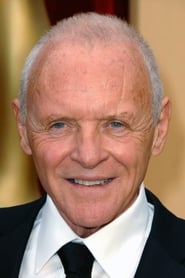 Anthony Hopkins
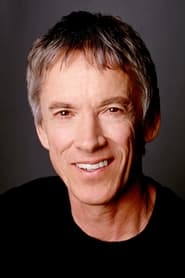 Scott Glenn
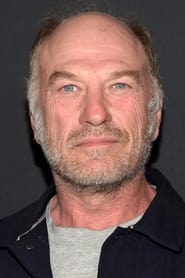 Ted Levine

 Claudia Cardinale
 Henry Fonda
 Jason Robards
 Charles Bronson


 Robin Williams
 Robert Sean Leonard
 Ethan Hawke
 Josh Charles
 Cantinflas
 Rosita Arenas
 u00c1ngel Garasa
 Rebeca Iturbide



 William Holden
 Gloria Swanson
 Erich von Stroheim
 Nancy Olson

 Taishi Nakagawa
 Kaya Kiyohara
 Yume Miyamoto
 Kazuyuki Okitsu

 Jamilli Correa
 Fu00e1tima Macedo
 Ru00f4mulo Braga

 Nana Patekar
 Medha Manjrekar
 Vikram Gokhale
 Mrunmayee Deshpande

 Kirk Douglas
 Ralph Meeker
 Adolphe Menjou
 George Macready
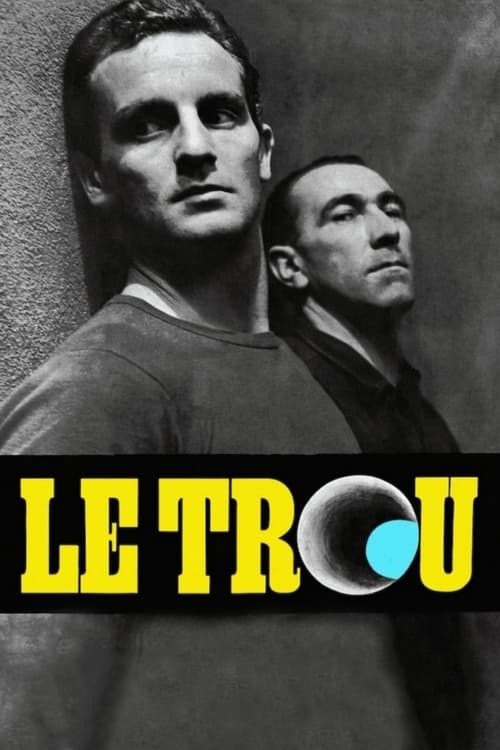
 Michel Constantin
 Jean Keraudy
 Philippe Leroy
 Raymond Meunier

 Fin Argus
 Sabrina Carpenter
 Madison Iseman
 Neve Campbell

 Tim Roth
 Pruitt Taylor Vince
 Mu00e9lanie Thierry
 Bill Nunn
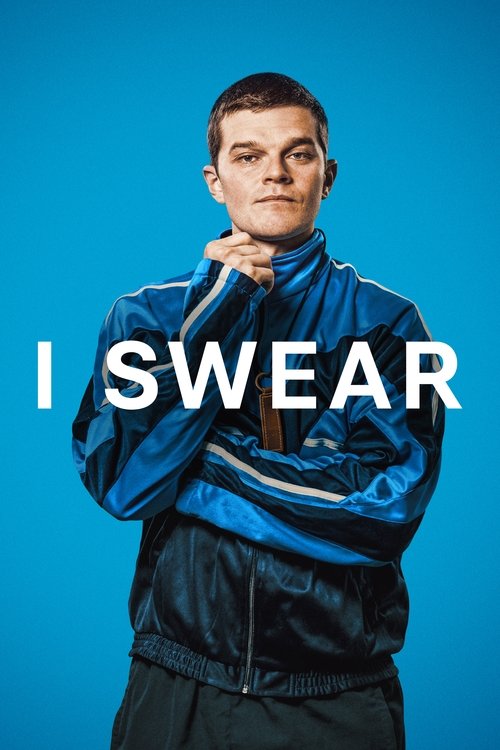




 Russell Crowe
 Joaquin Phoenix
 Connie Nielsen
 Oliver Reed

 Jaden Smith
 Cara Delevingne
 Cuba Gooding Jr.
 Chris D'Elia

 Cem Yu0131lmaz

 Haley Lu Richardson
 Cole Sprouse
 Moisu00e9s Arias
 Kimberly Hu00e9bert Gregory


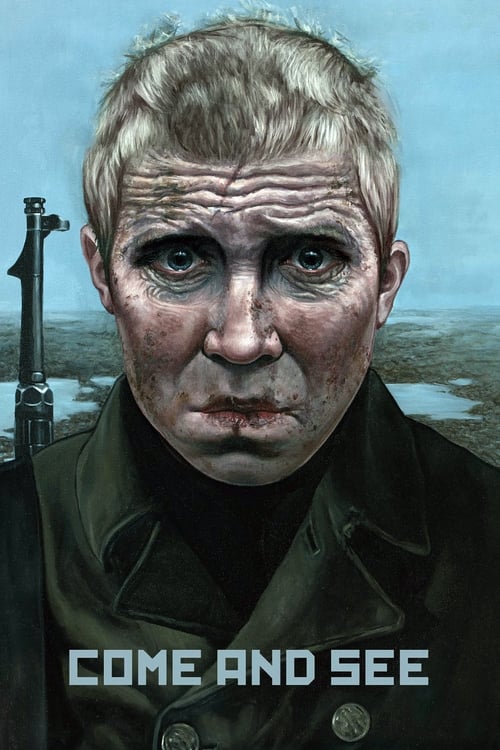
 Aleksei Kravchenko
 Olga Mironova
 Liubomiras Lauceviu010dius
 Vladas Bagdonas
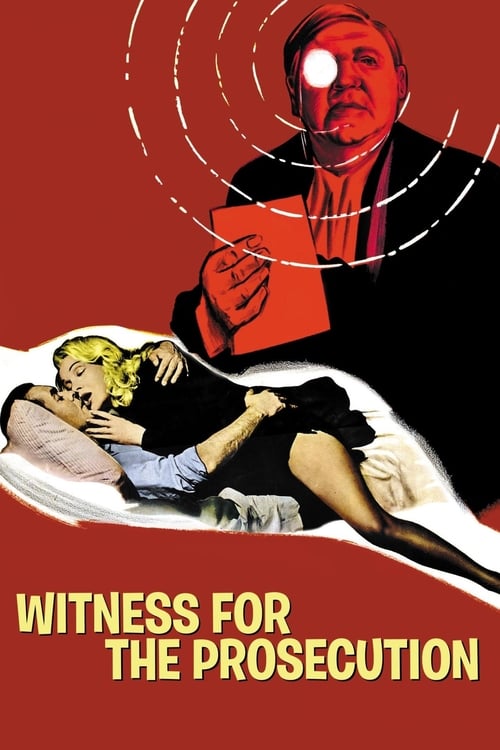
 Tyrone Power
 Marlene Dietrich
 Charles Laughton
 Elsa Lanchester



 Chishu016b Ryu016b
 Chieko Higashiyama
 Setsuko Hara
 Haruko Sugimura

 Eiji Okada
 Kyu00f4ko Kishida
 Ku014dji Mitsui


 Charo Santos
 Jay Ilagan
 Vic Silayan
 Charito Solis

 David Schachter
 David Rose

 Ryusei Nakao
 Mika Kanai
 Kaneta Kimotsuki
 Yumi Adachi

 So Ji-sub
 Son Ye-jin
 Kim Ji-hwan
 Ko Chang-seok

 Kim You-jung
 Byeon Woo-seok
 Park Jung-woo
 Roh Yoon-seo

 Kathir
 Anandhi
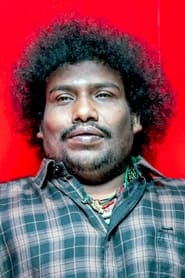 Yogi Babu
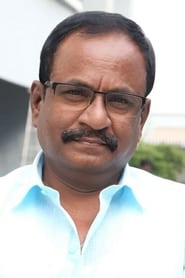 G. Marimuthu

 Chang Chen
 Lisa Yang
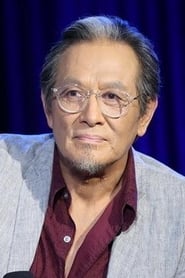 Chang Kuo-Chu
 Elaine Jin Yan-Ling
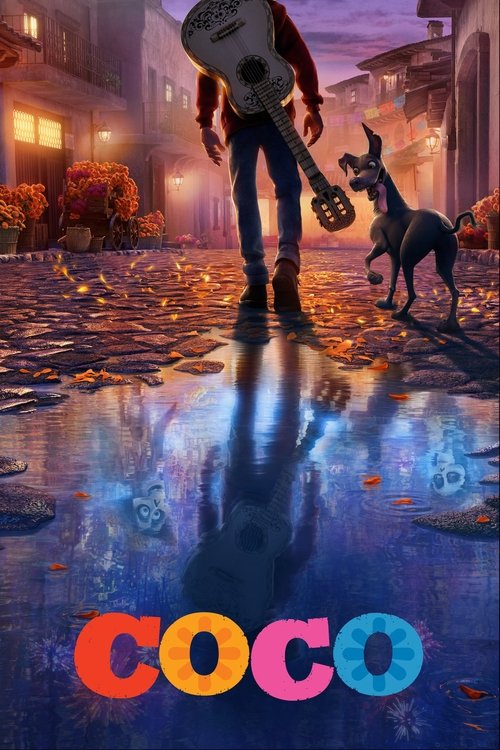
 Anthony Gonzalez
 Gael Garcu00eda Bernal
 Benjamin Bratt
 Alanna Ubach


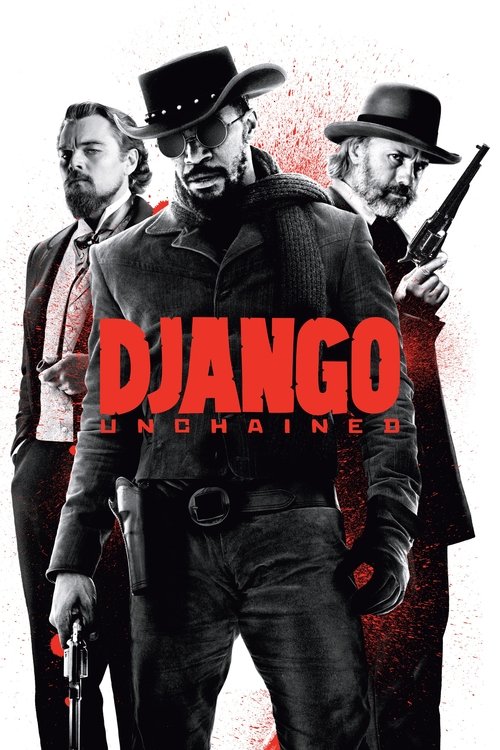

 Damian Chapa
 Jesse Borrego
Benjamin Bratt
 Enrique Castillo

 Kim Min-hee
 Kim Tae-ri
 Ha Jung-woo
 Cho Jin-woong
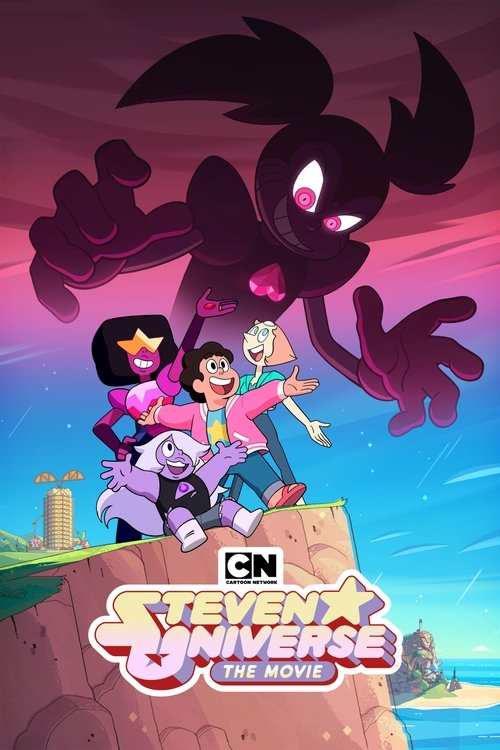
 Zach Callison
 Deedee Magno Hall
 Estelle
 Michaela Dietz