Show Adult Titles
Show Adult Posters & Images


Three police officers are forced to go on the run when they get tangled in the death of a youth, a few days before the election.
 Netflix
 Netflix Standard with Ads









This section contains spoilers
The full plot reveals key story details including the ending.



 Lizzie Freeman
 Alex Rochon
 Michael Kovach
 Amanda Hufford

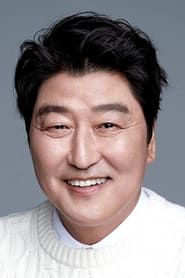 Song Kang-ho
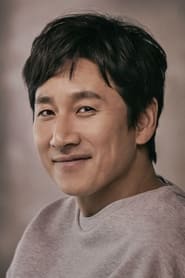 Lee Sun-kyun
 Cho Yeo-jeong
 Choi Woo-shik



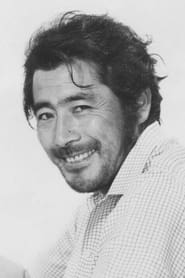 Toshiru014d Mifune
 Tatsuya Nakadai
 Kyu014dko Kagawa
 Tatsuya Mihashi

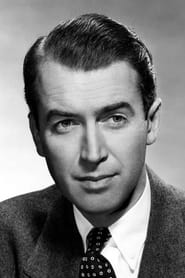 James Stewart
 Grace Kelly
 Wendell Corey
 Thelma Ritter

 Jodie Foster
 Anthony Hopkins
 Scott Glenn
 Ted Levine
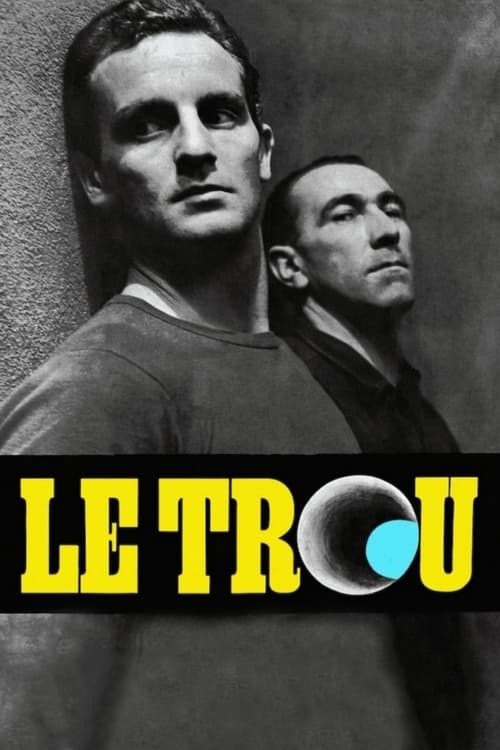
 Michel Constantin
 Jean Keraudy
 Philippe Leroy
 Raymond Meunier


 Eiji Okada
 Kyu00f4ko Kishida
 Ku014dji Mitsui

 Charo Santos
 Jay Ilagan
 Vic Silayan
 Charito Solis


 Damian Chapa
 Jesse Borrego
 Benjamin Bratt
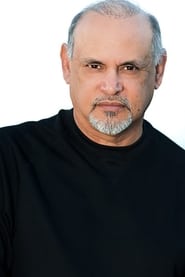 Enrique Castillo

 Kim Min-hee
 Kim Tae-ri
 Ha Jung-woo
 Cho Jin-woong
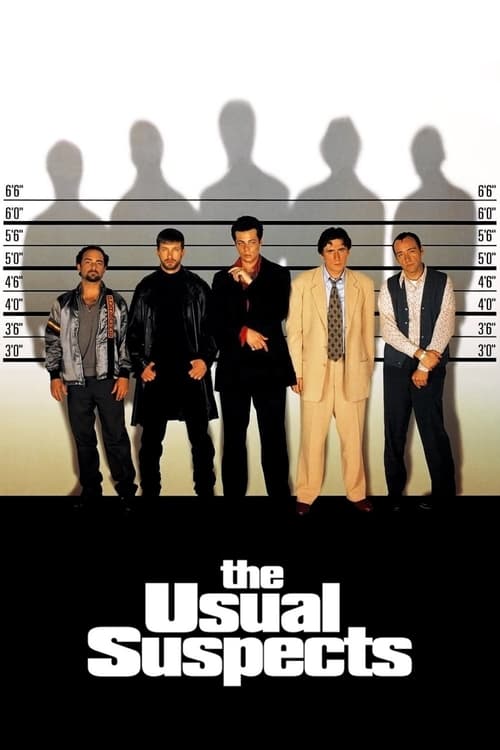
 Stephen Baldwin
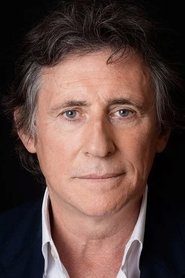 Gabriel Byrne
 Benicio del Toro
 Kevin Pollak



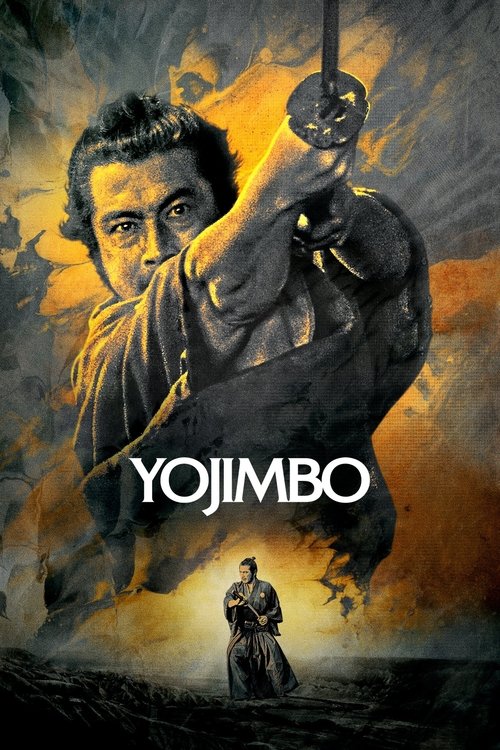 Toshiru014d Mifune
Tatsuya Nakadai
 Yu014dko Tsukasa
 Isuzu Yamada
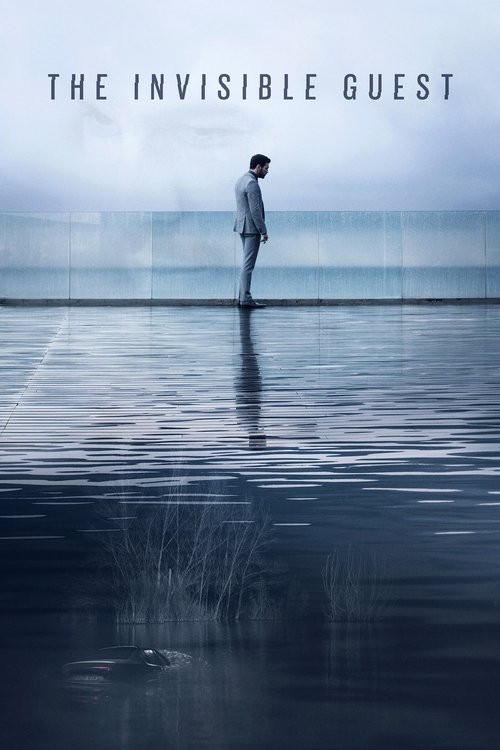
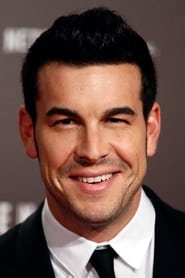 Mario Casas
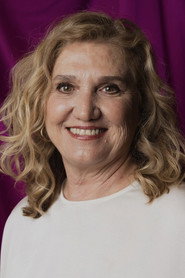 Ana Wagener
 Jose Coronado
 Bu00e1rbara Lennie
 Song Kang-ho
 Kim Sang-kyung
 Kim Roi-ha
 Song Jae-ho
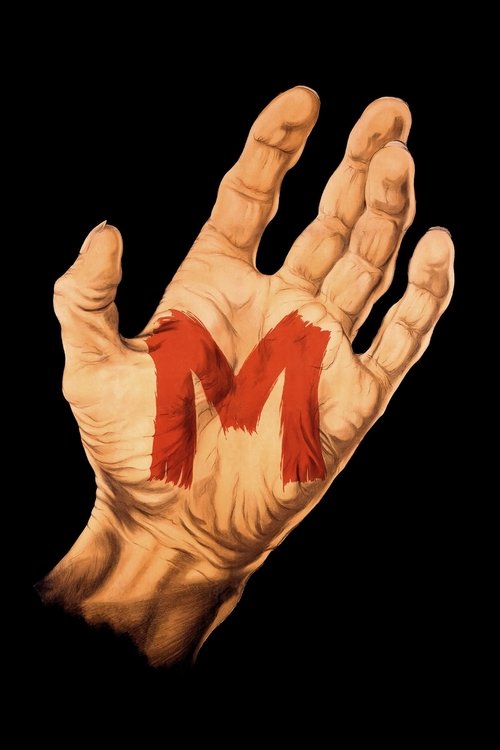
 Peter Lorre
 Ellen Widmann
 Inge Landgut
 Otto Wernicke

 Cemre Paksoy
 Bruce McKenzie
 Elu00e9onore Hendricks
 Colleen Rose Trundy


 Yu Yi
 Kong Lianshun
 Fu Mei
 Shang Na
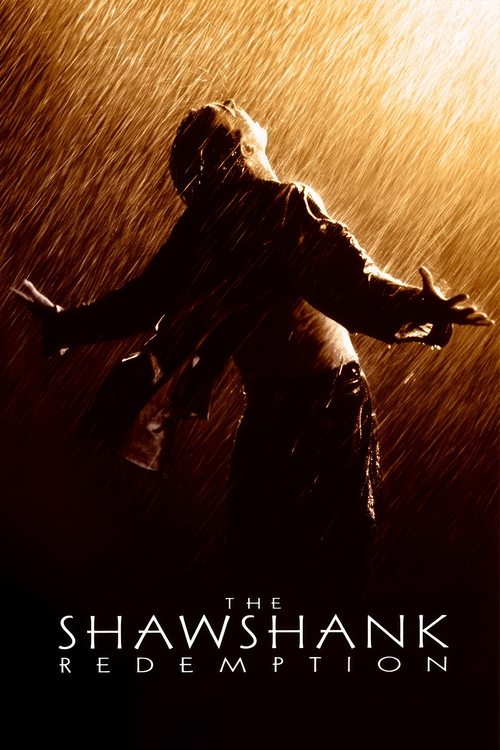



 Luisa Adreena
 Freya Mikhayla

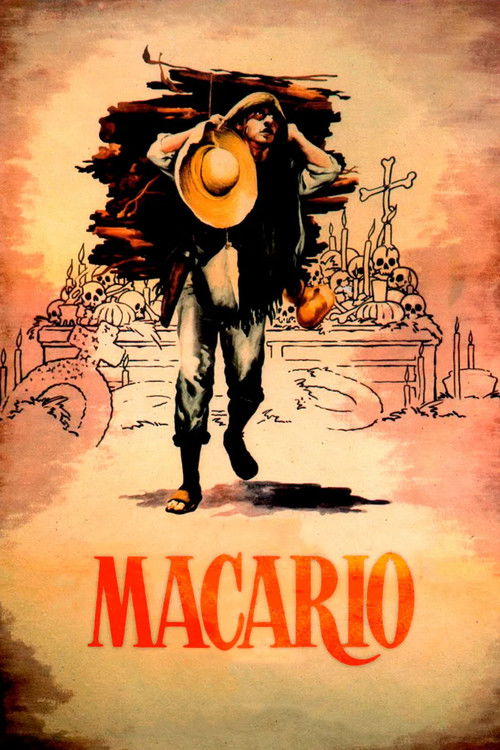
 Ignacio Lu00f3pez Tarso
 Pina Pellicer
 Enrique Lucero
 Mario Alberto Rodru00edguez

 Pimchanok Luevisadpaibul
 Thanapob Leeratanakachorn
 Sivakorn Adulsuttikul
 Chartayodom Hiranyatithi

 Lou Goossens
 Marius De Saeger
 Geert Van Rampelberg
 Emilie De Roo


 Martin Balsam
 John Fiedler
 Lee J. Cobb
 E.G. Marshall
 Sally Field
 Lewis Pullman
 Colm Meaney
 Alfred Molina



 Kim Molina
 Jerald Napoles
 Al Tantay
 Althea Ruedas

 Milla Jovovich
 Matthew Modine
 Isabel Myers
 D. B. Sweeney

 Brendan Bradley
 Rachel Cook
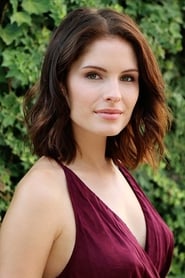 Olivia Grace Applegate
 Derek Smith



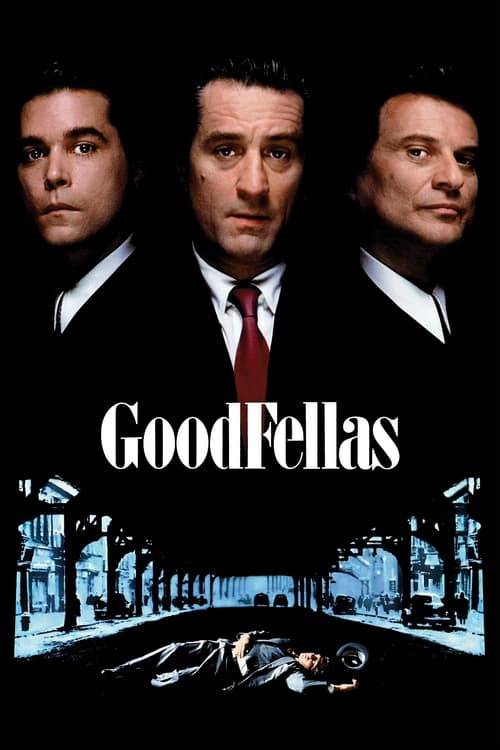
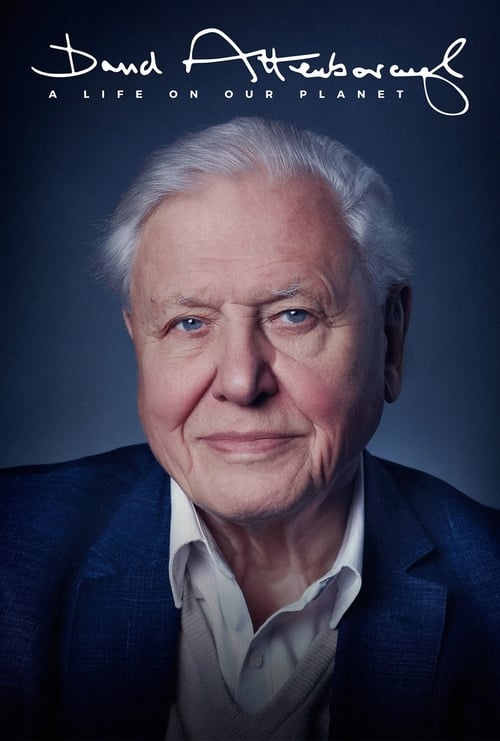
 David Attenborough
 Toshiru014d Mifune
 Takashi Shimura
 Yoshio Inaba
 Seiji Miyaguchi

 Tsutomu Tatsumi
 Ayano Shiraishi
 Yoshiko Shinohara

 Roberto Benigni
 Nicoletta Braschi
 Giorgio Cantarini
 Giustino Durano

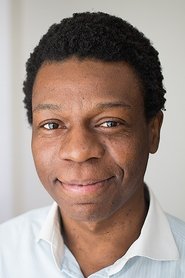 Alexandre Rodrigues
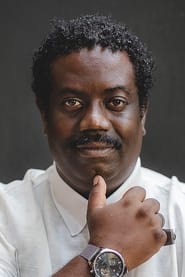 Leandro Firmino
 Phellipe Haagensen
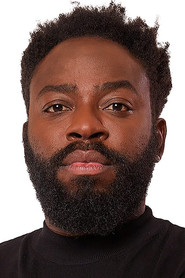 Douglas Silva

 Choo Young-woo
 Shin Sia
 Cho Yu-jung
 Jin Ho-eun

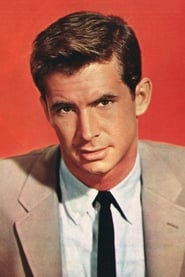 Anthony Perkins
 Janet Leigh
 Vera Miles
 John Gavin

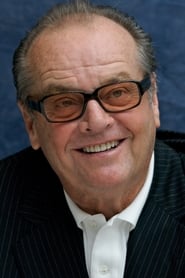 Jack Nicholson
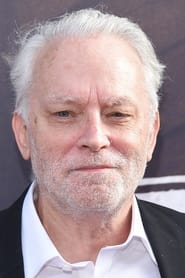 Brad Dourif
 Louise Fletcher
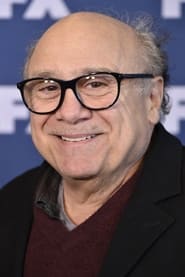 Danny DeVito

 Sakura Kirishima
 Masamitsu Kani
 Hotaru Hazuki
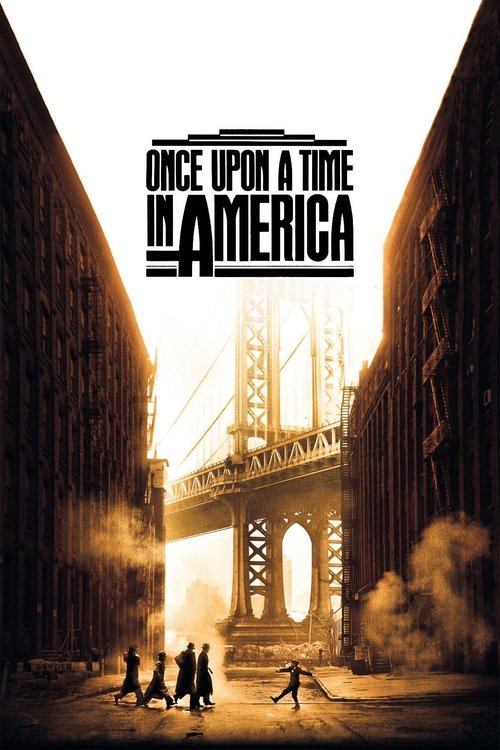

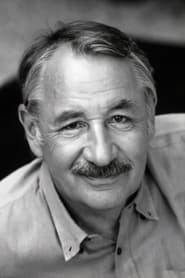 Philippe Noiret
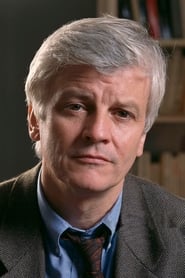 Jacques Perrin
 Marco Leonardi
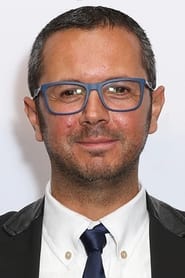 Salvatore Cascio

 Tatsuya Nakadai
 Akira Ishihama
 Shima Iwashita
 Tetsuro Tamba

 Ren Nagase
 Natsuki Deguchi
 Mayuu Yokota
 Fumino Kimura

 Sul Kyung-gu
 Uhm Ji-won
 Lee Re
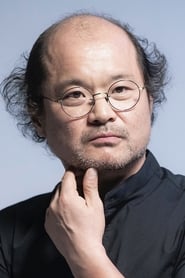 Kim Sang-ho

 Melanie Zanetti
 Giulio Berruti
 Kurt McKinney
 Agnes Albright


 Adrien Brody
 Thomas Kretschmann
 Frank Finlay
 Maureen Lipman

 Scarlett Diamond
 Vincent Vargas
 Adam Hightower
 Shawn Stevens

 Jung Jinyoung
 DAHYUN
 Demian
 Lee Min-goo

 J. Michael Finley
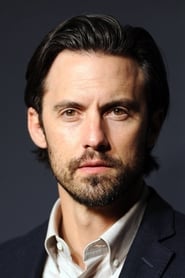 Milo Ventimiglia
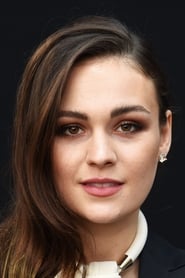 Sophie Skelton
 Arielle Kebbel

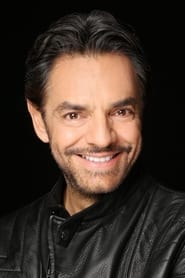 Eugenio Derbez
 Daniel Haddad
 Jennifer Trejo
 Mia Fernanda Solis

 Brian Deacon
 Rivka Neuman
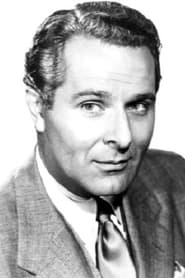 Alexander Scourby
 Niko Nitai


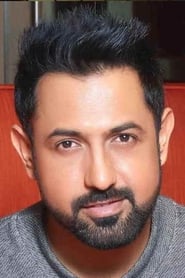 Gippy Grewal
 Mahie Gill
 Gurpreet Ghuggi
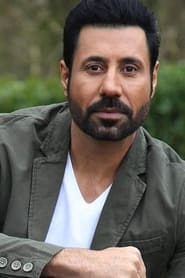 Binnu Dhillon

 Junko Iwao
 Rica Matsumoto
 Shiho Niiyama
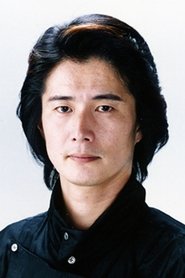 Masaaki Okura

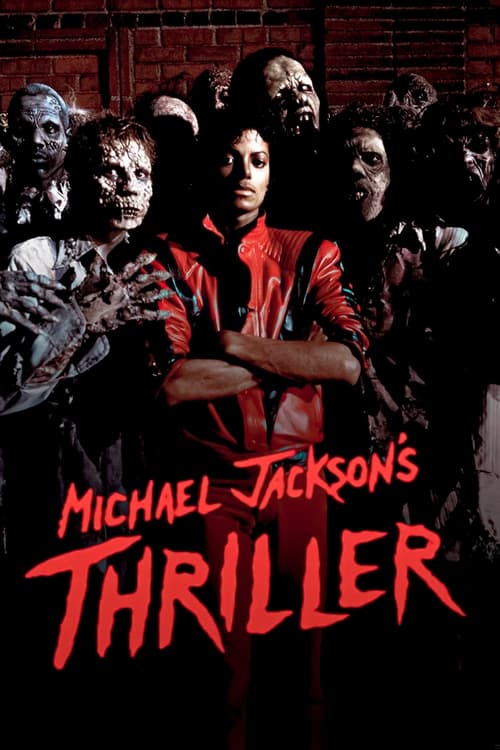
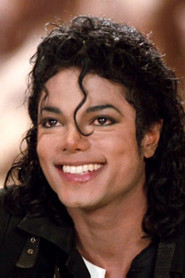 Michael Jackson
 Ola Ray
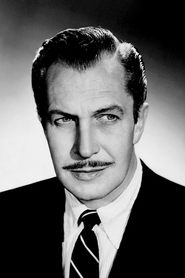 Vincent Price
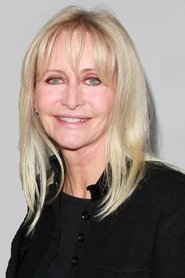 Cynthia Garris


 Takashi Shimura
 Haruo Tanaka
 Nobuo Kaneko
 Bokuzen Hidari

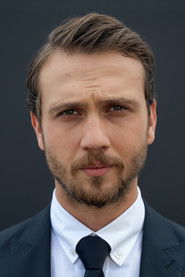 Aras Bulut u0130ynemli
 Nisa Sofiya Aksongur
 u0130lker Aksum
 Mesut Akusta
 Claudia Cardinale
 Henry Fonda
 Jason Robards
 Charles Bronson

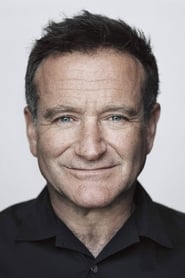 Robin Williams
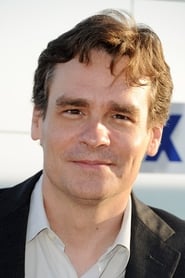 Robert Sean Leonard
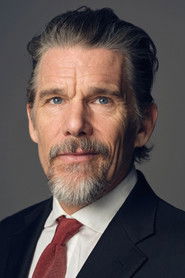 Ethan Hawke
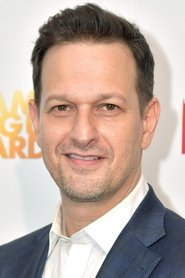 Josh Charles
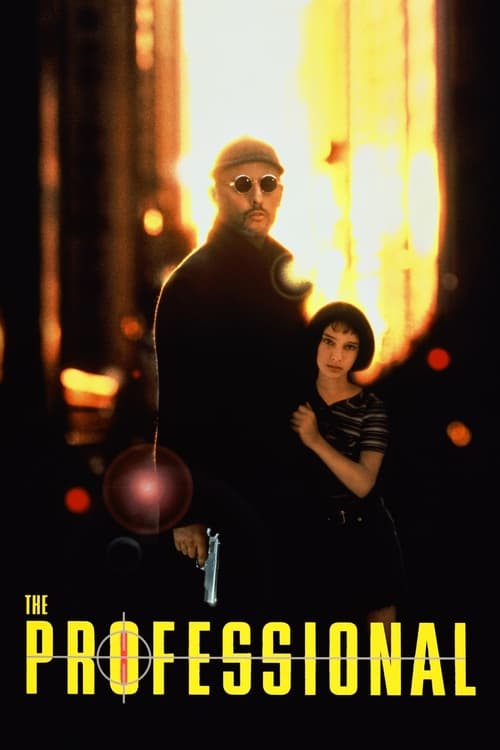

 Cantinflas
 Rosita Arenas
 u00c1ngel Garasa
 Rebeca Iturbide


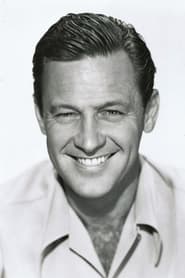 William Holden
 Gloria Swanson
 Erich von Stroheim
 Nancy Olson
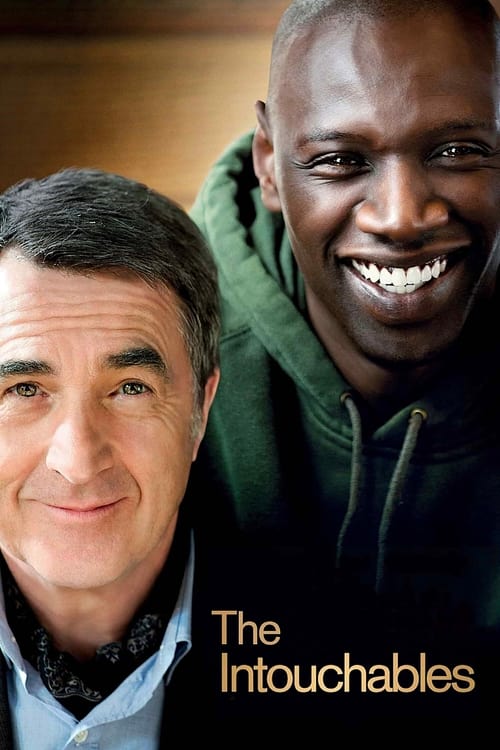
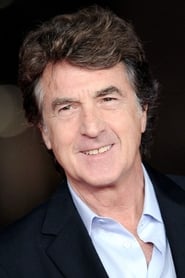 Franu00e7ois Cluzet
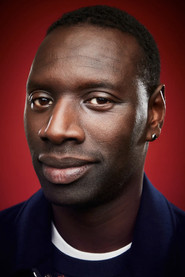 Omar Sy
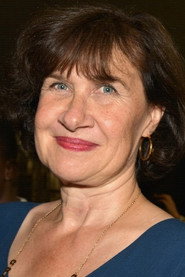 Anne Le Ny
 Audrey Fleurot

 Jamilli Correa
 Fu00e1tima Macedo
 Ru00f4mulo Braga

 Taishi Nakagawa
 Kaya Kiyohara
 Yume Miyamoto
 Kazuyuki Okitsu

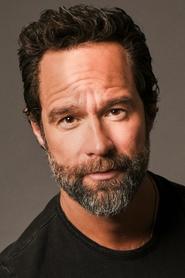 Chris Diamantopoulos
 Kaitlyn Robrock
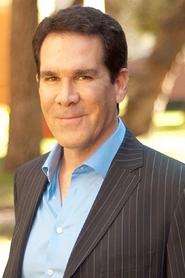 Tony Anselmo
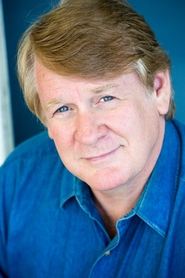 Bill Farmer


 Nana Patekar
 Medha Manjrekar
 Vikram Gokhale
 Mrunmayee Deshpande

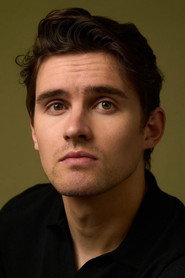 Michael Johnston
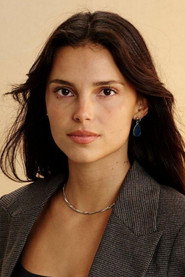 Inde Navarrette
 Cooper Tomlinson
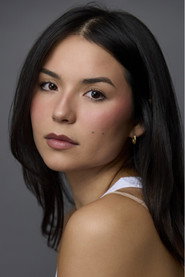 Megan Lawless


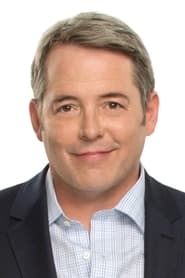 Matthew Broderick
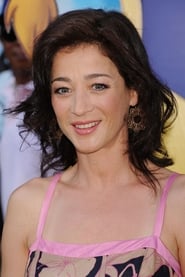 Moira Kelly
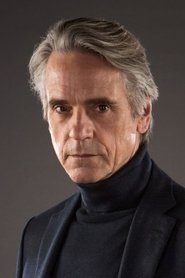 Jeremy Irons
 Nathan Lane

 Shin Eun-soo
 Gong Myoung
 Cha Woo-min
 Youn Sang-hyun

 Kirk Douglas
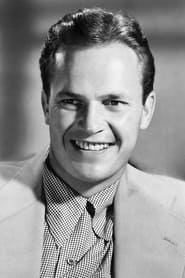 Ralph Meeker
 Adolphe Menjou
 George Macready

 Shun Shioya
 Nao Nagasawa
 Kohei Yamamoto
 Kouhei Higuchi


 Fin Argus
 Sabrina Carpenter
 Madison Iseman
 Neve Campbell

 Tim Roth
 Pruitt Taylor Vince
 Mu00e9lanie Thierry
 Bill Nunn

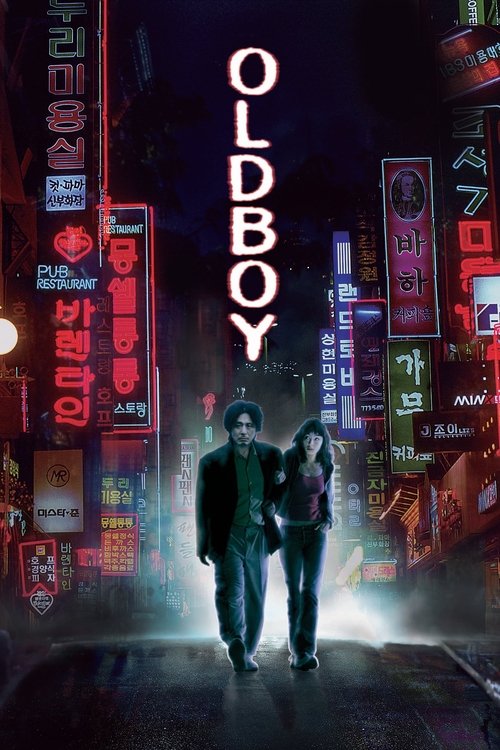
 Choi Min-sik
 Yoo Ji-tae
 Kang Hye-jung
 Kim Byeong-ok




 Russell Crowe
 Joaquin Phoenix
 Connie Nielsen
 Oliver Reed

 Jaden Smith
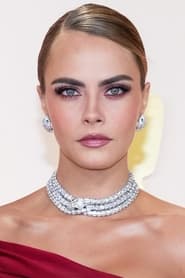 Cara Delevingne
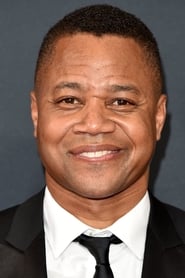 Cuba Gooding Jr.
 Chris D'Elia

 Vittorio Gassman
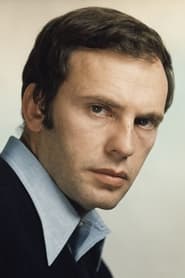 Jean-Louis Trintignant
 Catherine Spaak
 Claudio Gora

 Haley Lu Richardson
 Cole Sprouse
 Moisu00e9s Arias
 Kimberly Hu00e9bert Gregory

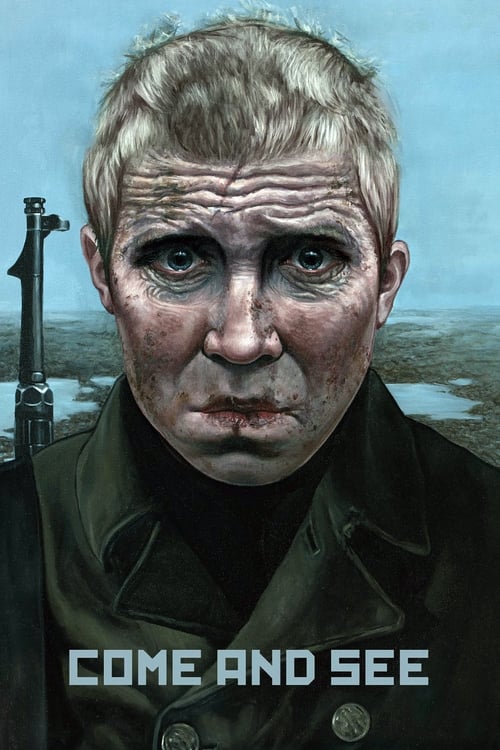
 Aleksei Kravchenko
 Olga Mironova
 Liubomiras Lauceviu010dius
 Vladas Bagdonas
 Tyrone Power
 Marlene Dietrich
 Charles Laughton
 Elsa Lanchester

 Jack Nicholson
 Shelley Duvall
 Danny Lloyd
 Scatman Crothers

 So Ji-sub
 Son Ye-jin
 Kim Ji-hwan
 Ko Chang-seok
 David Schachter
 David Rose

 Jack Lemmon
 Shirley MacLaine
 Fred MacMurray
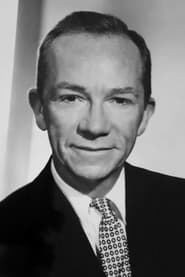 Ray Walston

 Chang Chen
 Lisa Yang
 Chang Kuo-Chu
 Elaine Jin Yan-Ling

 Chishu016b Ryu016b
 Chieko Higashiyama
 Setsuko Hara
 Haruko Sugimura



 Aoi Miyazaki
 Takao Osawa
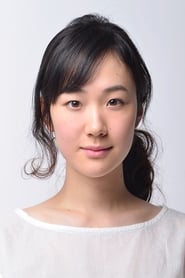 Haru Kuroki
 Yukito Nishii

 Kathir
 Anandhi
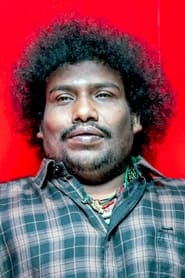 Yogi Babu
 G. Marimuthu

 Anne Dorval
 Suzanne Clu00e9ment
 Antoine Olivier Pilon
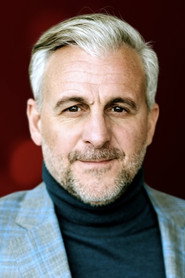 Patrick Huard

 Christian Borle
 Stephanie J. Block
 Andrew Rannells
 Brandon Uranowitz

 Kim You-jung
 Byeon Woo-seok
 Park Jung-woo
 Roh Yoon-seo


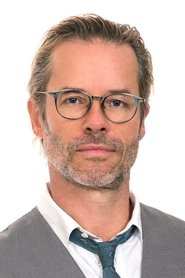 Guy Pearce
 Carrie-Anne Moss
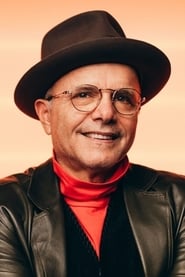 Joe Pantoliano
 Mark Boone Junior

 Carlos Padilla
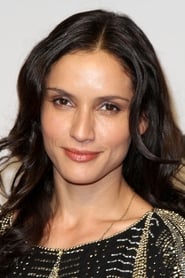 Leonor Varela
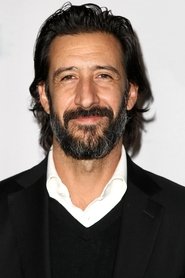 Josu00e9 Maru00eda Yu00e1zpik


 Aspen Kennedy Wilson
 Priscilla C. Shirer
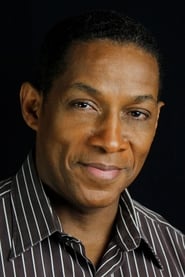 Cameron Arnett
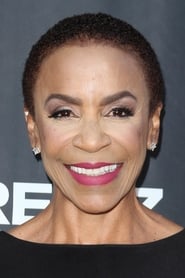 Karen Abercrombie

 Lamberto Maggiorani
 Enzo Staiola
 Lianella Carell
 Gino Saltamerenda


 Yuumi Kawai
 Mizuki Yoshida
 Yoichiro Saito
 Kota Oka

 Tom Cruise
 Miles Teller
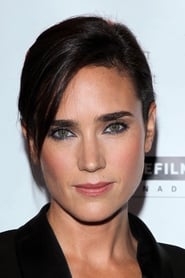 Jennifer Connelly
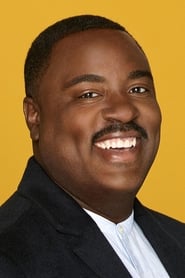 Bashir Salahuddin

 Gong Yoo
 Jung Yu-mi
 Kim Hyeon-soo
 Jung In-seo

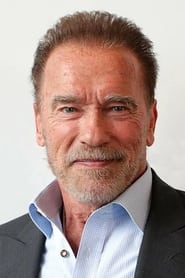 Arnold Schwarzenegger
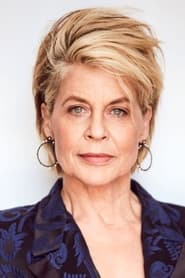 Linda Hamilton
 Edward Furlong
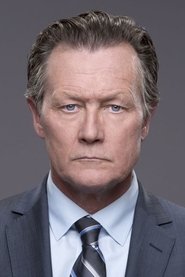 Robert Patrick

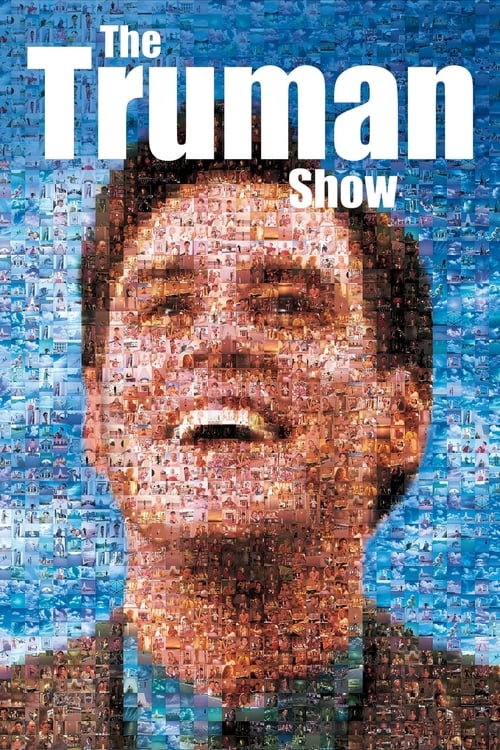
 Jim Carrey
 Laura Linney
 Noah Emmerich
 Natascha McElhone

 Gunnar Bju00f6rnstrand
 Bengt Ekerot
 Nils Poppe
 Max von Sydow


 Arvind Swamy
 Karthi
 Rajkiran
 Jayaprakash
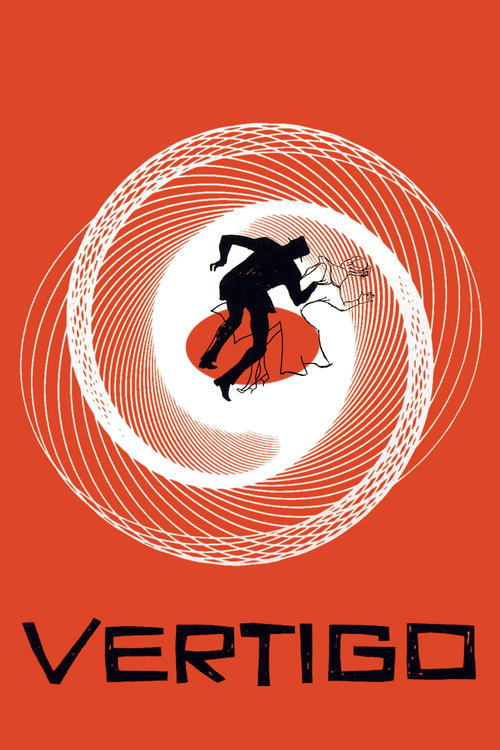 James Stewart
 Kim Novak
 Barbara Bel Geddes
 Tom Helmore

 Rakshit Shetty
 Rukmini Vasanth
 Sharath Lohitashwa

 Bibi Andersson
 Liv Ullmann
 Margaretha Krook
Gunnar Bju00f6rnstrand

 Fernanda Montenegro
 Vinu00edcius de Oliveira
 Maru00edlia Pu00eara
 Othon Bastos

 Matthew Modine
 Adam Baldwin
 Vincent D'Onofrio
 R. Lee Ermey

 Zarin Shihab
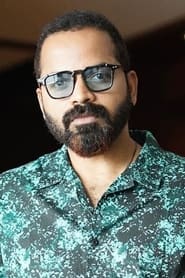 Vinay Forrt
 Kalabhavan Shajon

 Zhou Dongyu
 Jackson Yee
 Yin Fang
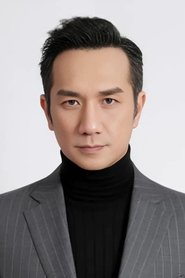 Huang Jue

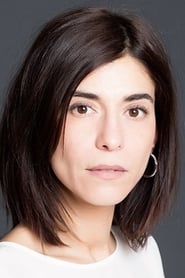 Lubna Azabal
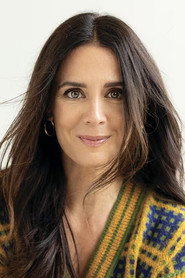 Mu00e9lissa Du00e9sormeaux-Poulin
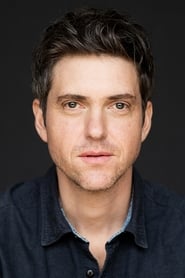 Maxim Gaudette
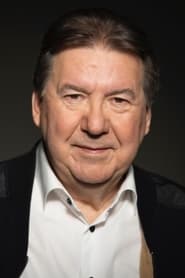 Ru00e9my Girard

 Natarajan Subramaniam
 Ishara Nair
 Ponvannan
 Ilavarasu

 Jacob Tremblay
 Julia Roberts
 Owen Wilson
 Izabela Vidovic

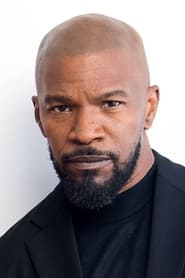 Jamie Foxx
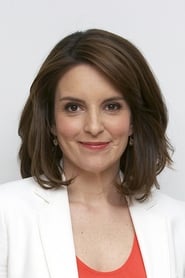 Tina Fey
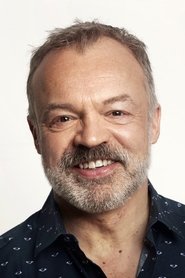 Graham Norton
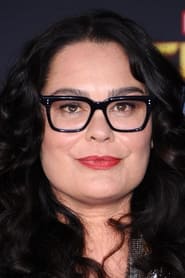 Rachel House
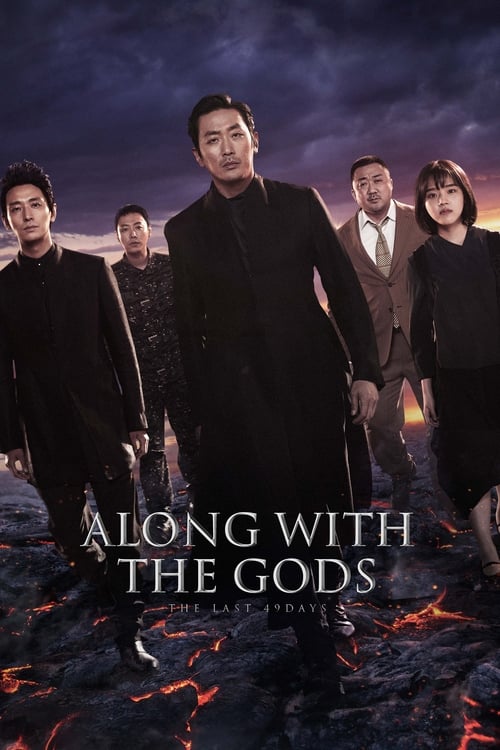 Ha Jung-woo
 Ju Ji-hoon
 Kim Hyang-gi
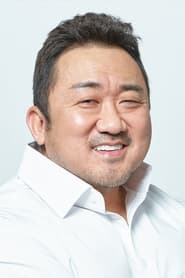 Don Lee

 Bette Davis
 Anne Baxter
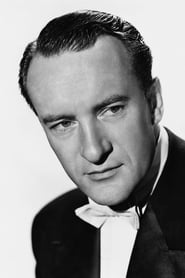 George Sanders
 Celeste Holm

 Pedro Infante
 Rosario Granados
 Domingo Soler
 Magda Guzmu00e1n