Show Adult Titles
Show Adult Posters & Images
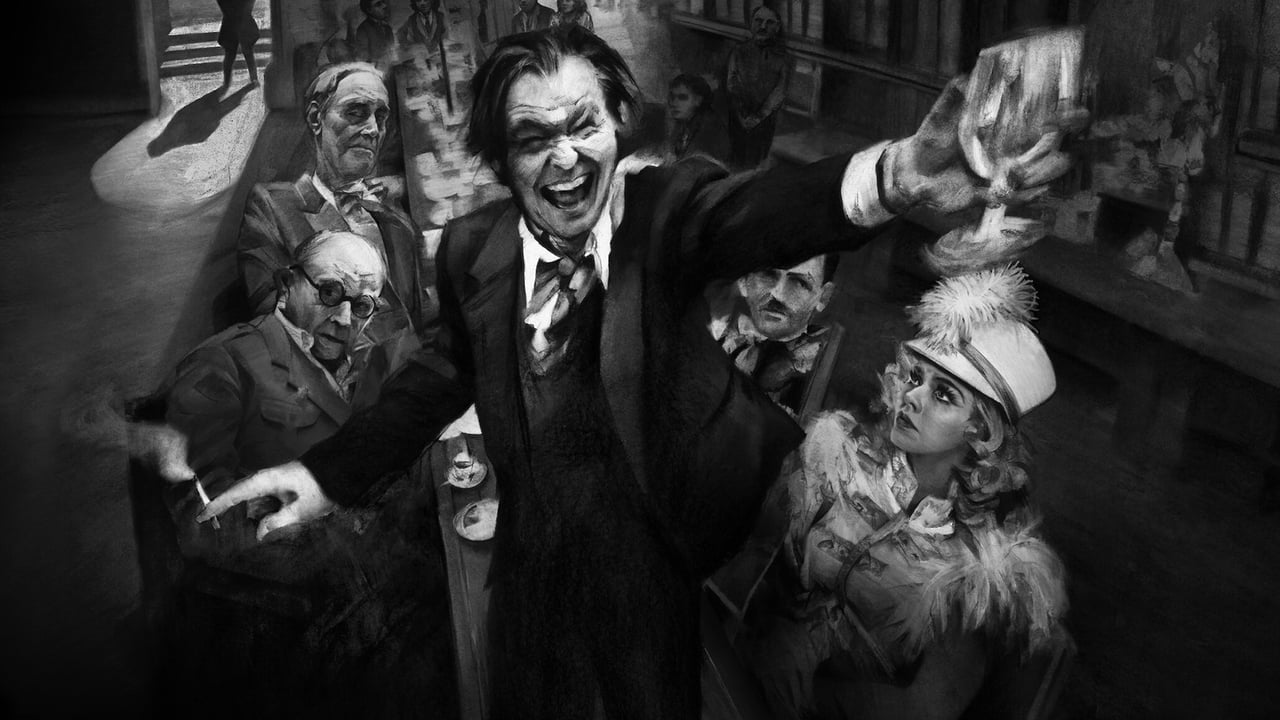

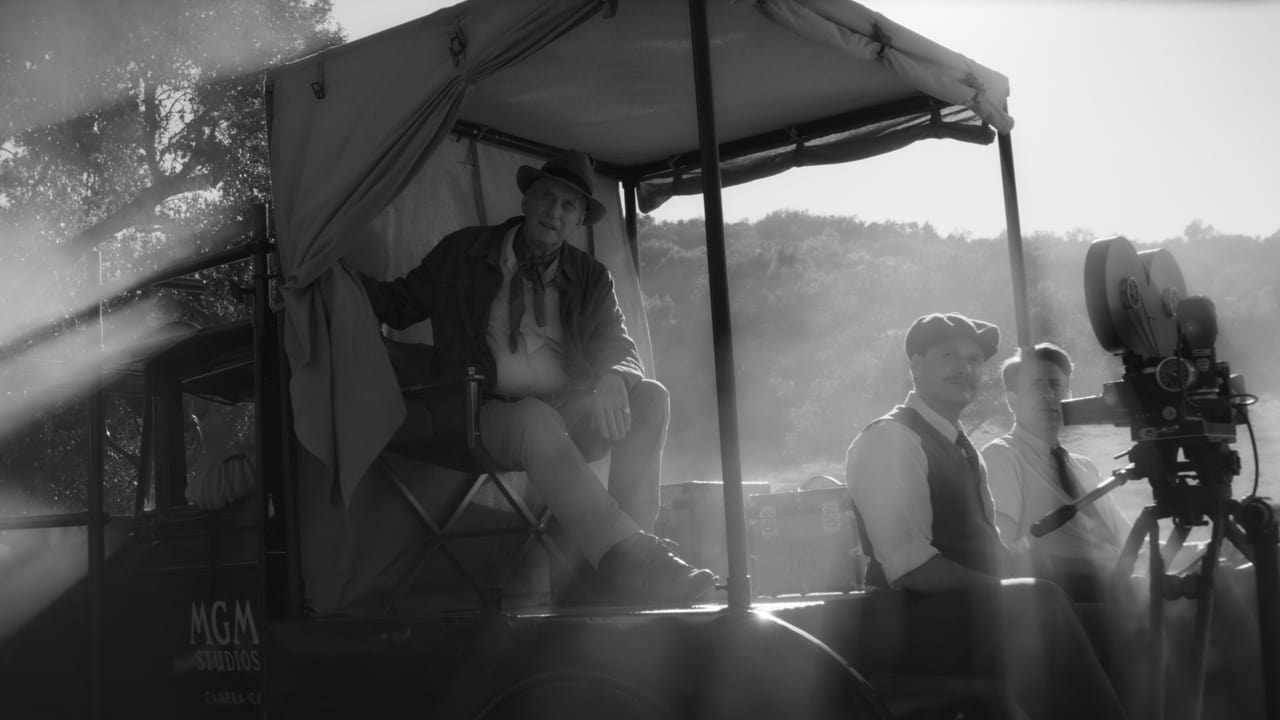
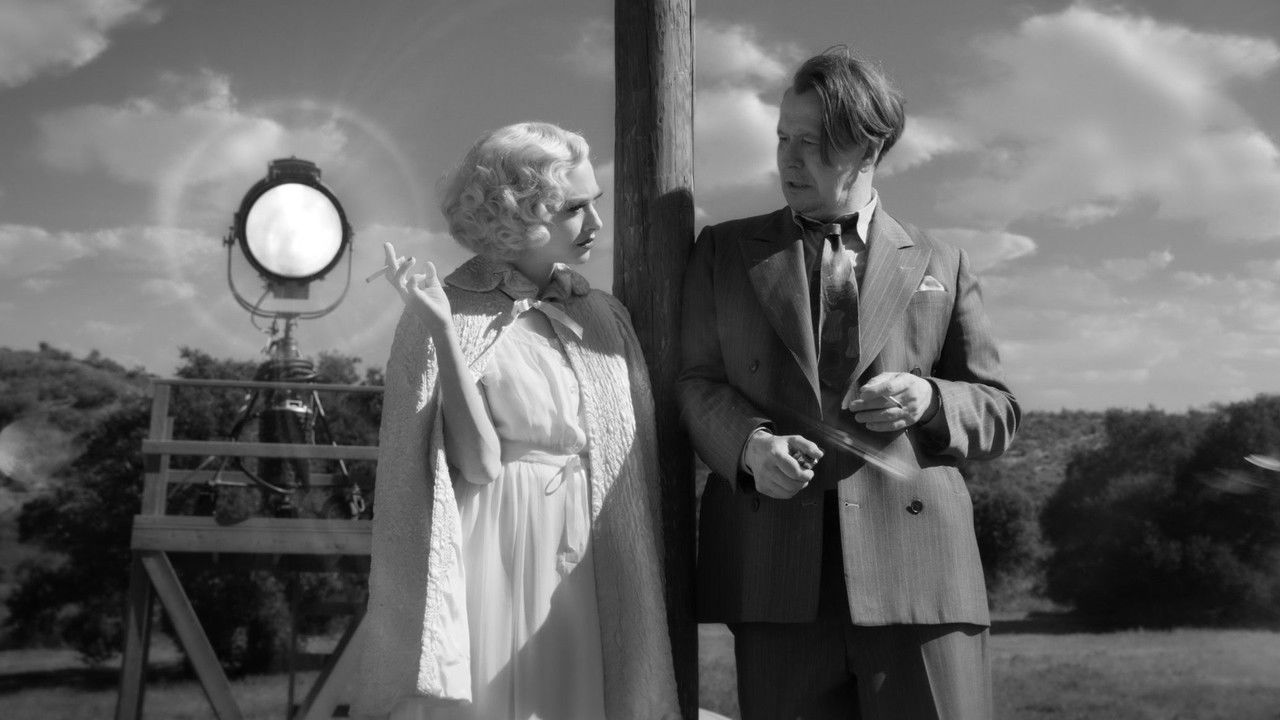
1930s Hollywood is reevaluated through the eyes of scathing social critic and alcoholic screenwriter Herman J. Mankiewicz as he races to finish the screenplay of Citizen Kane.
 Netflix
 Netflix Standard with Ads








This section contains spoilers
The full plot reveals key story details including the ending.







 William Franklyn-Miller
 Ben Kingsley
 Mary-Louise Parker
 Leo Hanna


 Tatsuya Nakadai
 Akira Ishihama
 Shima Iwashita
 Tetsuro Tamba

 William Holden
 Gloria Swanson
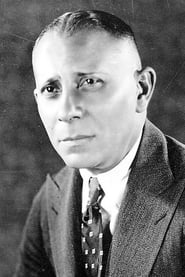 Erich von Stroheim
 Nancy Olson


 Bette Davis
 Anne Baxter
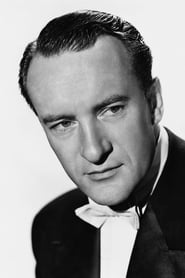 George Sanders
 Celeste Holm

 Hind Rajab
 Motaz Malhees
 Saja Kilani
 Amer Hlehel

 Marcello Mastroianni
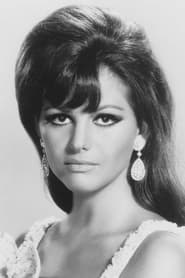 Claudia Cardinale
 Anouk Aimu00e9e
 Sandra Milo

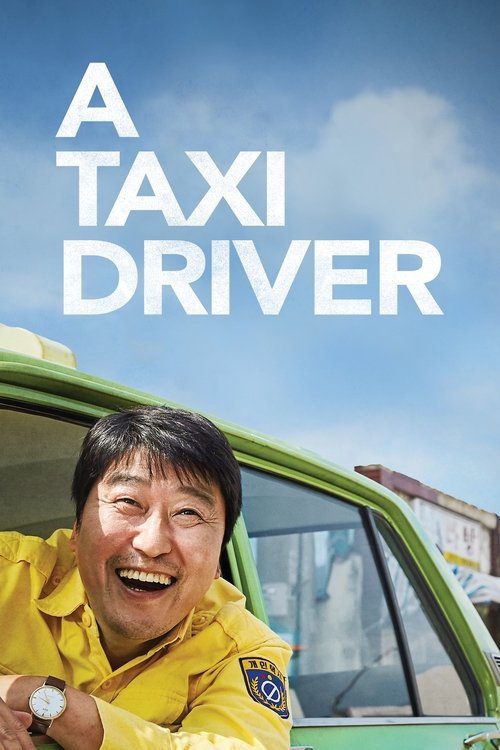
 Song Kang-ho
 Thomas Kretschmann
 Yoo Hai-jin
 Ryu Jun-yeol

 Luigi Lo Cascio
 Alessio Boni
 Adriana Asti
 Sonia Bergamasco

 Lamberto Maggiorani
 Enzo Staiola
 Lianella Carell
 Gino Saltamerenda

 Gunnar Bju00f6rnstrand
 Bengt Ekerot
 Nils Poppe
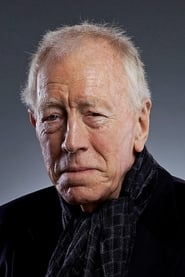 Max von Sydow

 Bibi Andersson
 Liv Ullmann
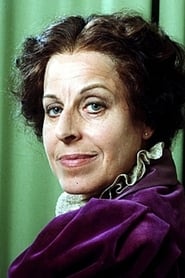 Margaretha Krook
Gunnar Bju00f6rnstrand

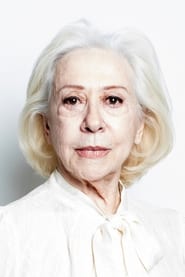 Fernanda Montenegro
 Vinu00edcius de Oliveira
 Maru00edlia Pu00eara
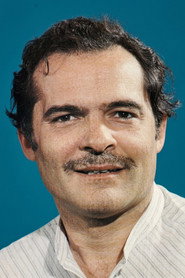 Othon Bastos

 Pedro Infante
 Rosario Granados
 Domingo Soler
 Magda Guzmu00e1n
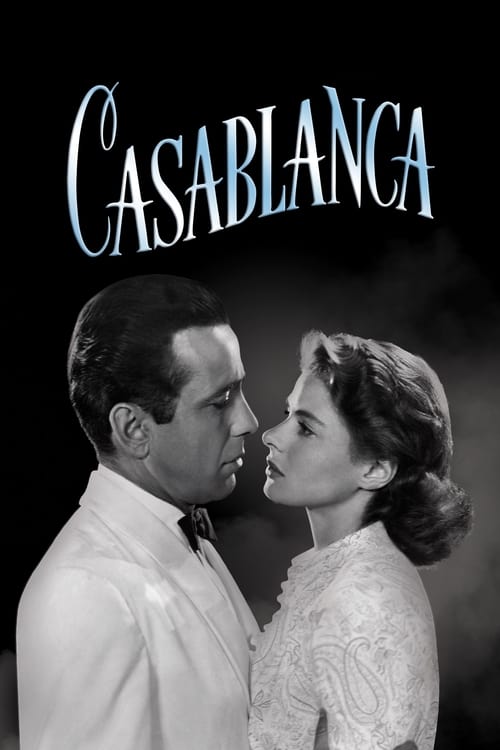
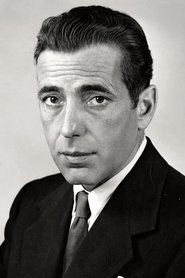 Humphrey Bogart
 Ingrid Bergman
 Paul Henreid
 Claude Rains

 Vincent Cassel
 Hubert Koundu00e9
 Sau00efd Taghmaoui
 Abdel Ahmed Ghili
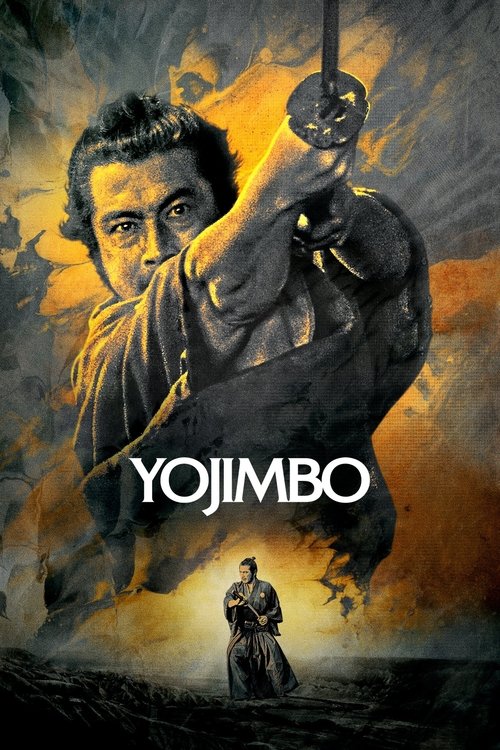
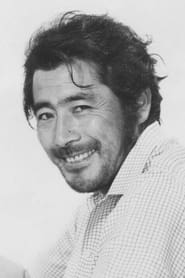 Toshiru014d Mifune
Tatsuya Nakadai
 Yu014dko Tsukasa
 Isuzu Yamada
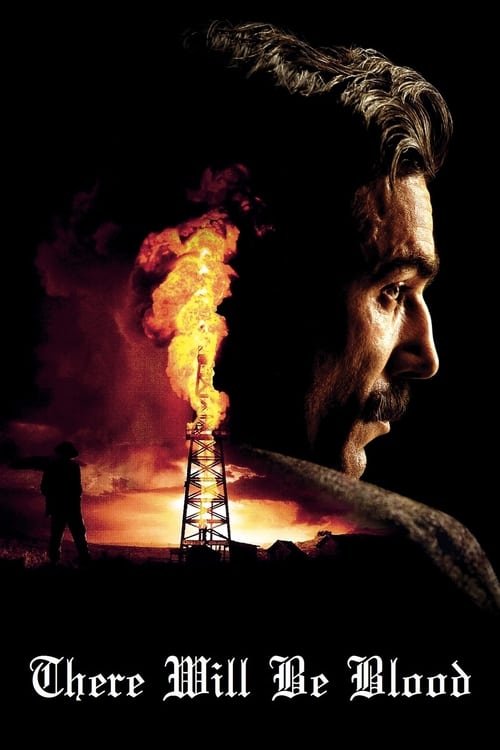
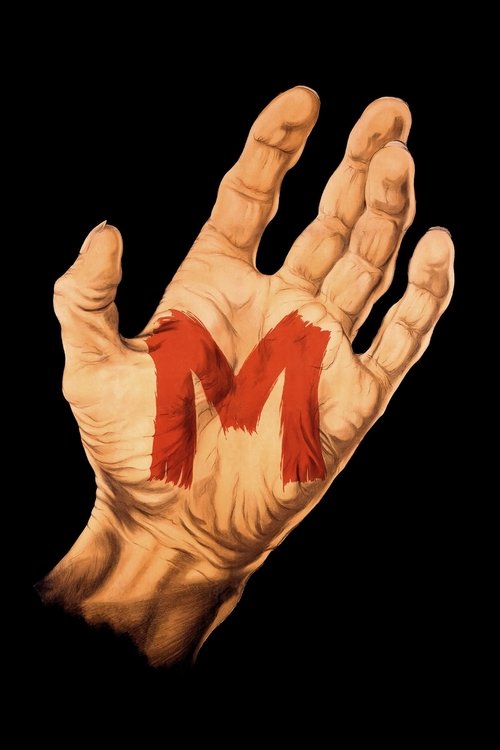
 Peter Lorre
 Ellen Widmann
 Inge Landgut
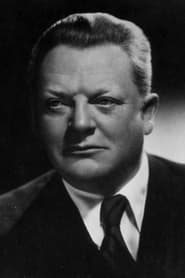 Otto Wernicke


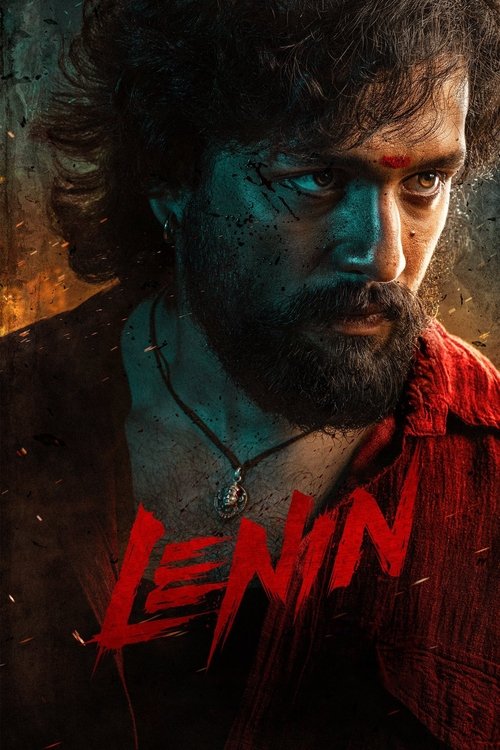
 Akhil Akkineni
 Bhagyashri Borse
 Sivaji Sontineni
 Easwari Rao


 Martin Balsam
 John Fiedler
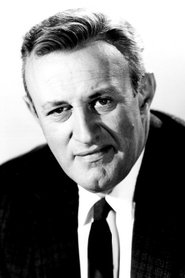 Lee J. Cobb
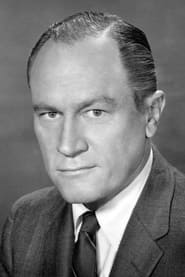 E.G. Marshall

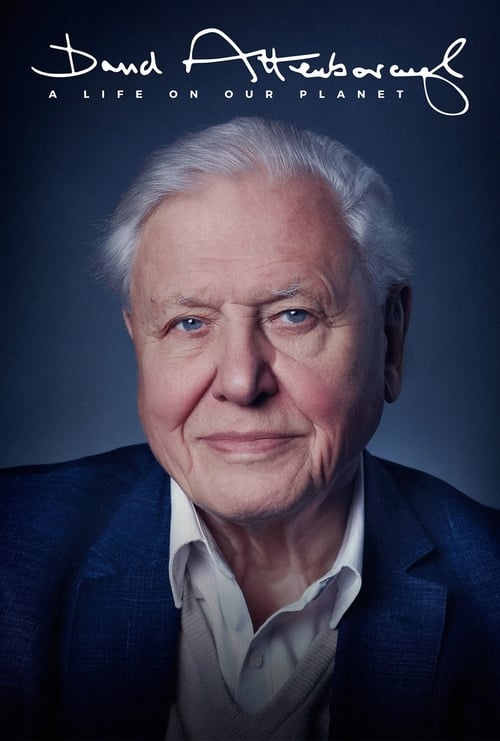
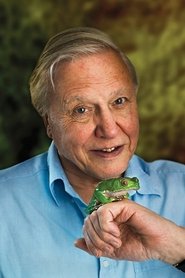 David Attenborough
 Toshiru014d Mifune
 Takashi Shimura
 Yoshio Inaba
 Seiji Miyaguchi

 Philippe Noiret
 Jacques Perrin
 Marco Leonardi
 Salvatore Cascio

 O. J. Simpson
 Nicole Brown Simpson
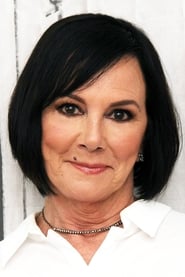 Marcia Clark
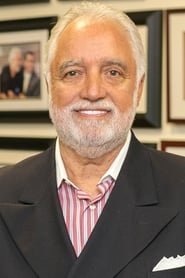 Danny Bakewell Sr.

 Adrien Brody
Thomas Kretschmann
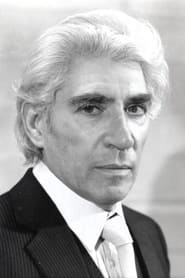 Frank Finlay
 Maureen Lipman
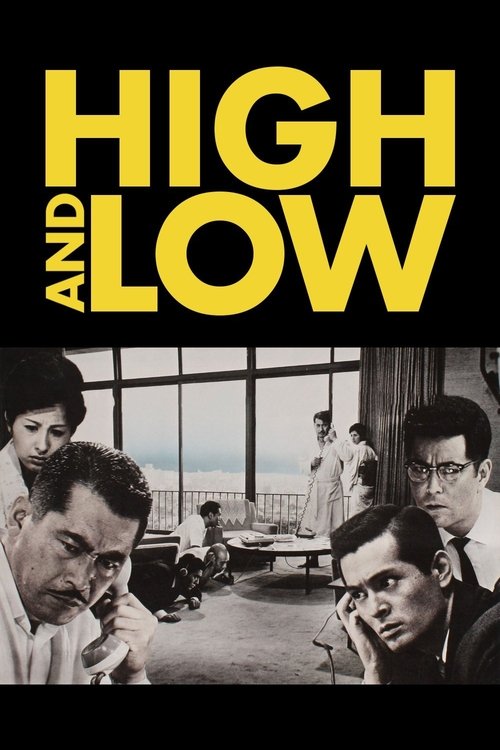 Toshiru014d Mifune
Tatsuya Nakadai
 Kyu014dko Kagawa
 Tatsuya Mihashi

 J. Michael Finley
 Milo Ventimiglia
 Sophie Skelton
 Arielle Kebbel
 Takashi Shimura
 Haruo Tanaka
 Nobuo Kaneko
 Bokuzen Hidari

 Kirk Douglas
 Ralph Meeker
 Adolphe Menjou
 George Macready

 Michel Constantin
 Jean Keraudy
 Philippe Leroy
 Raymond Meunier

 Vittorio Gassman
 Jean-Louis Trintignant
 Catherine Spaak
 Claudio Gora

 Eiji Okada
 Kyu00f4ko Kishida
 Ku014dji Mitsui

 Chishu016b Ryu016b
 Chieko Higashiyama
 Setsuko Hara
 Haruko Sugimura

 Jack Lemmon
 Shirley MacLaine
 Fred MacMurray
 Ray Walston

 Kim Min-hee
 Kim Tae-ri
 Ha Jung-woo
 Cho Jin-woong

 Aspen Kennedy Wilson
 Priscilla C. Shirer
 Cameron Arnett
 Karen Abercrombie


 Yuumi Kawai
 Mizuki Yoshida
 Yoichiro Saito
 Kota Oka


 Tom Cruise
 Miles Teller
 Jennifer Connelly
 Bashir Salahuddin

 Gong Yoo
 Jung Yu-mi
 Kim Hyeon-soo
 Jung In-seo

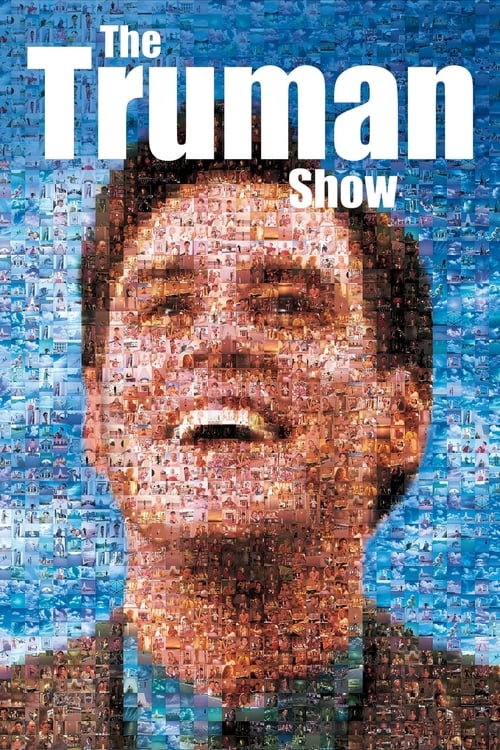
 Jim Carrey
 Laura Linney
 Noah Emmerich
 Natascha McElhone


 Arvind Swamy
 Karthi
 Rajkiran
 Jayaprakash

 Rakshit Shetty
 Rukmini Vasanth
 Sharath Lohitashwa
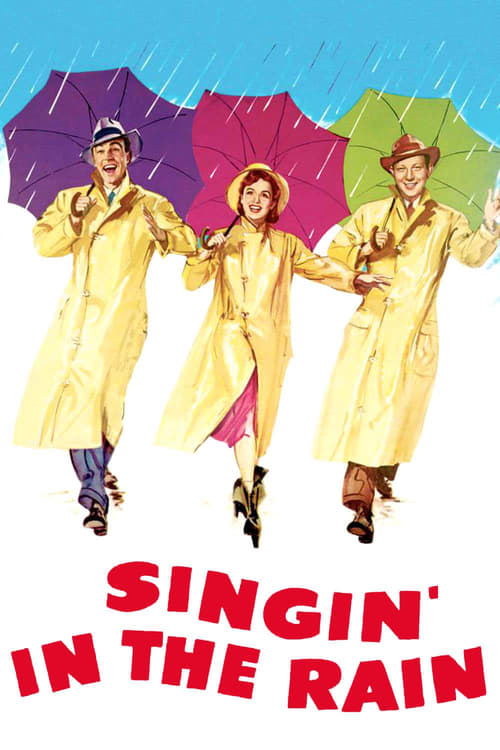
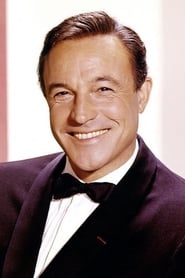 Gene Kelly
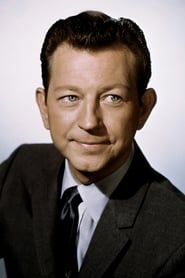 Donald O'Connor
 Debbie Reynolds
 Jean Hagen

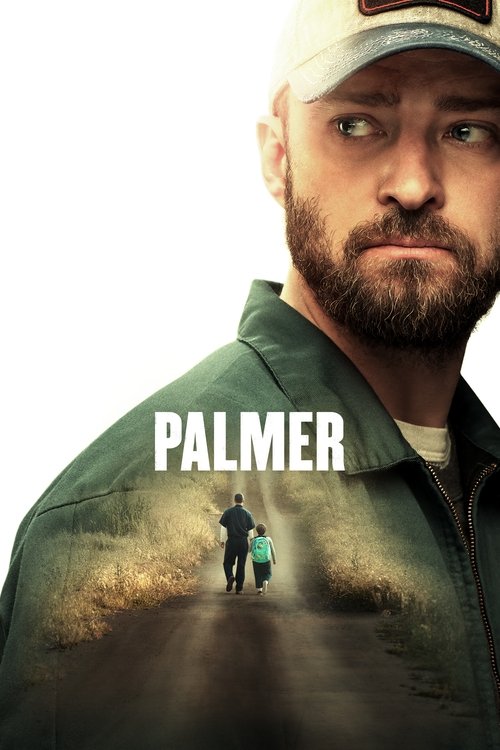

 Matthew Modine
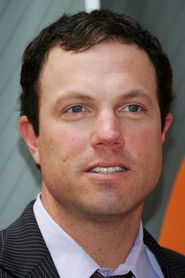 Adam Baldwin
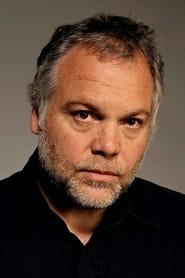 Vincent D'Onofrio
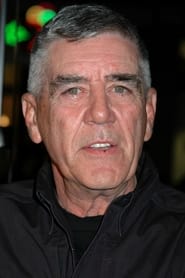 R. Lee Ermey

 Zarin Shihab
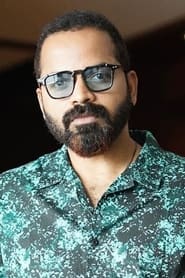 Vinay Forrt
 Kalabhavan Shajon

 Zhou Dongyu
 Jackson Yee
 Yin Fang
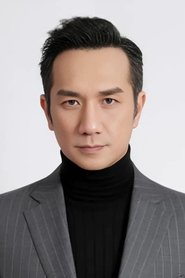 Huang Jue

 Lubna Azabal
 Mu00e9lissa Du00e9sormeaux-Poulin
 Maxim Gaudette
 Ru00e9my Girard

 Jacob Tremblay
 Julia Roberts
 Owen Wilson
 Izabela Vidovic
 Liv Ullmann
 Erland Josephson
Bibi Andersson
 Jan Malmsju00f6

 Jamie Foxx
 Tina Fey
 Graham Norton
 Rachel House
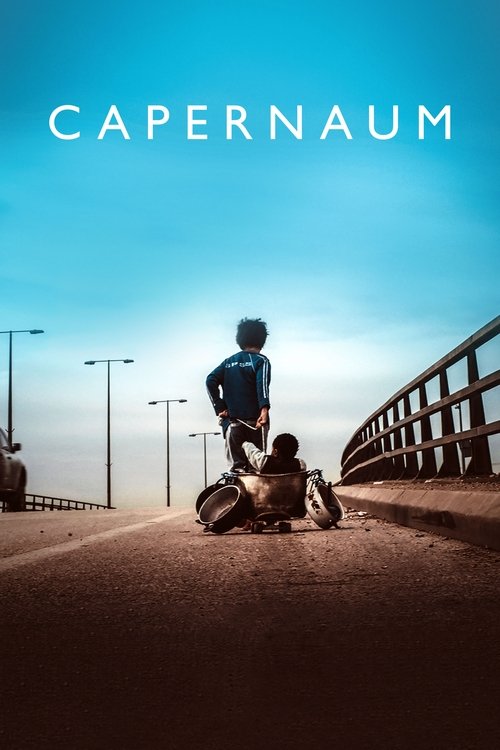
 Zain Al Rafeea
 Yordanos Shifera
 Boluwatife Treasure Bankole
 Kawsar Al Haddad

 Victor Sju00f6stru00f6m
Bibi Andersson
 Ingrid Thulin
Gunnar Bju00f6rnstrand


 Fred MacMurray
 Barbara Stanwyck
 Edward G. Robinson
 Porter Hall

 Nou00e9mie Merlant
 Adu00e8le Haenel
 Luu00e0na Bajrami
 Valeria Golino

 Mads Mikkelsen
 Thomas Bo Larsen
 Annika
 Lasse Fogelstru00f8m
 Anthony Hopkins
 Olivia Colman
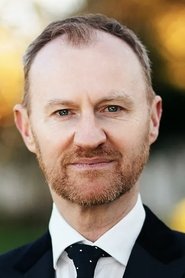 Mark Gatiss
 Olivia Williams

 Aki Asakura
 Takeo Chii
 Nobuko Miyamoto
 Kengo Kora



 Maggie Cheung
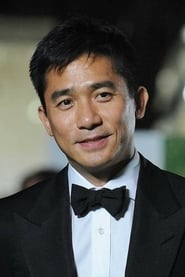 Tony Leung Chiu-wai
 Siu Ping-Lam
 Rebecca Pan
 Vittorio Gassman
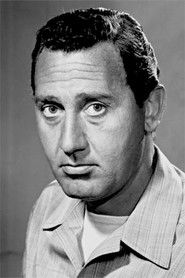 Alberto Sordi
 Silvana Mangano
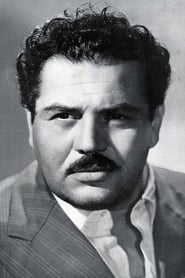 Folco Lulli
 Mario Casas
 Ana Wagener
 Jose Coronado
 Bu00e1rbara Lennie

 Luis Fernando Peu00f1a
 Martha Higareda
 Ximena Sariu00f1ana
 Alfonso Herrera
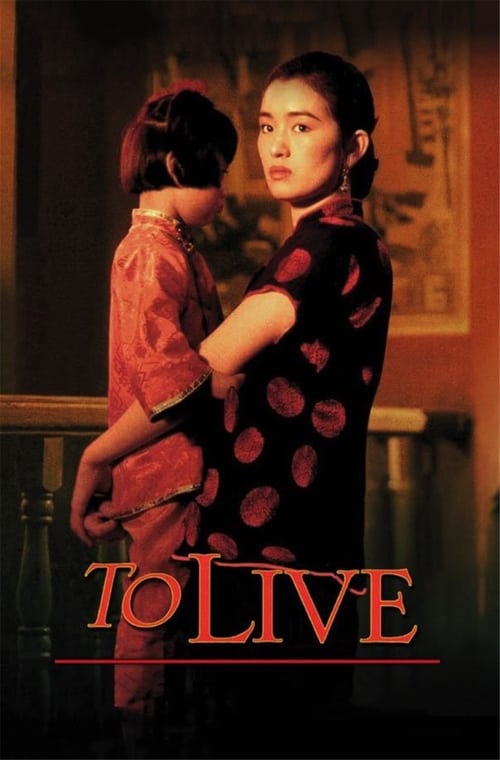
 Ge You
 Gong Li
 Niu Ben
 Guo Tao
 Song Kang-ho
 Kim Sang-kyung
 Kim Roi-ha
 Song Jae-ho

 Wagner Moura
 Andru00e9 Ramiro
 Caio Junqueira
 Milhem Cortaz


 Sarocha Chankimha
 Becky Armstrong
 Torfan Taweema
 Siriam Pakdeedumrongrit


 Sofia Carson
 Nicholas Galitzine
 John Harlan Kim
 Chosen Jacobs

 Sarah Snook
 Kodi Smit-McPhee
 Jacki Weaver
 Magda Szubanski
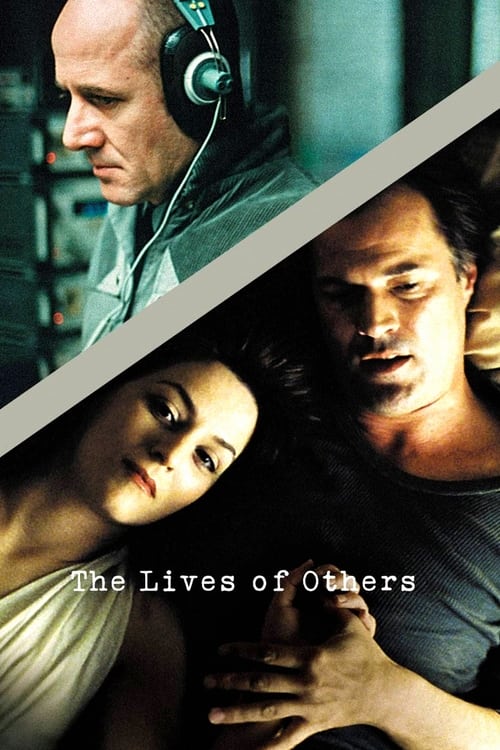
 Martina Gedeck
 Ulrich Mu00fche
 Sebastian Koch
 Ulrich Tukur

 Ajay Devgn
 Akshaye Khanna
 Tabu
 Shriya Saran

 Javiar Ilham

 Kyu014dsuke Machida
 Tomisaburu014d Wakayama
 Sumiko Fuji
 Shingo Yamashiro

 Cemre Paksoy
 Bruce McKenzie
 Elu00e9onore Hendricks
 Colleen Rose Trundy

 Maulana Rafi
 Muhammad Fadillah
 Siti Nur Mayang
 Raisha Sabrina

 Li Sitong
 Wang Yantong
 Wu Shaoqing
 Zheng Runqi


 Yu Yi
 Kong Lianshun
 Fu Mei
 Shang Na

 Ken Belsky
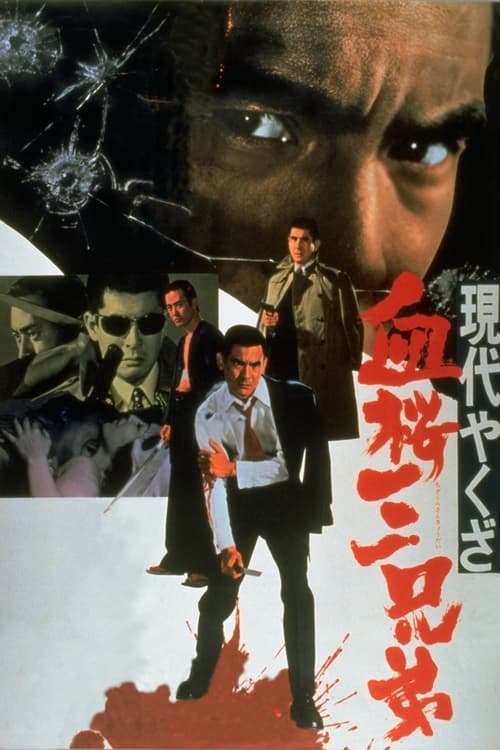
 Goru014d Ibuki
 Tsunehiko Watase
 Ichiro Araki
 Asao Koike
 Masaki Nakao
 Ryota Ozawa
 Shunsuke Nishikawa
 Yosuke Kishi

 Lizzie Freeman
 Alex Rochon
 Michael Kovach
 Amanda Hufford

 Luisa Adreena
 Freya Mikhayla

 Ignacio Lu00f3pez Tarso
 Pina Pellicer
 Enrique Lucero
 Mario Alberto Rodru00edguez

 Pimchanok Luevisadpaibul
 Thanapob Leeratanakachorn
 Sivakorn Adulsuttikul
 Chartayodom Hiranyatithi

 Lou Goossens
 Marius De Saeger
 Geert Van Rampelberg
 Emilie De Roo
 Sally Field
 Lewis Pullman
 Colm Meaney
 Alfred Molina
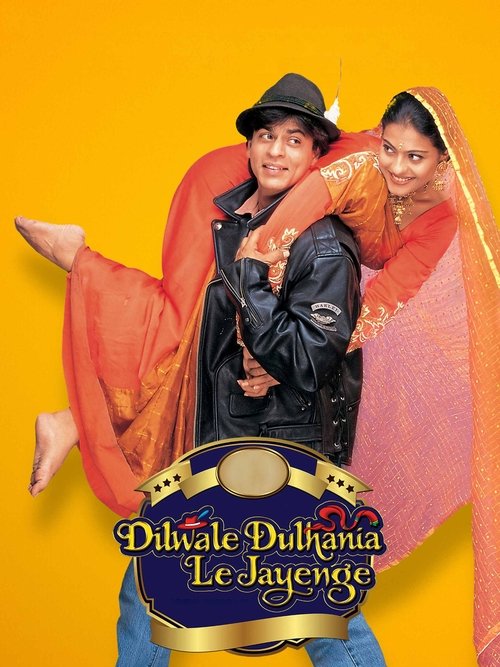

 Kim Molina
 Jerald Napoles
 Al Tantay
 Althea Ruedas

 Song Kang-ho
 Lee Sun-kyun
 Cho Yeo-jeong
 Choi Woo-shik



 Tsutomu Tatsumi
 Ayano Shiraishi
 Yoshiko Shinohara

 Roberto Benigni
 Nicoletta Braschi
 Giorgio Cantarini
 Giustino Durano


 Alexandre Rodrigues
 Leandro Firmino
 Phellipe Haagensen
 Douglas Silva

 Choo Young-woo
 Shin Sia
 Cho Yu-jung
 Jin Ho-eun

 Jack Nicholson
 Brad Dourif
 Louise Fletcher
 Danny DeVito

 Sakura Kirishima
 Masamitsu Kani
 Hotaru Hazuki


 Ren Nagase
 Natsuki Deguchi
 Mayuu Yokota
 Fumino Kimura

 Sul Kyung-gu
 Uhm Ji-won
 Lee Re
 Kim Sang-ho

 Melanie Zanetti
 Giulio Berruti
 Kurt McKinney
 Agnes Albright


 Scarlett Diamond
 Vincent Vargas
 Adam Hightower
 Shawn Stevens

 Jung Jinyoung
 DAHYUN
 Demian
 Lee Min-goo

 James Stewart
 Grace Kelly
 Wendell Corey
 Thelma Ritter

 Eugenio Derbez
 Daniel Haddad
 Jennifer Trejo
 Mia Fernanda Solis
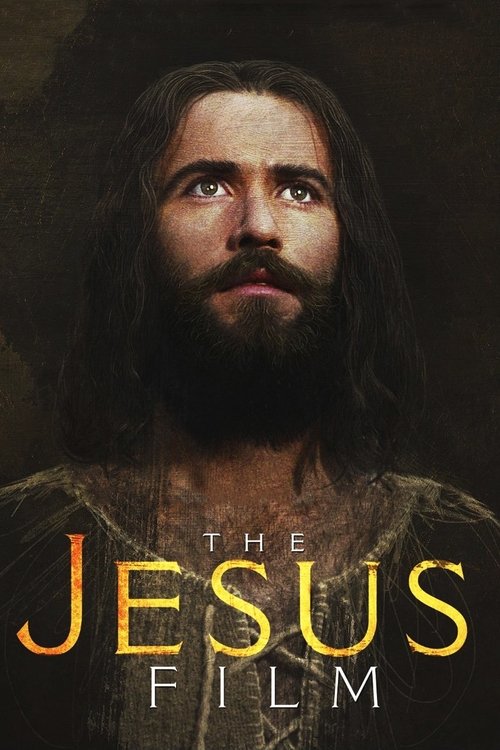
 Brian Deacon
 Rivka Neuman
 Alexander Scourby
 Niko Nitai


 Gippy Grewal
 Mahie Gill
 Gurpreet Ghuggi
 Binnu Dhillon

 Ennio Morricone
 Alessandro Alessandroni



 Aras Bulut u0130ynemli
 Nisa Sofiya Aksongur
 u0130lker Aksum
 Mesut Akusta


 Jodie Foster
Anthony Hopkins
 Scott Glenn
 Ted Levine
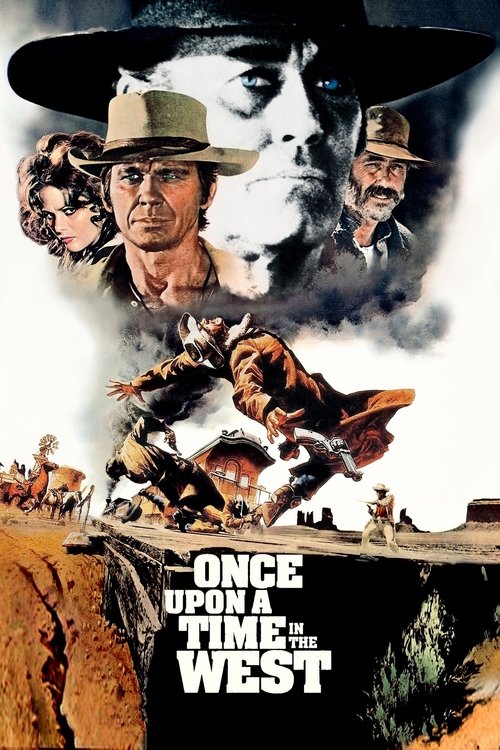 Claudia Cardinale
 Henry Fonda
 Jason Robards
 Charles Bronson
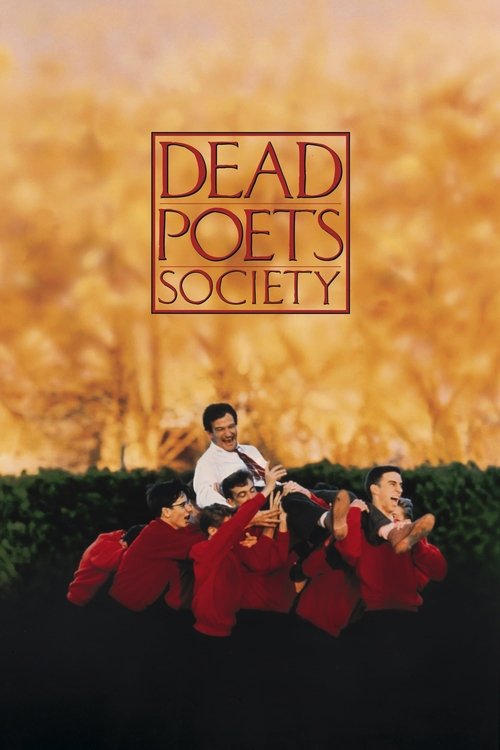
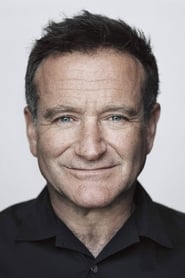 Robin Williams
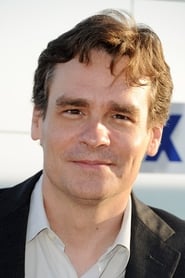 Robert Sean Leonard
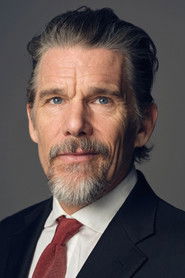 Ethan Hawke
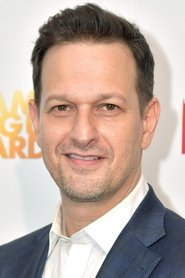 Josh Charles
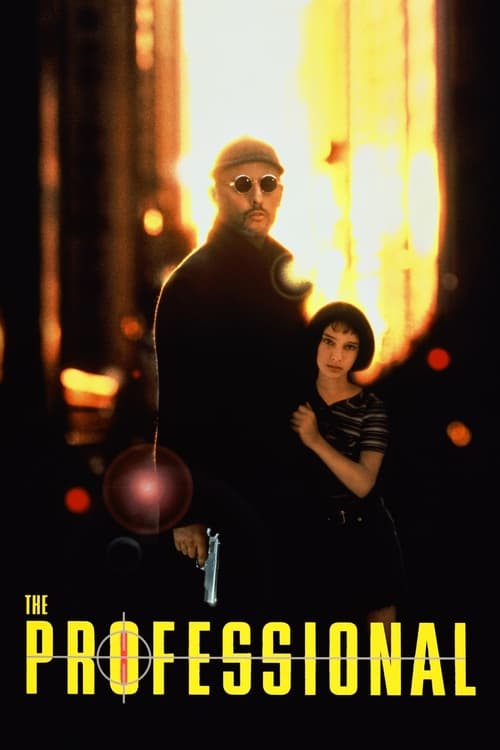
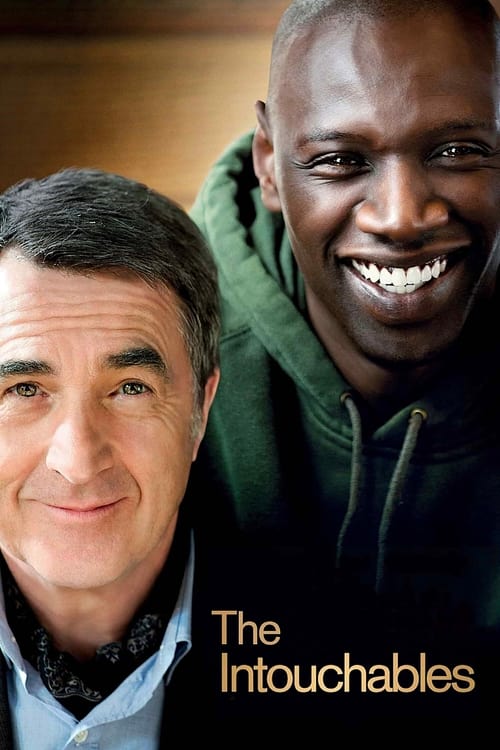
 Franu00e7ois Cluzet
 Omar Sy
 Anne Le Ny
 Audrey Fleurot

 Michel Bouquet
 Reinhard Heydrich
 Heinrich Himmler
 Adolf Hitler

 Jamilli Correa
 Fu00e1tima Macedo
 Ru00f4mulo Braga

 Taishi Nakagawa
 Kaya Kiyohara
 Yume Miyamoto
 Kazuyuki Okitsu

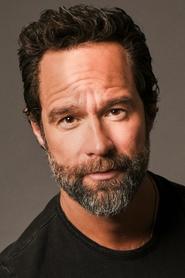 Chris Diamantopoulos
 Kaitlyn Robrock
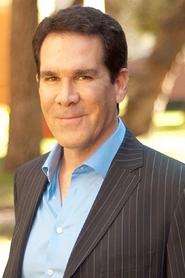 Tony Anselmo
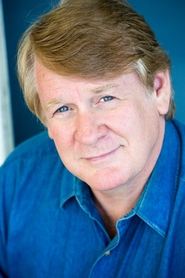 Bill Farmer
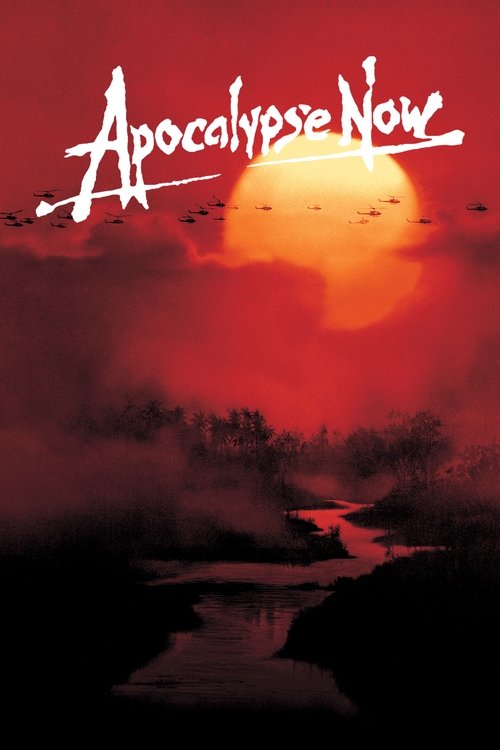

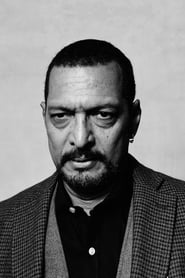 Nana Patekar
 Medha Manjrekar
 Vikram Gokhale
 Mrunmayee Deshpande

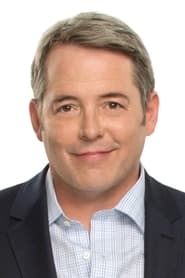 Matthew Broderick
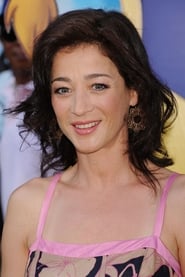 Moira Kelly
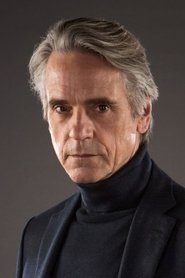 Jeremy Irons
 Nathan Lane