Show Adult Titles
Show Adult Posters & Images


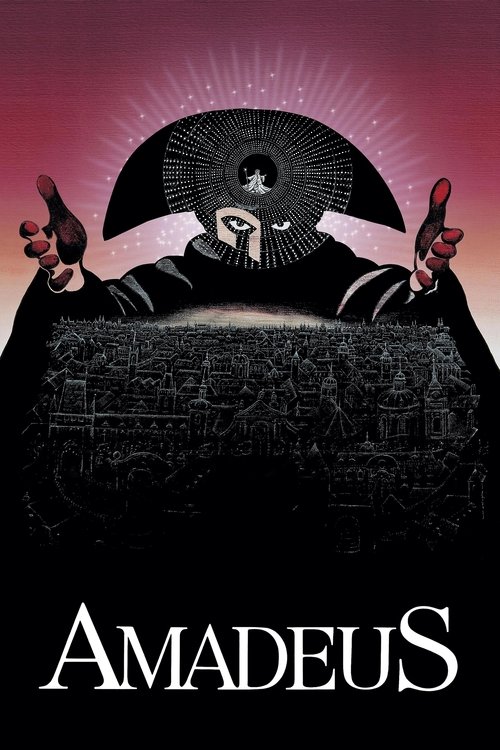
In the 19th century, Romantic composer/pianist Franz Liszt tries to end his hedonistic ways but keeps getting sucked back in by his seductive fellow composer Richard Wagner.
 Filmin
 Amazon Video
 Apple TV Store
 Fandango At Home
 Google Play Movies
 Sooner
 YouTube
Amazon Video
Apple TV Store
Fandango At Home
Google Play Movies
Sooner
YouTube







This section contains spoilers
The full plot reveals key story details including the ending.


 F. Murray Abraham
 Tom Hulce
 Elizabeth Berridge
 Simon Callow


 Roberto Benigni
 Nicoletta Braschi
 Giorgio Cantarini
 Giustino Durano

 Jorge Negrete
 Pedro Infante
 Carmelita Gonzu00e1lez
 Yolanda Varela
 Pedro Infante
 Luis Aguilar
 Alma Delia Fuentes

 Ennio Morricone
 Alessandro Alessandroni

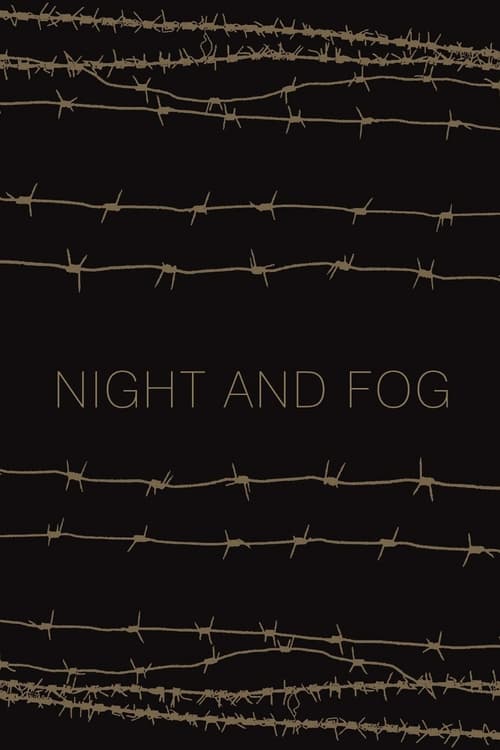
 Michel Bouquet
 Reinhard Heydrich
 Heinrich Himmler
 Adolf Hitler
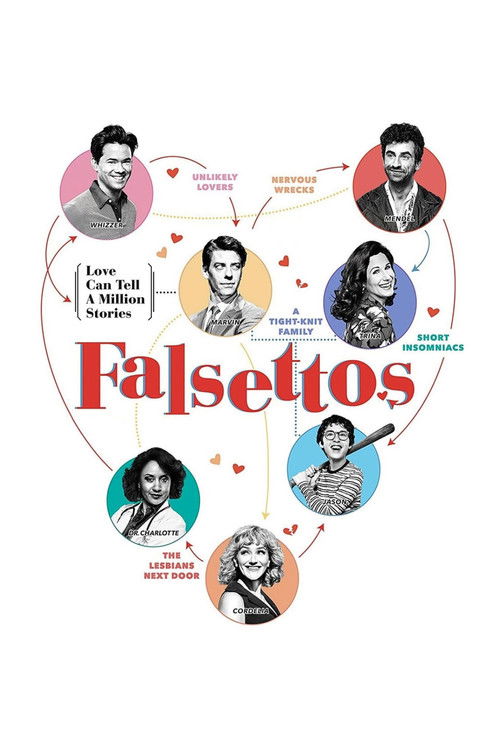
 Christian Borle
 Stephanie J. Block
 Andrew Rannells
 Brandon Uranowitz

 Arden Cho
 May Hong
 Ji-young Yoo
 Ahn Hyo-seop
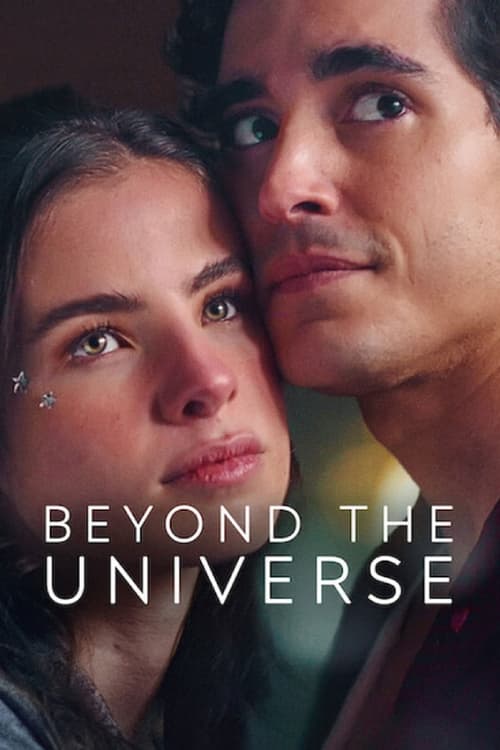
 Henrique Zaga
 Giulia Be
 Jou00e3o Miguel
 Othon Bastos

 Ailsa Davidson
 Simon Gordon
 Maddison Firth
 Vivian Panka

 Tim Roth
 Pruitt Taylor Vince
 Mu00e9lanie Thierry
 Bill Nunn

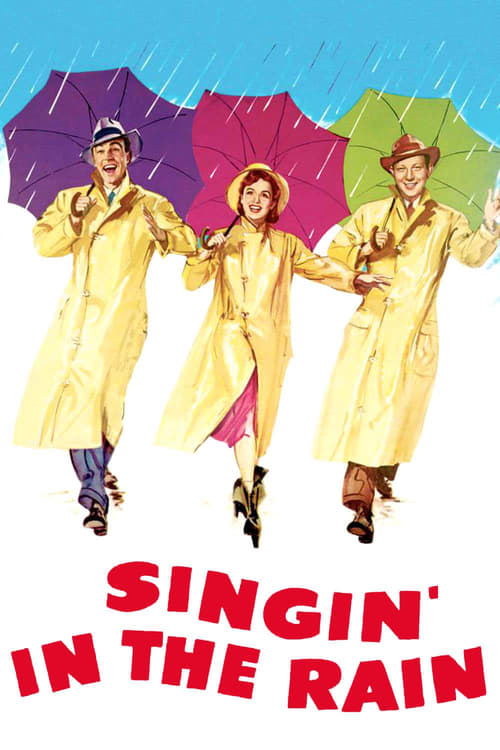
 Gene Kelly
 Donald O'Connor
 Debbie Reynolds
 Jean Hagen

 Bo Burnham

 Douglas Booth
 Robert Gulaczyk
 Eleanor Tomlinson
 Helen McCrory

 Ingrid Bergman
 Liv Ullmann
 Lena Nyman
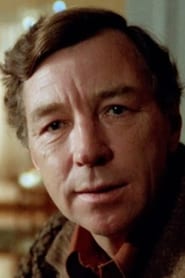 Halvar Bju00f6rk

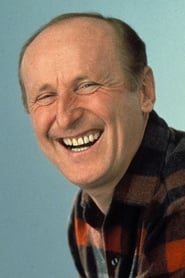 Bourvil
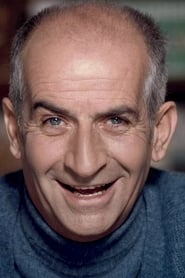 Louis de Funu00e8s
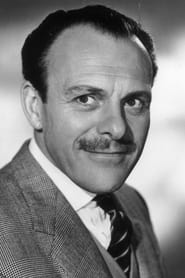 Terry-Thomas
 Claudio Brook

 Lino Ventura
 Paul Meurisse
 Jean-Pierre Cassel
 Simone Signoret

 Teruaki Ogawa
 Satomi Hirose
 Hiroshi Tsuchida

 Katsuhiro Suzuki
 Ryoma Baba
 Arisa Komiya
 Hiroya Matsumoto

 Li Sitong
 Wang Yantong
 Wu Shaoqing
 Zheng Runqi

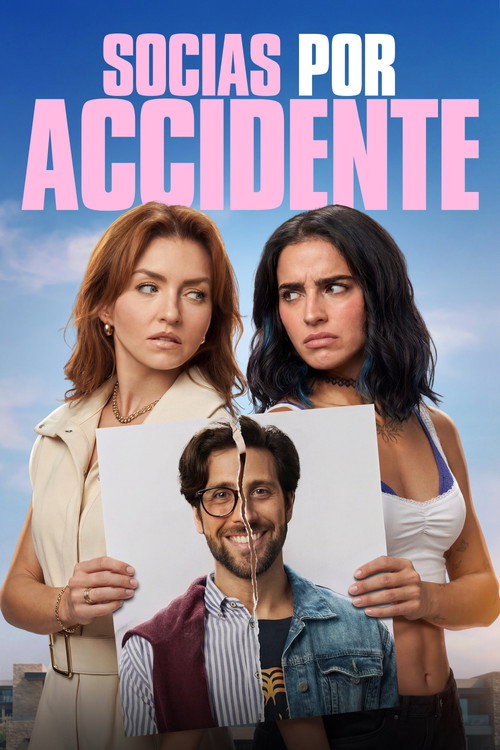
 Angelique Boyer
 Bu00e1rbara de Regil
 Diego Klein
 Lucu00eda Uribe
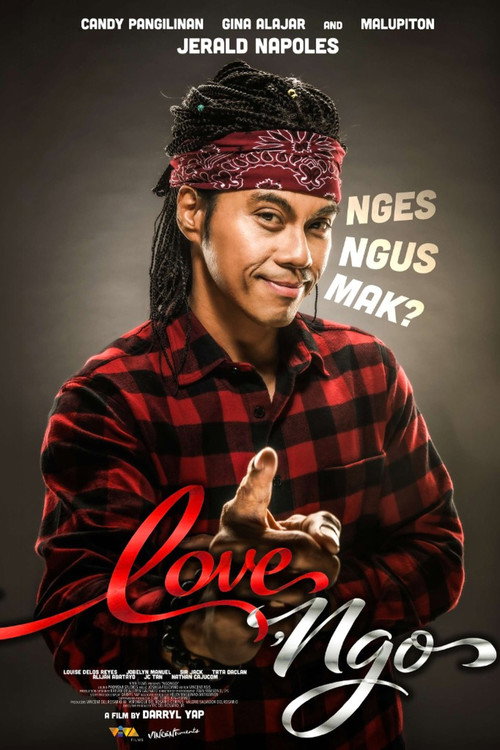
 Jerald Napoles
 Gina Alajar
 Louise delos Reyes
 Candy Pangilinan

 Ludwika Paleta
 Juanpa Zurita
 Harold Azuara
 Yuriria del Valle


 Steve Harris
 Bruce Dickinson
 Nicko McBrain
 Adrian Smith
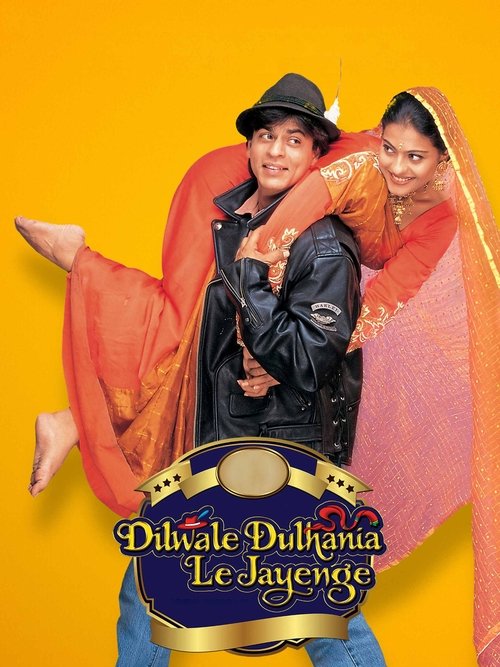
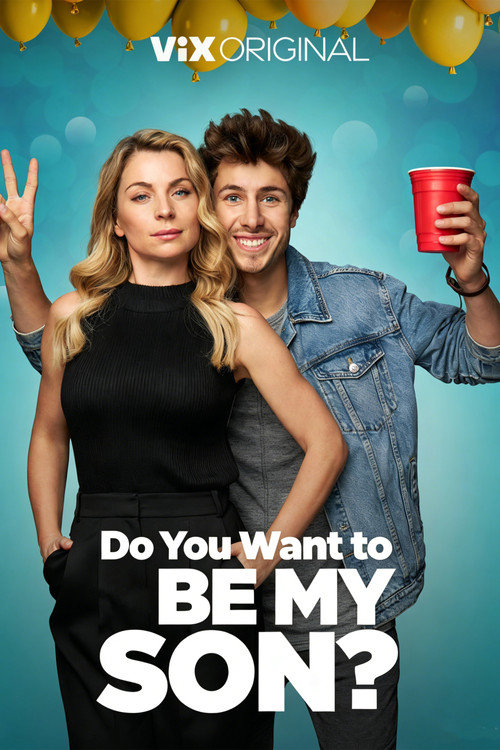 Ludwika Paleta
Juanpa Zurita
 Hernu00e1n Mendoza
Harold Azuara
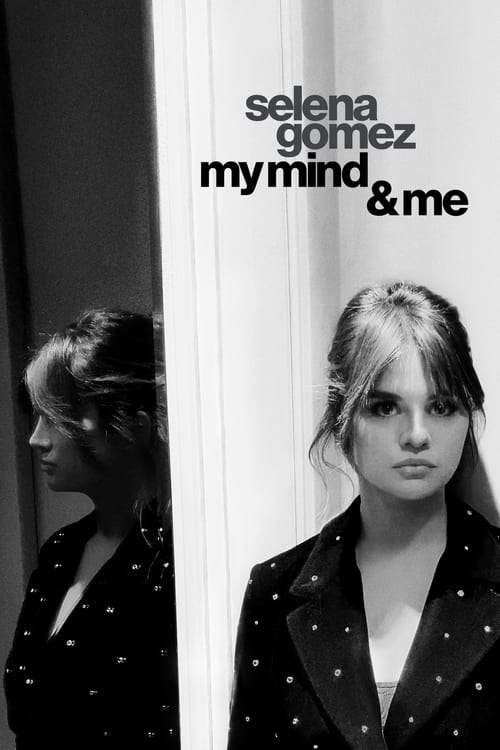
 Selena Gomez
 Raquelle Stevens

 Kim Molina
Jerald Napoles
 Al Tantay
 Althea Ruedas

 Ashleigh Ball
 Andrea Libman
 Tara Strong
 Rebecca Shoichet

 Song Kang-ho
 Lee Sun-kyun
 Cho Yeo-jeong
 Choi Woo-shik


 Cantinflas
 Roberto Soto
 Gilberto Gonzu00e1lez
 Elisa Quintanilla

 O. J. Simpson
 Nicole Brown Simpson
 Marcia Clark
 Danny Bakewell Sr.
 RM
 Jin
 SUGA
 j-hope


 Tatsuya Nakadai
 Akira Ishihama
 Shima Iwashita
 Tetsuro Tamba

 Zoey Deutch
 Nick Robinson
 Ciara Bravo
 Nick Offerman


 Adrien Brody
 Thomas Kretschmann
 Frank Finlay
 Maureen Lipman
 Benny Emmanuel
 Emilio Treviu00f1o
 Jorge Rafael
 Maytu00e9 Cordero

 Jung Jinyoung
 DAHYUN
 Demian
 Lee Min-goo

 Mauricio Ochmann
 Memo Villegas
 Iru00e1n Castillo
 Farah Justiniani
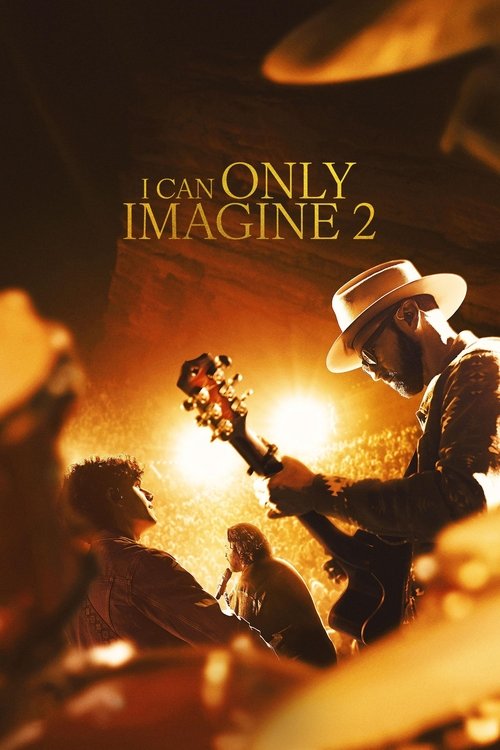
 J. Michael Finley
 Milo Ventimiglia
 Sophie Skelton
 Arielle Kebbel
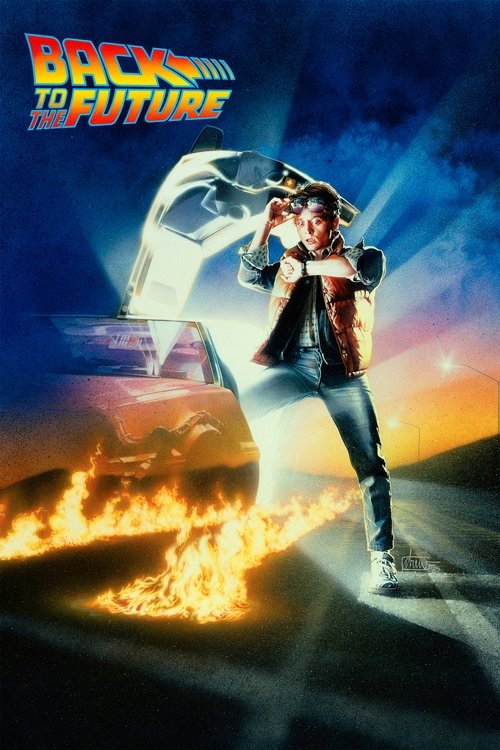
 Michael J. Fox
 Christopher Lloyd
 Crispin Glover
 Lea Thompson

 Gippy Grewal
 Mahie Gill
 Gurpreet Ghuggi
 Binnu Dhillon

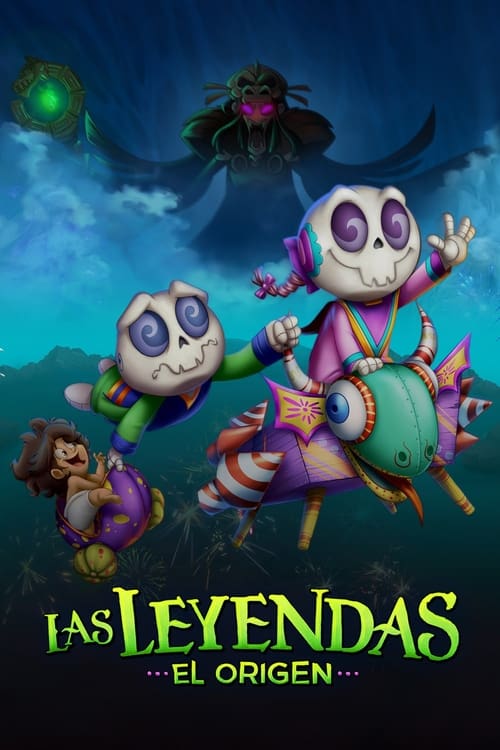
 Paola Ramones
 Emiliano Ugarte
 Liliana Barba Meinecke
 Daniela Ibu00e1u00f1ez
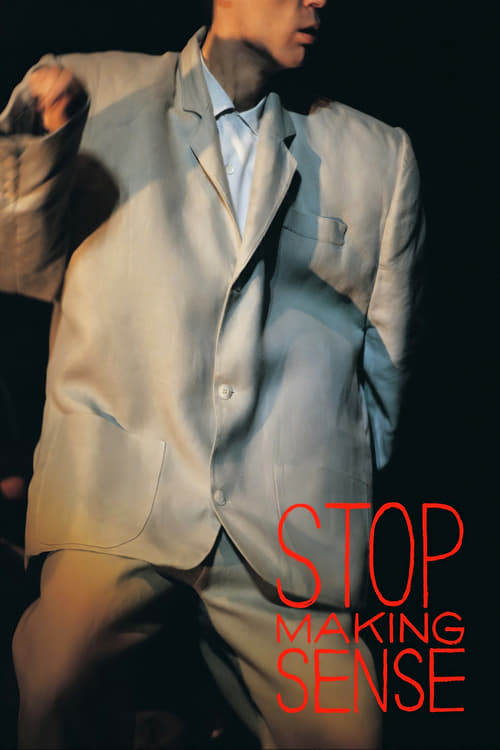
 David Byrne
 Chris Frantz
 Jerry Harrison
 Tina Weymouth
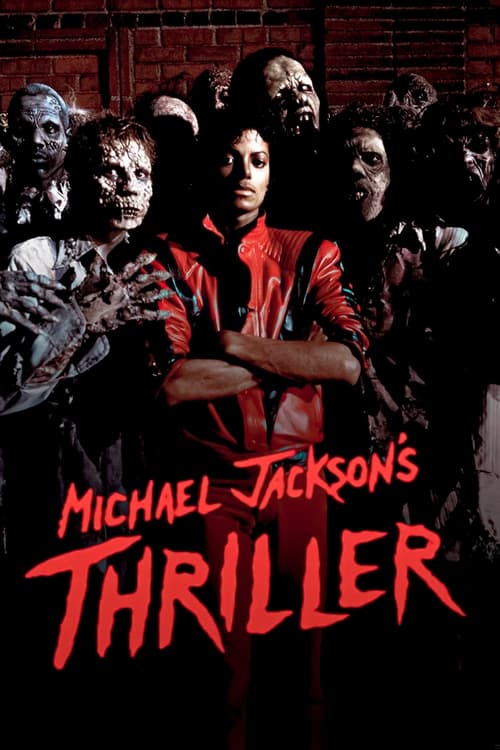
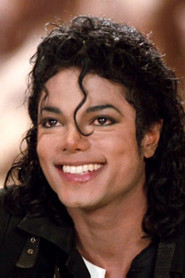 Michael Jackson
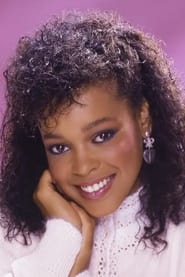 Ola Ray
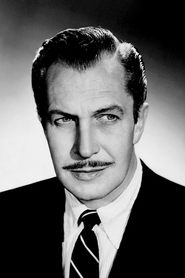 Vincent Price
 Cynthia Garris
 Cantinflas
 Rosita Arenas
 u00c1ngel Garasa
 Rebeca Iturbide
 RM
Jin
SUGA
j-hope

 Franu00e7ois Cluzet
 Omar Sy
 Anne Le Ny
 Audrey Fleurot
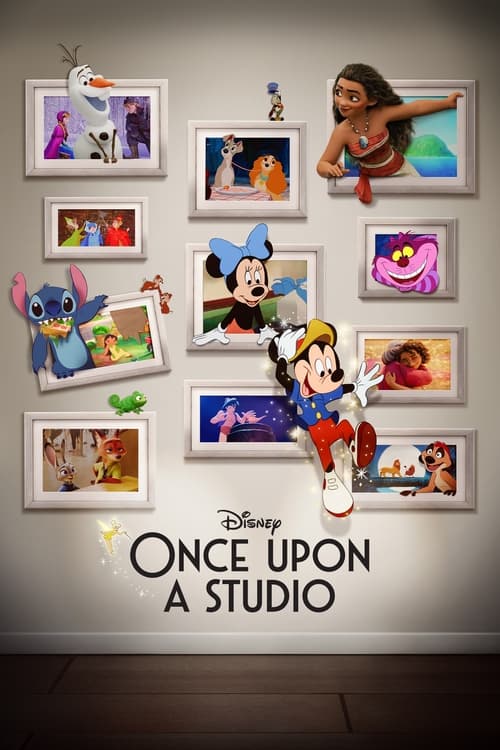
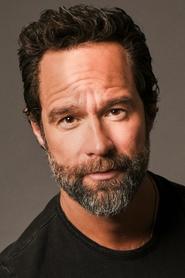 Chris Diamantopoulos
 Kaitlyn Robrock
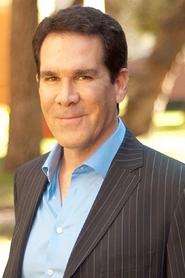 Tony Anselmo
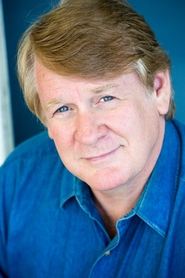 Bill Farmer

 Shin Eun-soo
 Gong Myoung
 Cha Woo-min
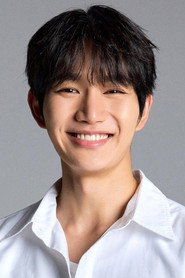 Youn Sang-hyun

 Shun Shioya
 Nao Nagasawa
 Kohei Yamamoto
 Kouhei Higuchi

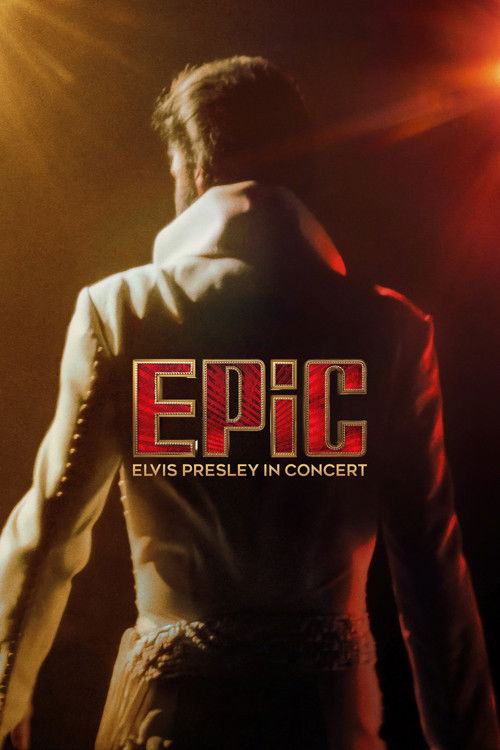
 Elvis Presley
 James Burton
 John Wilkinson
 Charlie Hodge
 Fin Argus
 Sabrina Carpenter
 Madison Iseman
 Neve Campbell


 Cem Yu0131lmaz

 Vittorio Gassman
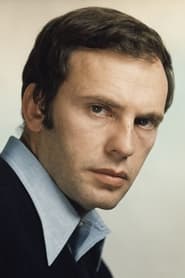 Jean-Louis Trintignant
 Catherine Spaak
 Claudio Gora

 Harry Styles
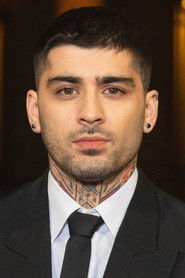 Zayn Malik
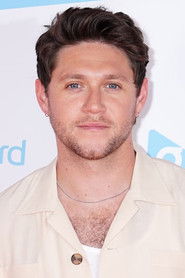 Niall Horan
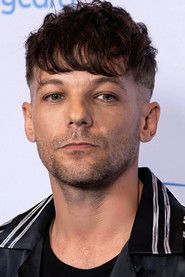 Louis Tomlinson

 Antonio Banderas
 Salma Hayek Pinault
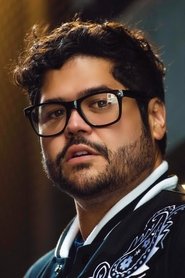 Harvey Guillu00e9n
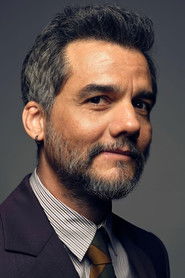 Wagner Moura
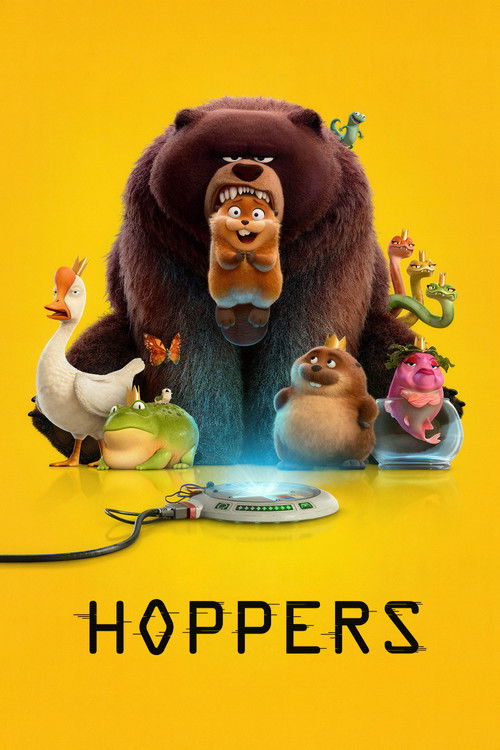
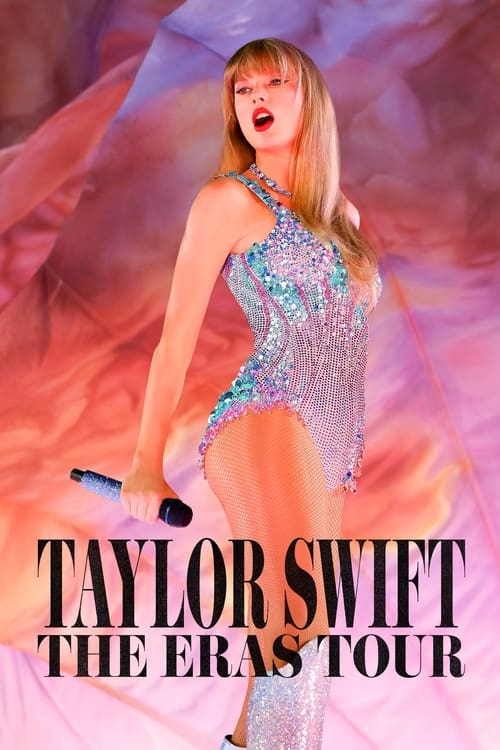
 Taylor Swift
 Mike Meadows
 Max Bernstein
 Paul Sidoti



 Claude Lanzmann

 Jack Lemmon
 Shirley MacLaine
 Fred MacMurray
 Ray Walston
 Anthony Gonzalez
 Gael Garcu00eda Bernal
 Benjamin Bratt
 Alanna Ubach


 JISOO
 JENNIE
 ROSu00c9
 LISA
 Rebecca Shoichet
 Tabitha St. Germain
Ashleigh Ball
Andrea Libman
 Jim Carrey
 Laura Linney
 Noah Emmerich
 Natascha McElhone
 Cantinflas
 Alma Rosa Aguirre
 Miguel Inclu00e1n
 Miguel u00c1ngel Ferriz Sr.
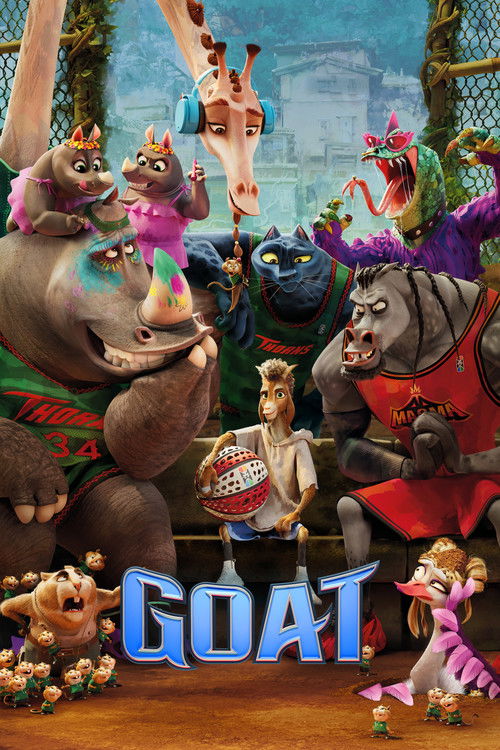
 Caleb McLaughlin
 Gabrielle Union
 Stephen Curry
 Aaron Pierre
 Ugo Tognazzi
 Gastone Moschin
 Philippe Noiret
 Duilio Del Prete

 Natarajan Subramaniam
 Ishara Nair
 Ponvannan
 Ilavarasu
 Tara Strong
Ashleigh Ball
Andrea Libman
Tabitha St. Germain

 William Franklyn-Miller
 Ben Kingsley
 Mary-Louise Parker
 Leo Hanna

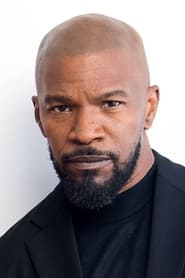 Jamie Foxx
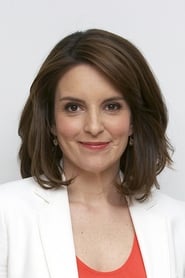 Tina Fey
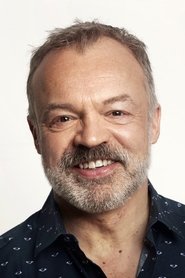 Graham Norton
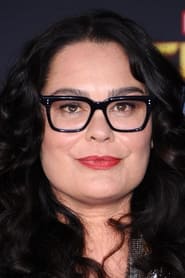 Rachel House

 Hind Rajab
 Motaz Malhees
 Saja Kilani
 Amer Hlehel
 Pedro Infante
Luis Aguilar
Rosita Arenas
 Gloria Mange
 Vittorio Gassman
 Alberto Sordi
 Silvana Mangano
 Folco Lulli
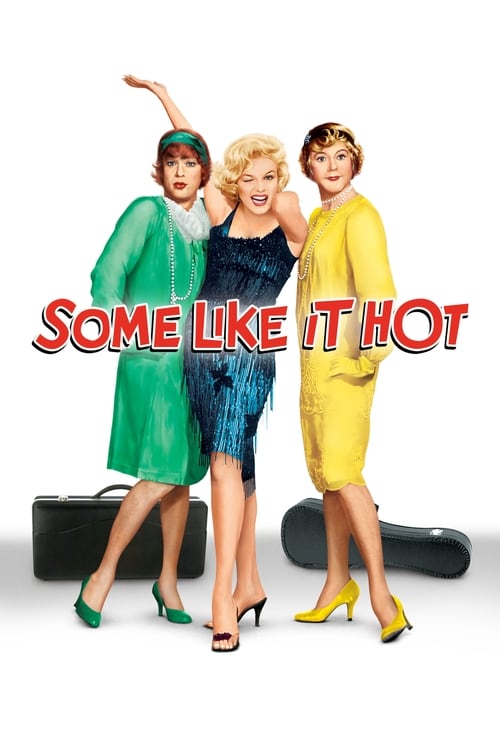
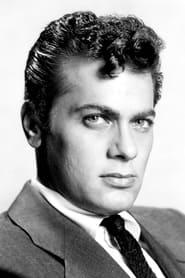 Tony Curtis
Jack Lemmon
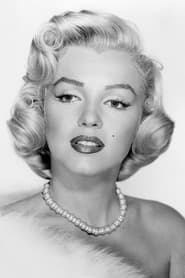 Marilyn Monroe
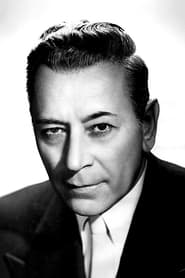 George Raft
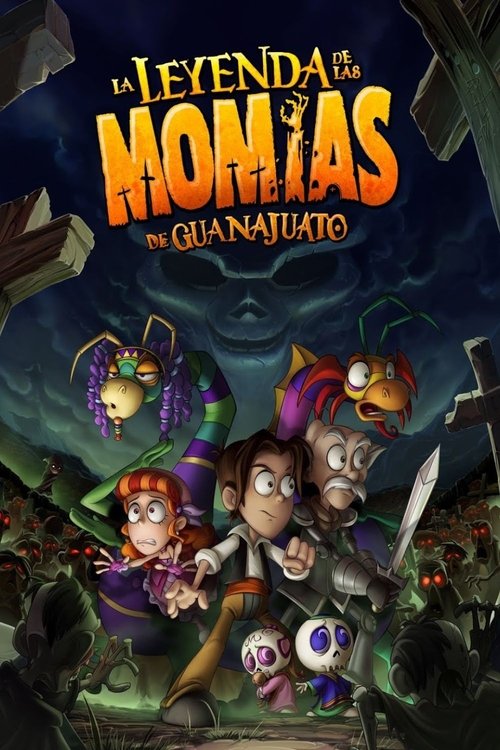
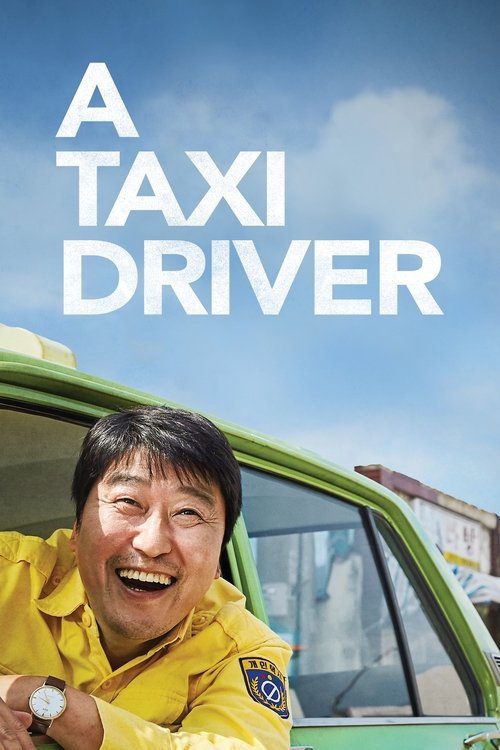 Song Kang-ho
Thomas Kretschmann
 Yoo Hai-jin
 Ryu Jun-yeol


 Luigi Lo Cascio
 Alessio Boni
 Adriana Asti
 Sonia Bergamasco
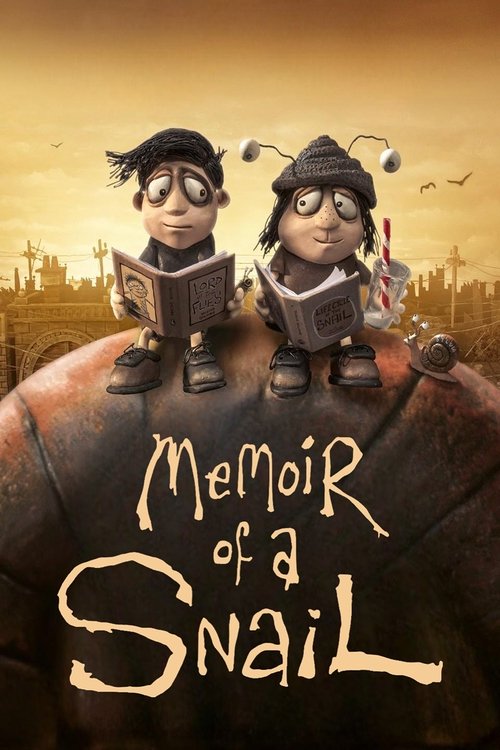
 Sarah Snook
 Kodi Smit-McPhee
 Jacki Weaver
 Magda Szubanski
 Cantinflas
 Teresa Velu00e1zquez
 Joaquu00edn Garcu00eda Vargas
 Carlos Agostu00ed

 Roger Waters
 David Gilmour
 Richard Wright
 Nick Mason


 N.T. Rama Rao
 S. V. Ranga Rao
 Savitri
 Akkineni Nageswara Rao
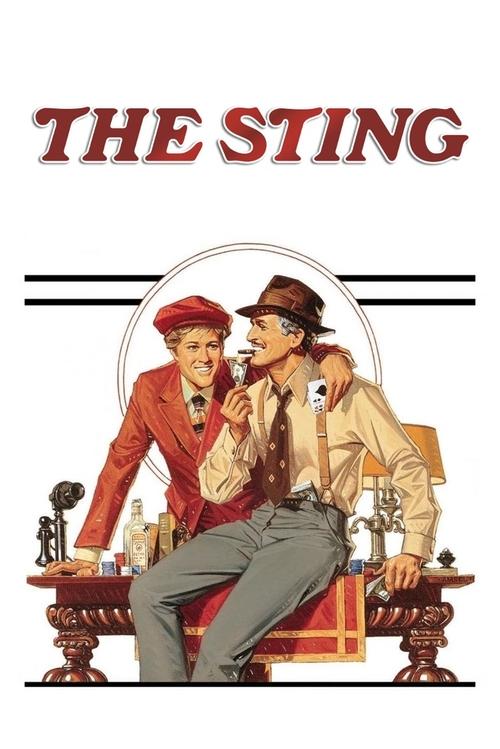
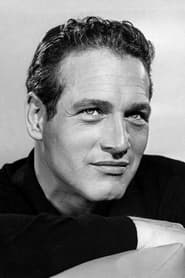 Paul Newman
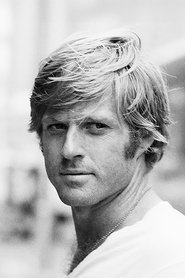 Robert Redford
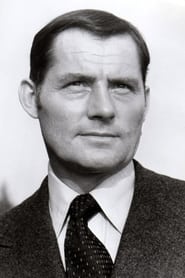 Robert Shaw
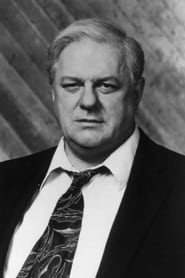 Charles Durning

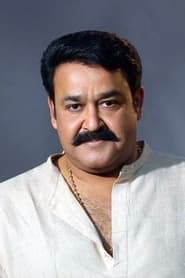 Mohanlal
 Sreenivasan
 Shobana
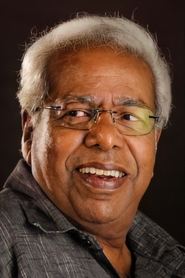 Thilakan
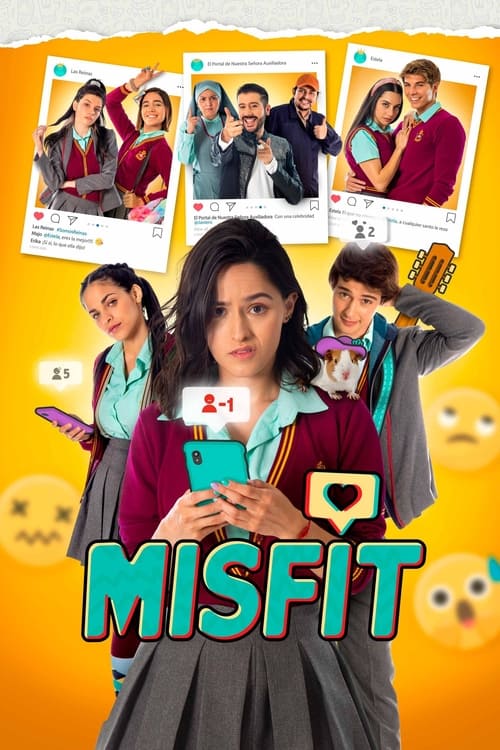
 Alicia Jaziz Zapiu00e9n
 Juliu00e1n Cerati
 Gimena Gu00f3mez
 Javier Luna
 Tatsuya Nakadai
 Akira Terao
 Jinpachi Nezu
 Daisuke Ryu016b


 Brandon Engman
 Brian Stivale
 Shahar Taboch

 Jang Dong-gun
 Won Bin
 Lee Eun-ju
 Gong Hyung-jin

 Basil Joseph
 Lijomol Jose
 Anand Manmadhan
 Sajin Gopu

 Marcello Mastroianni
 Anita Ekberg
 Anouk Aimu00e9e
 Yvonne Furneaux
 Cantinflas
u00c1ngel Garasa
 Daniel Herrera
 Andru00e9s Soler
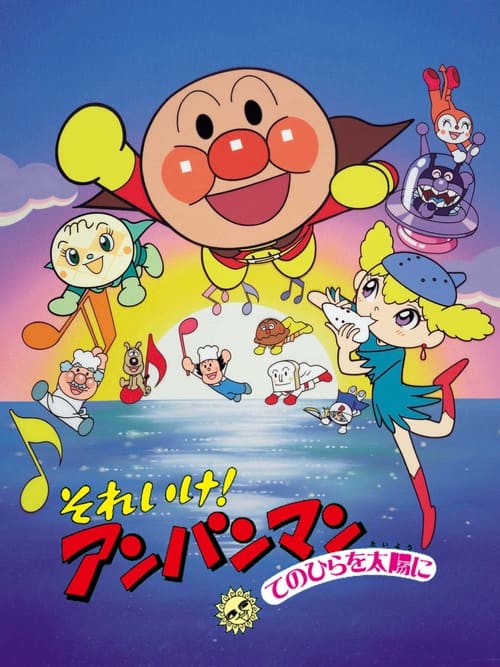
 Ryusei Nakao
 Momoko Kikuchi
 Akira Fukuzawa
 Tetsuo Sakaguchi

 Shane Nigam
 Soubin Shahir
 Sreenath Bhasi
 Mathew Thomas

 Sadie Sink
 Dylan O'Brien
Taylor Swift

 Vadhir Derbez
 Bu00e1rbara Lu00f3pez
 Arturo Barba
 Emiliano Zurita

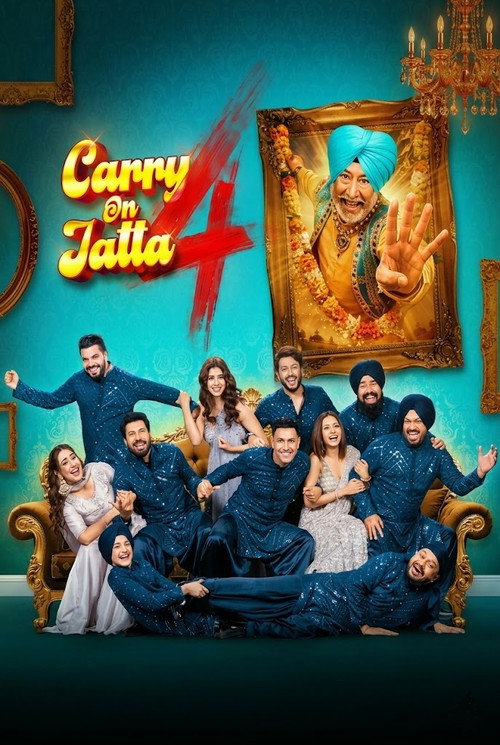 Gippy Grewal
Binnu Dhillon
 Jaswinder Bhalla
 Karamjit Anmol

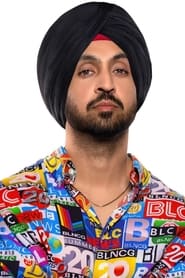 Diljit Dosanjh
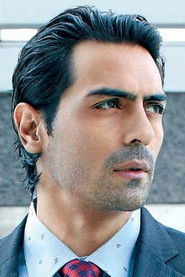 Arjun Rampal
 Suvinder Vicky
 Geetika Vidya

 Maria Falconetti
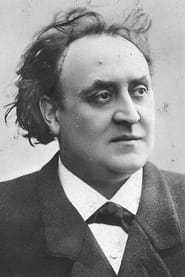 Eugu00e8ne Silvain
 Andru00e9 Berley
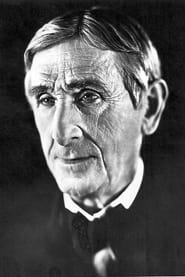 Maurice Schutz

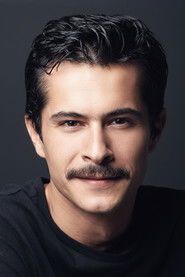 u0130smail Hacu0131ou011flu
 Kim Seol
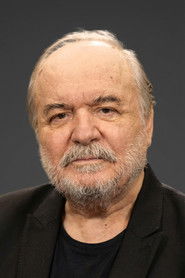 u00c7etin Tekindor
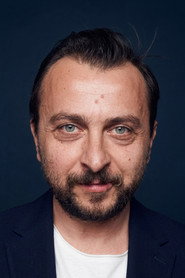 Ali Atay
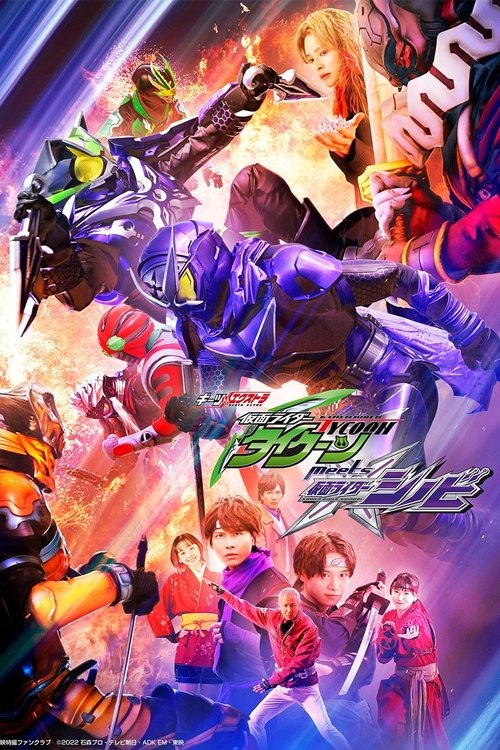
 Ryuga Sato
 Hideya Tawada
 Nene Shida
 Asuka Hanamura

 Zhang Zhe
 Yang Tianxiang
 Tang Xiaoxi
 Zhang He
 Buster Keaton
 Kathryn McGuire
 Joe Keaton
 Erwin Connelly
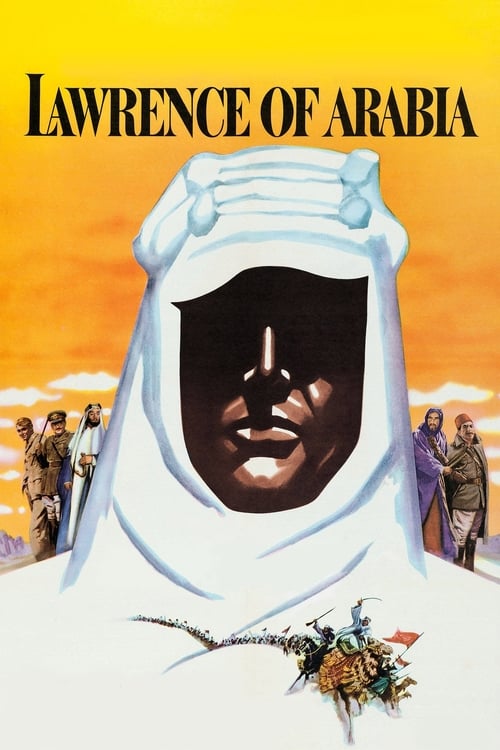
 Peter O'Toole
 Alec Guinness
 Omar Sharif
 Anthony Quinn


 Ryan O'Neal
 Marisa Berenson
 Patrick Magee
 Hardy Kru00fcger

 John Kahrs
 Kari Wahlgren


 Brigitte Lin
 Takeshi Kaneshiro
 Tony Leung Chiu-wai
 Faye Wong



 Ashok Selvan
 Ritika Singh
 Shah Ra
 Vani Bhojan
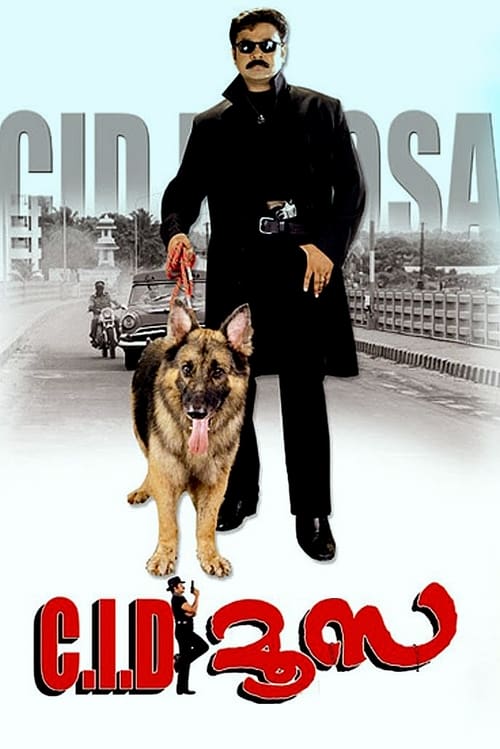
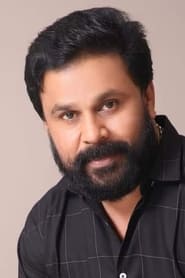 Dileep
 Bhavana
 Jagathy Sreekumar
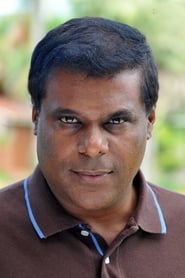 Ashish Vidhyarthi
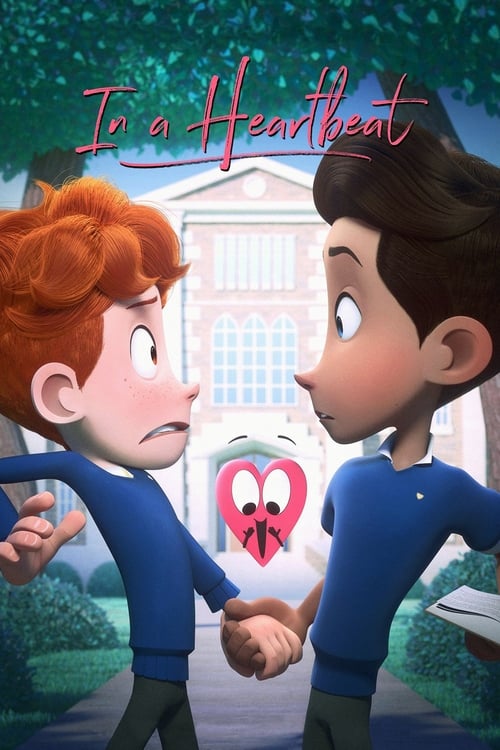
 Nick Ainsworth
 Kelly Donohue

 Ed Asner
 Christopher Plummer
 Jordan Nagai
 Bob Peterson
 Rami Malek
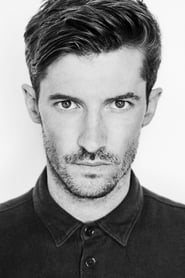 Gwilym Lee
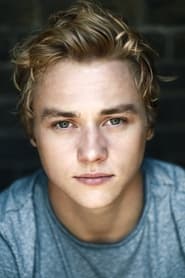 Ben Hardy
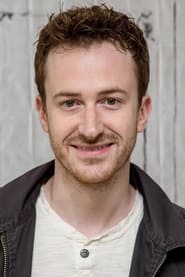 Joseph Mazzello

 Mel Gibson
 Catherine McCormack
 Sophie Marceau
 Patrick McGoohan
 Cantinflas
 Marga Lu00f3pez
 Vu00edctor Alcocer
 Rau00fal Martu00ednez

 Ivan Labanda
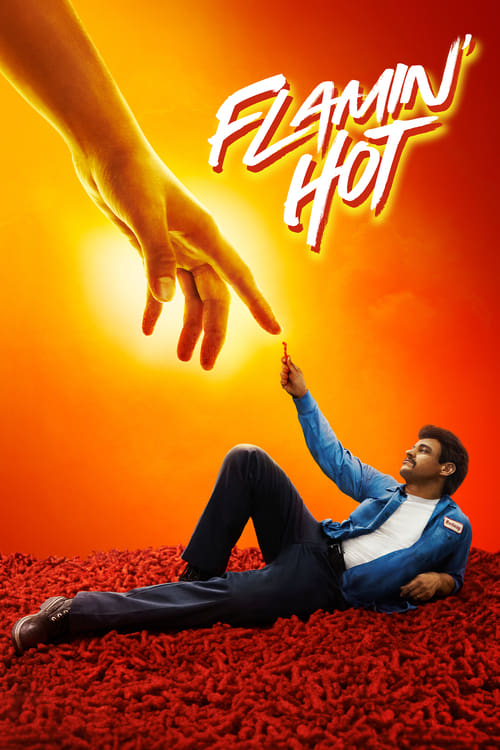
 Jesse Garcia
 Annie Gonzalez
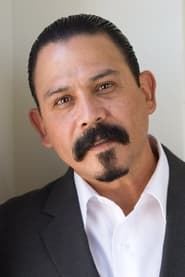 Emilio Rivera
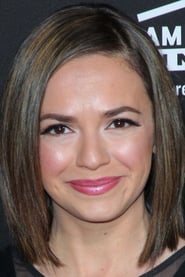 Vanessa Martinez

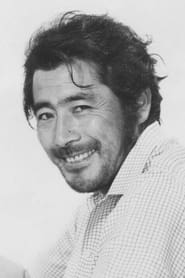 Toshiru014d Mifune
Tatsuya Nakadai
 Keiju Kobayashi
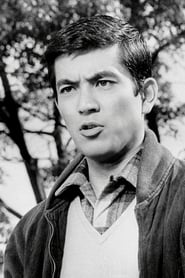 Yu016bzu014d Kayama
 Alex Ramiru00e8s
 Ju00e9remy Gillet
 Shirley Souagnon
 Franu00e7ois Sagat