Show Adult Titles
Show Adult Posters & Images


A trio of thrill-seeking go-go dancers kidnap a young girl and attempt to seduce an old rancher and his two sons out of their small fortune, but their scheme doesn't play out as intended.


This section contains spoilers
The full plot reveals key story details including the ending.




 Natarajan Subramaniam
 Ishara Nair
 Ponvannan
 Ilavarasu

 Milla Jovovich
 Matthew Modine
 Isabel Myers
 D. B. Sweeney
 Toshiru014d Mifune
 Tatsuya Nakadai
 Kyu014dko Kagawa
 Tatsuya Mihashi

 Jodie Foster
 Anthony Hopkins
 Scott Glenn
 Ted Levine


 Katsuhiro Suzuki
 Ryoma Baba
 Arisa Komiya
 Hiroya Matsumoto

 Teruaki Ogawa
 Satomi Hirose
 Hiroshi Tsuchida

 Yu Yi
 Kong Lianshun
 Fu Mei
 Shang Na
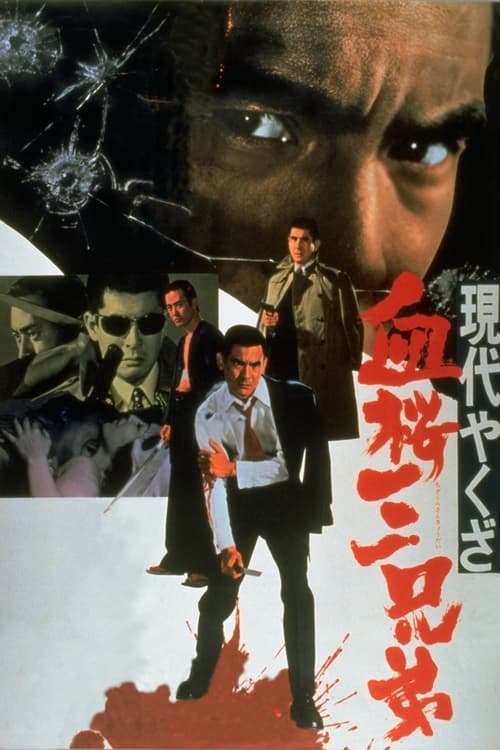
 Goru014d Ibuki
 Tsunehiko Watase
 Ichiro Araki
 Asao Koike

 Ashleigh Ball
 Andrea Libman
 Tara Strong
 Rebecca Shoichet

 Song Kang-ho
 Lee Sun-kyun
 Cho Yeo-jeong
 Choi Woo-shik



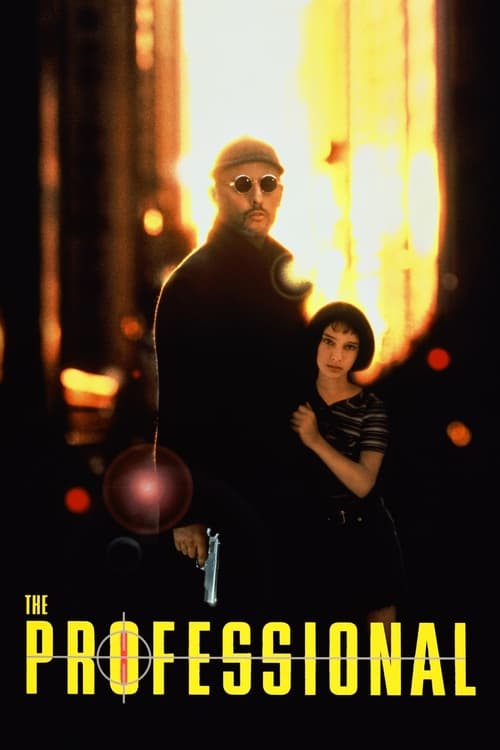

 Cantinflas
 Rosita Arenas
 u00c1ngel Garasa
 Rebeca Iturbide


 Shun Shioya
 Nao Nagasawa
 Kohei Yamamoto
 Kouhei Higuchi
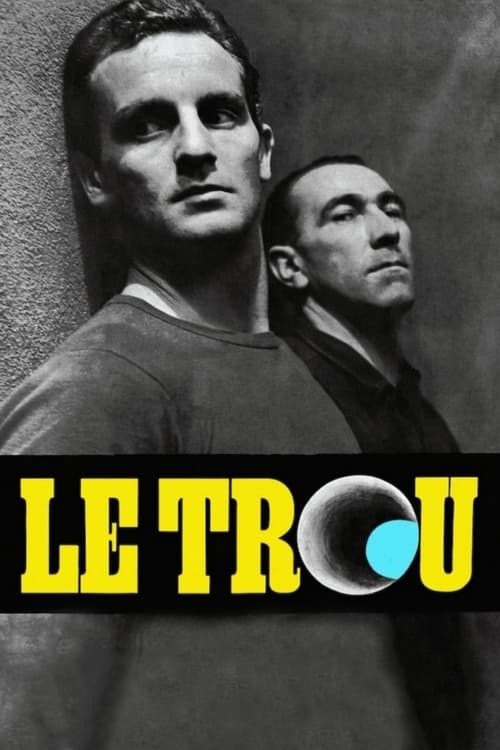
 Michel Constantin
 Jean Keraudy
 Philippe Leroy
 Raymond Meunier

 Charo Santos
 Jay Ilagan
 Vic Silayan
 Charito Solis
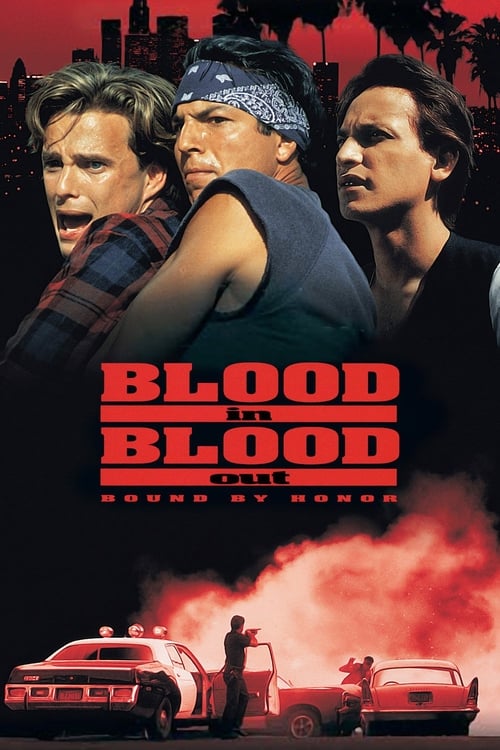
 Damian Chapa
 Jesse Borrego
 Benjamin Bratt
 Enrique Castillo
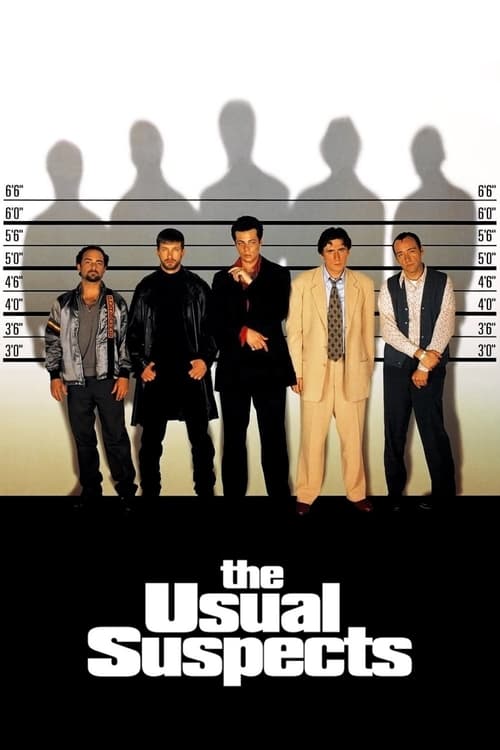
 Stephen Baldwin
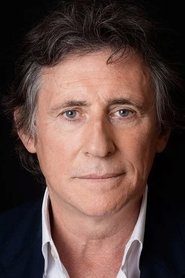 Gabriel Byrne
 Benicio del Toro
 Kevin Pollak


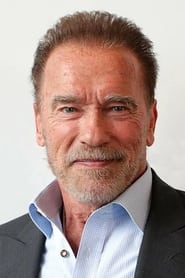 Arnold Schwarzenegger
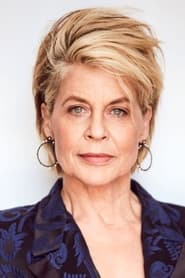 Linda Hamilton
 Edward Furlong
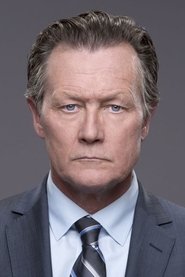 Robert Patrick



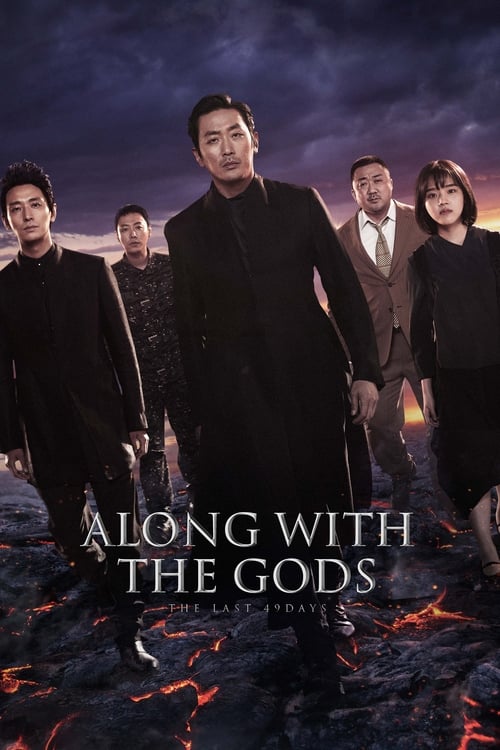
 Ha Jung-woo
 Ju Ji-hoon
 Kim Hyang-gi
 Don Lee

 Fred MacMurray
 Barbara Stanwyck
 Edward G. Robinson
 Porter Hall
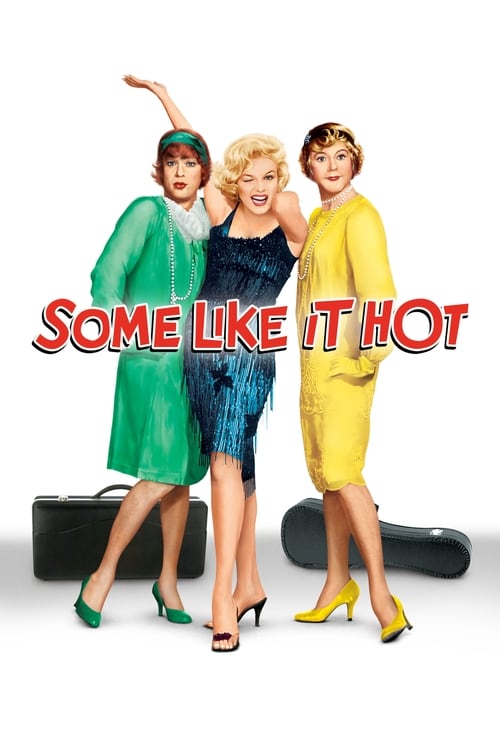
 Tony Curtis
 Jack Lemmon
 Marilyn Monroe
 George Raft
 Song Kang-ho
 Kim Sang-kyung
 Kim Roi-ha
 Song Jae-ho

 Wagner Moura
 Andru00e9 Ramiro
 Caio Junqueira
 Milhem Cortaz
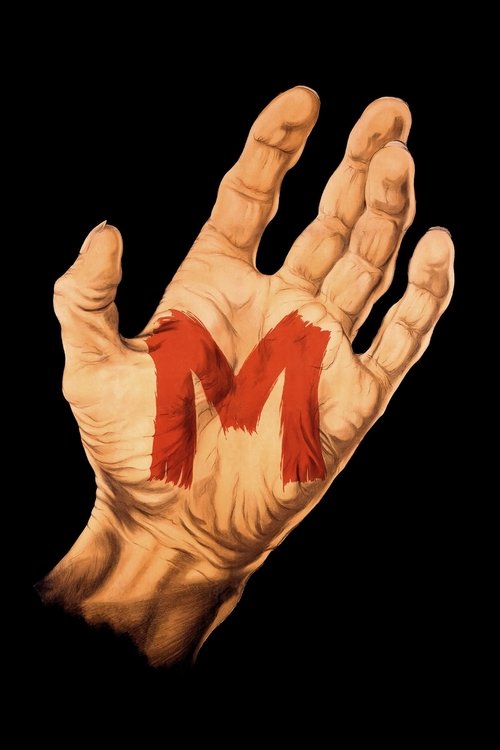
 Peter Lorre
 Ellen Widmann
 Inge Landgut
 Otto Wernicke
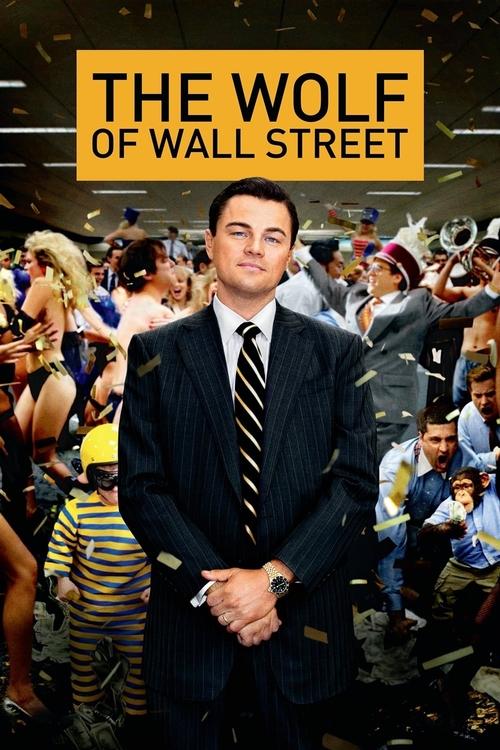
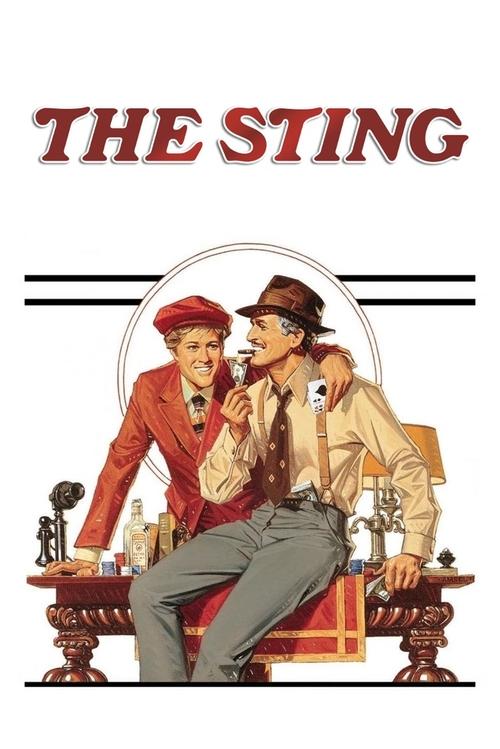
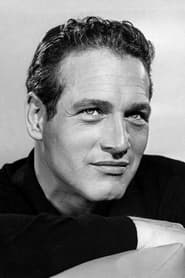 Paul Newman
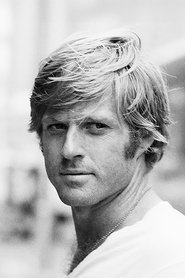 Robert Redford
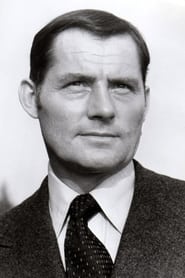 Robert Shaw
 Charles Durning

 Cemre Paksoy
 Bruce McKenzie
 Elu00e9onore Hendricks
 Colleen Rose Trundy
 Cantinflas
 Roberto Soto
 Gilberto Gonzu00e1lez
 Elisa Quintanilla
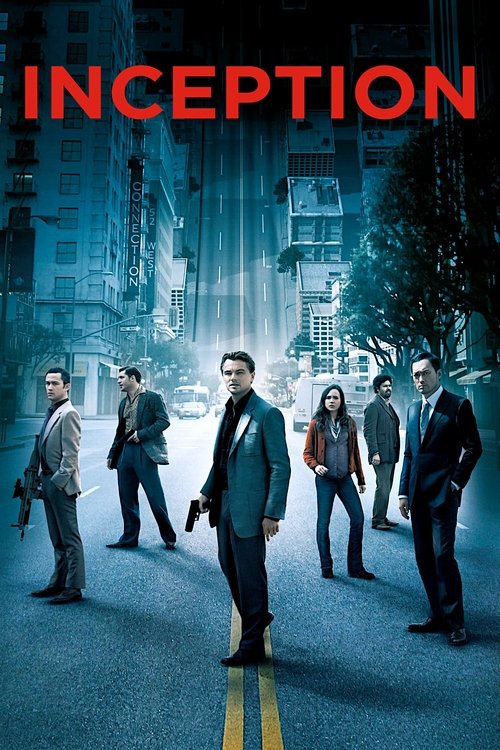

 Kim Min-hee
 Kim Tae-ri
Ha Jung-woo
 Cho Jin-woong

 Katie Douglas
 David James Elliott
 Rossif Sutherland
 Amanda Arcuri
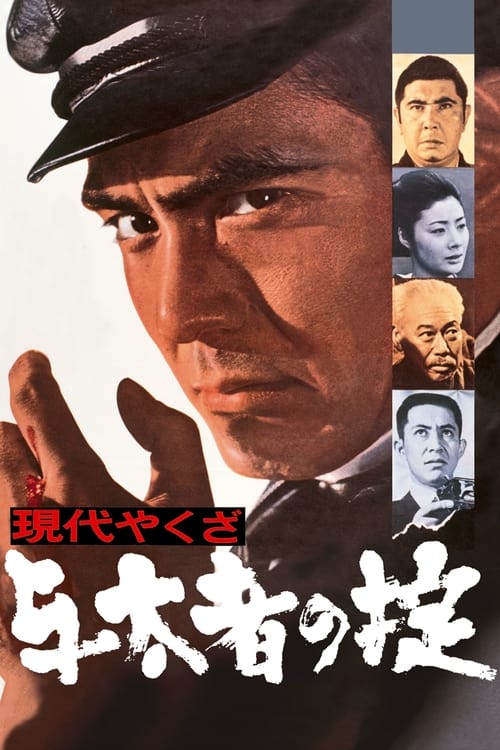
 Kyu014dsuke Machida
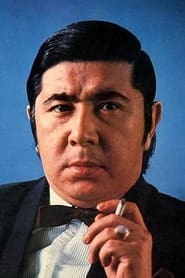 Tomisaburu014d Wakayama
 Sumiko Fuji
 Shingo Yamashiro
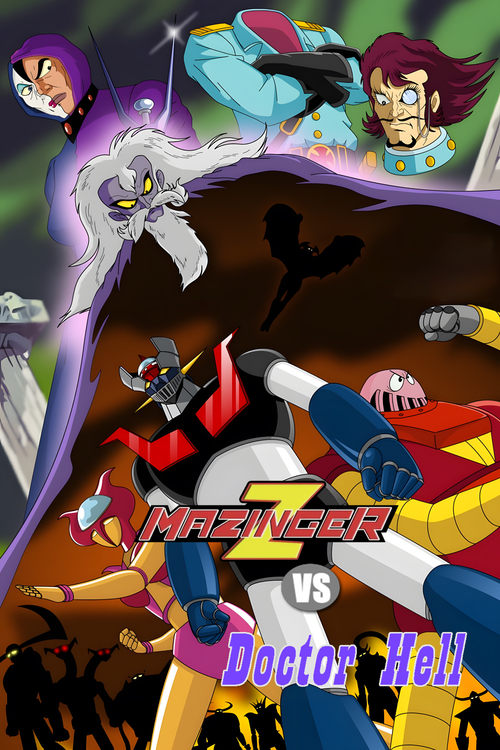
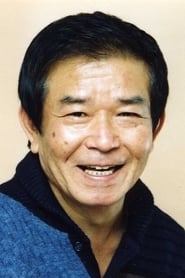 Hiroya Ishimaru
 Haruko Kitahama
 Hidekatsu Shibata
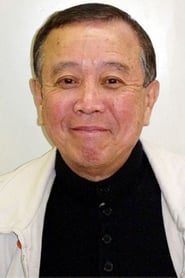 Hiroshi Otake
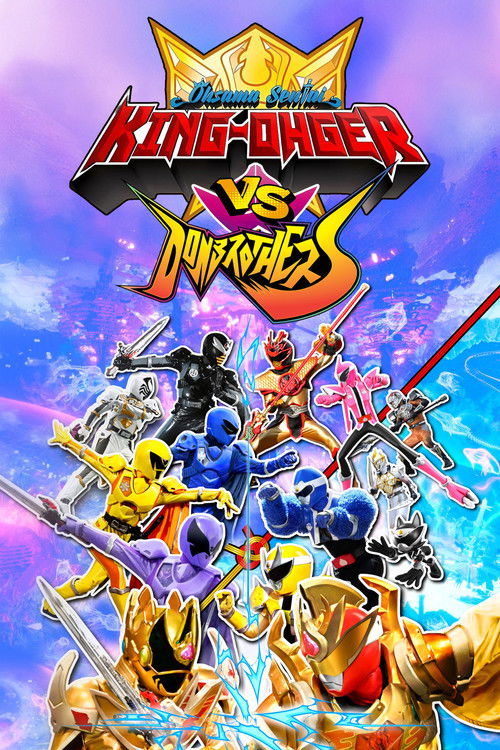
 Taisei Sakai
 Aoto Watanabe
 Erica Murakami
 Yuzuki Hirakawa

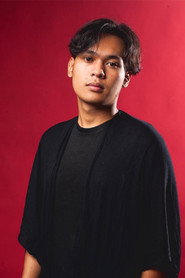 Javiar Ilham

 Hayate Ichinose
 Keito Tsuna
 Ichika Osaki
 Yuito Obara
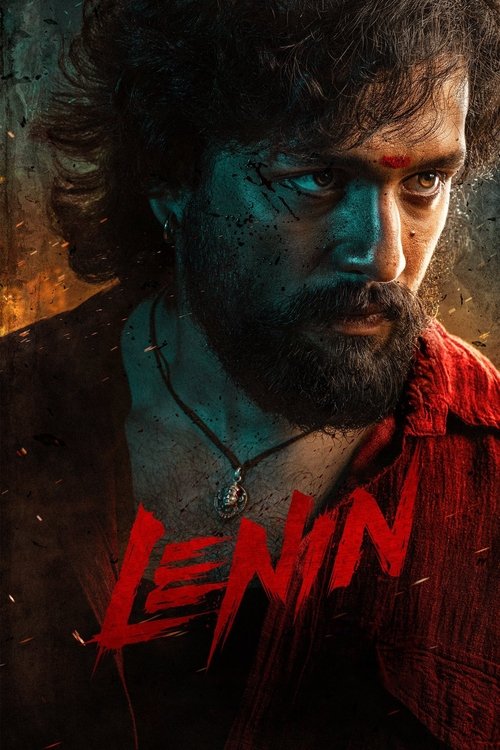
 Akhil Akkineni
 Bhagyashri Borse
 Sivaji Sontineni
 Easwari Rao

 Li Sitong
 Wang Yantong
 Wu Shaoqing
 Zheng Runqi


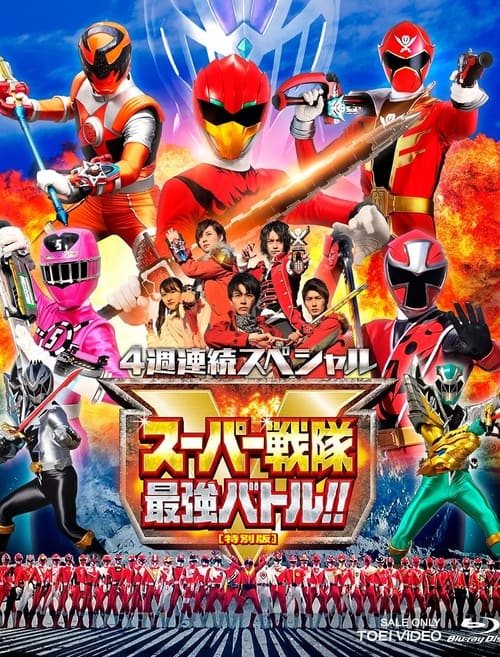
 Masaki Nakao
 Ryota Ozawa
 Shunsuke Nishikawa
 Yosuke Kishi


 Angelique Boyer
 Bu00e1rbara de Regil
 Diego Klein
 Lucu00eda Uribe
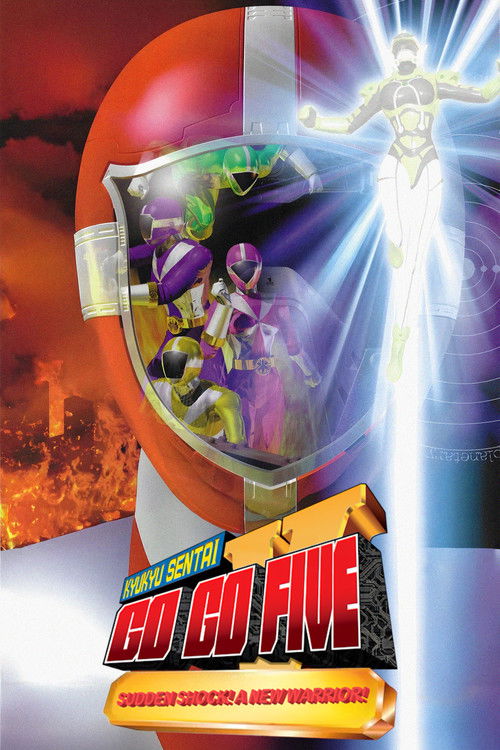
 Ryuichiro Nishioka
 Masashi Taniguchi
 Atsushi Harada
 Kenji Shibata

 Jerald Napoles
 Gina Alajar
 Louise delos Reyes
 Candy Pangilinan

 Lizzie Freeman
 Alex Rochon
 Michael Kovach
 Amanda Hufford

 Ludwika Paleta
 Juanpa Zurita
 Harold Azuara
 Yuriria del Valle



 Misaki Momose
 Hiroshi Watari
 Yuma Ishigaki

 Pimchanok Luevisadpaibul
 Thanapob Leeratanakachorn
 Sivakorn Adulsuttikul
 Chartayodom Hiranyatithi


 Shan Xin
 Liu Mingyue
 Zhu Jing
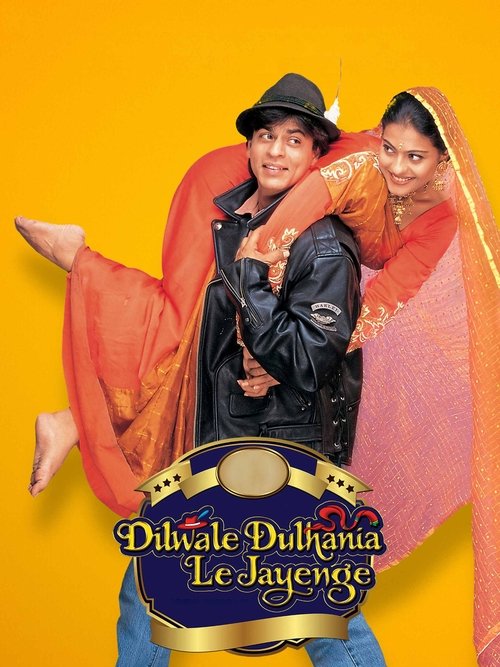

 Ludwika Paleta
Juanpa Zurita
 Hernu00e1n Mendoza
Harold Azuara

 Yosuke Kishi
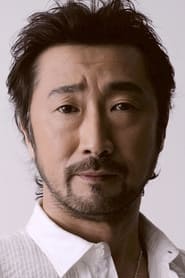 Akio Otsuka
 Yuki Kubota
 Yuki Mamiya

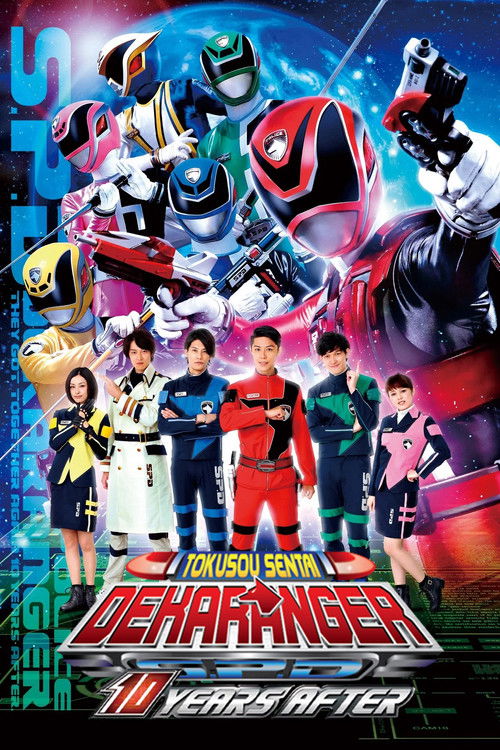
 Ryuji Sainei
 Tsuyoshi Hayashi
 Yosuke Ito
 Ayumi Kinoshita
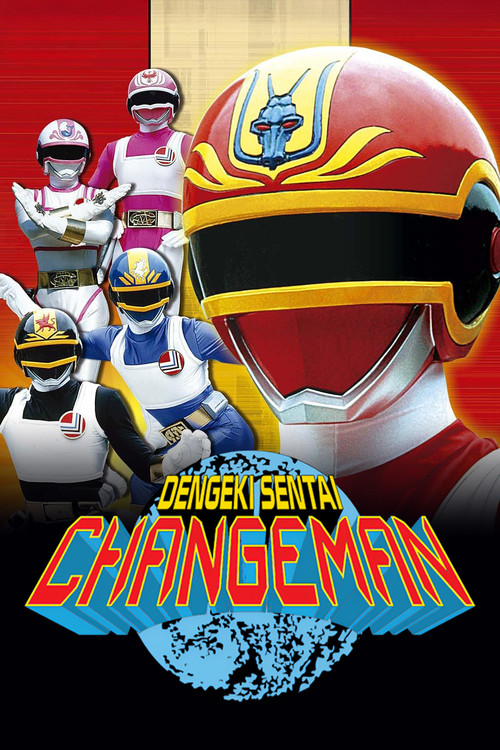
 Haruki Hamada
 Takahashi Kazuoki
 Shiru00f4 Izumi
 Hiroko Nishimoto

 Kim Molina
Jerald Napoles
 Al Tantay
 Althea Ruedas

 Lin Shen
 Kang Ning
 Zhao Leiqi

 Brendan Bradley
 Rachel Cook
 Olivia Grace Applegate
 Derek Smith

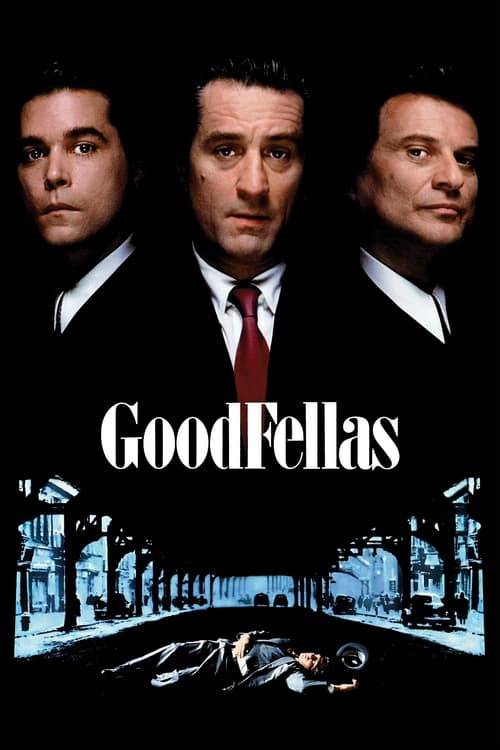
 Toshiru014d Mifune
 Takashi Shimura
 Yoshio Inaba
 Seiji Miyaguchi

 Roberto Benigni
 Nicoletta Braschi
 Giorgio Cantarini
 Giustino Durano



 Jorge Negrete
 Pedro Infante
 Carmelita Gonzu00e1lez
 Yolanda Varela

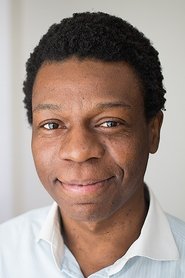 Alexandre Rodrigues
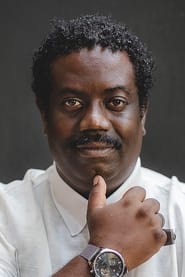 Leandro Firmino
 Phellipe Haagensen
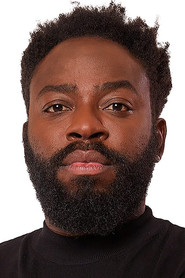 Douglas Silva

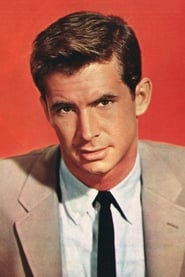 Anthony Perkins
 Janet Leigh
 Vera Miles
 John Gavin

 Pedro Infante
 Luis Aguilar
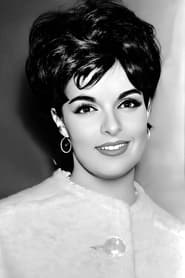 Alma Delia Fuentes
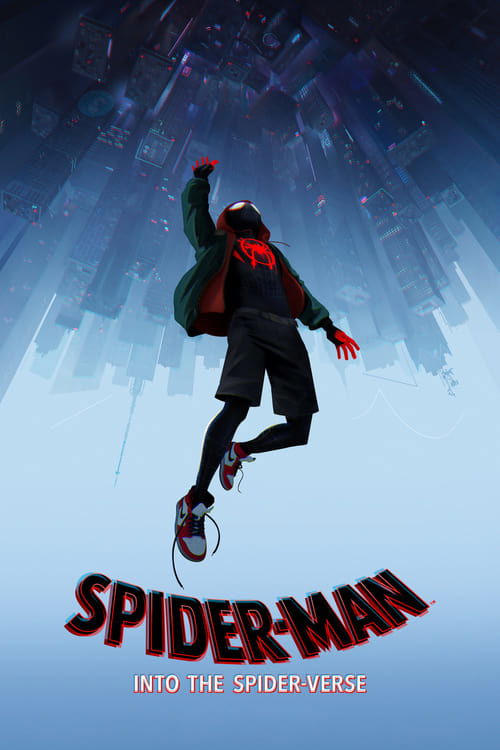
 Tatsuya Nakadai
 Akira Ishihama
 Shima Iwashita
 Tetsuro Tamba
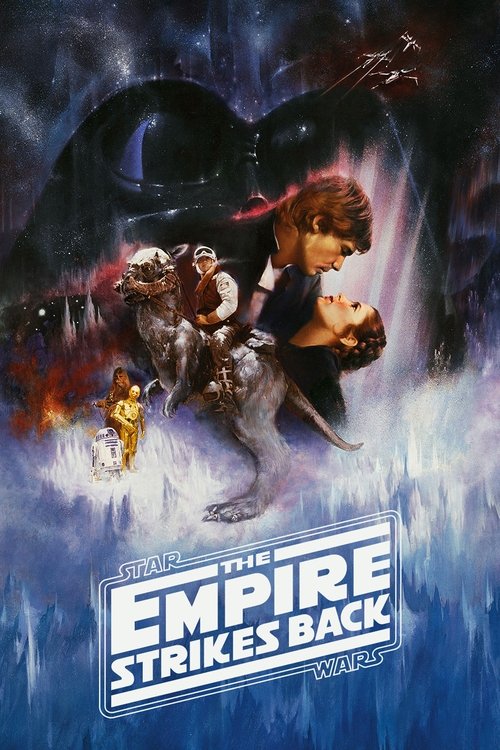

 O. J. Simpson
 Nicole Brown Simpson
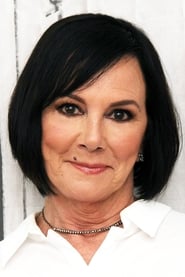 Marcia Clark
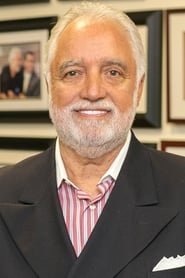 Danny Bakewell Sr.

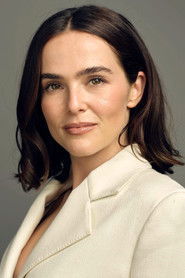 Zoey Deutch
 Nick Robinson
 Ciara Bravo
 Nick Offerman


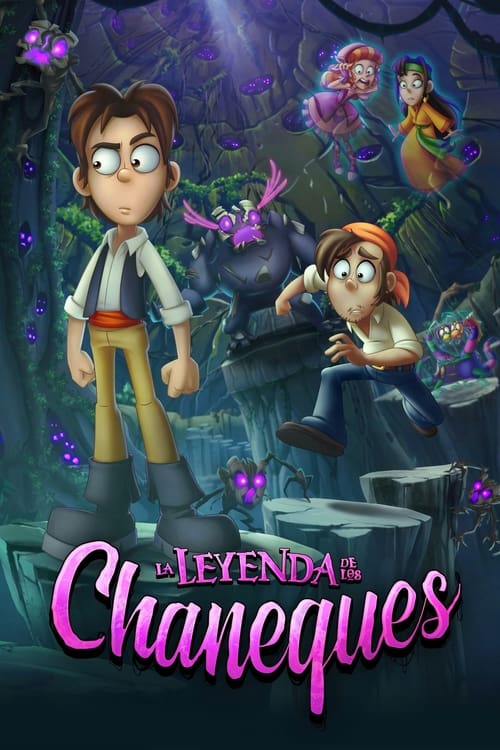
 Benny Emmanuel
 Emilio Treviu00f1o
 Jorge Rafael
 Maytu00e9 Cordero
 Shan Xin
Liu Mingyue
 Hao Xianghai
 Ding Dang

 Jung Jinyoung
 DAHYUN
 Demian
 Lee Min-goo

 Mauricio Ochmann
 Memo Villegas
 Iru00e1n Castillo
 Farah Justiniani

 James Stewart
 Grace Kelly
 Wendell Corey
 Thelma Ritter

 Kunio Masaoka
 Masashi Goda
 Michael J. Fox
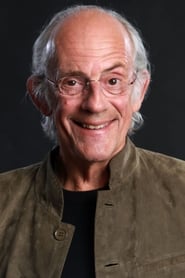 Christopher Lloyd
 Crispin Glover
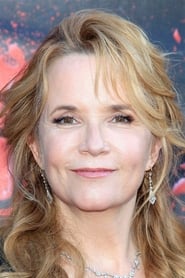 Lea Thompson

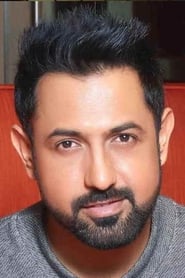 Gippy Grewal
 Mahie Gill
 Gurpreet Ghuggi
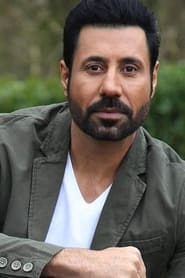 Binnu Dhillon
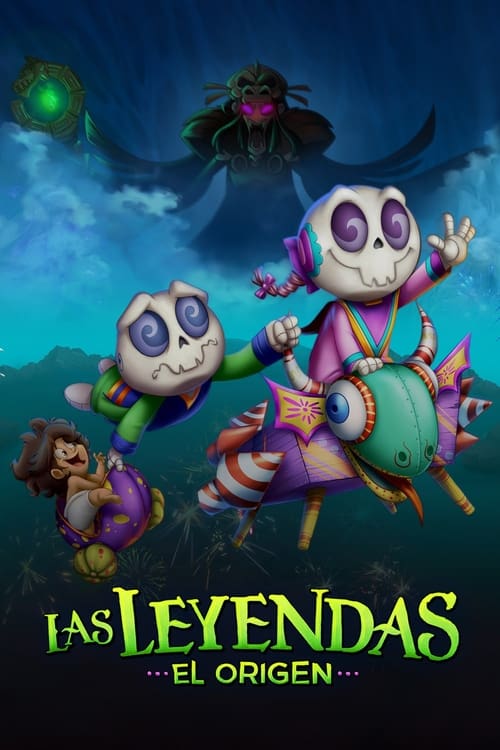
 Paola Ramones
 Emiliano Ugarte
 Liliana Barba Meinecke
 Daniela Ibu00e1u00f1ez

 Junko Iwao
 Rica Matsumoto
 Shiho Niiyama
 Masaaki Okura
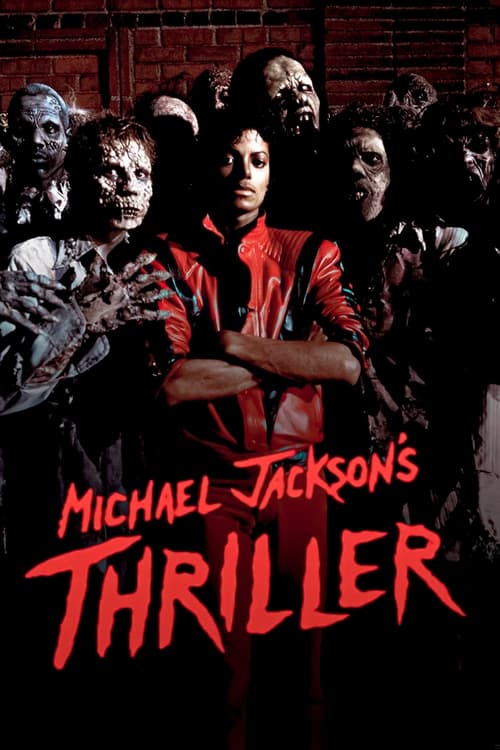
 Michael Jackson
 Ola Ray
 Vincent Price
 Cynthia Garris



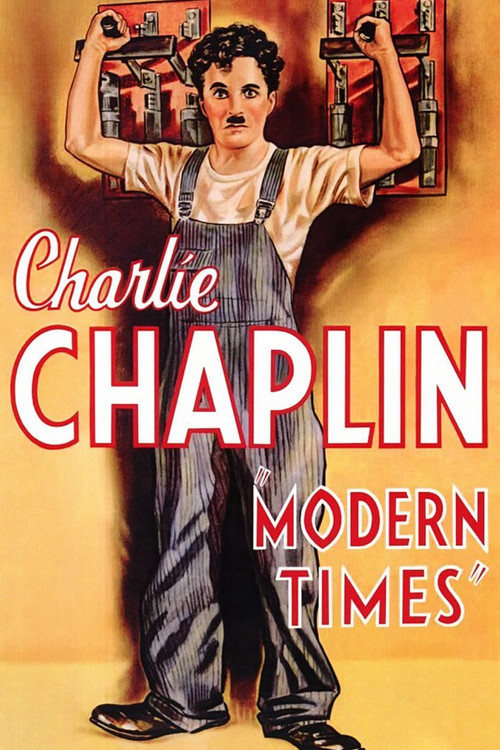

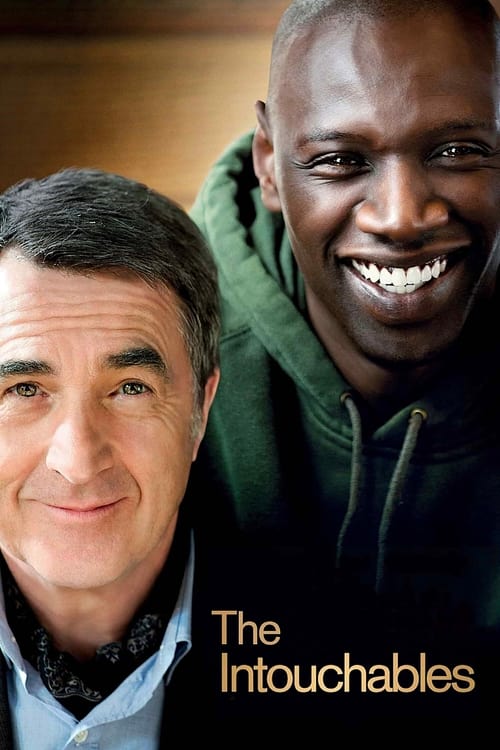
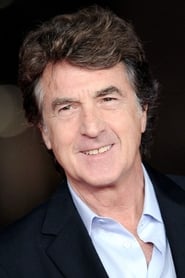 Franu00e7ois Cluzet
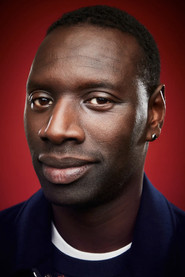 Omar Sy
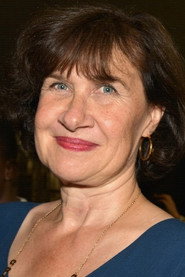 Anne Le Ny
 Audrey Fleurot

 Chris Diamantopoulos
 Kaitlyn Robrock
 Tony Anselmo
 Bill Farmer

 Michael Johnston
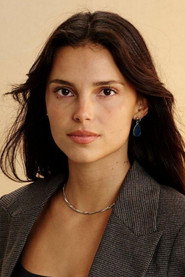 Inde Navarrette
 Cooper Tomlinson
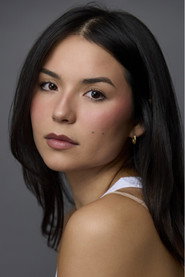 Megan Lawless

 Shin Eun-soo
 Gong Myoung
 Cha Woo-min
 Youn Sang-hyun

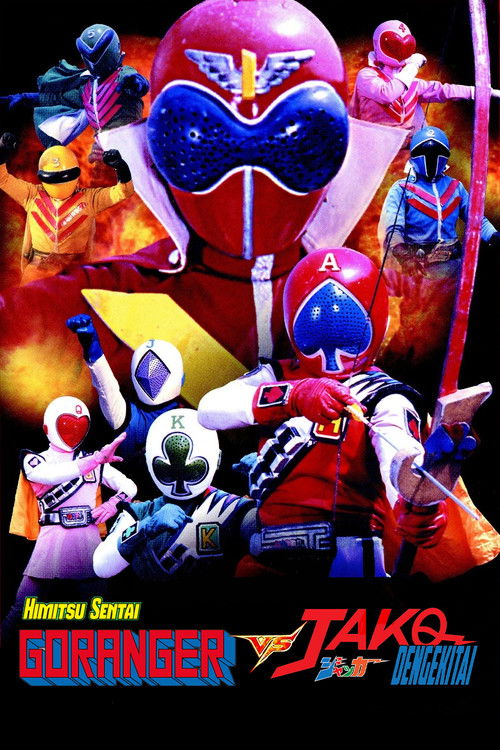
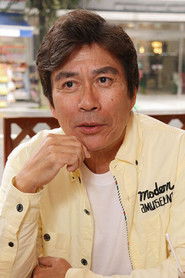 Yoshitaka Tanba
 Heizan Itou
 Mitchi Love
 Yu016bsuke Kazato

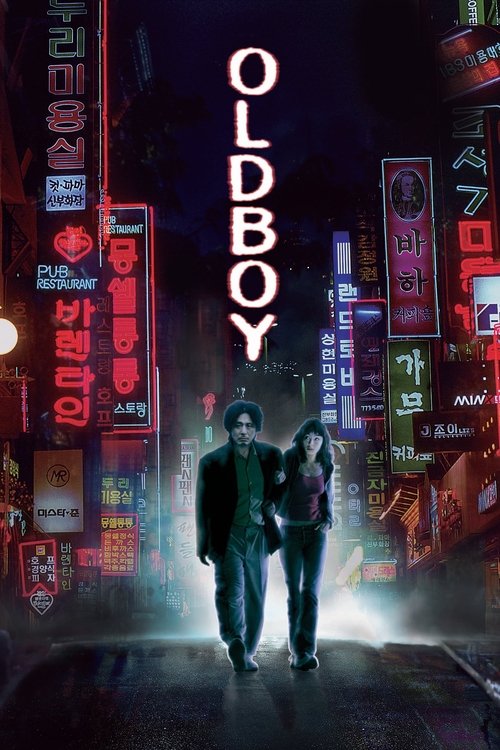
 Choi Min-sik
 Yoo Ji-tae
 Kang Hye-jung
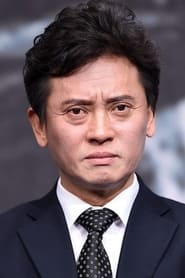 Kim Byeong-ok
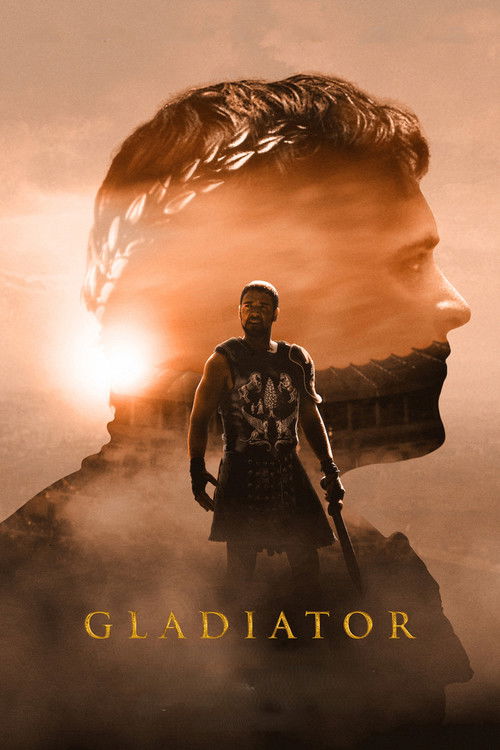
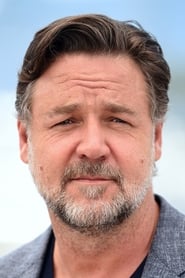 Russell Crowe
 Joaquin Phoenix
 Connie Nielsen
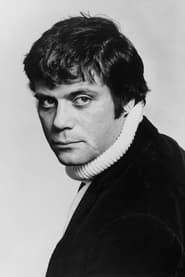 Oliver Reed

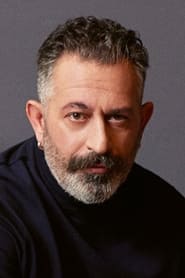 Cem Yu0131lmaz

 Vittorio Gassman
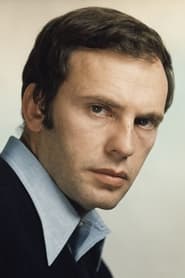 Jean-Louis Trintignant
 Catherine Spaak
 Claudio Gora


 Hiroya Ishimaru
 Ryoichi Tanaka
 Kazuko Sawada
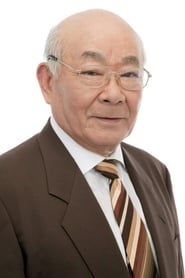 Chikao Ohtsuka


 Antonio Banderas
 Salma Hayek Pinault
 Harvey Guillu00e9n
Wagner Moura
 Tyrone Power
 Marlene Dietrich
 Charles Laughton
 Elsa Lanchester
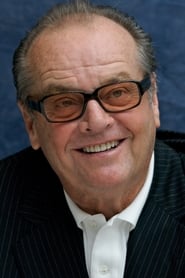 Jack Nicholson
 Shelley Duvall
 Danny Lloyd
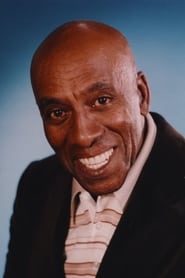 Scatman Crothers

 Chang Chen
 Lisa Yang
 Chang Kuo-Chu
 Elaine Jin Yan-Ling
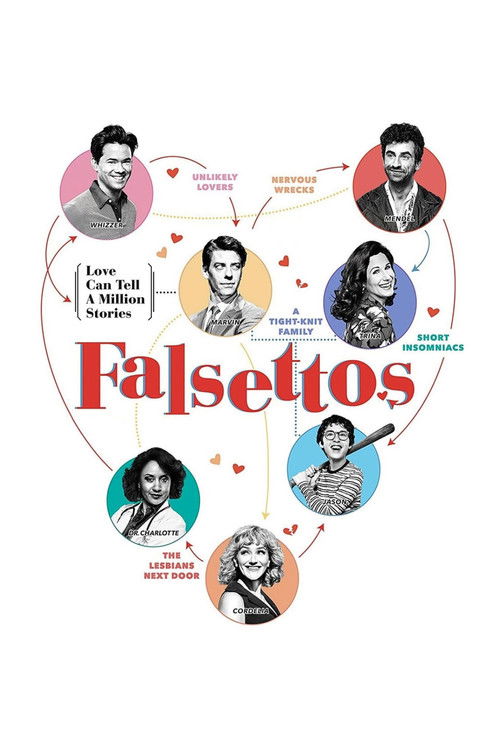
 Christian Borle
 Stephanie J. Block
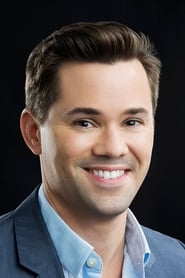 Andrew Rannells
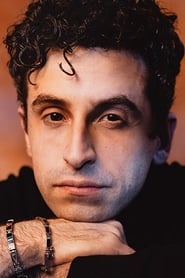 Brandon Uranowitz


 Lu Yanting
 Joseph
 Han Mo
 Chen Hao

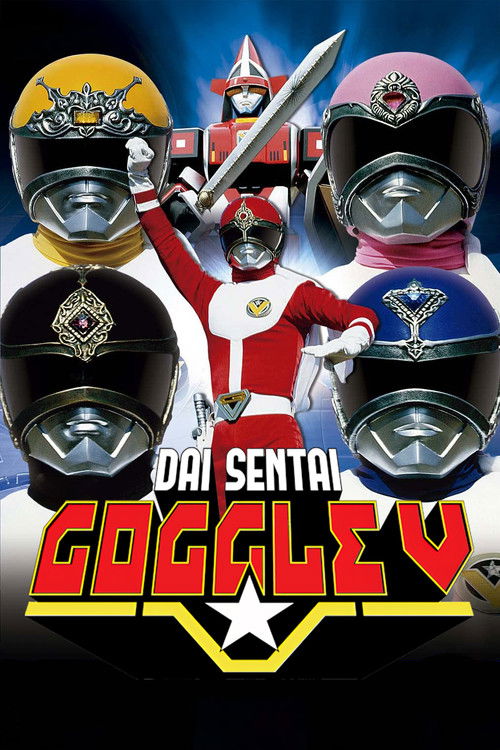
 Ryouji Akagi
 Sanpei Godai
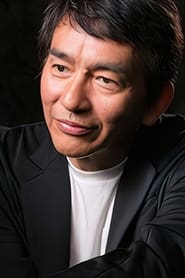 Junichi Haruta
 Jack Lemmon
 Shirley MacLaine
Fred MacMurray
 Ray Walston
 Haruki Hamada
Takahashi Kazuoki
Shiru00f4 Izumi
Hiroko Nishimoto

 Eiji Okada
 Kyu00f4ko Kishida
 Ku014dji Mitsui


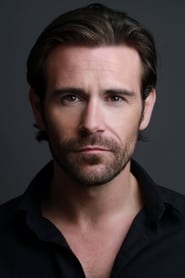 Matt Ryan
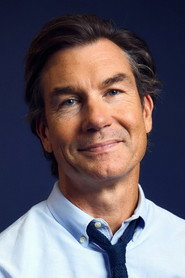 Jerry O'Connell
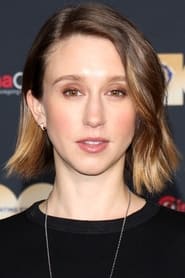 Taissa Farmiga
 Jason O'Mara
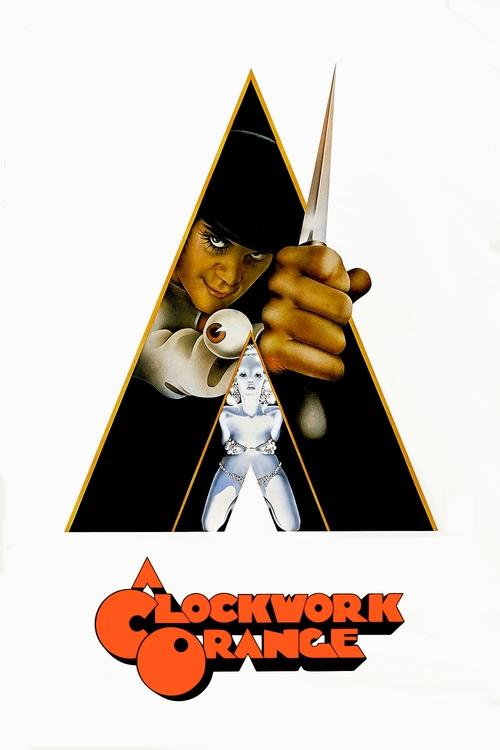
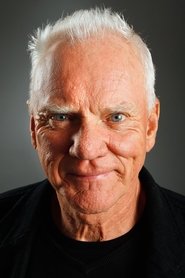 Malcolm McDowell
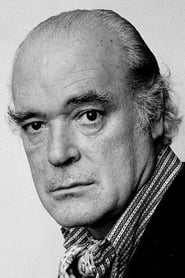 Patrick Magee
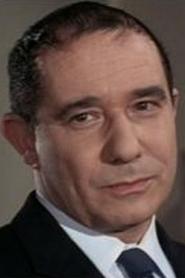 Carl Duering
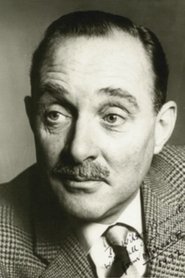 Michael Bates

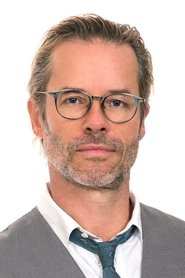 Guy Pearce
 Carrie-Anne Moss
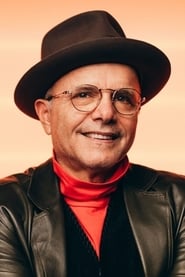 Joe Pantoliano
 Mark Boone Junior

 Aino Kishi
 Rei Toda

 Tom Cruise
 Miles Teller
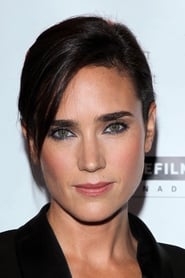 Jennifer Connelly
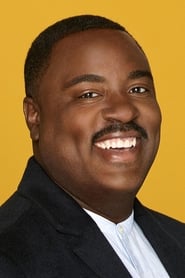 Bashir Salahuddin
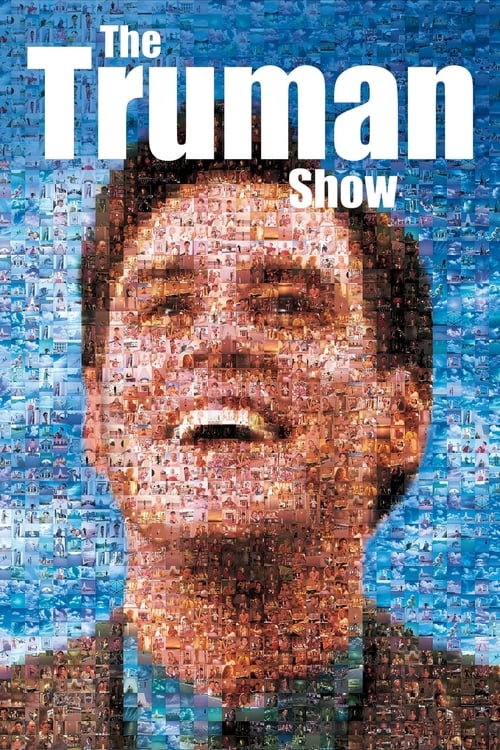
 Jim Carrey
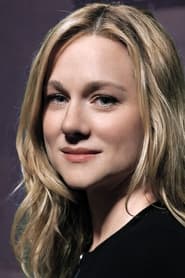 Laura Linney
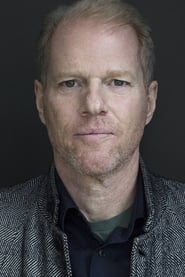 Noah Emmerich
 Natascha McElhone
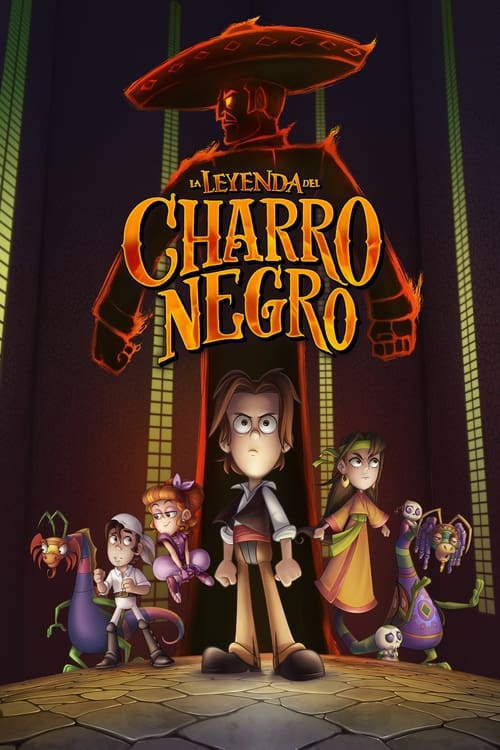
 Cantinflas
 Alma Rosa Aguirre
 Miguel Inclu00e1n
 Miguel u00c1ngel Ferriz Sr.

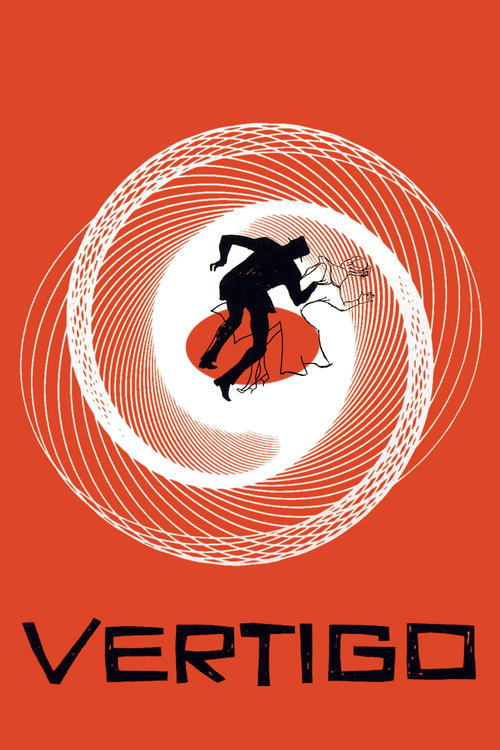 James Stewart
 Kim Novak
 Barbara Bel Geddes
 Tom Helmore
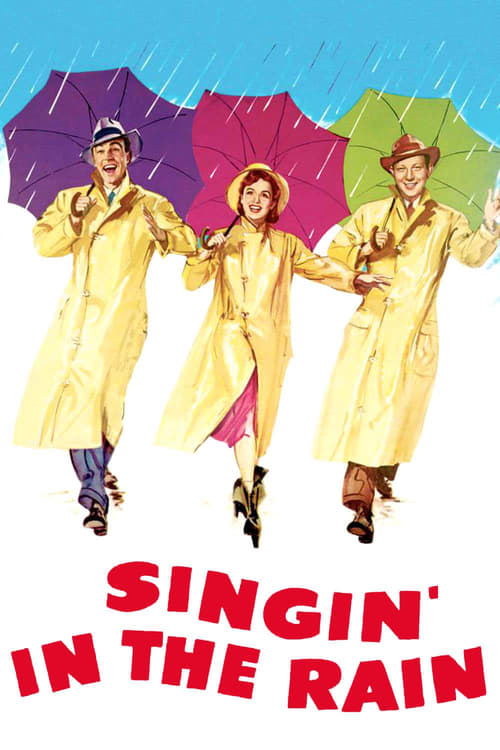
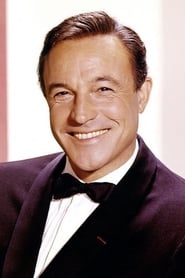 Gene Kelly
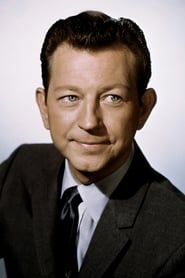 Donald O'Connor
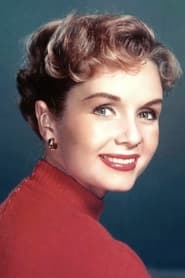 Debbie Reynolds
 Jean Hagen
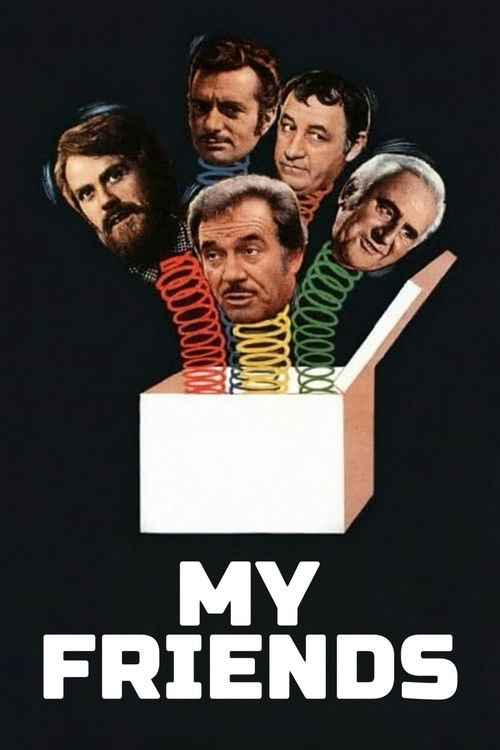
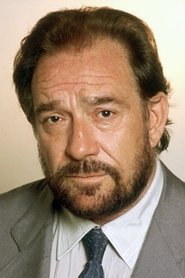 Ugo Tognazzi
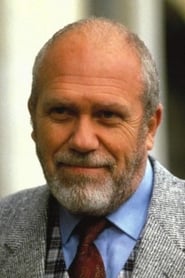 Gastone Moschin
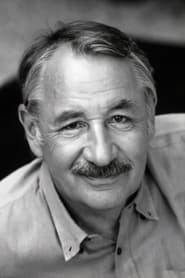 Philippe Noiret
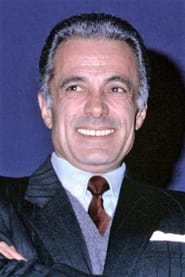 Duilio Del Prete